

 English
 Español
 Français

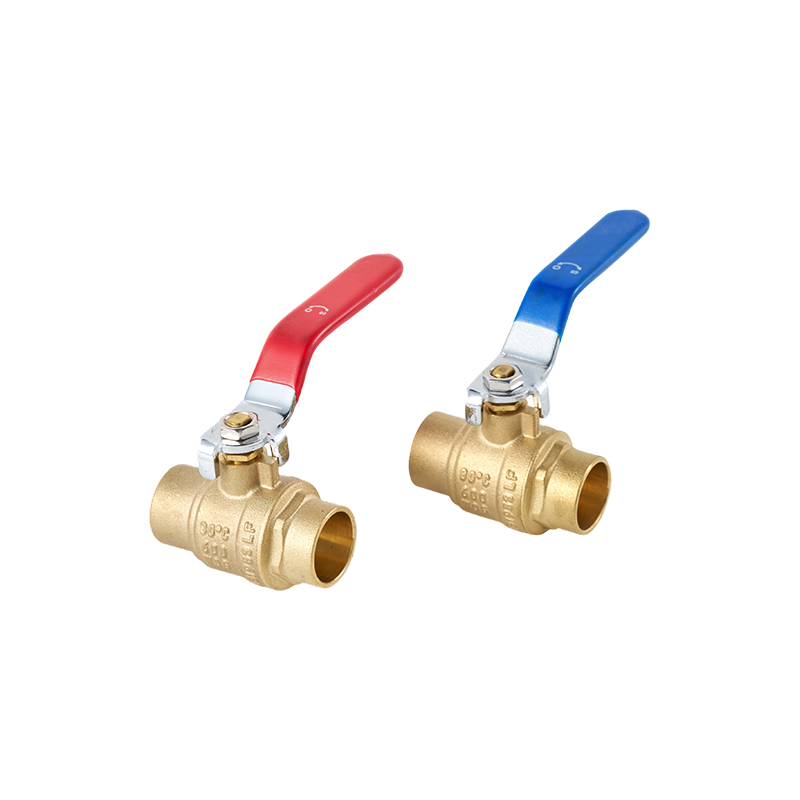
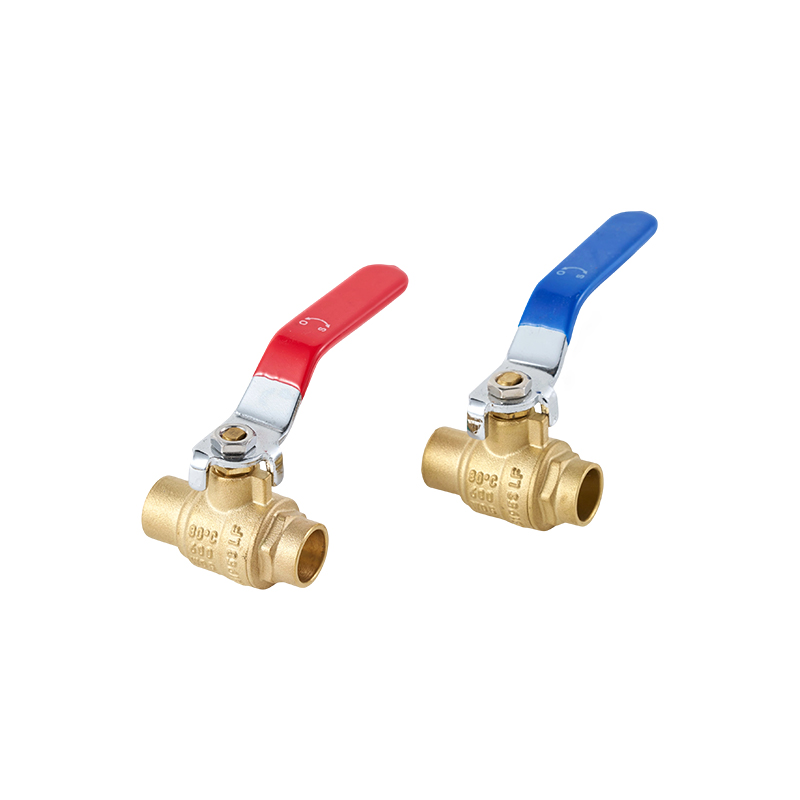
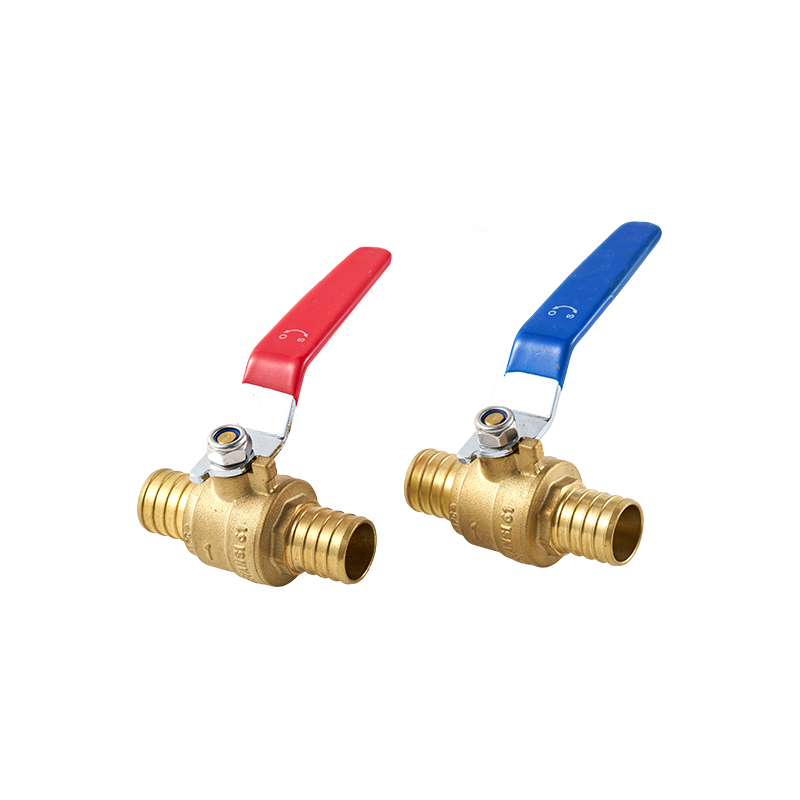
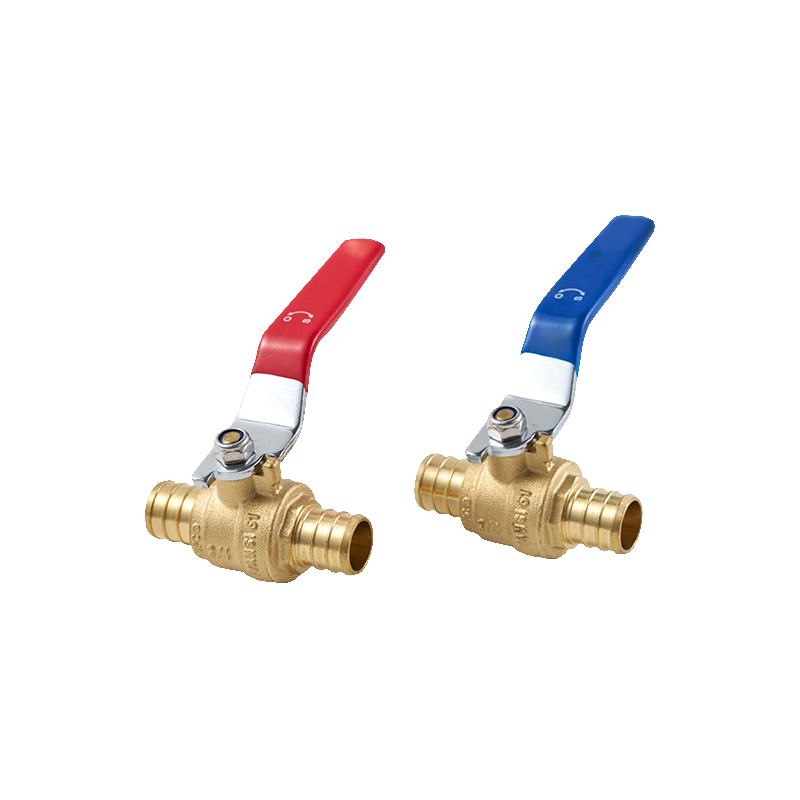
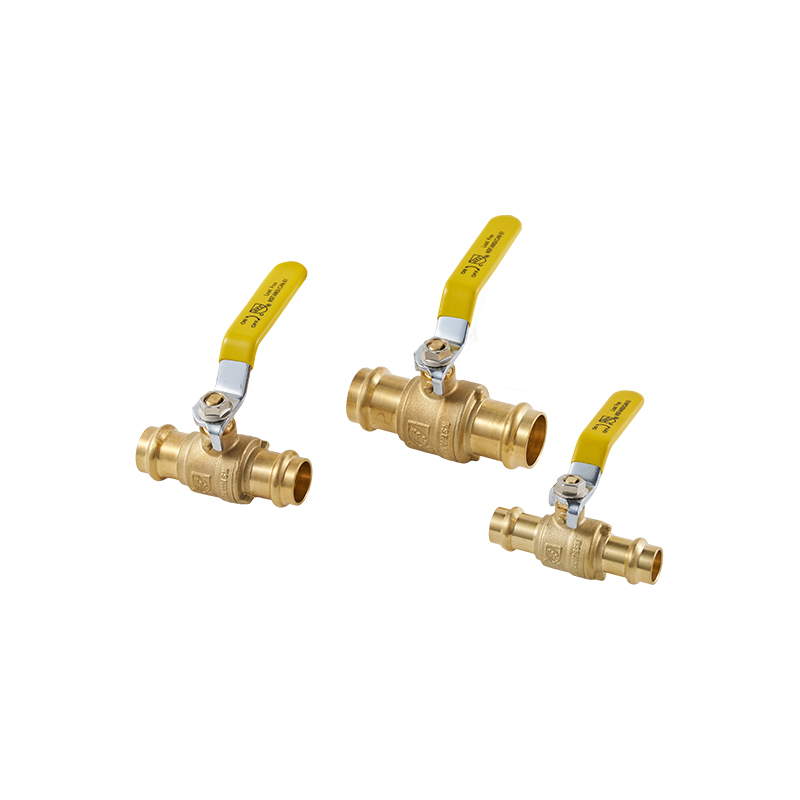
A common challenge for plumbers and homeowners is handling a Press Brass Ball Valve when it needs replacement. Unlike threaded or soldered valves, press fittings are permanent, meaning a misaligned or faulty valve often necessitates cutting the pipe to install a new one. Even though a Ball Valve provides reliable shutoff and flow control, the installation and replacement process can be more complicated than expected.
Understanding why press brass valves behave this way and how to manage replacements properly can save time, prevent damage, and ensure continued system efficiency.
The Nature of Press Brass Ball Valves
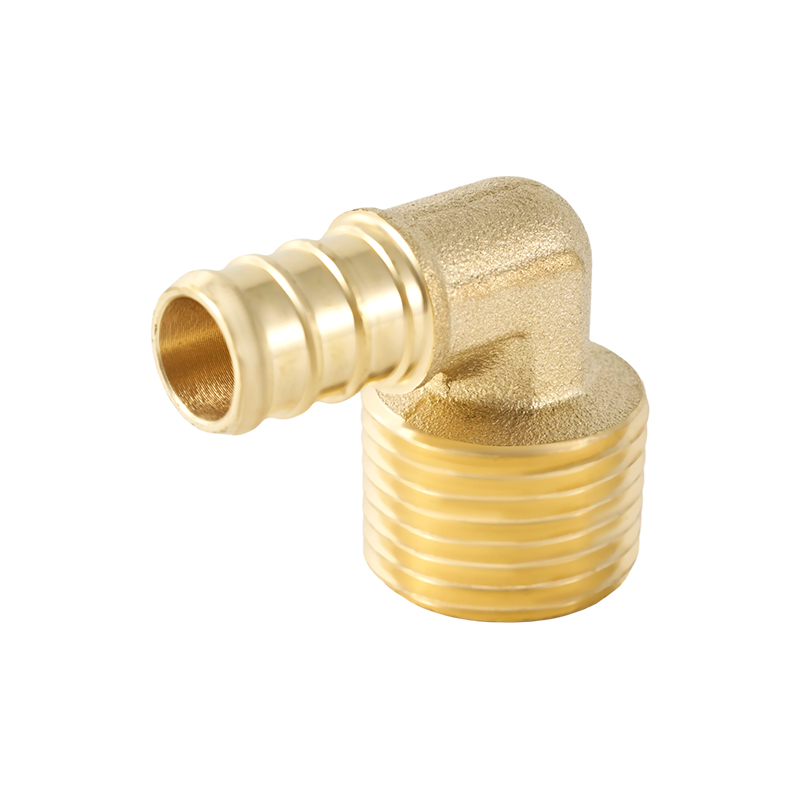
Press brass ball valves are designed to create a permanent, leak-proof joint with minimal labor. A pressing tool crimps the fitting onto the pipe, securing the connection instantly. This design eliminates soldering, threading, and extended curing times, which is ideal for tight spaces or quick installations.
However, the permanence of the press connection comes with a tradeoff: replacing the valve requires cutting the pipe. Unlike conventional threaded valves that can simply be unscrewed, press fittings cannot be loosened without damaging the crimp. This often surprises users who expect a simple swap.
Why Users Encounter Pipe Cutting Challenges
Several factors make pipe cutting necessary during press brass ball valve replacement:
1. Limited Adjustability
Press fittings are precise. Even a small misalignment or measurement error during the initial installation leaves little room for repositioning. Cutting the pipe ensures the new valve fits correctly without forcing the connection.
2. Safety and Leak Prevention
Attempting to remove a press valve without cutting risks damaging the pipe or internal components. Cutting the pipe and re-pressing a new valve guarantees a secure seal, reducing the chance of leaks or future maintenance problems.
3. Pipe Length Considerations
Sometimes the original valve installation leaves the pipe slightly too short for reinstallation. Cutting and preparing a new section ensures the replacement valve seats properly and allows enough pipe for a secure press fit.
Tips for Smooth Replacement
Users can take several practical steps to make valve replacement less troublesome:
Measure and Mark Accurately
Before cutting, measure the required pipe length carefully. Consider leaving a small extra length for error adjustment.
Use Appropriate Tools
A pipe cutter designed for the pipe material ensures a clean, straight cut. Avoid hacksaws that can leave jagged edges, which interfere with press fitting.
Deburr and Clean Pipe Ends
Remove any rough edges or metal shavings before pressing the new valve. A clean surface ensures a reliable seal and smooth operation of the valve.
Test the New Valve
After installing a replacement press brass ball valve, slowly pressurize the system and check for leaks before completing the installation. This step prevents unexpected drips or operational issues.
Advantages of Understanding Press Valve Limitations
Although needing to cut the pipe may seem inconvenient, knowing the characteristics of press brass ball valves helps users plan installations and replacements efficiently. Awareness of the permanent nature of press fittings allows better preparation and reduces frustration during maintenance.
High-quality valves from reputable manufacturers like Taizhou Shuihengyihao Fluid Technology Co.,Ltd. are designed for reliability, but even the better valve cannot eliminate the need for proper technique during replacement.