

 English
 Español
 Français

Commercial plumbing projects often share similar requirements, but their water distribution systems rarely have identical operating conditions. A hotel, office building, apartment complex, and healthcare facility may all require water hammer protection, yet differences in pipe dimensions, connected equipment, supply pressure, and installation layouts can affect product specifications. At Shuihengyihao, we recommend establishing a common technical specification while allowing project-specific adjustments where necessary.
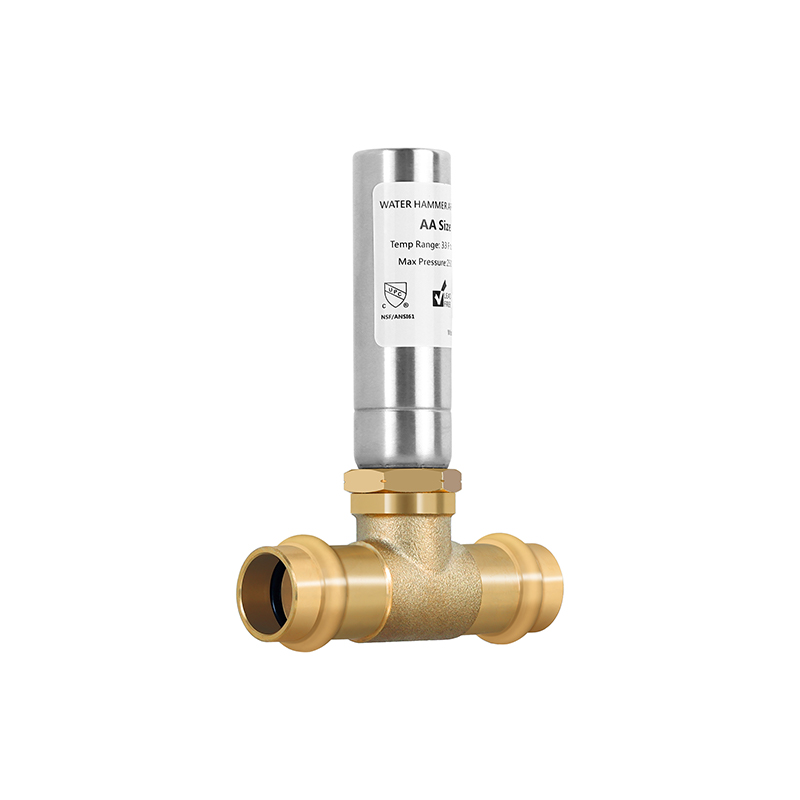
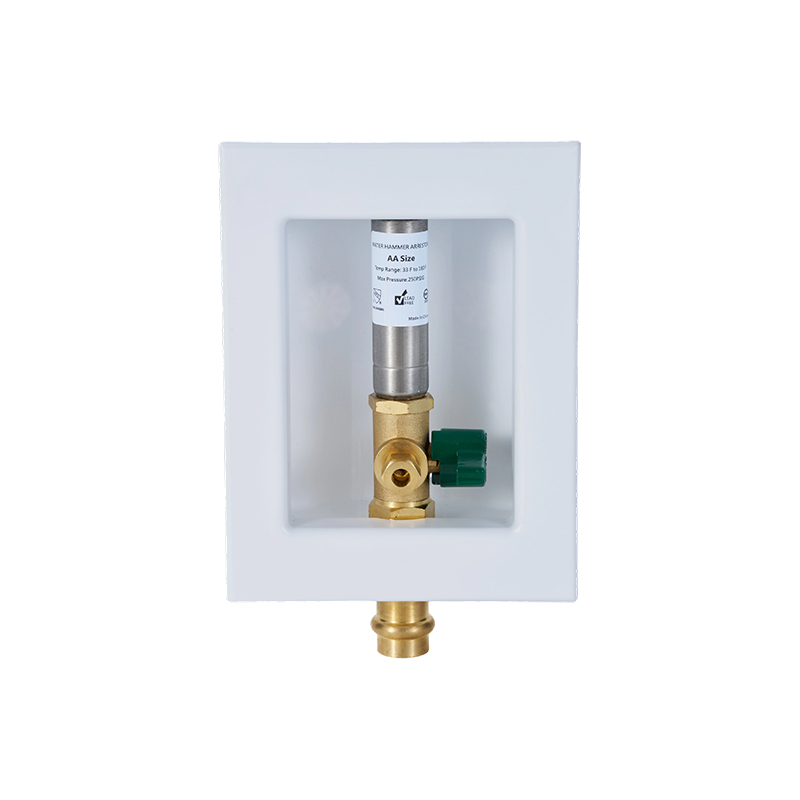
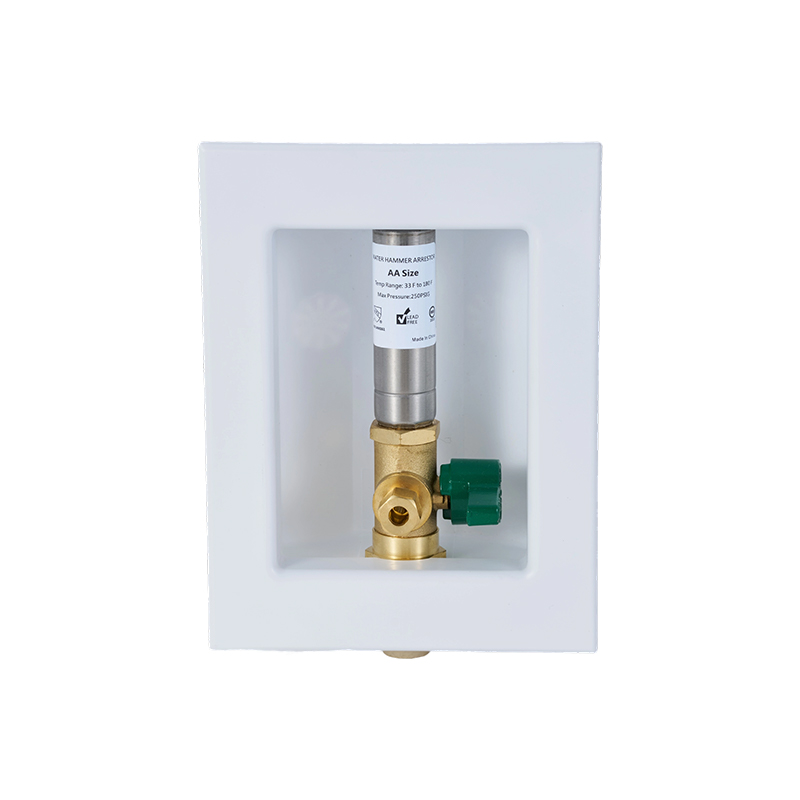
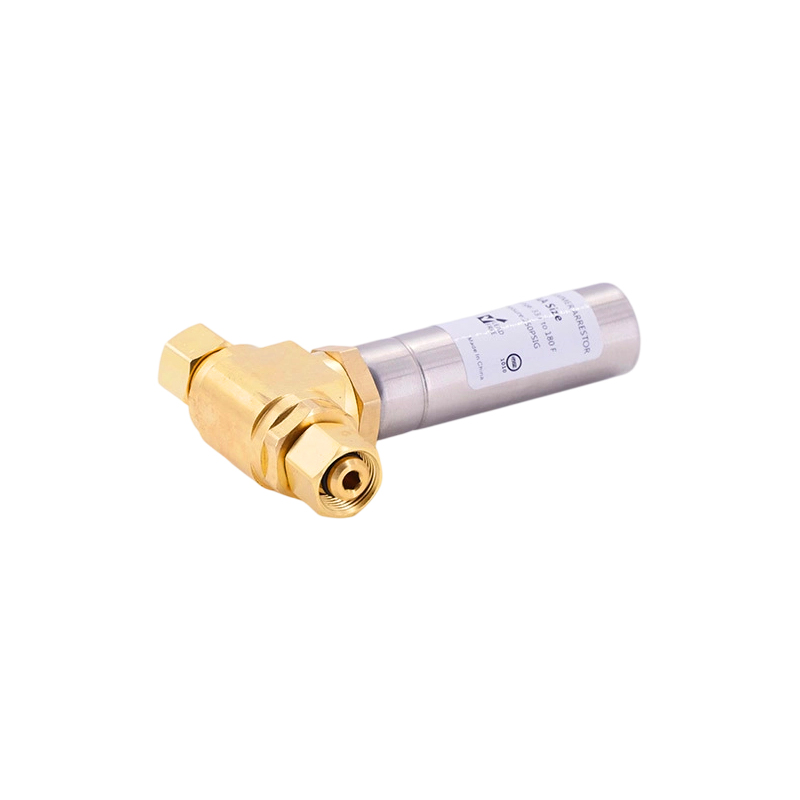
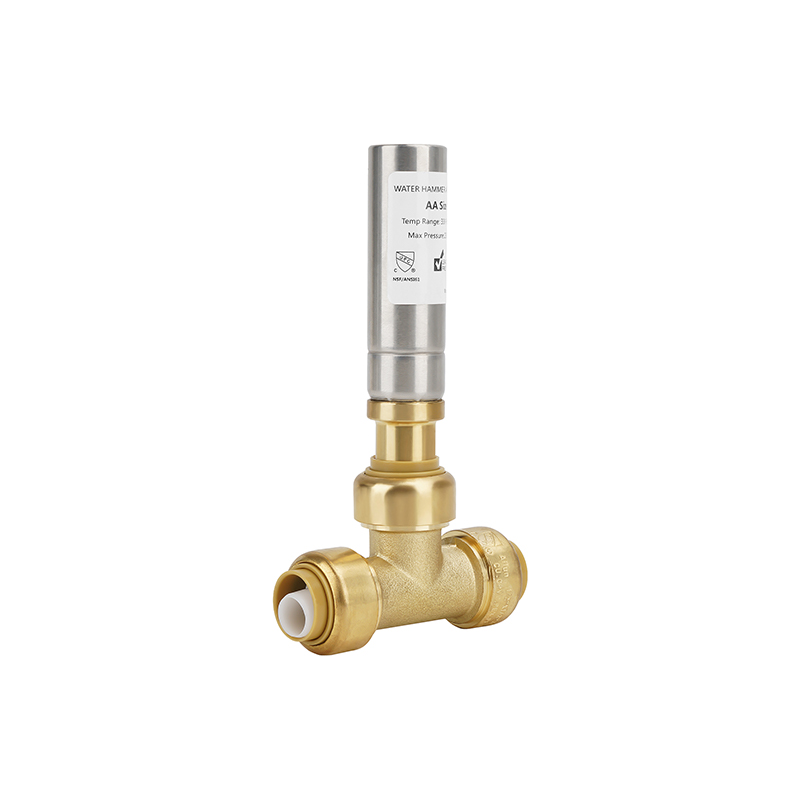
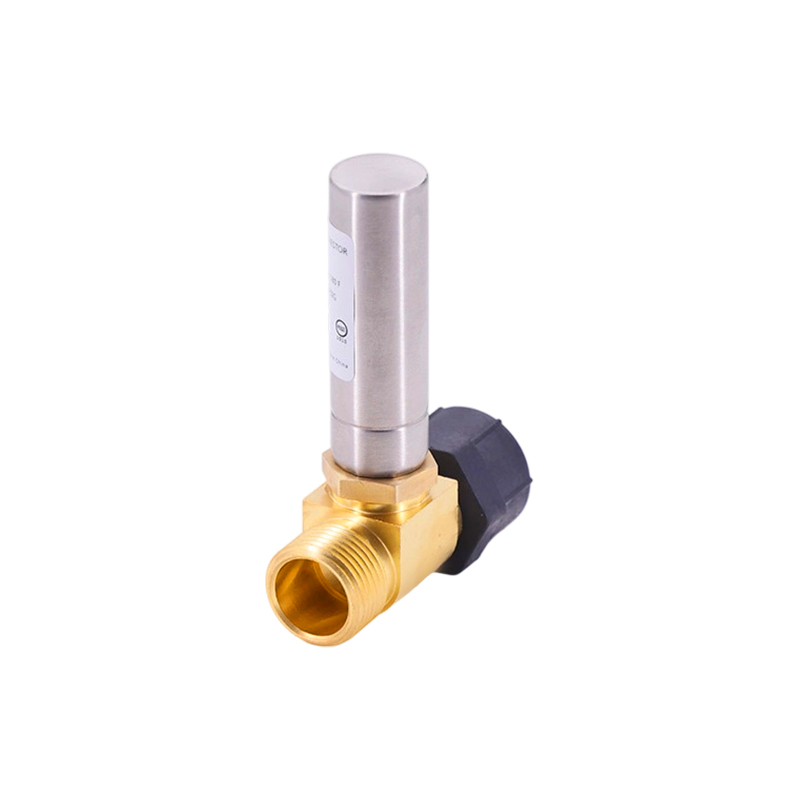
A Commercial Water Hammer Absorber can serve as a standardized purchasing option across several projects, provided its performance ratings, connection configuration, sizing, and compliance documentation meet each project's requirements. Standardization can simplify procurement, but a single specification should not replace an engineering review of individual plumbing systems.
1. Establish a Common Technical Baseline
Developing a shared specification gives purchasing teams a consistent starting point for comparing products and reviewing supplier quotations. The specification should define the essential performance and installation requirements before individual projects are evaluated.
- Performance standard: Identify the applicable water hammer arrester standard, such as ASSE 1010, where required by the governing code.
- Pressure rating: Document the expected system pressure and the product's rated operating conditions.
- Temperature range: Confirm suitability for the intended hot and cold water applications.
- Connection details: Specify nominal pipe size, thread type, and compatible connection systems.
- Documentation: Define the required product data sheets, installation instructions, and compliance evidence.
ASSE 1010 addresses the performance requirements of water hammer arresters with a permanently sealed gas cushion isolated from the water passage. The standard covers performance testing intended to reduce harmful pressure surges in water distribution systems. Project teams should confirm the applicable edition and any additional requirements specified by local authorities.
2. Identify Differences Between Building Types
A common specification works best when the purchasing team understands which project conditions may require a different model or configuration. The building's name alone does not determine the correct arrester size or installation method.
| Project type | Specification considerations |
| Apartment buildings | Repeated fixture layouts, branch piping, and unit-by-unit installation requirements. |
| Hotels | Guestroom plumbing, laundry equipment, and shared service areas. |
| Office buildings | Restroom fixtures, breakroom equipment, and varied branch line arrangements. |
| Healthcare facilities | Project-specific plumbing requirements, equipment connections, and documentation needs. |
| Commercial laundries | Washing machine connections, rapid-closing valves, and equipment-specific surge conditions. |
At Shuihengyihao, we encourage buyers to separate common requirements from project-dependent details. The common section can cover applicable standards, documentation, and general performance criteria. Individual schedules can then specify the required model, size, connection type, and installation location.
3. Verify Sizing Rather Than Assuming One Model Fits All
Arrester sizing should reflect the plumbing system and the connected equipment. Pipe diameter alone does not provide enough information to determine the appropriate device. Fixture demand, pipe length, flow conditions, and the applicable sizing method may also affect the specification.
- Review the plumbing drawings and identify the fixtures or equipment requiring surge protection.
- Apply the sizing method required by the applicable code or engineering specification.
- Confirm that the proposed model is rated for the expected pressure and temperature conditions.
- Check whether different branches or equipment groups require different arrester sizes.
For example, two office buildings may use similar fixtures but have different branch layouts and pipe lengths. Their specifications may share the same performance standard while requiring different arrester sizes. Maintaining this distinction helps prevent an overly broad purchasing specification from being applied without adequate technical review.
4. Standardize Supplier Evaluation and Documentation
Procurement teams can simplify multi-project purchasing by using a common supplier evaluation process. Consistent documentation makes it easier to compare quotations and review proposed substitutions before materials are approved.
- Product identification: Record the model number, nominal size, materials, and connection configuration.
- Performance evidence: Request documentation supporting the stated ratings and applicable standard.
- Installation information: Review mounting requirements, clearance needs, and connection instructions.
- Substitution review: Compare alternative products against the approved specification before acceptance.
- Delivery inspection: Check model markings, quantities, visible condition, and accompanying documents against the purchase order.
Our approach at Shuihengyihao is to encourage buyers to evaluate technical equivalence rather than compare product names alone. A substitute with a similar appearance or nominal connection size may still differ in performance ratings, installation requirements, or compliance status.
5. Build Flexibility Into the Project Specification
A reusable specification should establish clear requirements without preventing necessary engineering adjustments. We recommend dividing the document into two parts: common requirements for all projects and a project-specific schedule for technical variables.
The common requirements can define the applicable standard, documentation package, material expectations, and supplier review process. The project schedule can identify model sizes, connection types, operating conditions, and installation locations. Any deviation should be documented and approved by the responsible project team.
This structure supports repeat purchasing across building developments while preserving the technical review needed for different plumbing configurations. It also gives distributors a clearer basis for planning inventory without assuming that every project uses an identical model.
One water hammer absorber specification can cover multiple building projects as a common purchasing framework, but it should not automatically prescribe the same model and size for every application. The practical approach is to standardize performance criteria, compliance documentation, and supplier evaluation while verifying sizing, pressure conditions, connections, and installation requirements for each project.
At Shuihengyihao, we recommend reviewing the approved plumbing drawings and applicable code requirements before finalizing a multi-project purchasing schedule. This approach helps contractors, distributors, and procurement teams maintain consistency without overlooking the technical differences that matter to safe and reliable water distribution systems.