

 English
 Español
 Français

Water hammer does not always create the same pressure event. A washing machine valve, solenoid valve, faucet, or other quick-closing device can generate different shock patterns depending on flow velocity, pipe size, water pressure, and the speed of valve closure. Such variation raises an important product question: can one arrestor for water hammer manage several types of pressure shocks within the same plumbing system?
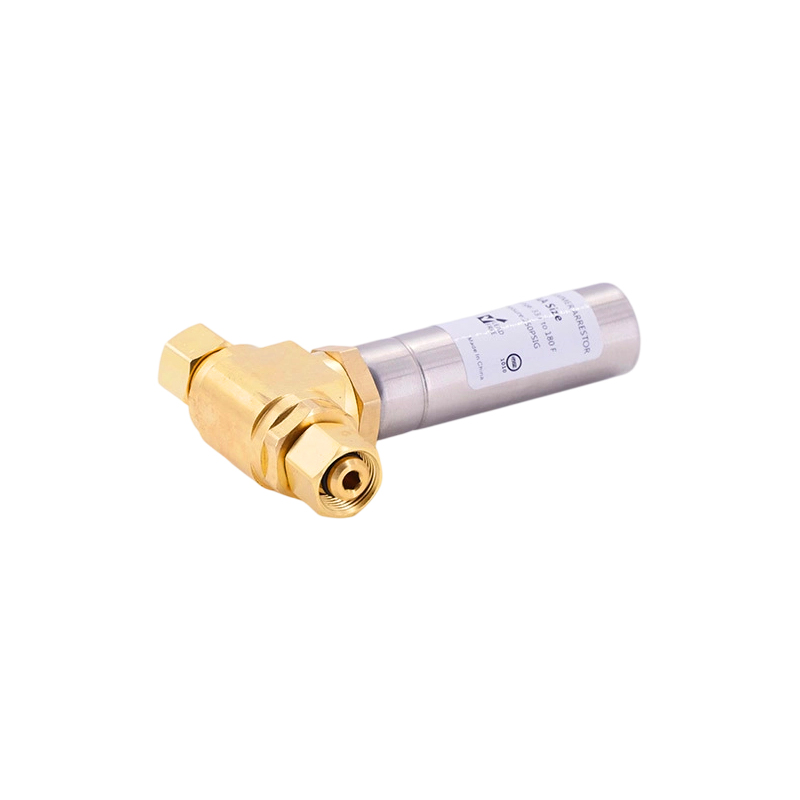
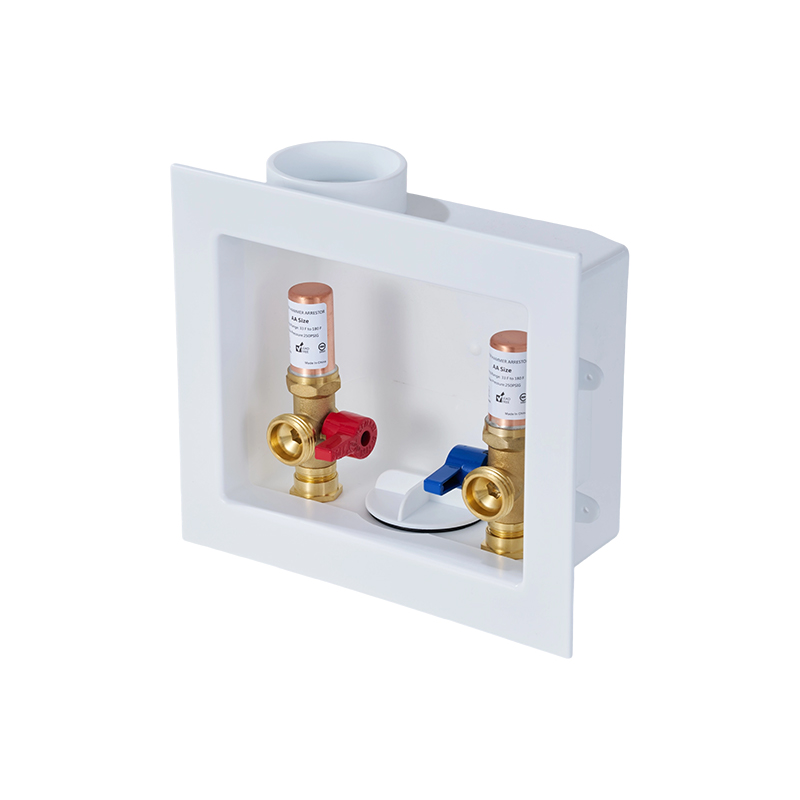
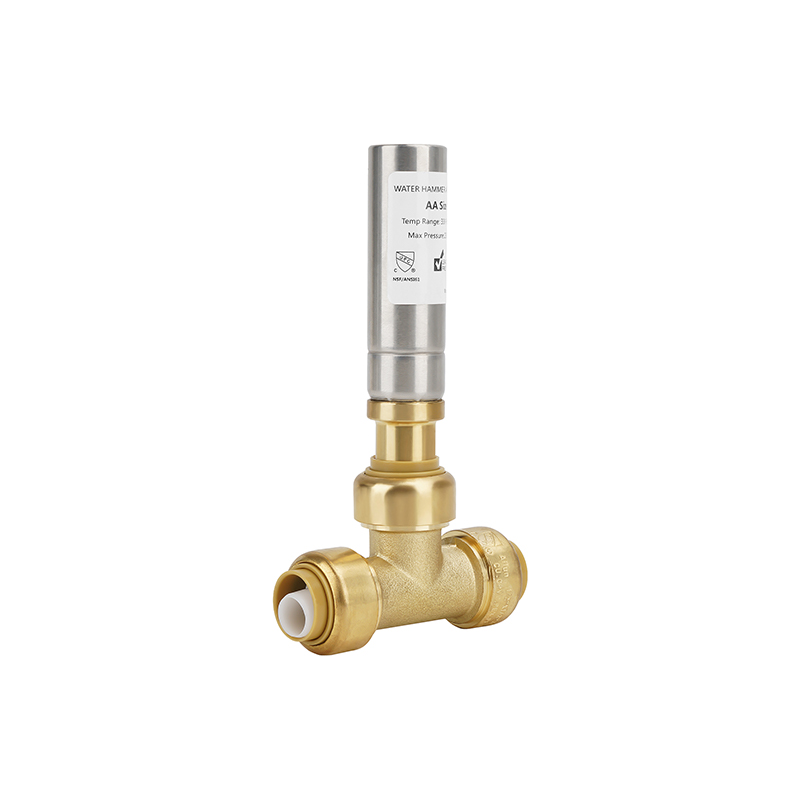
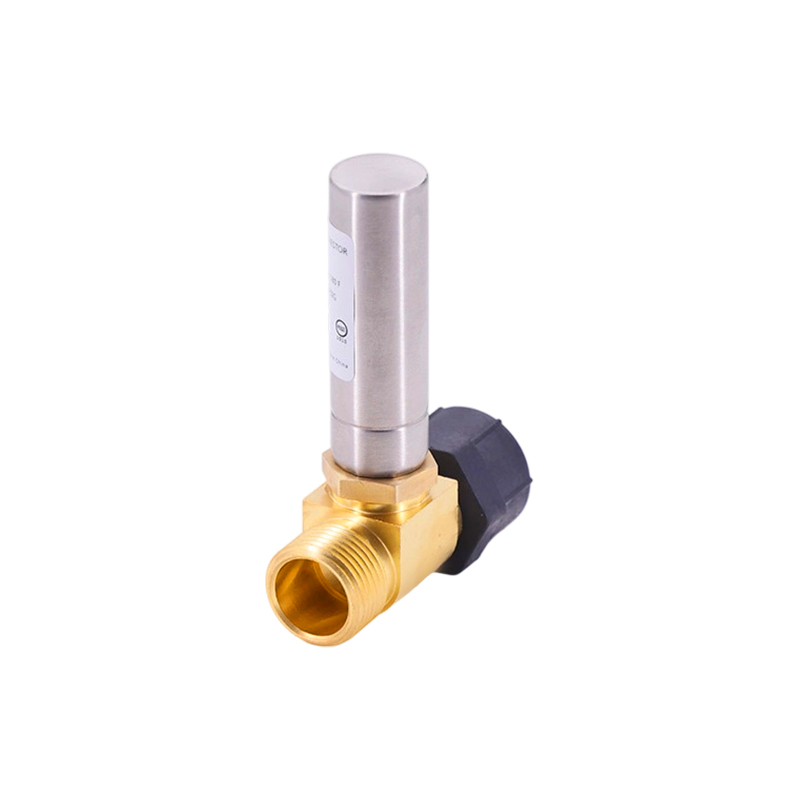
The answer depends on the arrester design, fixture-unit rating, installation position, and operating conditions. Modern water hammer arresters generally use a sealed gas cushion separated from the water passage. This design allows the device to absorb part of the pressure surge rather than allowing the shock to travel through the piping system. ASSE 1010 covers performance requirements for this type of water hammer arrester.
Shock Patterns Depend on More Than Water Pressure
Pressure level is only one part of the hydraulic event. The characteristics of the connected fixture and pipe network can change the intensity and duration of the pressure wave.
- Valve closure speed: Rapid solenoid or quarter-turn valve closure can produce a sharper pressure spike than gradual flow interruption.
- Flow velocity: Higher water velocity means greater kinetic energy within the moving water column.
- Pipe dimensions: Larger pipe diameter and longer pipe runs can change the volume of moving water that participates in the pressure event.
- Fixture location: Distance between the valve and arrestor affects how effectively the pressure surge reaches the device.
These variables explain why two fixtures connected to the same water supply may produce noticeably different hydraulic behavior. Sizing guidance can also account for pipe length, nominal diameter, pressure, and velocity rather than relying on pressure alone.
Where One Arrestor May Cover Multiple Fixtures
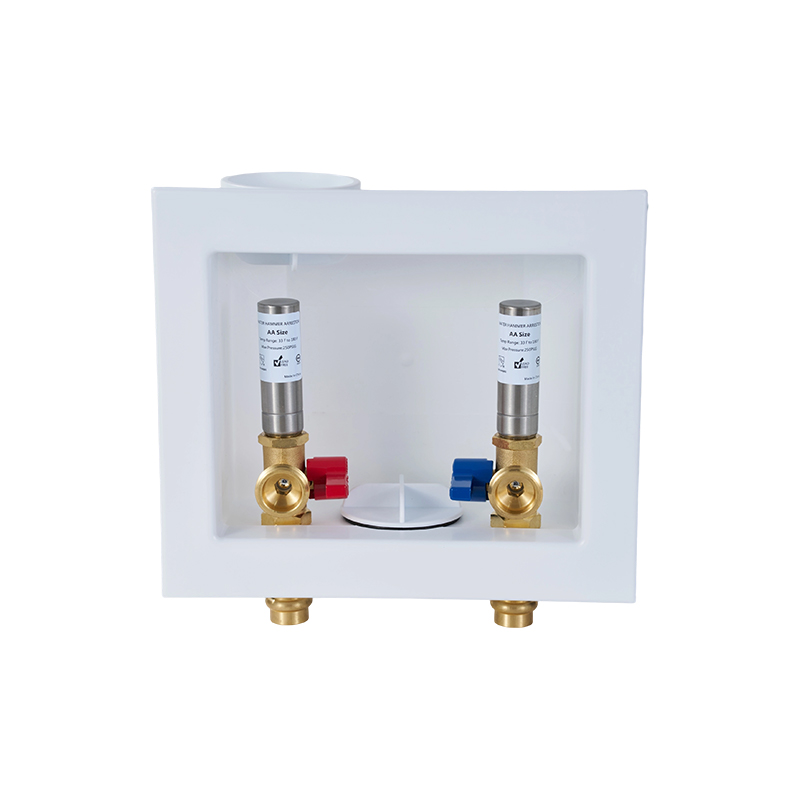
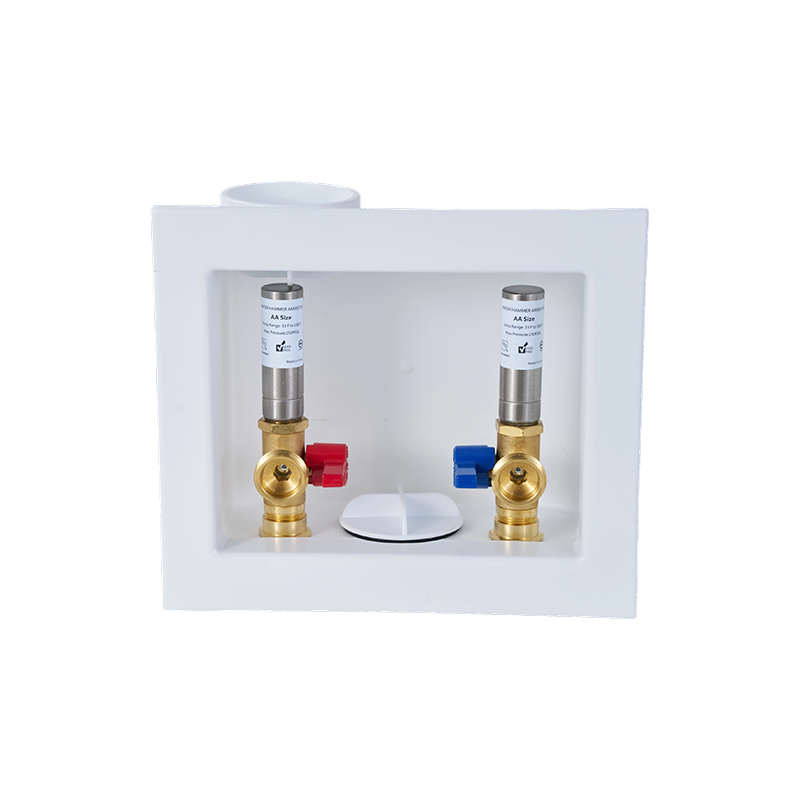
One arrestor for water hammer can sometimes serve several nearby fixtures, provided the combined demand and fixture-unit requirements remain within the rated capacity. Product ranges commonly divide arresters into different sizes according to fixture units. Available configurations may cover ranges such as 1–11, 12–32, 33–60, and higher fixture-unit loads.
This capacity-based approach gives plumbing designers more flexibility. A properly rated unit can handle pressure disturbances from several fixtures connected to the same branch without requiring a separate device at every connection.
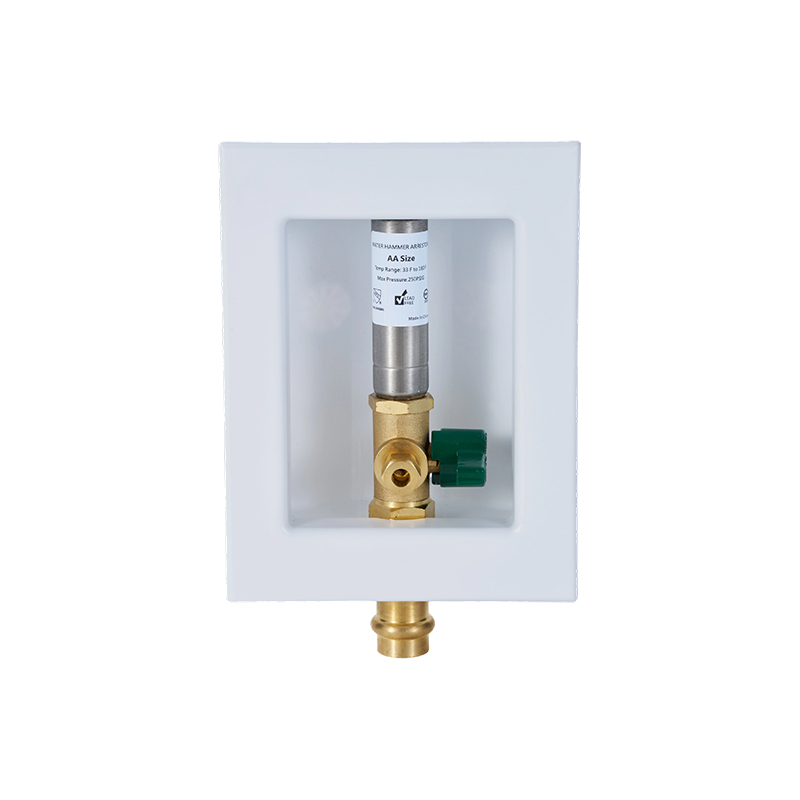
Distance still matters. Some product specifications recommend positioning the arrestor close to the fixture being protected, with certain models specified for installation within approximately 6 feet of the fixture.
Shared Protection Requires Careful Layout
- Short branch connections: A shared arrester can be practical where several quick-closing valves are grouped within a compact plumbing zone.
- Separated fixtures: Widely distributed fixtures may require multiple arresters because the pressure waves originate at different locations.
- Mixed valve types: Solenoid valves and manually operated valves may create different shock characteristics.
- High fixture-unit demand: Larger systems may require higher-capacity arresters or multiple units.
Technical Details That Define the Working Range
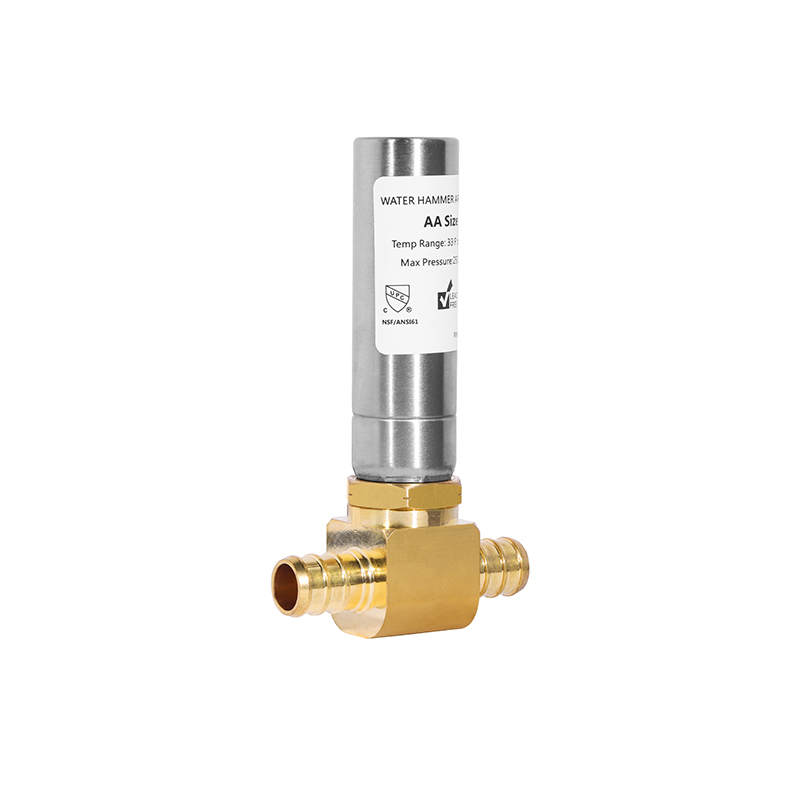
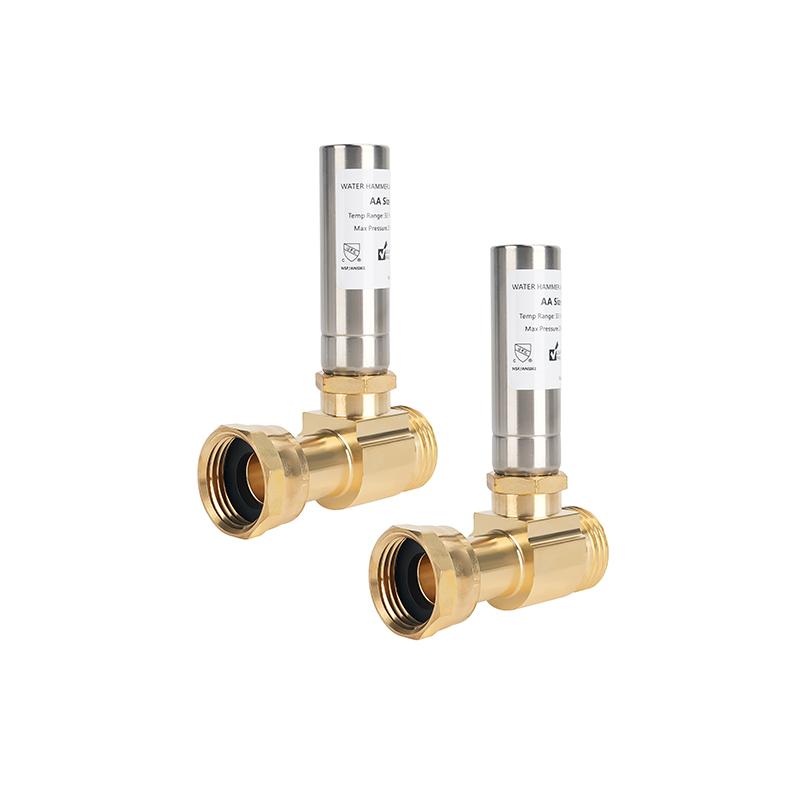
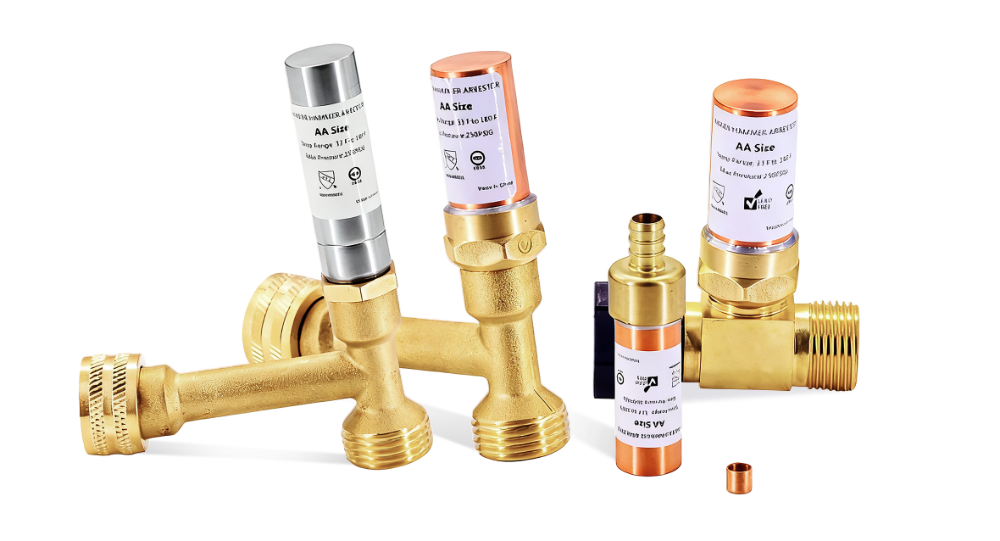
Product specifications provide useful clues about how an arrestor for water hammer can handle varying conditions. Commercially available units may use piston-type mechanisms, bellows, or other sealed gas-cushion structures. Connection sizes can range from compact 1/2-inch configurations to larger 1-inch connections and beyond.
Working pressure also varies between products. Some compact models are rated around 350 psi, while temperature ranges can extend from approximately 33°F to 180°F. ASSE 1010 certification provides a performance benchmark for applicable water hammer arresters.
Fixture-unit capacity remains another important specification. A small arrester designed for a limited number of fixture units should not automatically be treated as suitable for a larger branch simply because the static water pressure falls within its rated range.
Can One Design Handle Every Shock?
One universal arrestor for water hammer should not be expected to handle every pressure event. A device designed around a specific capacity range performs within the conditions established by its manufacturer and applicable standards.
The practical approach is to match the arrester to the hydraulic characteristics of the branch. Pipe diameter, pipe length, fixture units, pressure, flow velocity, valve type, and distance from the shock source all deserve attention. Installation guidance commonly emphasizes placing the device close to the source of the pressure disturbance.
Product Design Matters as Much as Capacity
Different shock patterns also highlight the value of construction details. A sealed gas cushion, durable piston or bellows assembly, suitable connection type, and compatible temperature and pressure rating can influence how the product responds to repeated pressure fluctuations.
For plumbing projects involving several quick-closing fixtures, the key question is therefore not simply whether one arrestor can absorb water hammer. The more useful question is whether its capacity, response characteristics, installation position, and pressure rating match the complete branch configuration.
Such an approach allows an arrestor for water hammer to address varied shock conditions without treating every plumbing layout as identical. Product specifications and applicable plumbing requirements should always be checked before final sizing and installation.