

 English
 Español
 Français

Modern laundry plumbing is becoming more compact, adaptable, and easier to integrate into finished walls. The traditional washing machine connection often placed hot and cold valves, supply pipes, and the drain connection in a relatively fixed arrangement. Today's washing machine water valve box can offer several layout options that respond to wall depth, pipe direction, appliance position, and installation requirements.
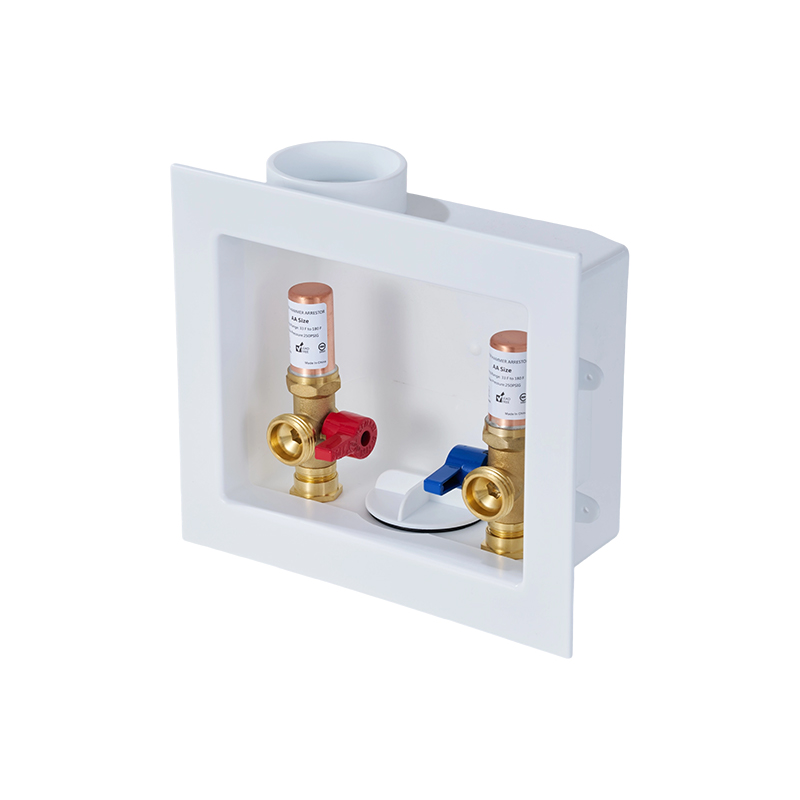
This change is not simply about appearance. Valve position, drain configuration, connection type, and available wall space can affect how easily a washing machine can be connected and serviced. Product designs now commonly combine the supply valves and drain connection within a recessed enclosure, creating a defined connection point behind the appliance.
Wall Space Is Changing the Box Layout
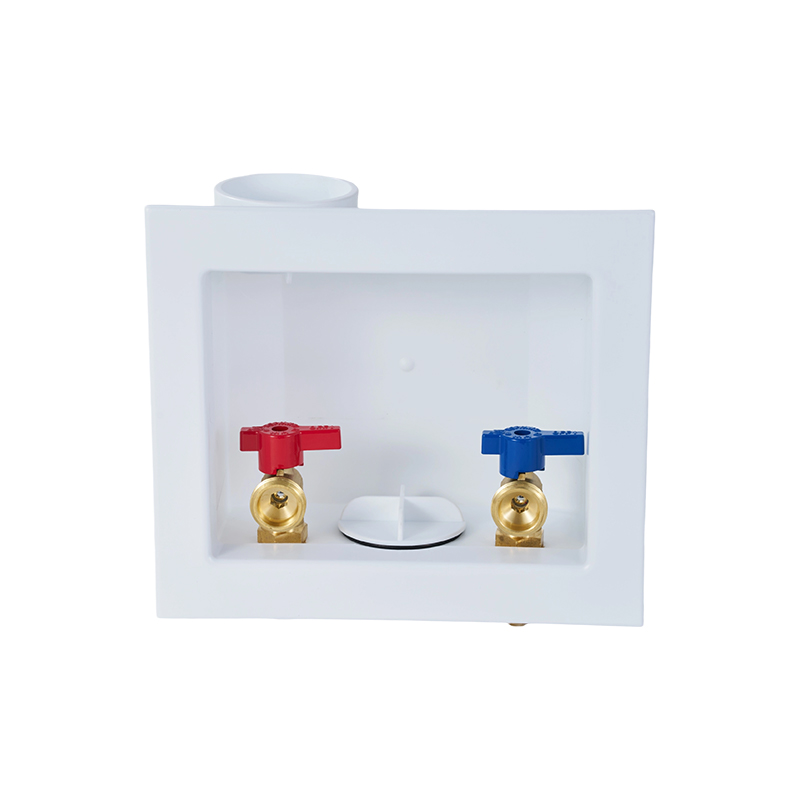
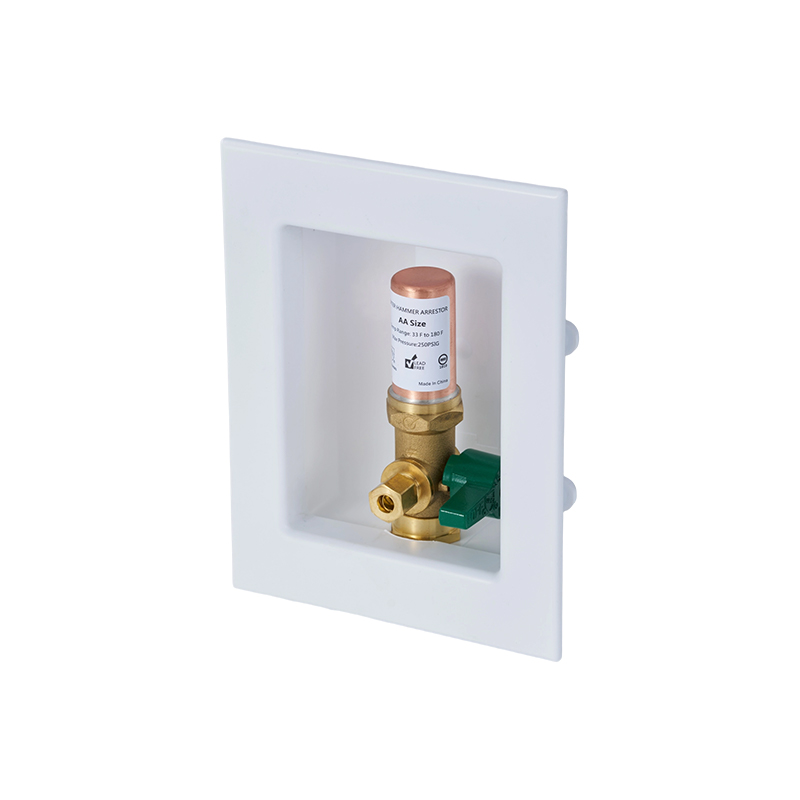
Laundry rooms often have limited space behind the washer. A recessed washing machine water valve box keeps much of the plumbing connection inside the wall cavity instead of extending outward behind the appliance.
- Recessed construction: The box places valves and connections closer to the wall surface while leaving more usable clearance around the appliance.
- Compact dimensions: Some products use boxes around 3 inches deep, allowing installation within common wall cavities.
- Adjustable mounting: Certain designs can attach directly to studs or use brackets to accommodate different framing arrangements.
- Finished faceplates: Snap-on or recessed covers create a cleaner transition between the plumbing assembly and drywall.
Valve Orientation Is No Longer Fixed
Hot and cold water valves need to remain accessible, yet their position can vary according to the wall structure and supply route. Some modern boxes allow valves to be installed upright or inverted, giving installers greater flexibility during rough-in work.
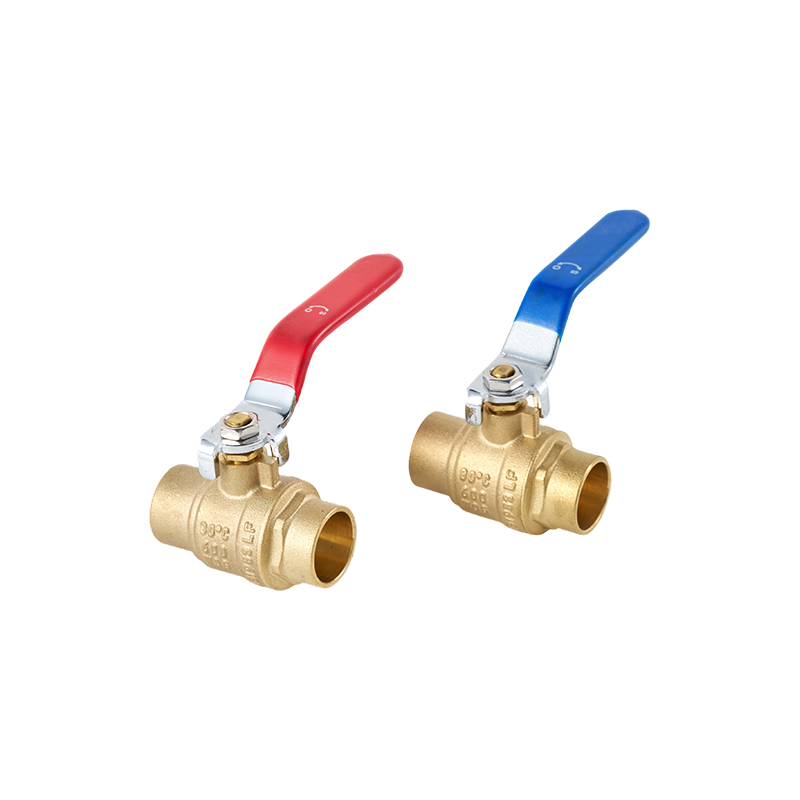
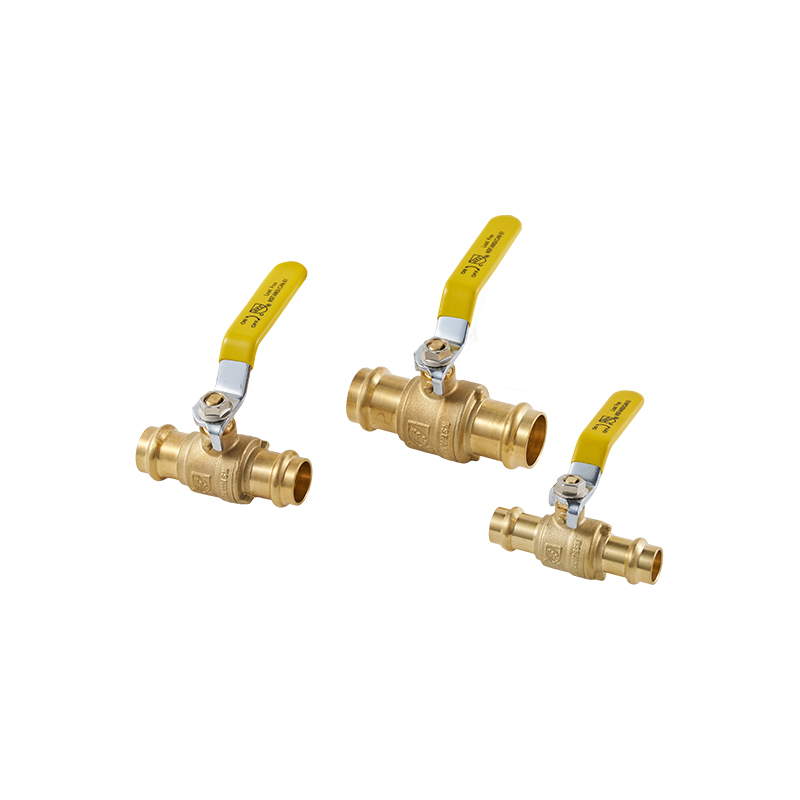
Quarter-turn valves are also becoming common in washing machine outlet box designs. Their short operating movement provides a convenient shutoff point behind the appliance, which can be useful during hose replacement or emergency water isolation.
Layout Flexibility Matters During Rough-In
- Top-fed supply: Useful where water lines approach the laundry box from above.
- Bottom-fed supply: Suitable for plumbing routes arriving through the lower wall or floor area.
- Left, center, or right drainage: Certain box designs support different drain positions to accommodate the existing plumbing layout.
- Rotatable configurations: Some outlet boxes can change the outlet orientation by rotating the box, providing another option for restricted installation spaces.
Pipe Material Is Also Driving Product Variations
Not every laundry installation uses the same water supply material. PEX, copper, CPVC, and other plumbing systems require different connection methods, so a single fixed valve-box configuration cannot cover every rough-in condition.
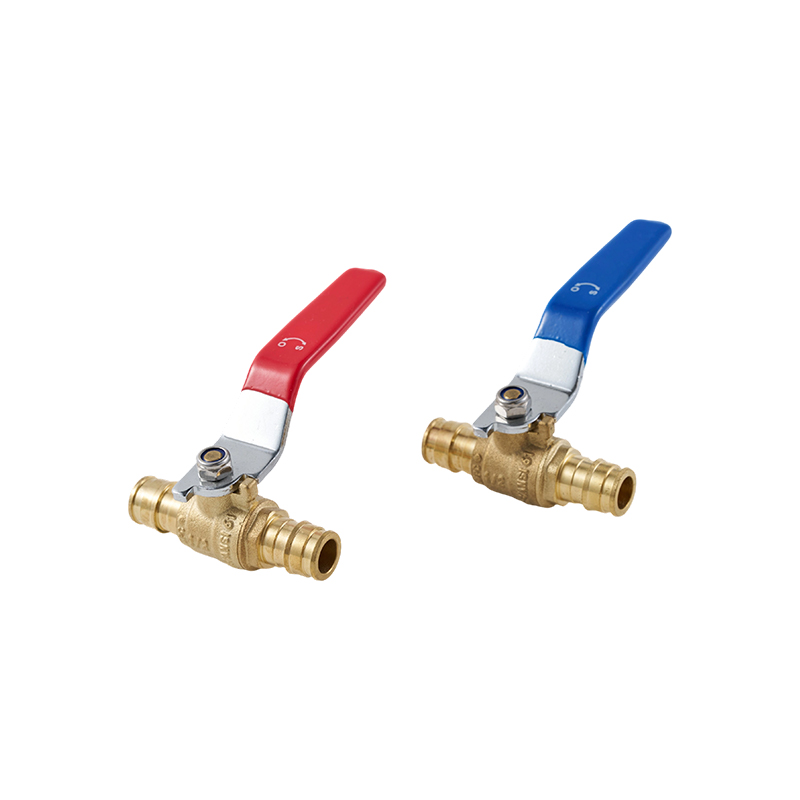
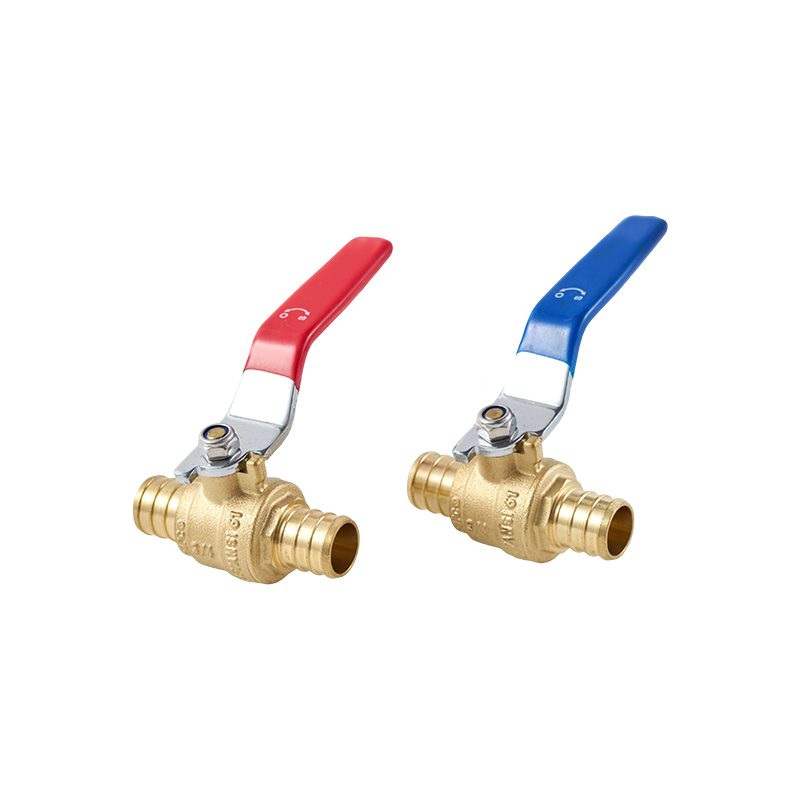
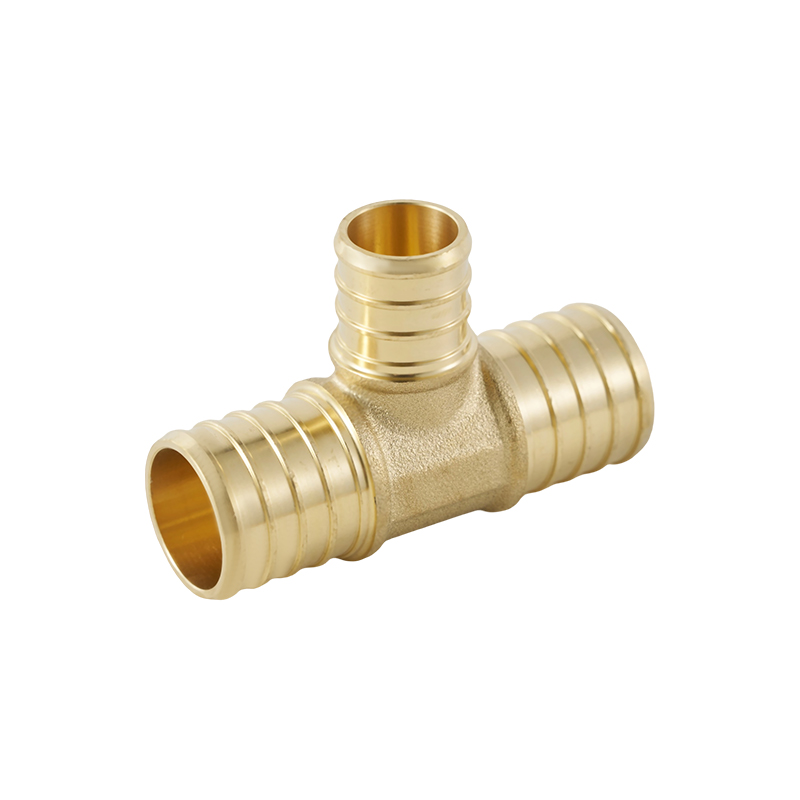
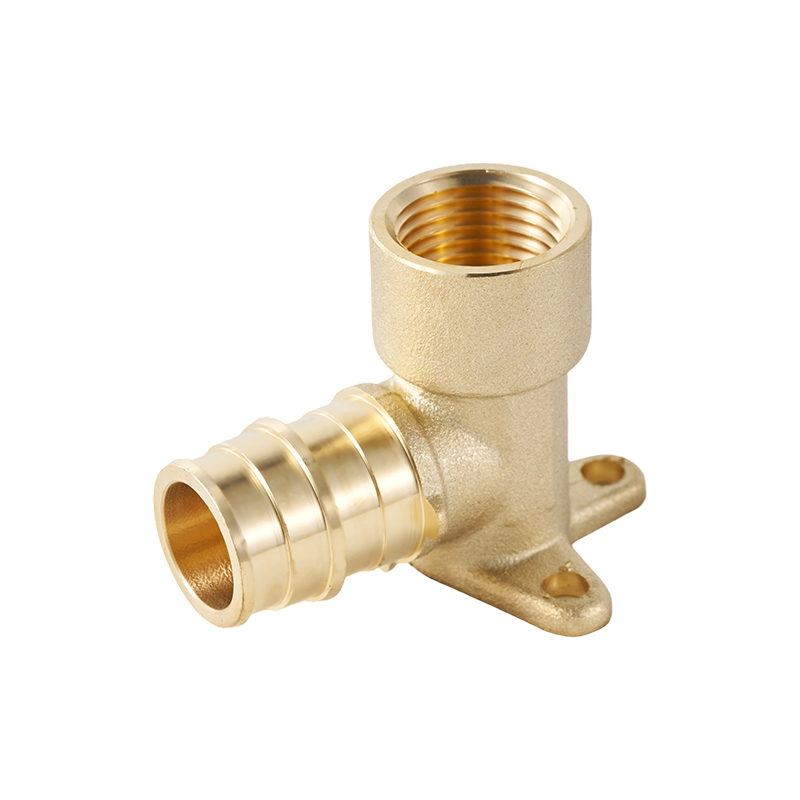
Current washing machine box products can be supplied with different tailpieces or connection systems. Available configurations include PEX-A expansion, PEX crimp, copper sweat or press connections, and CPVC connections.
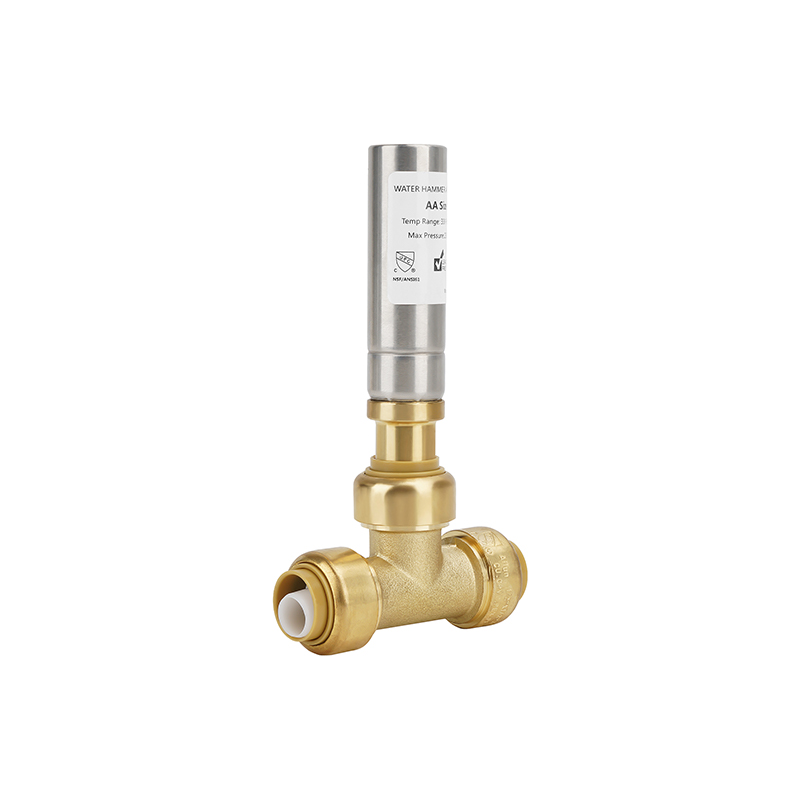
Push-to-connect versions add another installation option. Such products can accept compatible PEX, copper, CPVC, and PE-RT piping without requiring soldering or traditional threaded joining methods.
Could Water Hammer Protection Become Part of the Layout?
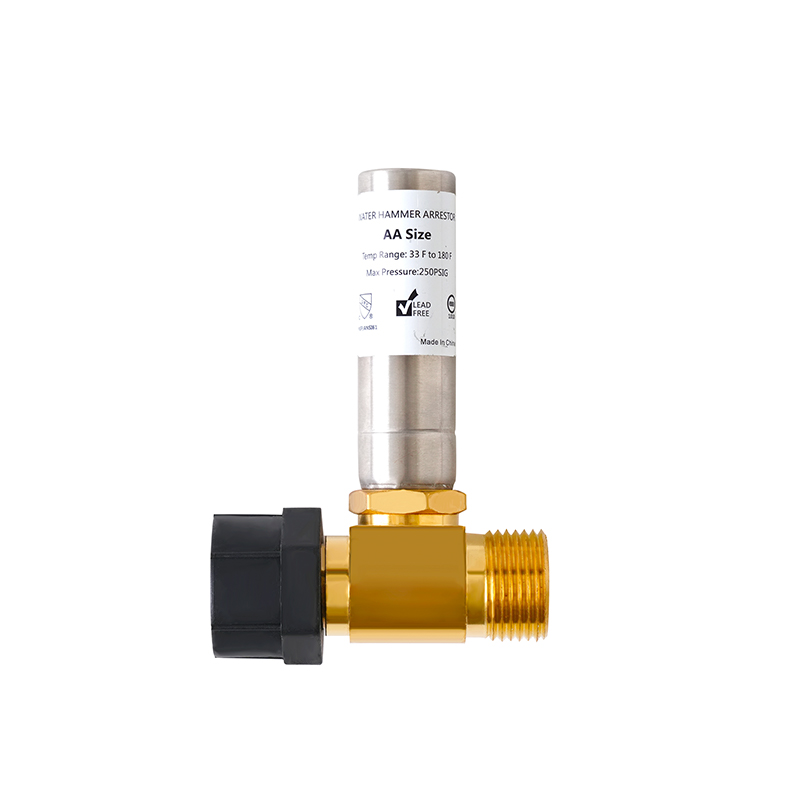
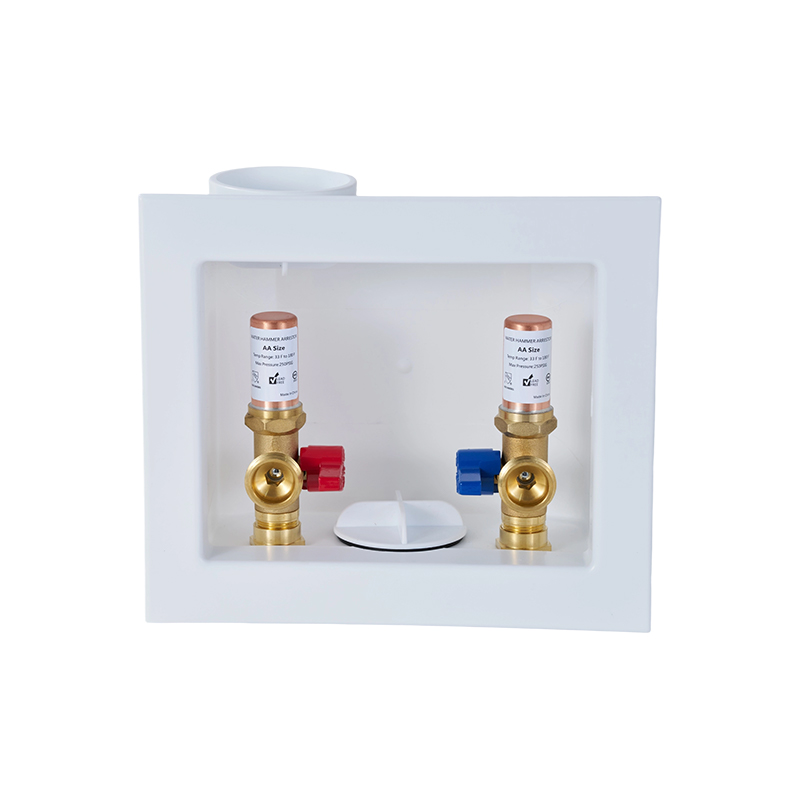
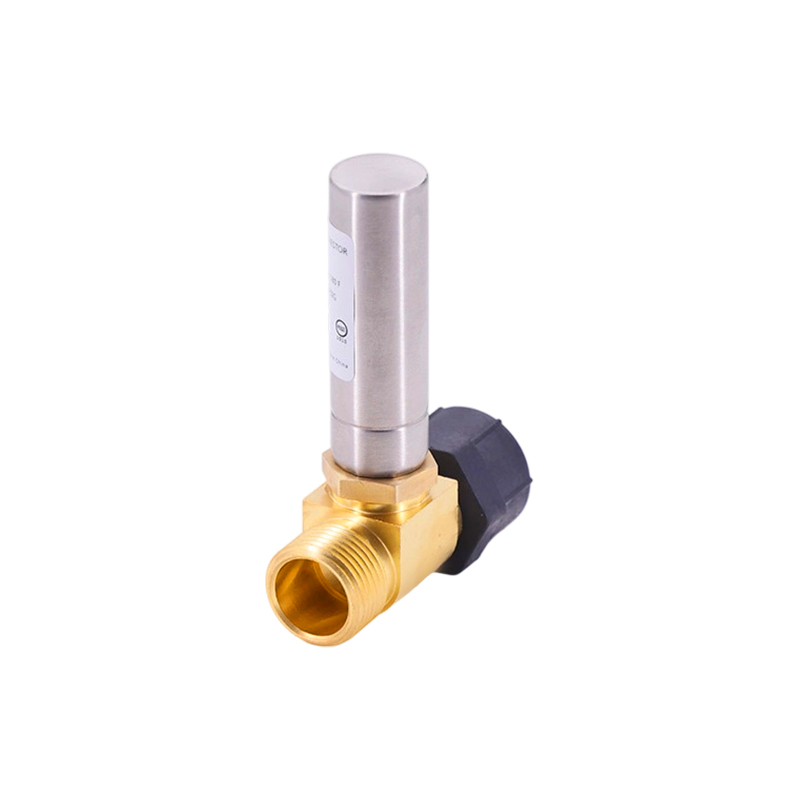
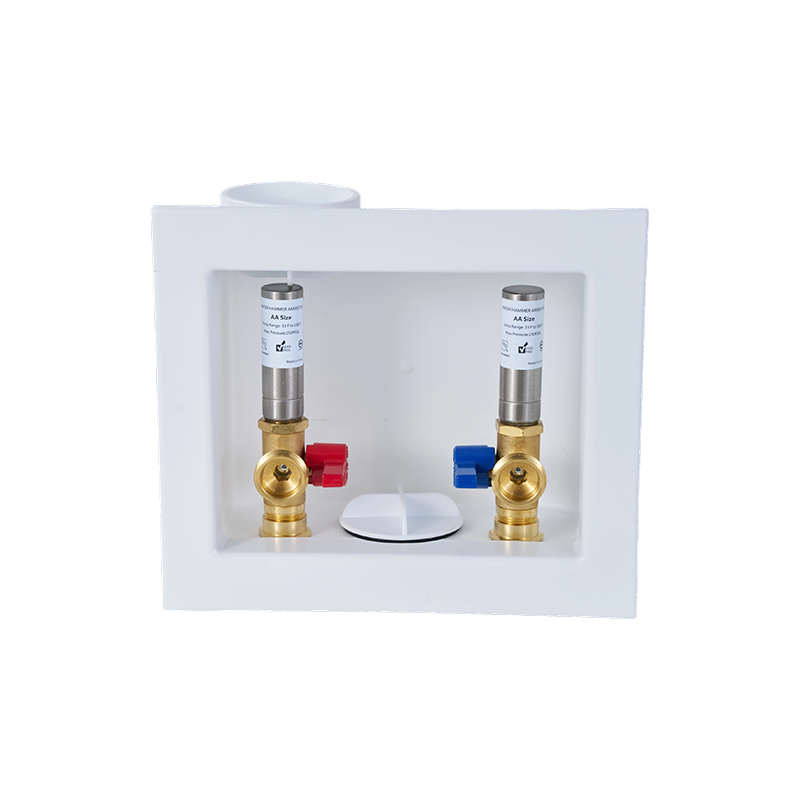
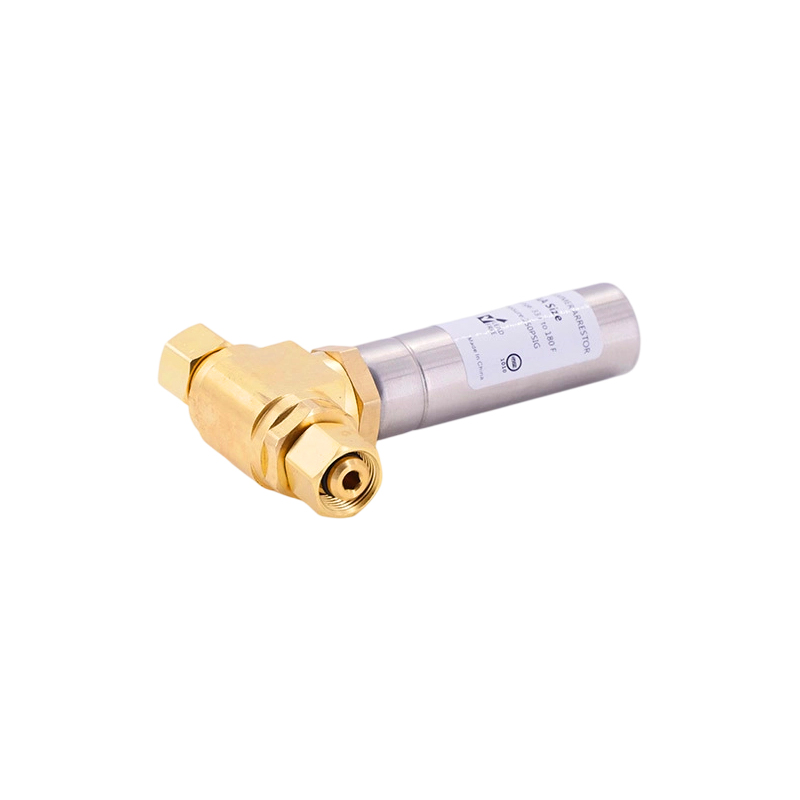
Another change involves the relationship between the valve box and water hammer protection. Washing machines can use rapidly closing valves, creating pressure shocks and pipe movement. Rather than installing a separate arrestor elsewhere in the branch, some outlet box designs integrate the arrestor directly with the supply valves.
Such an arrangement places the shock-absorbing component close to the source of the pressure disturbance. Integrated models are available with hot and cold valves, 3/4-inch hose connections, and water hammer arrestors within the same compact assembly.
Product specifications can also include ASSE 1010 certification for applicable arrestors. Some commercial-style outlet box specifications list working pressure up to 150 PSIG and maximum working temperatures around 200°F, demonstrating how technical ratings can become part of the product specification rather than an afterthought.
Drain Design Is Becoming More Adaptable
The drain connection represents another area where layout flexibility matters. A typical washing machine outlet box can include a 2-inch drain socket or hub, while additional knockouts may accommodate auxiliary drainage requirements.
Some products support center-drain arrangements, while other designs allow left or right drain positioning. This flexibility can simplify coordination between the laundry box, standpipe, framing, and existing plumbing route.
What Does the New Layout Mean for Product Buyers?
A modern washing machine water valve box is no longer simply a recessed container holding two shutoff valves. Its layout can combine supply connections, drainage, mounting hardware, hose outlets, and water hammer protection into a single plumbing assembly.
- Check wall depth before choosing the box configuration.
- Match the connection type with the existing PEX, copper, CPVC, or compatible piping system.
- Review drain positioning against the planned standpipe location.
- Consider integrated arrestors where rapid-closing washer valves may create noticeable pipe shock.
- Verify pressure and temperature ratings against the actual plumbing conditions.
Layout Is Becoming Part of Product Function
The evolution of the washing machine water valve box reflects a broader shift toward multifunctional plumbing components. Compact recessed construction, flexible valve orientation, multiple connection options, adaptable drainage, and integrated water hammer protection allow the box to respond to different laundry-room layouts.
Rather than treating the valve box as a simple connection point, contractors and buyers can evaluate it as a complete interface between the washing machine, wall structure, water supply, and drainage system. That perspective makes layout flexibility an important product specification alongside connection size and valve type.