

 English
 Español
 Français


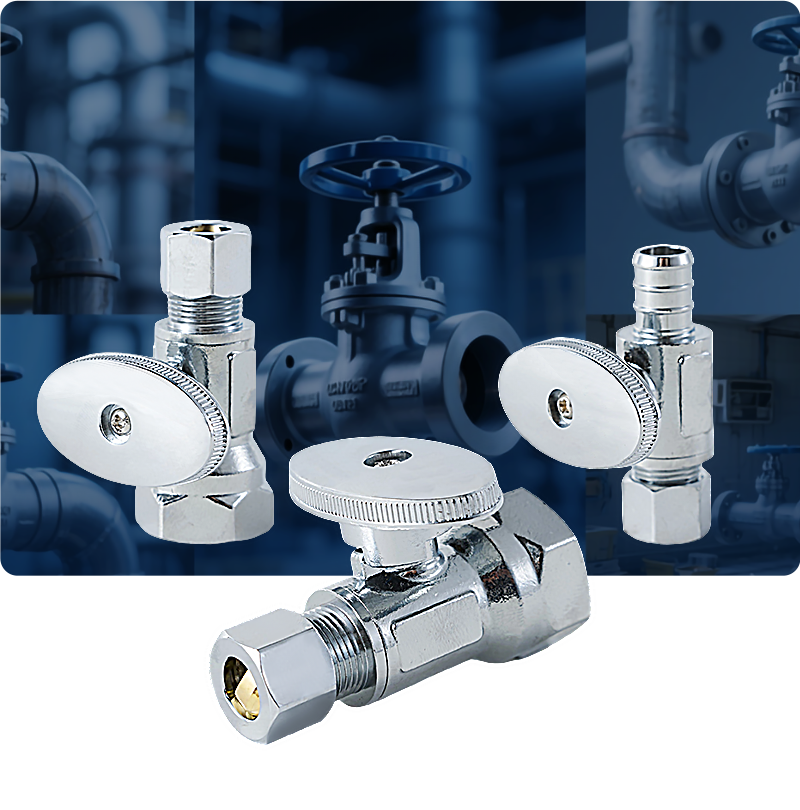
Angle valves may appear to be simple plumbing components, but their certification status can influence supplier approval, project acceptance, and access to different markets. Buyers sourcing valves for residential construction, commercial developments, or plumbing distribution need to consider more than connection dimensions and unit prices. At Shuihengyihao, we recommend confirming the destination market's requirements before finalizing product specifications or placing a purchase order.
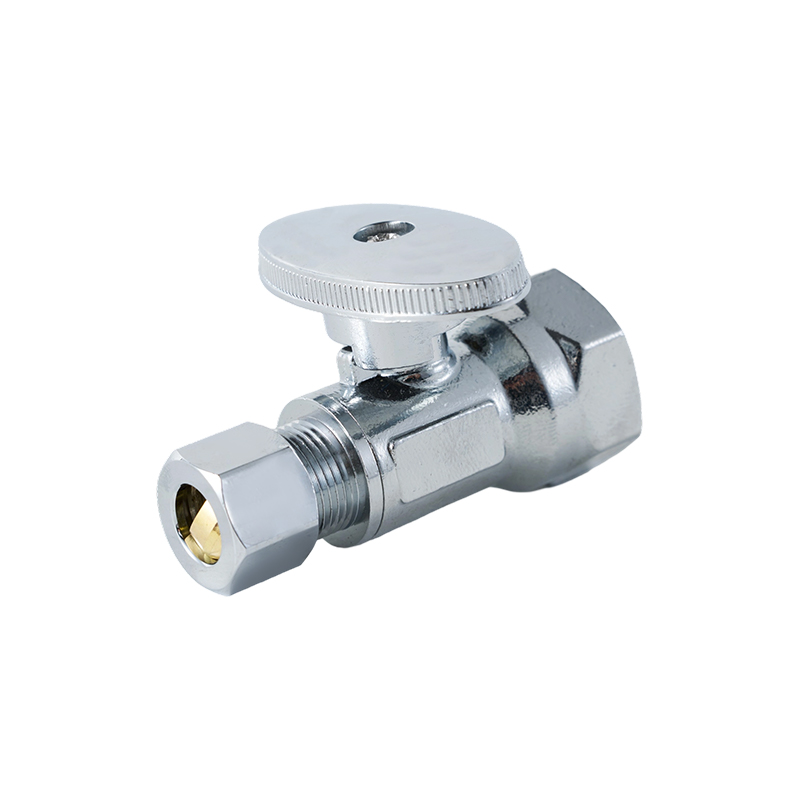
A Brass Expansion Angle Stop Valve must match the intended piping system and satisfy applicable material, performance, and drinking-water requirements. Understanding the relevant certifications helps procurement teams evaluate supplier documents, compare quotations, and reduce the risk of receiving products that cannot be approved for their intended application.
1. Identify the Standards Required in the Destination Market
Certification requirements vary by country, region, project specification, and product application. A certificate accepted for one market does not automatically satisfy every other market's requirements.
- United States and Canada: Check whether the project requires NSF/ANSI/CAN 61, NSF/ANSI/CAN 372, ASME A112.18.1/CSA B125.1, or other applicable approvals.
- Plumbing code compliance: Confirm the locally adopted code and whether a recognized third-party listing is required.
- Project specifications: Review the consultant's submittal requirements and any additional approval conditions.
- Installation system: Verify that the valve is approved for the specified pipe material, connection method, and intended service.
At Shuihengyihao, we encourage buyers to prepare a compliance checklist before requesting quotations. This gives suppliers a clear understanding of the required documentation and helps purchasing teams compare products against consistent criteria.
2. Understand Drinking-Water and Lead-Content Requirements
Brass valves used in potable water systems require careful evaluation of the materials that contact the water. Two standards commonly encountered in North American plumbing procurement address different aspects of this issue.
- NSF/ANSI/CAN 61: Evaluates the health effects of materials and components that contact drinking water, including the potential release of contaminants.
- NSF/ANSI/CAN 372: Addresses lead content in drinking-water system components and their compliance with applicable lead-content criteria.
These standards are not interchangeable. A buyer should verify which requirements apply to the specific valve and destination market rather than assuming that a general lead-free statement covers every certification obligation.
NSF/ANSI/CAN 61 also includes requirements for mechanical plumbing devices under Section 9. Its certification criteria address lead extraction from endpoint devices, including supply stops. Buyers should check the current certification listing and applicable requirements for the specific product category.
3. Verify the Exact Valve Model and Connection Design
Certification should be checked against the actual product being purchased. Two valves made from similar brass materials may differ in connection type, dimensions, internal components, or approved applications.
For expansion-style angle stop valves, procurement teams should verify:
- The approved model number and product description.
- Compatibility with the specified PEX expansion system.
- Inlet and outlet sizes, thread types, and connection configuration.
- Rated working pressure and temperature.
- The materials used in the body and water-contact components.
For example, an expansion connection intended for PEX-a should not automatically be treated as compatible with every PEX connection system. Buyers should check the manufacturer's technical instructions and approved application details before accepting a proposed substitute.
4. Check Certification Records Before Approving a Supplier
A certificate supplied by a manufacturer is useful, but procurement teams should also verify its scope and current status. A document may cover a particular product family without covering every model or configuration offered by the supplier.
| Verification item | What buyers should confirm |
| Certificate holder | Check the listed manufacturer or authorized certificate holder. |
| Model coverage | Match the purchased model and connection configuration to the listing. |
| Applicable standard | Confirm the exact standard and relevant product category. |
| Validity and status | Review the certification body's current online records. |
| Technical documentation | Compare product data sheets and installation instructions with the approved model. |
At Shuihengyihao, we recommend checking recognized certification directories wherever available. For North American projects, the NSF Certified Products and Systems listings provide a way to investigate the products and standards covered by a certification record.
5. Include Compliance Requirements in Purchase Orders
Certification checks should continue beyond the initial supplier evaluation. Purchase orders can specify the required standards, model numbers, supporting documents, and approval procedures for substitutions.
- Request the applicable certificates and technical data before order approval.
- Require advance review of changes to materials, design, or connection configurations.
- Match incoming product labels and model identifiers with approved documentation.
- Retain inspection records and certification references for project traceability.
These controls help prevent purchasing teams from accepting a visually similar valve that lacks the required approval or differs from the submitted specification.
Certification requirements influence angle valve sourcing by determining which products can be considered for a particular market, installation, or construction project. Buyers should establish the applicable standards, verify drinking-water and lead-content requirements, confirm the exact model coverage, and retain the relevant documentation throughout procurement.
At Shuihengyihao, we believe certification review should form part of the technical purchasing process rather than serve as a final paperwork check. By aligning supplier documentation with project specifications before ordering, buyers can make clearer sourcing decisions and reduce the risk of compliance-related delays during product approval and installation.