

 English
 Español
 Français


Ordering a brass ball valve sample is only part of the procurement process. The greater challenge is ensuring that repeat shipments maintain the same material composition, connection dimensions, sealing performance, and operating characteristics. At Shuihengyihao, we believe batch consistency should be verified through documented inspection procedures rather than visual comparisons alone. A valve that matches an approved sample may still require further checks before an entire production lot is accepted.
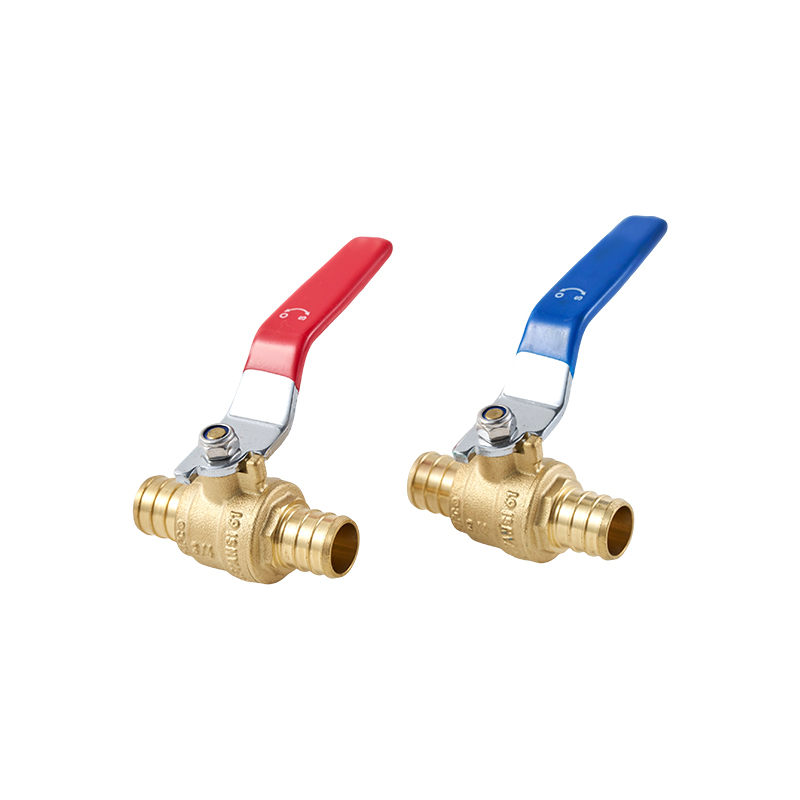
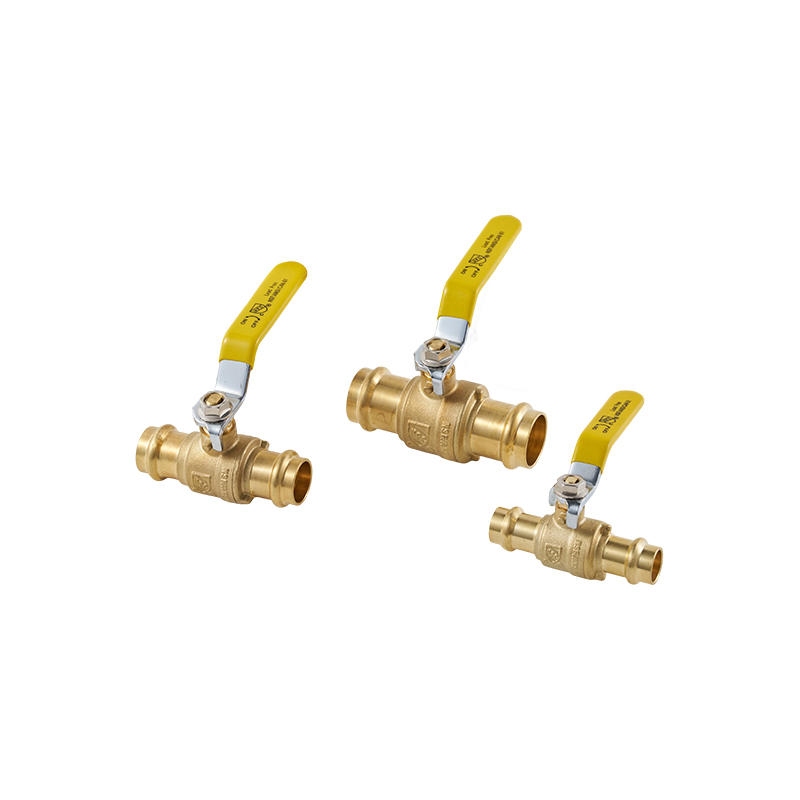
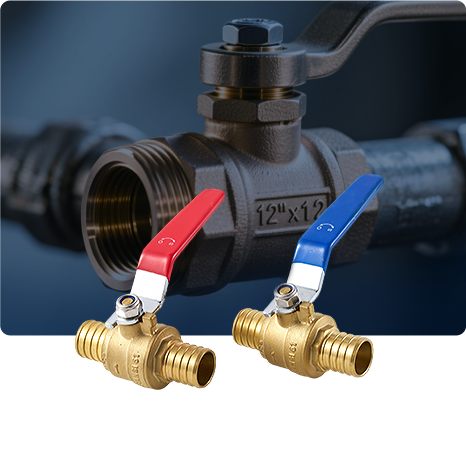
For buyers sourcing a PEX Expansion Brass Ball Valve, a clear quality agreement helps align the supplier's manufacturing process with the installation requirements of the intended plumbing system. The following checkpoints provide a practical framework for evaluating consistency across production batches.
1. Confirm Brass Material and Component Specifications
Material differences can affect machining, thread integrity, corrosion behavior, and the service performance of a valve. Buyers should establish the required brass grade and component materials before placing an order.
- Brass body: Verify the specified alloy and request material documentation or chemical composition reports where required.
- Ball and stem: Confirm the specified materials, dimensions, and surface treatment.
- Sealing components: Check seat and O-ring materials against the intended water temperature, pressure, and service conditions.
- PEX connection: Confirm that the expansion end is designed for the specified PEX tubing and compatible installation system.
We recommend recording approved material grades and component requirements in the purchase specification. A change in alloy, seal material, or connection design should undergo technical review before production continues under the revised specification.
2. Compare Critical Dimensions Across Batches
Dimensional consistency determines whether valves fit the intended plumbing assembly. Differences in thread geometry, connection diameter, body length, or expansion-end dimensions can complicate installation, even when the products look similar.
Our suggested inspection points include:
- Measure critical dimensions against the approved product drawing and stated tolerances.
- Use suitable thread gauges to verify threaded connections where applicable.
- Check the PEX expansion connection against the specified tubing and fitting system.
- Compare samples from different production lots to identify dimensional variation.
Inspection frequency should be defined by the agreed quality plan, risk level, and applicable requirements. Buyers should request recorded measurements for critical dimensions rather than relying solely on a supplier's general statement that products are inspected.
3. Review Pressure and Leakage Test Records
Pressure testing provides evidence that a valve meets the agreed testing criteria. The required test method, pressure, duration, and acceptance limits depend on the applicable product standard and approved specification.
- Body integrity: Verify that the valve body meets the specified shell-test requirements.
- Seat sealing: Review the test results for leakage through the closed valve.
- Test traceability: Check that records identify the relevant model, production lot, and test date.
- Acceptance criteria: Confirm that the recorded results meet the agreed standard and purchase requirements.
At Shuihengyihao, we recommend agreeing on testing coverage before order confirmation. A sample test report can help buyers understand the supplier's reporting format, but it should not be treated as evidence that a different production batch has passed inspection.
4. Track Production Lots and Inspection Results
Traceability connects finished valves to their manufacturing and inspection records. Without consistent lot identification, investigating a recurring defect or comparing repeat orders becomes more difficult.
Buyers should request a practical documentation system that includes:
- Production lot or batch identification on relevant packaging and records.
- Material verification documents linked to the applicable production lot.
- Dimensional and pressure-test inspection summaries.
- Records of approved design or material changes.
- Final inspection results and shipment identification.
These records create a reference for comparing initial orders with subsequent deliveries and help purchasing teams investigate discrepancies using documented evidence.
5. Establish Incoming Inspection and Acceptance Rules
Supplier quality controls and buyer-side inspection should work together. Before shipment, both parties should understand how the batch will be evaluated and what happens if a discrepancy appears.
| Inspection item | Recommended verification |
| Appearance | Check for cracks, damaged threads, visible defects, and inconsistent finishes. |
| Dimensions | Compare measured results with approved drawings and tolerances. |
| Function | Verify opening, closing, and handle operation. |
| Leakage | Review test records or conduct agreed incoming tests. |
| Documentation | Match lot identification and inspection records with the purchase order. |
Inspection sampling should follow an agreed plan rather than an arbitrary sample count. Critical safety or compliance requirements may call for specific testing coverage. Any rejected lot should be handled through documented corrective action and an agreed reinspection process.
Consistent brass ball valve procurement depends on measurable specifications, traceable production records, and clearly defined acceptance criteria. Material verification, dimensional checks, pressure testing, and lot-level documentation give buyers a practical basis for comparing deliveries and reviewing supplier performance.
At Shuihengyihao, we encourage procurement teams to establish these controls before production begins and retain the approved specification as the reference for repeat orders. This approach supports more predictable purchasing decisions and helps ensure that each delivered batch is evaluated against the same technical requirements.