

 English
 Español
 Français

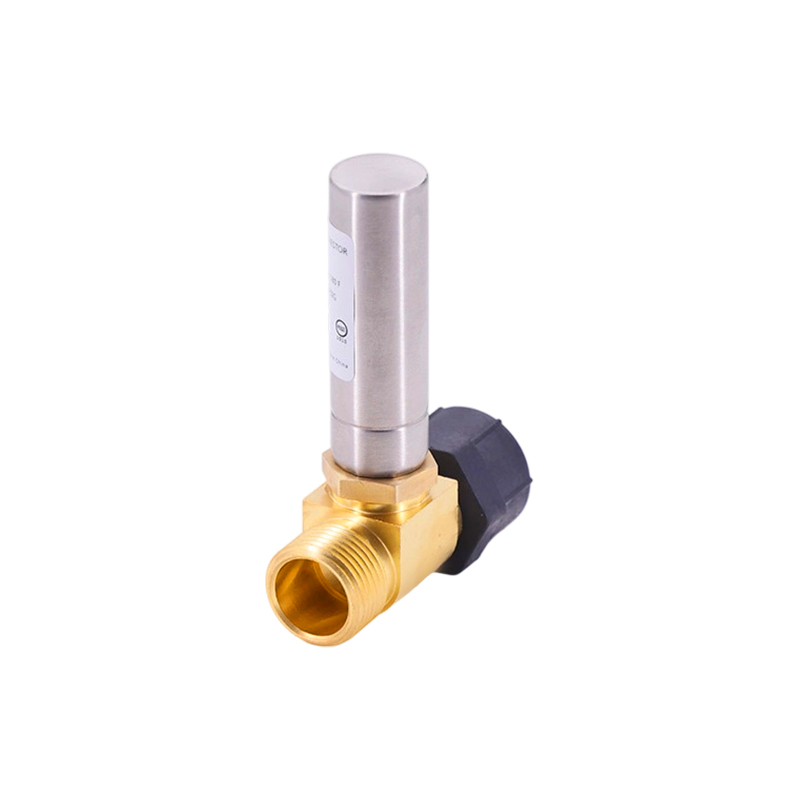
Water pressure has a direct connection with the way a plumbing system experiences hydraulic shock, but static pressure alone does not determine the performance requirements of a water pressure hammer arrestor. Flow velocity, pipe length, valve closure speed, pipe diameter, and fixture demand also influence the pressure surge created inside the system.
This distinction matters because a system operating at 40 psi and another operating at 80 psi may experience very different pressure conditions after a fast-closing valve interrupts the flow. A hammer arrestor is designed to absorb part of this sudden energy and limit the resulting pressure spike within the piping system. ASSE 1010 defines performance requirements for water hammer arresters designed to provide continuous protection against detrimental surge pressures.
Static Pressure Is Only Part of the Equation
Water pressure measured while the system is idle does not represent the entire hydraulic event. A valve can transform normal flow into a short-duration pressure surge after closing rapidly.
- Static pressure: Pressure present while water is not actively flowing through the branch.
- Flow pressure: Pressure available while water moves through the piping and fixtures.
- Surge pressure: A temporary pressure increase generated by a sudden change in water velocity.
- Maximum allowable pressure: The pressure limit that the piping and connected components are designed to withstand.
These values should not be treated as interchangeable. A system may show acceptable static pressure while still producing noticeable hammer during rapid valve closure.
Higher Pressure Can Change the Design Challenge
Greater operating pressure does not automatically mean that a larger arrester is required. Hydraulic conditions remain the deciding factor. Flow velocity and the amount of moving water can have a substantial influence on the energy that must be absorbed.
Engineering sizing methods for larger commercial and industrial systems can incorporate effective pipe length, change in velocity, pipe inside diameter, flow pressure, and allowable pressure. One published sizing method expresses required arrester capacity through these variables rather than relying on water pressure alone.
Such an approach explains why two branches operating at similar pressure may require different arrester capacities.
Pipe Conditions Can Shift the Pressure Response
- Long branch piping: A larger moving water column can contain more hydraulic energy during rapid flow interruption.
- High flow velocity: Greater velocity can increase the severity of the pressure event.
- Small pipe diameter: Changes in velocity and pressure-wave behavior can become significant within smaller branches.
- Rapid valve closure: Solenoid-operated equipment can create a sharper shock than slowly operated valves.
What Does a Hammer Arrestor Actually Change?
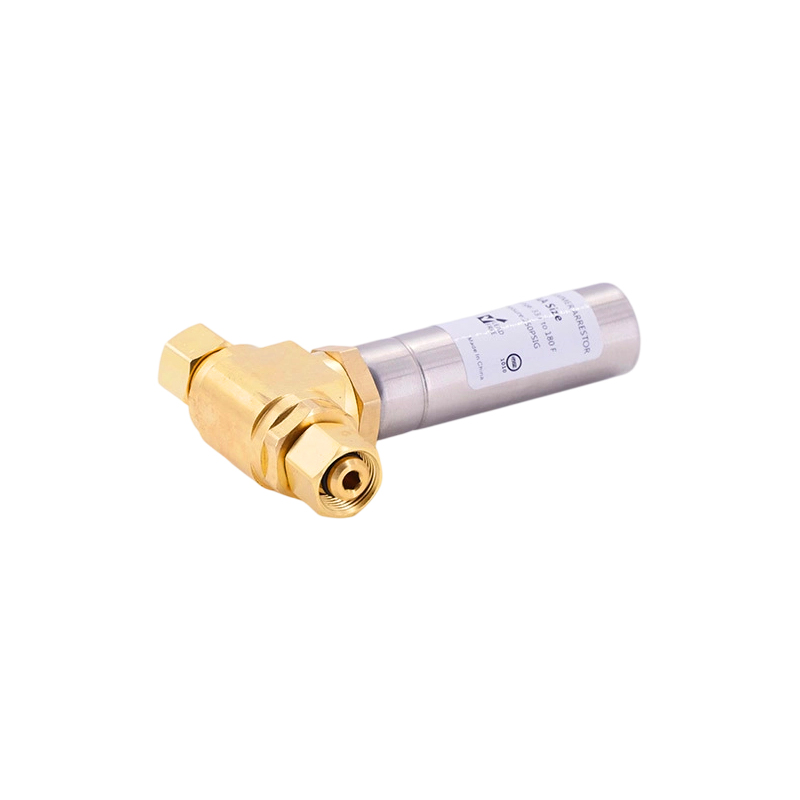
A water pressure hammer arrestor does not function as a device that simply lowers the normal water pressure of a building. Its purpose is connected with the sudden pressure event created by flow interruption.
Modern arresters covered by ASSE 1010 use a permanently sealed gas cushion isolated from the waterway. This cushion provides a compressible space that responds to the pressure surge. The standard describes devices designed to protect valves, piping, fittings, appliances, and other components from detrimental surge pressures while also reducing water hammer noise.
That difference is important. A water pressure hammer arrestor should not be viewed as a substitute for a pressure regulator. Pressure regulation and surge absorption address different hydraulic conditions.
Pressure Ratings Reveal Important Product Differences
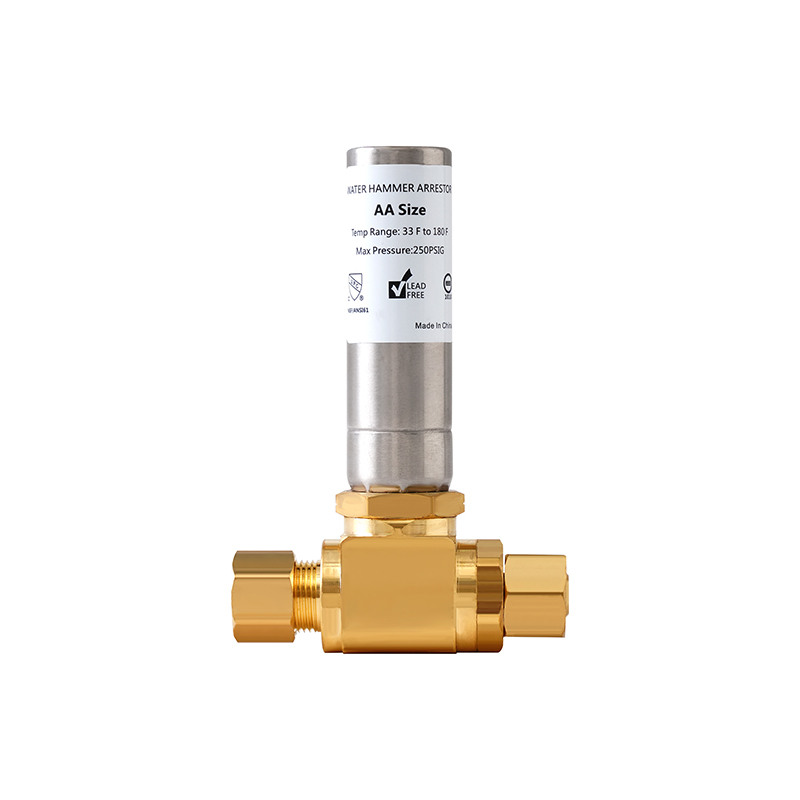
Product specifications can vary considerably even among arresters designed for similar applications. Connection size, maximum working pressure, temperature rating, and construction all affect where a unit can be installed.
- ASSE 1010 pressure range: The 2021 standard describes devices operating from 0 to 60 psi and requiring a design capability of at least 150 psi.
- Temperature range: The same standard specifies performance from 33°F to 180°F.
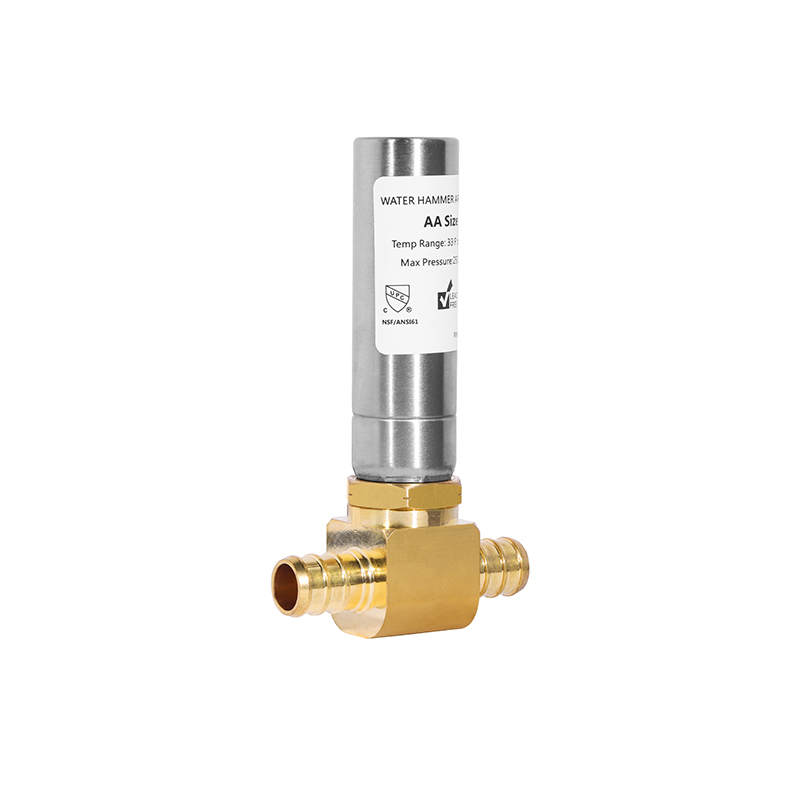
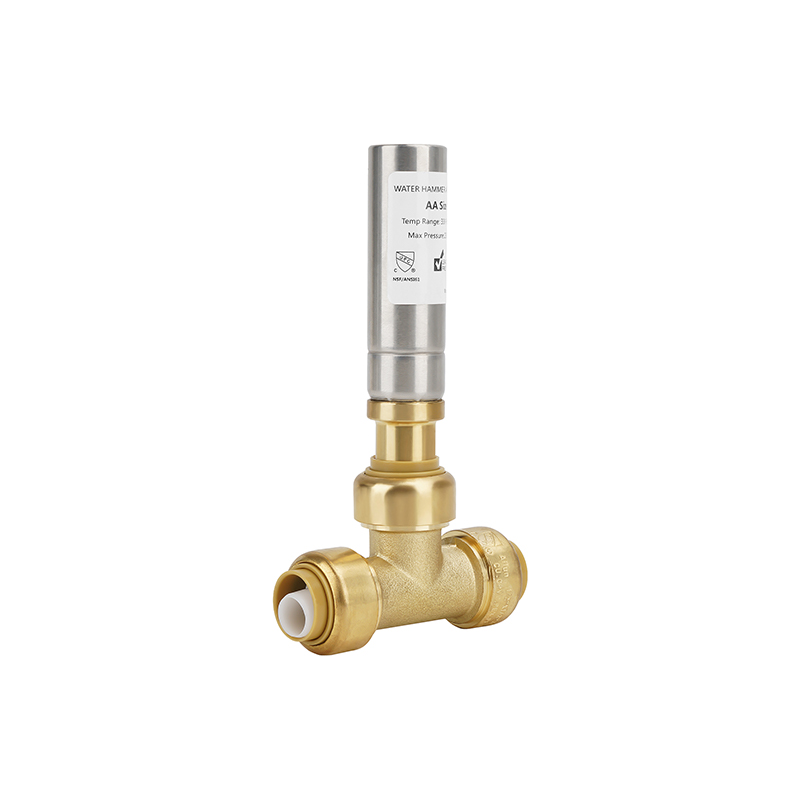
- Connection options: Applicable configurations can include threaded, soldered, press, push-fit, PEX crimp, PEX expansion, and CPVC connections.
- Commercial product ranges: Some listed models are available with maximum pressure ratings around 250–350 psi, depending on connection and construction.
These specifications demonstrate why pressure rating should be checked against the actual plumbing conditions rather than inferred from connection diameter alone.
Does Higher Pressure Always Require a Larger Arrestor?
Not necessarily. Arrester capacity is also associated with fixture demand and branch characteristics. Plumbing guidance for multiple-fixture systems considers factors such as simultaneous valve closure, pipe size, pipe length, flow pressure, and velocity during sizing.
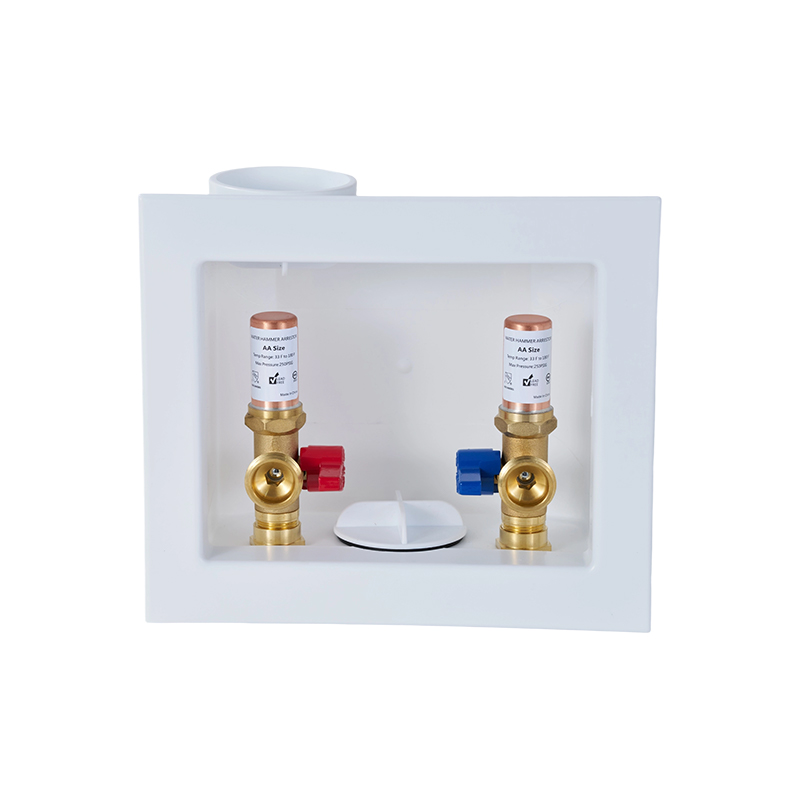
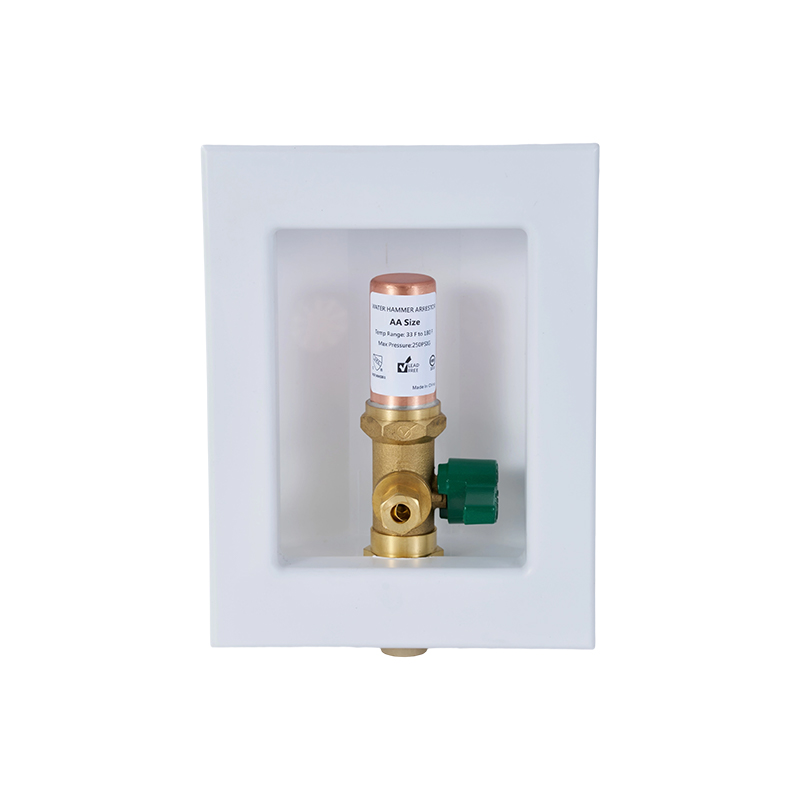
Small point-of-use applications may use compact arrester sizes, while larger branches can require greater capacity. ASSE 1010 recognizes a size range extending from AA units intended for point-of-use residential appliances through larger sizes used in broader plumbing applications.
Pressure Should Guide the Product Specification
Water pressure is therefore an important product parameter, but it should not be considered independently. A suitable water pressure hammer arrestor needs to match the operating pressure, expected surge conditions, connection size, temperature, fixture demand, and available installation space.
Pressure ratings also provide a useful way to compare products during project planning. A unit rated well above the system's normal pressure may provide an appropriate safety margin, while its actual arrester capacity still needs to correspond with the hydraulic conditions of the branch.
The practical takeaway is simple: water pressure influences the working environment of a hammer arrestor, while flow conditions determine much of the hydraulic shock it must control. Looking at both factors gives engineers, contractors, and plumbing buyers a clearer basis for evaluating arrester specifications.