

 English
 Español
 Français

Washing machine plumbing plans need more than a water supply connection and a pair of shutoff valves. Rapid-closing inlet valves inside modern washing machines can generate pressure surges that travel through connected pipes, creating knocking sounds and placing additional stress on fittings and joints. At Shuihengyihao, we consider water hammer protection an important specification detail that should be addressed during plumbing design, equipment scheduling, and installation planning rather than added only after noise complaints arise.
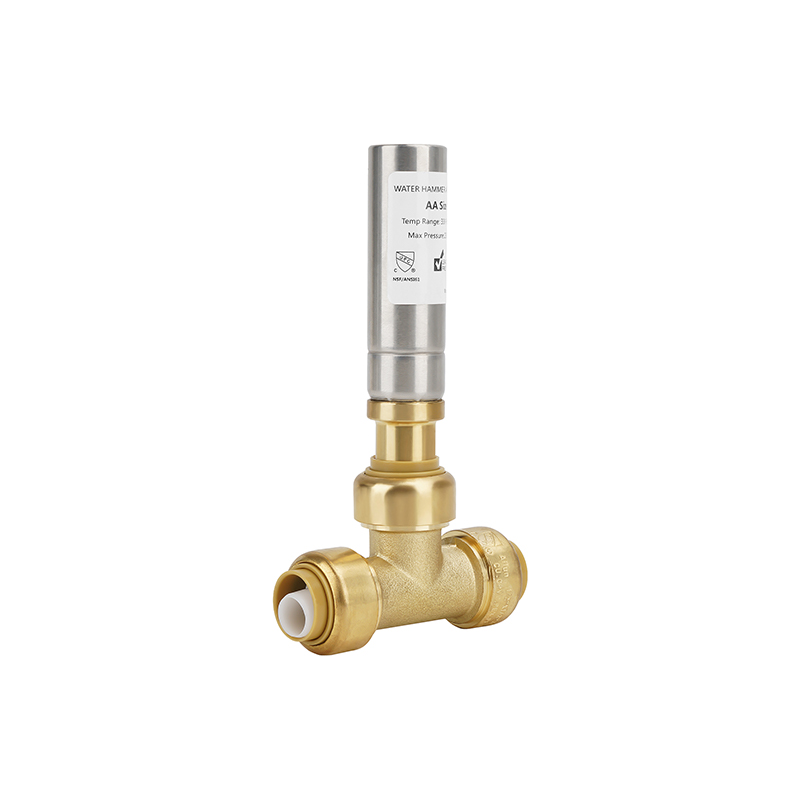
A Washing Machine Water Hammer Arrestor helps absorb pressure surges caused by rapid valve closure. Its location, connection type, pressure rating, and compliance documentation should be defined according to the building layout and the requirements of the applicable plumbing code. Clear specifications also help contractors, distributors, and project buyers coordinate product selection before installation begins.

1. Mark the Protection Point on Washing Machine Plumbing Drawings
Water hammer protection should be identified on plumbing drawings wherever washing machines connect to the building water distribution system. The exact requirement depends on the applicable local code, the equipment arrangement, and the manufacturer's installation instructions.
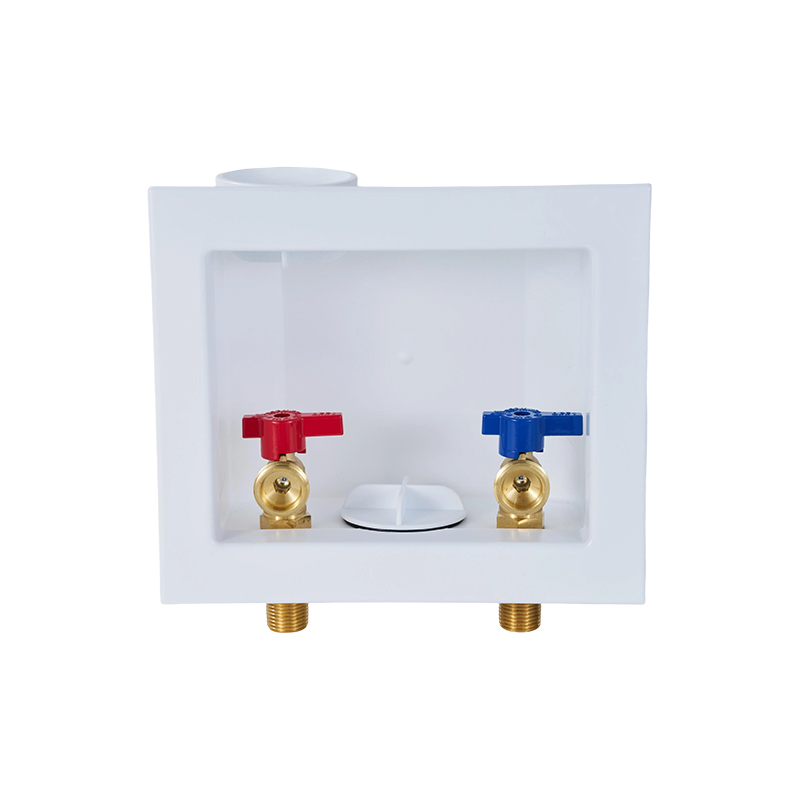
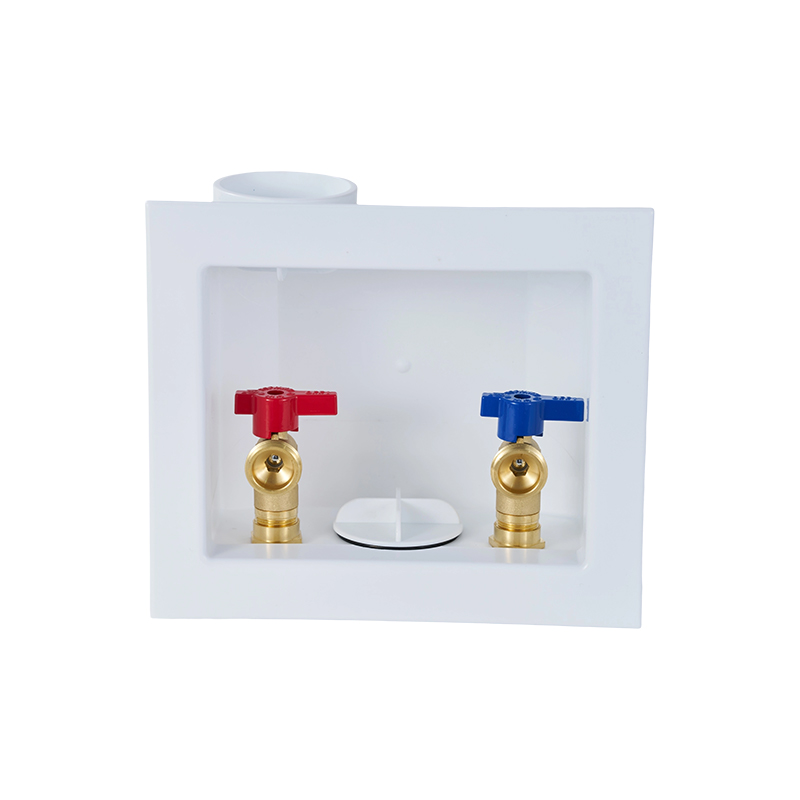
- Residential laundry rooms: Identify the hot and cold water supply connections, shutoff valves, and designated arrestor positions behind or beside each washing machine.
- Apartment developments: Include protection requirements in the plumbing fixture schedule so installers can coordinate connections across multiple units.
- Shared laundry facilities: Show each machine's supply arrangement and identify whether protection is required at individual appliances or other designated points under the approved design.
- Renovation projects: Check the existing valve locations, available clearance, pipe routing, and accessibility before finalizing the installation details.
At Shuihengyihao, we recommend that project documentation distinguish between a general note requiring water hammer protection and a specific installation detail showing the intended location. This reduces ambiguity during material ordering and helps prevent the arrestor from being omitted from the plumbing scope.
2. Position Arrestors Close to the Source of Pressure Surges
The location of a water hammer arrestor affects how effectively it responds to a pressure surge. Installing the device close to the quick-closing valve helps it address the surge near its source instead of allowing the pressure wave to travel through a longer section of piping before reaching the protection point.
Typical washing machine connection arrangement
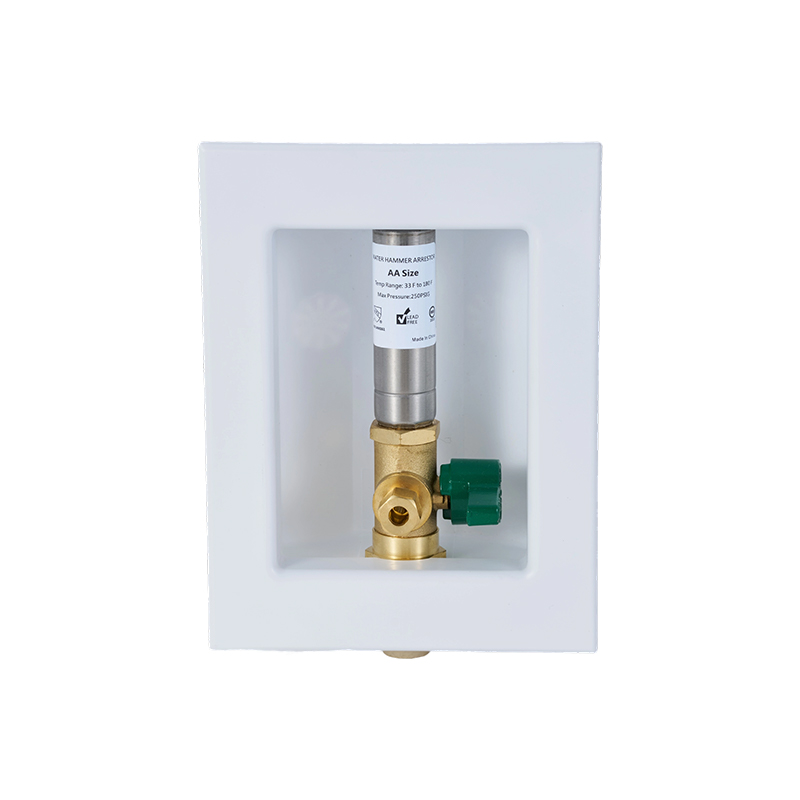
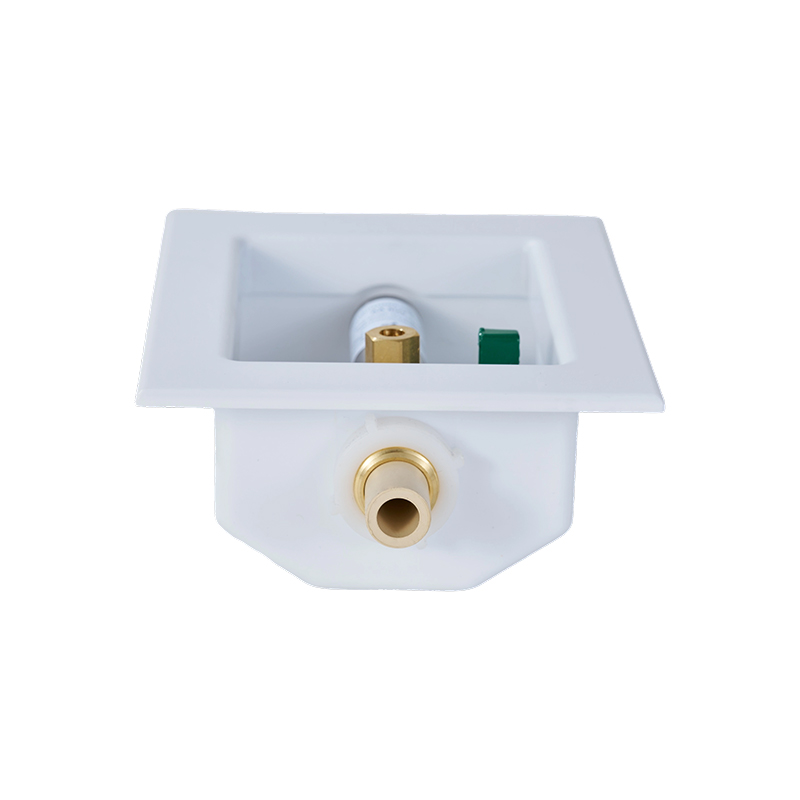
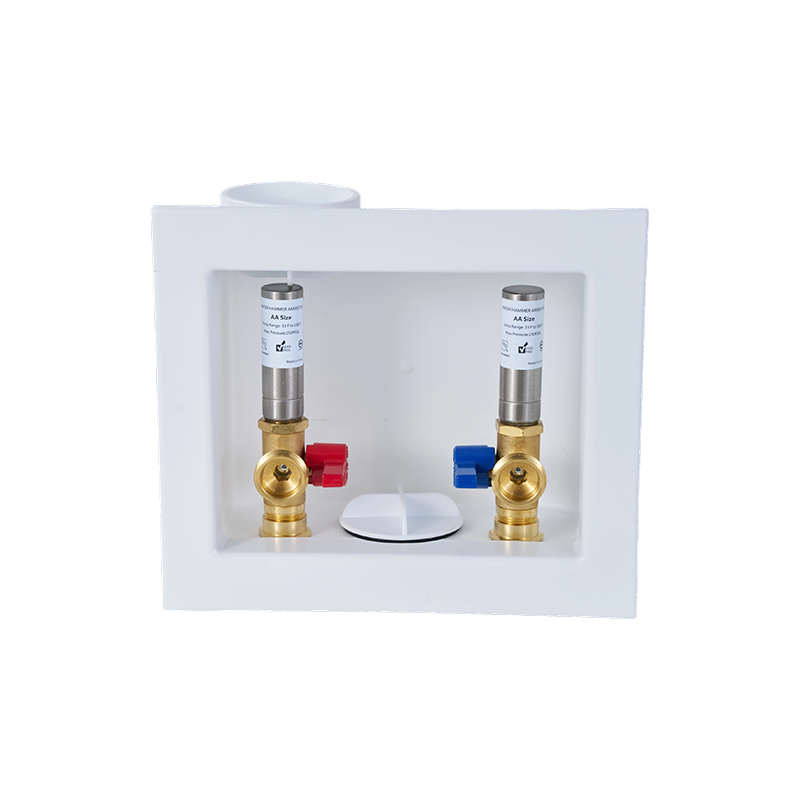
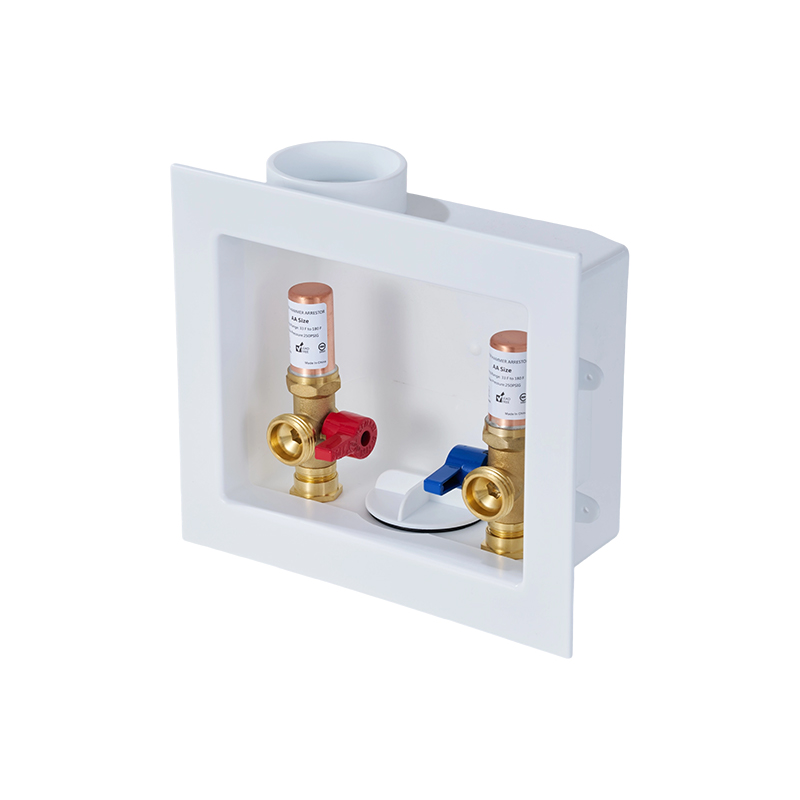
A common arrangement places an arrestor at each hot and cold water shutoff valve, with the washing machine supply hose connected to the arrestor outlet. This layout keeps the protection near the appliance's water inlet control system and makes the connection points accessible for inspection.
- Locate the arrestor as close as practical to the quick-closing valve, following the product instructions and local requirements.
- Provide sufficient clearance for hose attachment, wrench access where required, and future replacement of the washing machine.
- Check that the device does not interfere with cabinet doors, appliance positioning, or nearby plumbing connections.
- Confirm whether the selected model permits horizontal, vertical, or either mounting orientation.
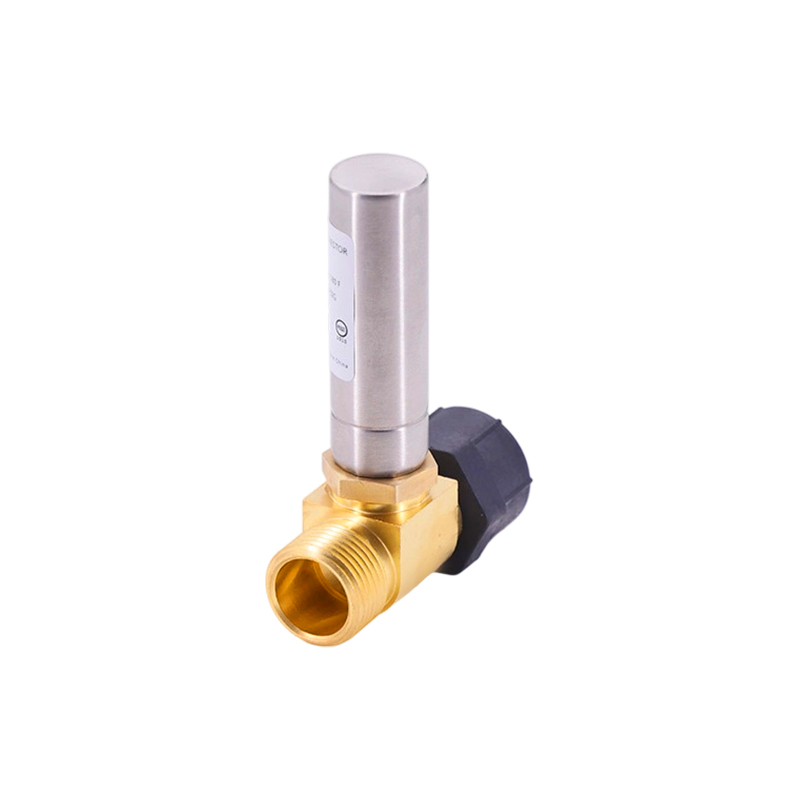
Some appliance-specific models are designed to connect directly to washing machine shutoff valves through hose-thread fittings. Other models require a different connection arrangement. We advise buyers and installers to verify the actual product configuration rather than assuming that every arrestor can be fitted to the same plumbing layout.
3. Specify the Correct Connection Type and Nominal Size
Connection compatibility is a practical procurement concern. A product with suitable surge-control performance may still be unsuitable for a project if its threads, nominal size, or connection configuration do not match the existing water supply fittings.
Many washing machine connections in North American installations use 3/4-inch hose-thread connections. A common appliance-style arrangement has a female hose-thread inlet and a male hose-thread outlet, allowing the arrestor to fit between the shutoff valve and the washing machine hose. Actual thread arrangements must be checked against the selected model and installation requirements.
| Specification item | What project buyers should verify |
| Connection size | Confirm nominal size and compatibility with the existing valve and supply hose. |
| Thread configuration | Distinguish hose threads from NPT pipe threads and other connection systems. |
| Installation orientation | Check the manufacturer's permitted mounting positions. |
| Installation clearance | Allow space for the arrestor body, hose bends, and tool access. |
| Number of devices | Calculate quantities from the approved plumbing design, including hot and cold connections where required. |
For multi-unit projects, we recommend preparing a connection schedule before requesting quotations. This gives the purchasing team a consistent basis for comparing proposed models and helps reduce mismatches between the product supplied and the installation shown on the drawings.