

 English
 Español
 Français

A washing machine installation involves more than simply connecting hot and cold water hoses. Behind the appliance, the outlet box plays an important role by organizing water supply connections, shutoff valves, and drainage access inside the wall. A poorly arranged box can create installation difficulties, reduce available space, or make future valve access inconvenient.
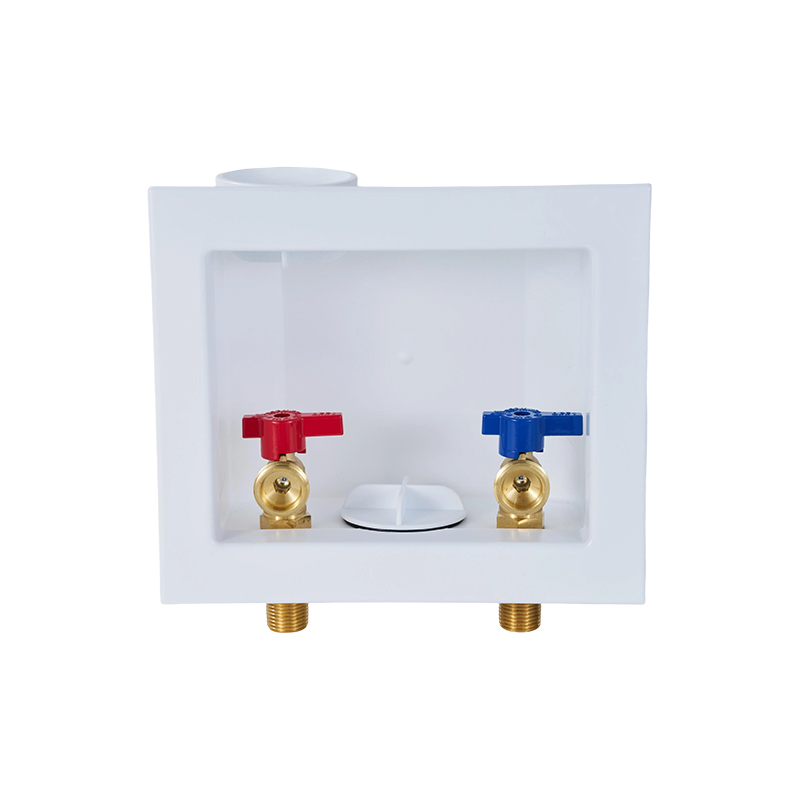
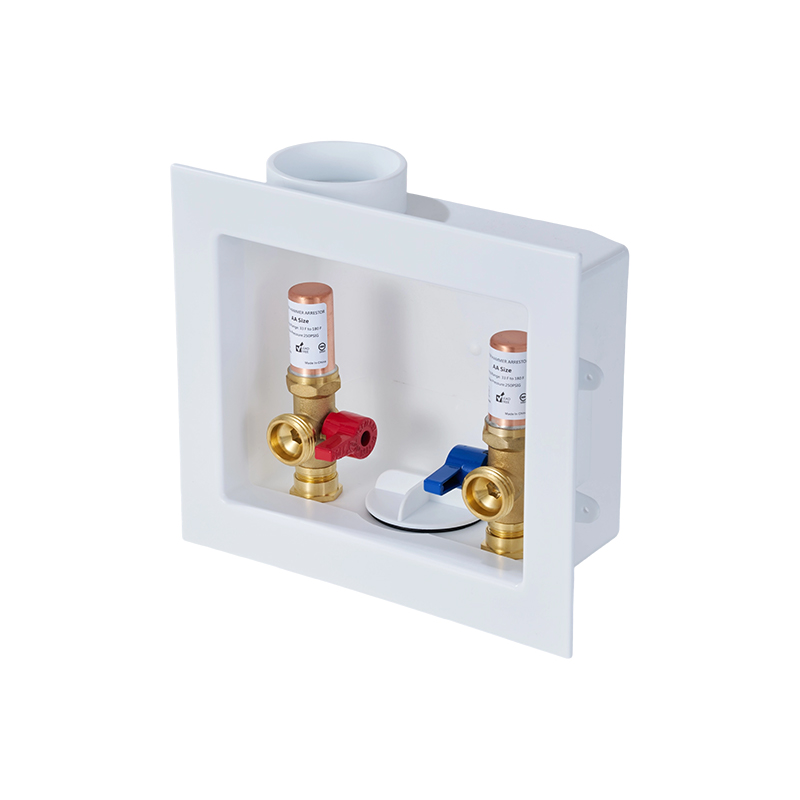
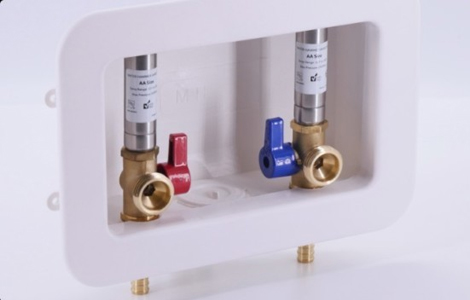
One common question from homeowners and installers is whether valve orientation affects the performance of a Washing Machine Outlet Box with Valve. The answer depends on several factors, including the box design, water supply direction, drain position, valve structure, and installation space. Modern outlet boxes are often designed with flexible configurations, allowing valves to work in different positions while maintaining reliable water control.
Why Valve Orientation Becomes an Important Installation Question
Traditional washing machine connections were relatively simple, with supply pipes and valves installed directly behind the appliance. Modern laundry areas, however, often have different construction layouts. Water pipes may come from the top, bottom, left, or right side of the wall cavity. Limited wall depth and different drain positions can also affect how the outlet box needs to be installed.
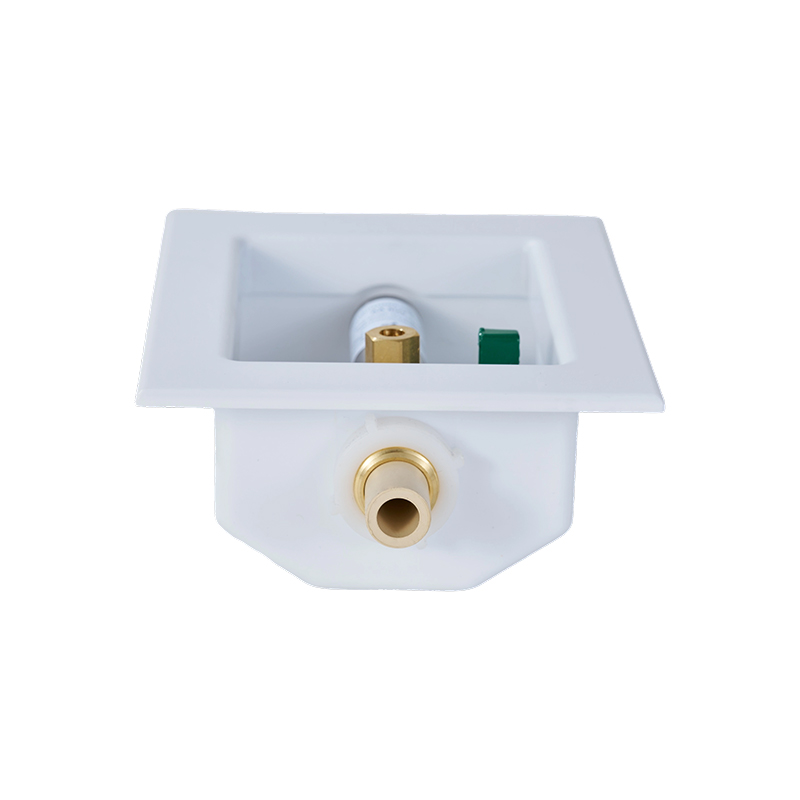
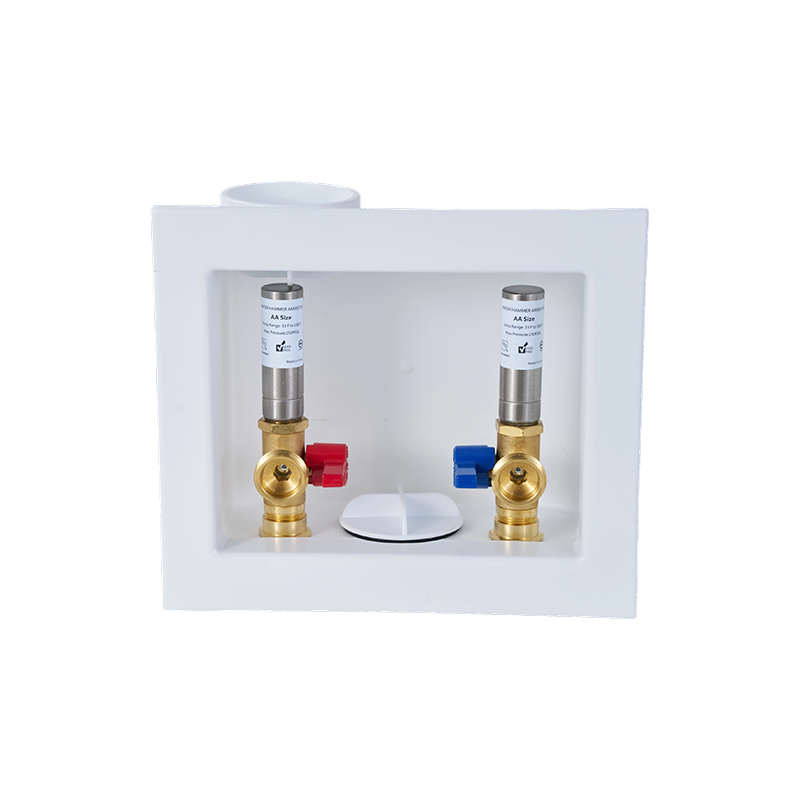
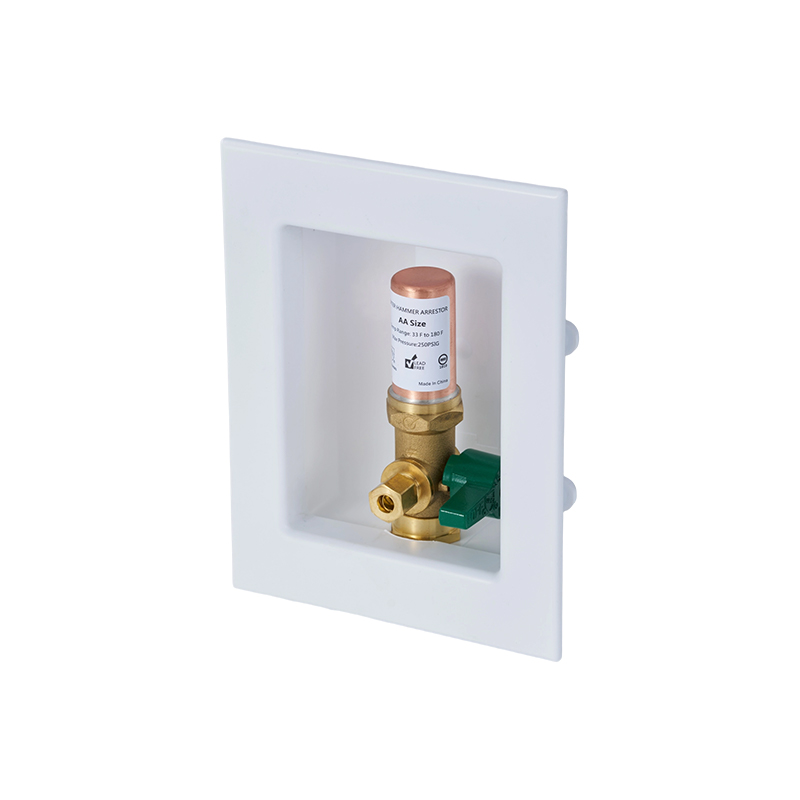
A Washing Machine Outlet Box with Valve usually combines several functions:
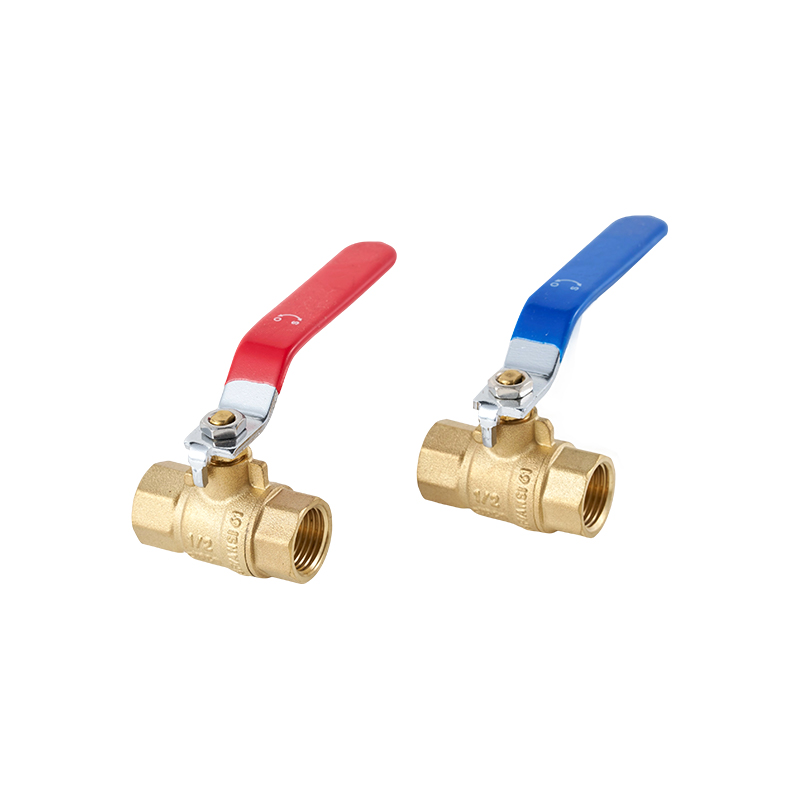
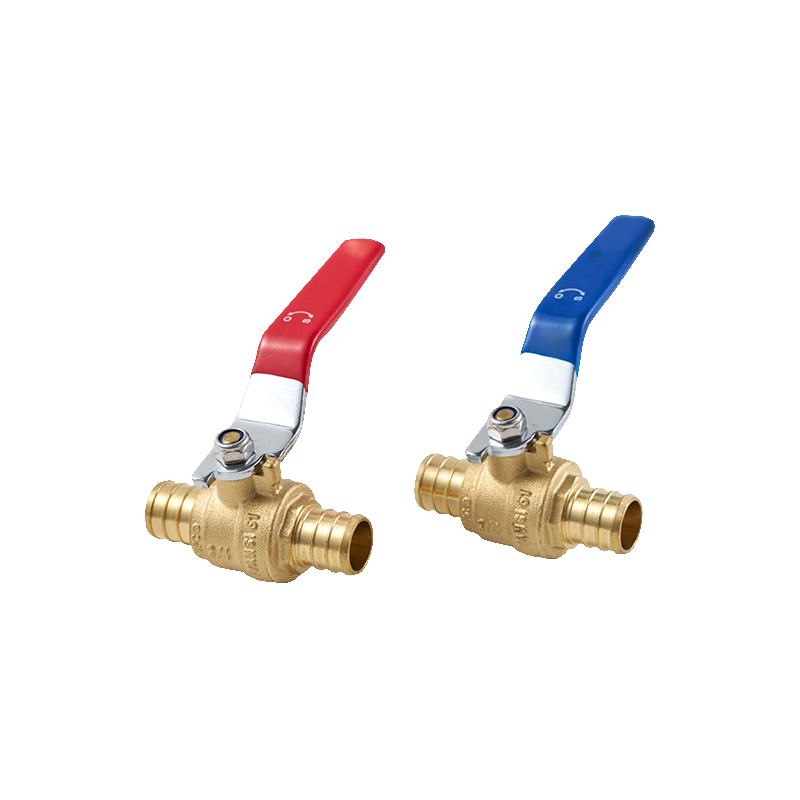
- Water supply control: Built-in hot and cold water valves allow users to shut off water flow without accessing the main supply line.
- Drain connection: The recessed box provides a dedicated location for the washing machine drain hose connection.
- Wall protection: The enclosed design helps organize plumbing components and reduces exposed connections.
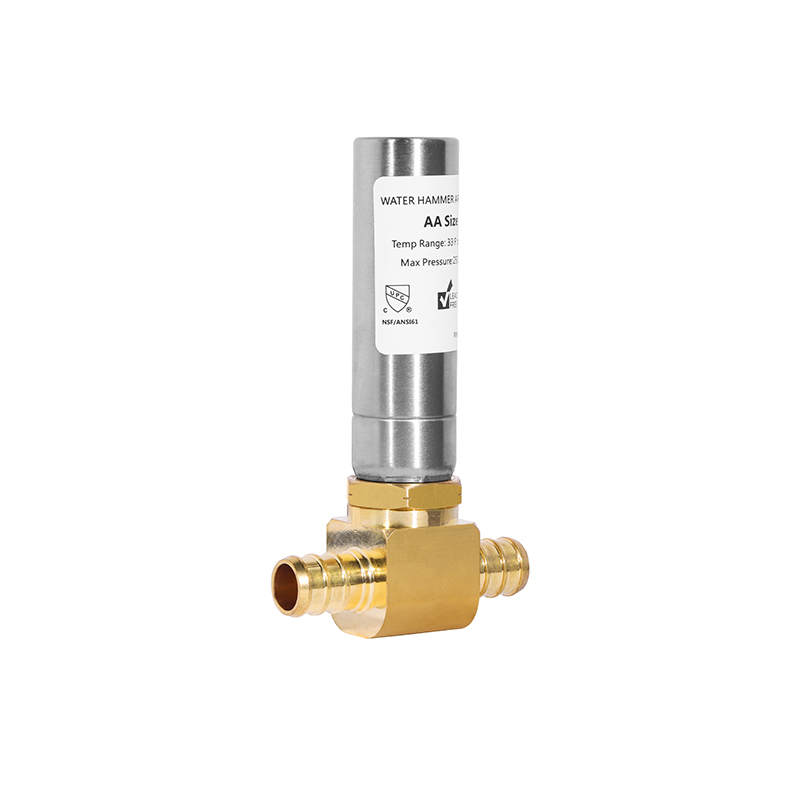
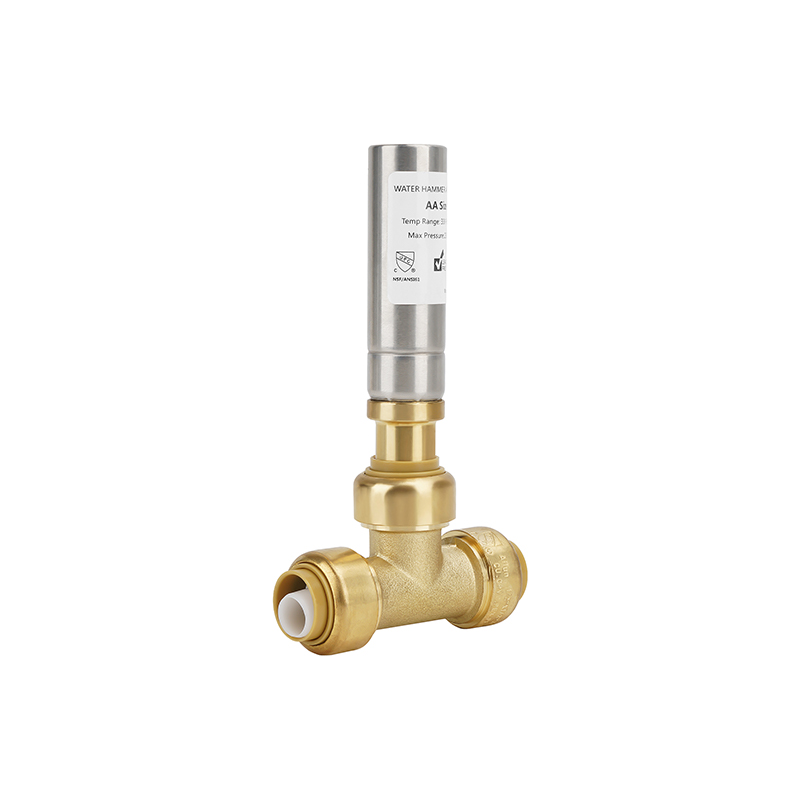
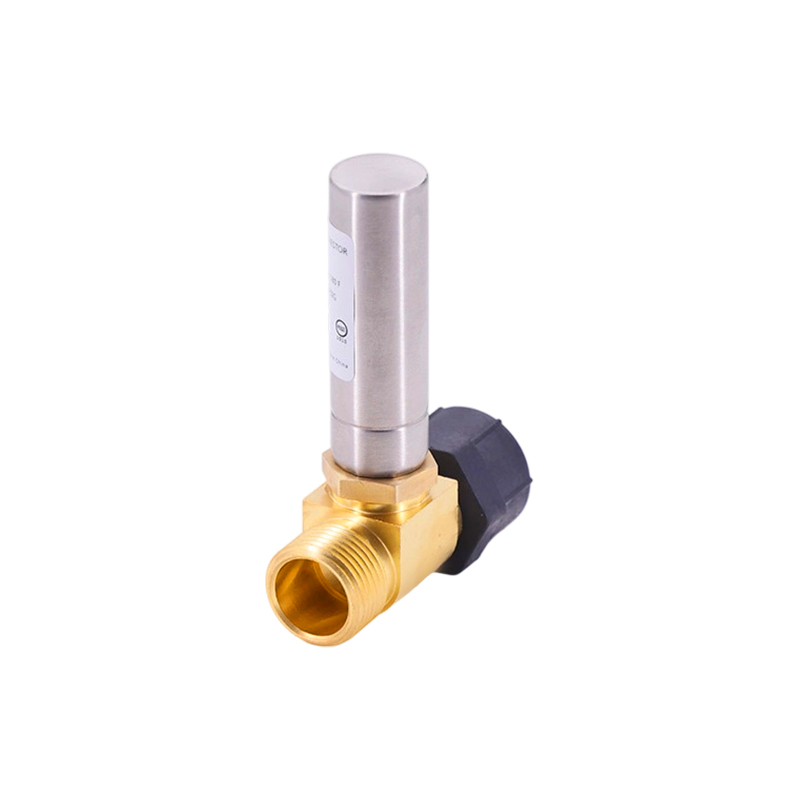
- Accessory integration: Some models include water hammer arrestors to reduce pressure shock from fast-closing washing machine valves.
Because these components are placed together, valve positioning becomes an important factor during installation planning.
Does Valve Position Affect Water Flow Performance?
The orientation of the valve handle or valve body usually does not change the basic water flow performance, provided the product is installed according to manufacturer instructions. The main purpose of the valve is to start or stop water supply, while the outlet box provides structural support and connection organization.
However, incorrect positioning can create practical problems. A valve installed in an inconvenient direction may make operation difficult, especially in narrow laundry spaces where the washing machine is close to the wall.
- Valve handles should remain easy to reach after the washing machine is placed.
- Hot and cold water markings should remain visible for correct identification.
- Connections should avoid excessive bending pressure on supply hoses.
- The drain opening should maintain enough clearance for the washer hose.
Many adjustable outlet boxes allow valve positions to move according to the plumbing layout. For example, some designs support left, right, centered, or top supply configurations to accommodate different installation environments.
How Different Installation Directions Change Outlet Box Layout
The direction of incoming water pipes has a direct relationship with outlet box orientation. Residential construction does not always provide the same plumbing arrangement, so flexible designs have become increasingly popular.
Top Supply Installation
Some laundry rooms receive water lines from above instead of below. A suitable outlet box must allow valve placement that matches this arrangement. Certain washing machine boxes can be installed inverted to support top-entry water supply configurations.
This type of installation is often found in multi-story buildings or renovation projects where existing pipe routes cannot easily be changed.
Bottom Supply Installation
Bottom supply is a common layout in new residential plumbing systems. Water pipes enter from below the outlet box, while the valves remain positioned near the upper section for convenient access.
This configuration usually provides straightforward installation and allows easier connection of PEX, copper, or CPVC supply lines.
Side Drain Configurations
Drain position can also influence valve arrangement. Some outlet boxes allow the drain opening to remain on the left, right, or center while the valves are adjusted separately. This flexibility helps installers work around studs, wall structures, and existing plumbing routes.
Water Hammer Arrestors and Valve Orientation
Many modern washing machines use fast-closing solenoid valves. These valves can stop water flow quickly, creating pressure waves inside supply pipes. A built-in arrestor helps absorb this sudden energy and reduce pipe vibration.
A Washing Machine Outlet Box with Valve may include integrated water hammer protection, combining shutoff control and pressure shock management in one assembly. However, the position of the arrestor inside the box should follow the product design.
- Internal piston design: Uses a moving component to absorb pressure changes.
- Sealed chamber structure: Provides a cushion effect during sudden valve closure.
- Compact integration: Saves installation space behind the washing machine.
Users should avoid modifying the valve or arrestor position without checking compatibility. Some products are designed for flexible orientation, while others may depend on a specific internal arrangement. Product instructions remain the key reference for installation direction.
Important Specifications to Review Before Installation
Valve orientation is only one part of choosing a suitable washing machine outlet solution. Several technical details affect installation quality and long-term reliability.
| Specification | Common Range or Feature | Installation Benefit |
| Valve Type | Quarter-turn ball valve | Quick shutoff and simple operation |
| Connection Size | 1/2 inch supply inlet, 3/4 inch hose outlet | Matches common washing machine connections |
| Compatible Pipe Materials | PEX, copper, CPVC, PE-RT | Supports different plumbing systems |
| Box Material | PVC, ABS, or reinforced plastic | Provides lightweight wall installation |
| Pressure Rating | Common residential water pressure ranges | Supports household plumbing applications |
Common Valve Orientation Mistakes During Installation
Although outlet boxes are designed to simplify washing machine connections, several installation errors can affect user experience.
- Installing the box too low: This may reduce hose clearance and create awkward connections.
- Ignoring wall depth: A box that extends too far forward may interfere with appliance placement.
- Blocking valve access: The washing machine should not completely cover shutoff handles.
- Incorrect drain alignment: Poor positioning may make drain hose installation difficult.
Planning the outlet box location before closing the wall helps prevent expensive corrections later.
A Flexible Outlet Solution for Modern Laundry Spaces
Valve orientation does matter, but not because a specific direction automatically improves water flow. Its importance comes from installation compatibility, user access, and proper integration with the surrounding plumbing system.
A well-designed Washing Machine Outlet Box with Valve gives installers more flexibility by supporting different supply directions, valve arrangements, and drain positions. Combined with features such as quarter-turn shutoff valves and optional water hammer protection, these boxes provide a practical solution for modern laundry installations.
As washing machines continue to use faster automatic valves and homes require more adaptable plumbing layouts, choosing an outlet box with suitable orientation options helps create a cleaner, safer, and more convenient connection behind the appliance.