

 English
 Español
 Français

Water hammer is a common plumbing challenge that appears as sudden knocking sounds, pipe vibration, or pressure movement after a faucet, appliance valve, or automatic control valve closes quickly. Although the noise may seem like a minor inconvenience, the pressure wave inside the pipe system can create unnecessary stress on fittings and connections over time. A properly installed arrestor helps absorb this energy and keeps the plumbing system more stable.
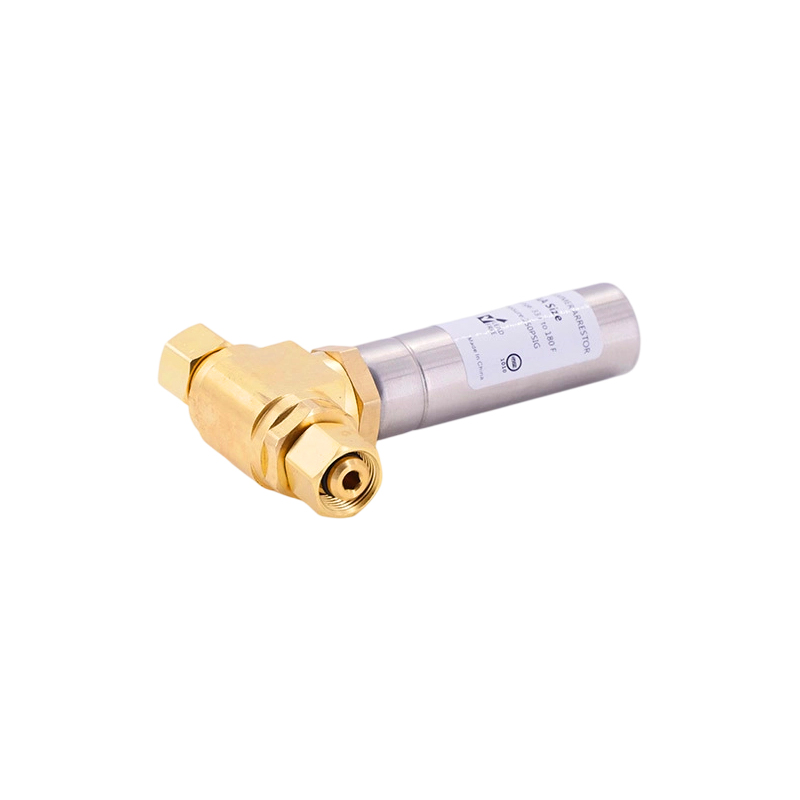
Among available solutions, the NPT SS Water Hammer Arrestor has become a practical option for applications requiring stainless steel construction and threaded installation. However, many users have questions about one important detail: does the NPT thread size influence hammer control performance, or is the internal arrestor design the only factor that matters?
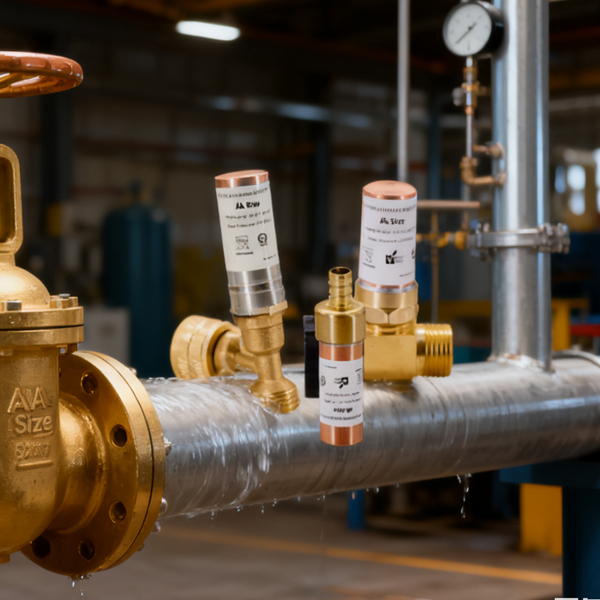
The Role of NPT Threads in Water Hammer Arrestor Installation
NPT, also known as National Pipe Thread, is a tapered thread standard commonly used in plumbing connections. The tapered design allows the male and female threads to tighten together and create a reliable sealing connection with suitable thread sealant. Water hammer arrestors with NPT connections are widely used because they can integrate with existing plumbing systems without requiring complicated modifications.
The thread size itself does not directly absorb pressure shock. Instead, it determines how the arrestor connects to the water line and whether the device matches the flow requirements of the application. A mismatch between pipe size and arrestor connection may reduce installation quality or require additional adapters.
- 1/2 inch NPT: Commonly used for individual fixtures such as faucets, dishwashers, and small appliance connections.
- 3/4 inch NPT: Often applied to larger residential branches or washing machine supply systems.
- 1 inch NPT and above: Suitable for larger commercial plumbing lines requiring higher flow capacity.
The correct connection size allows the arrestor to respond effectively because water can enter and interact with the internal chamber at the intended flow rate.
How Stainless Steel Construction Supports Pressure Shock Control
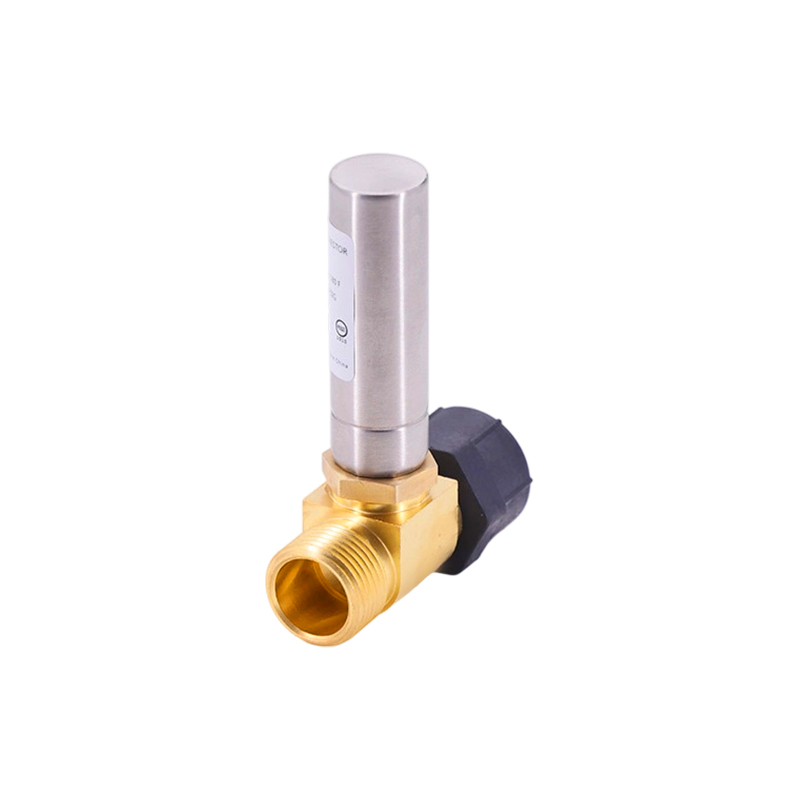
The material of the arrestor body influences durability, temperature resistance, and compatibility with different plumbing environments. Stainless steel versions are designed for applications where corrosion resistance and long service life are important considerations.
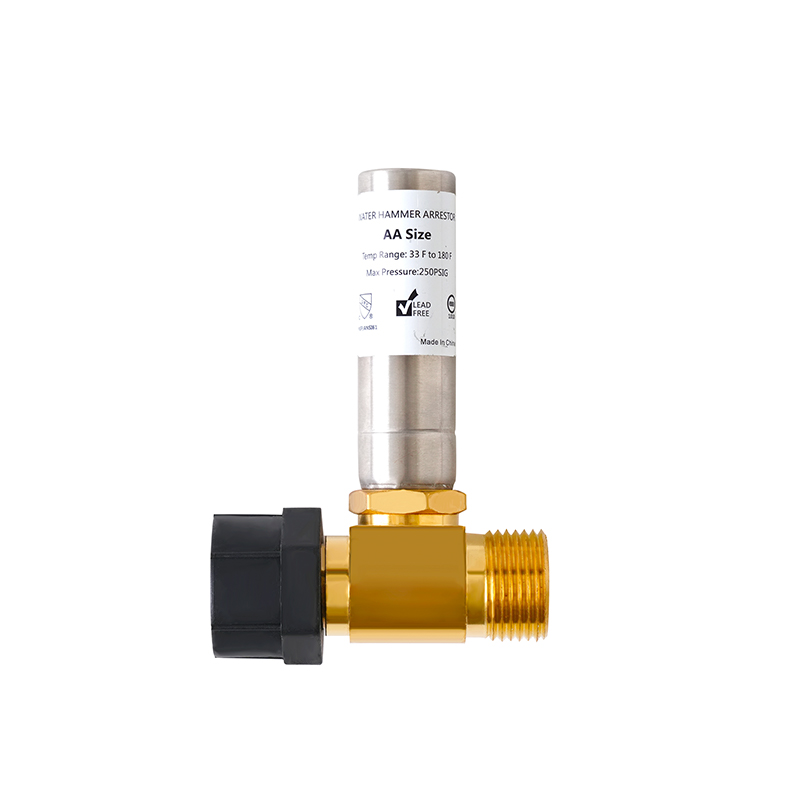
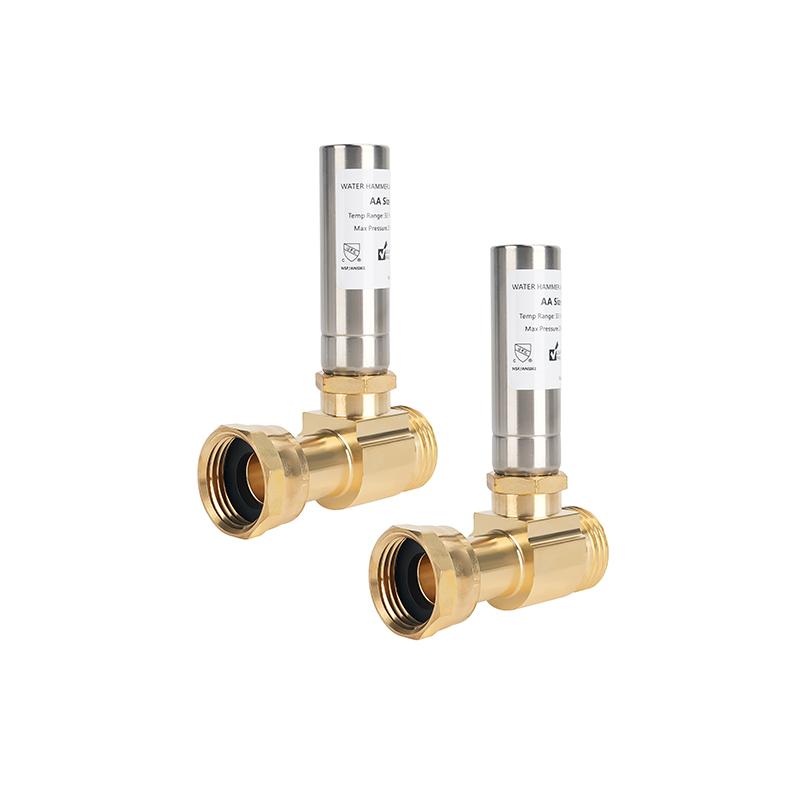
A typical stainless steel water hammer arrestor uses an internal piston, diaphragm, or sealed chamber structure. During a sudden valve closure, the moving water creates a pressure surge. The internal mechanism moves slightly and compresses the air or gas cushion, reducing the impact transferred back into the pipe system.
Common specifications of stainless steel arrestors include:
- Body material: Stainless steel such as SS304 or SS316 for improved corrosion resistance.
- Connection type: Male NPT threaded connection for easier integration with plumbing fittings.
- Working pressure: Many models support around 150 psi (10.3 bar) for residential and commercial water systems.
- Temperature range: Common operating ranges reach approximately 33°F to 180°F (0.5°C to 82°C).
- Installation position: Many designs allow vertical, horizontal, or angled installation depending on product specifications.
Some stainless steel models use sealed chambers with factory air charging, which helps maintain consistent performance without frequent adjustment.
Does a Larger NPT Size Always Provide Better Hammer Control?
A larger thread size does not automatically mean stronger water hammer protection. The effectiveness of an arrestor depends on several factors, including the volume of water flow, pressure level, pipe length, fixture type, and the size rating of the arrestor itself.
For example, installing a 1-inch NPT arrestor on a small bathroom faucet line may not provide noticeable improvement compared with a correctly sized 1/2-inch unit. The internal absorption capacity and installation location are equally important.
Professional installation guides usually recommend matching the arrestor size with fixture units and branch line requirements instead of simply choosing a larger connection size. Some sizing standards reference flow velocity, branch pressure, and fixture demand to determine the appropriate arrestor capacity.
Factors That Influence Hammer Control Performance
- Pressure level: Higher water pressure creates stronger pressure waves after rapid valve closure.
- Valve closing speed: Washing machines and automatic valves can create stronger shock compared with manually operated faucets.
- Pipe layout: Long straight pipe sections may allow pressure waves to travel farther.
- Installation location: Placing the arrestor close to the shock source generally improves response speed.
Common Installation Questions About NPT SS Water Hammer Arrestors
Can Different NPT Sizes Be Connected Together?
Different thread sizes can sometimes be connected with reducers or adapters, but this approach should be carefully evaluated. Additional fittings create more connection points, which may increase installation complexity and introduce possible leakage risks.
A direct connection with the correct NPT size usually provides a cleaner installation. Users should confirm the pipe diameter, thread standard, and available installation space before purchasing an arrestor.
Does Installation Direction Affect Performance?
Many modern arrestor designs support multiple installation positions. However, product instructions should always be followed because internal piston or diaphragm structures may have specific requirements. Some models are designed for vertical, horizontal, or angled mounting, while others may have limitations.
Where Should an NPT SS Arrestor Be Installed?
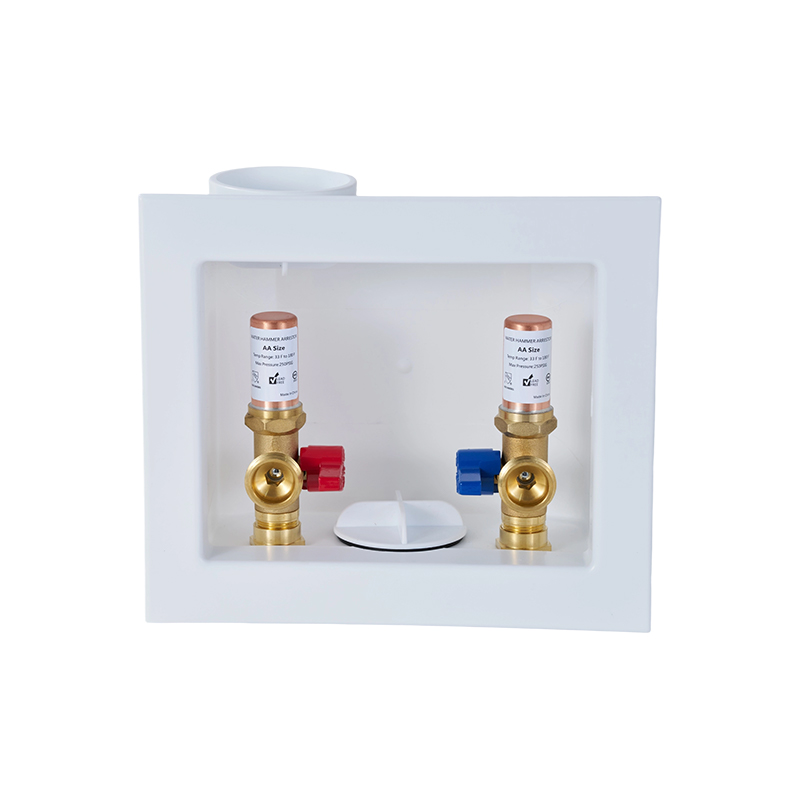
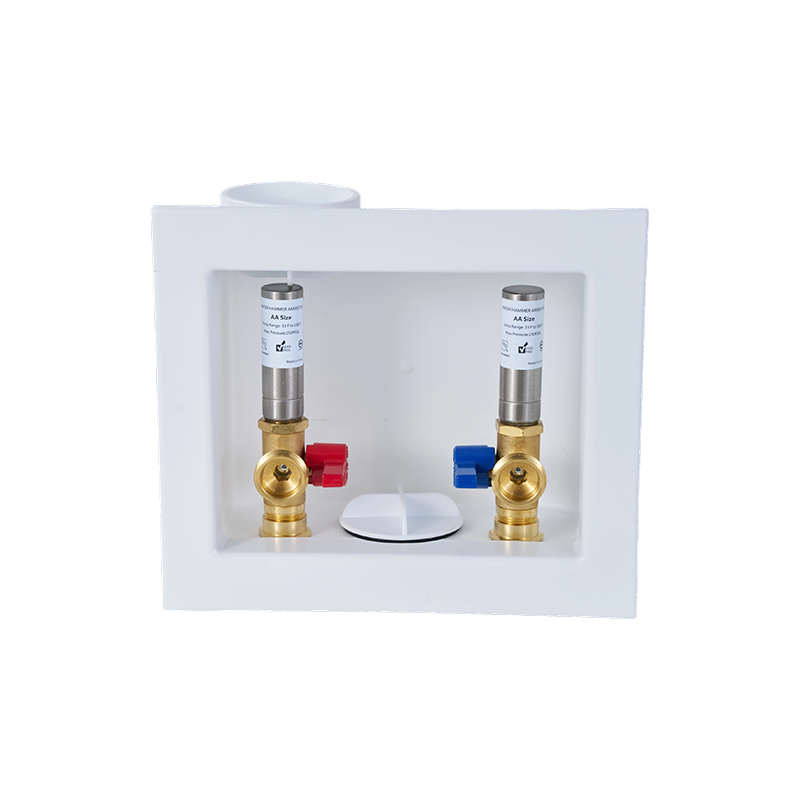
The recommended position is usually close to the fixture or valve creating the pressure shock. Installing the arrestor near washing machines, dishwashers, quick-closing faucets, or automatic valves allows it to react before the pressure wave travels throughout the piping system.
NPT SS Arrestors in Residential and Commercial Applications
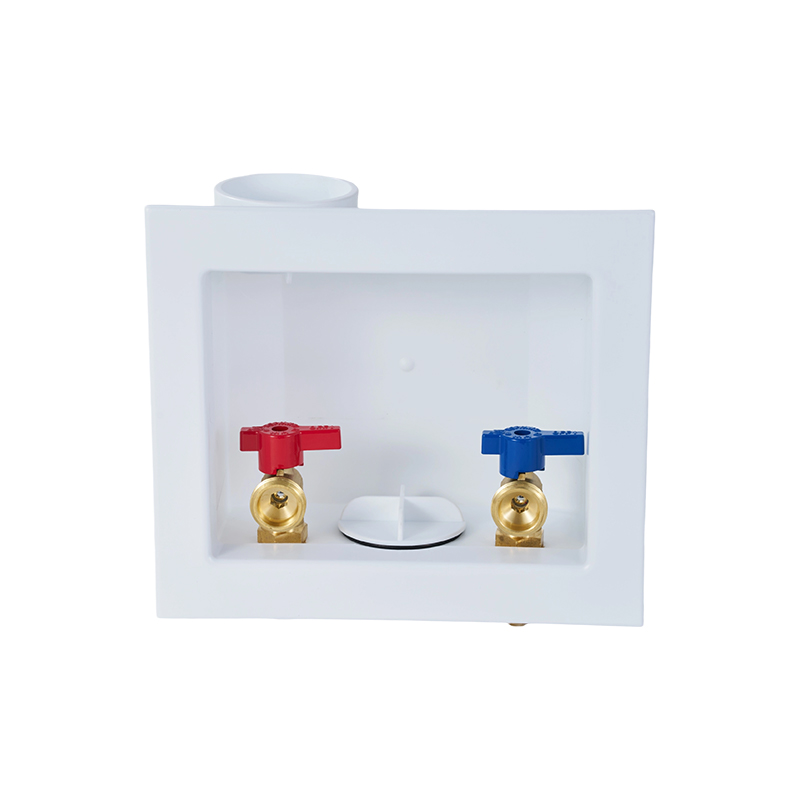
Stainless steel threaded arrestors are used in many plumbing environments because they combine compact design with durable construction. Residential applications often include washing machine connections, kitchen appliances, bathroom fixtures, and water supply branches.
Commercial buildings may require additional pressure control because multiple fixtures can operate at the same time. Offices, hotels, restaurants, and public facilities often rely on properly sized arrestors to manage repeated pressure changes throughout the day.
- Residential water supply systems
- Commercial plumbing branches
- Industrial equipment water connections
- Appliance supply lines with fast-closing valves
Choosing the Right Thread Size for Reliable Plumbing Protection
The connection size of an NPT SS Water Hammer Arrestor plays an important role in installation compatibility, but it is not the only factor that determines performance. Proper sizing, suitable pressure ratings, correct placement, and matching the arrestor design with the plumbing application all contribute to effective hammer control.
A well-matched stainless steel arrestor can help reduce pipe vibration, protect plumbing components, and improve system stability. Rather than focusing only on thread diameter, users should evaluate the complete installation environment, including pipe size, fixture type, operating pressure, and connection requirements.
As modern plumbing systems continue to include more automatic valves and smart appliances, correctly specified NPT stainless steel arrestors provide a reliable approach for managing sudden pressure changes and maintaining quieter water distribution systems.