

 English
 Español
 Français


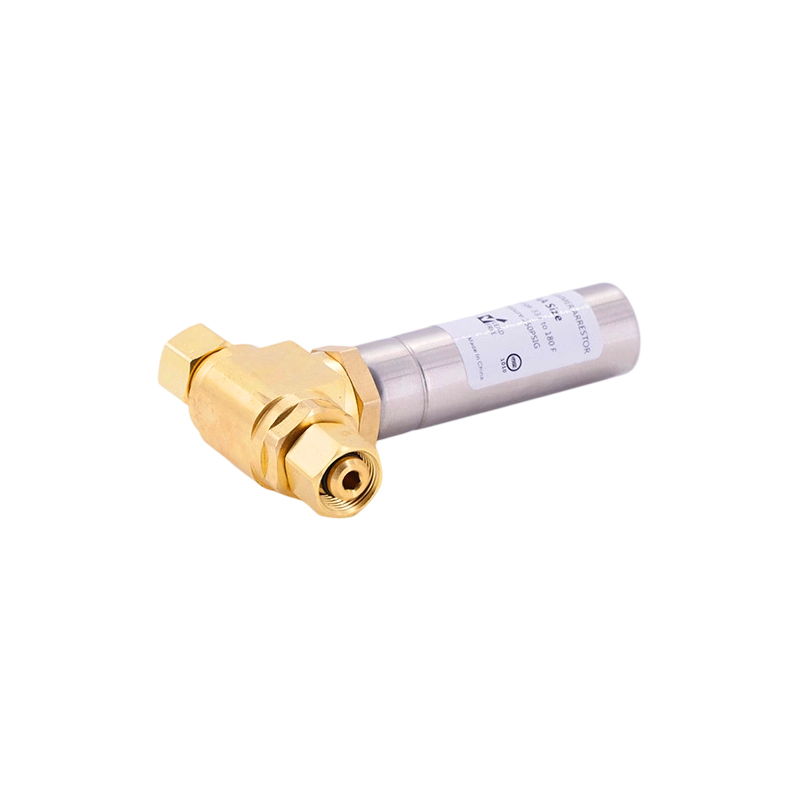
Plumbing project budgets involve more than the purchase price of pipes, fittings, valves, and installation accessories. Pressure fluctuations inside water supply systems can create additional expenses, particularly in buildings equipped with washing machines, commercial flush valves, dishwashers, and other appliances with quick-closing water controls. Water hammer is a common concern in these installations. A sudden stop in water flow creates a pressure surge that travels through the piping network, potentially causing noise, loose connections, leakage, and premature wear.
At Shuihengyihao, we understand that contractors need to evaluate water hammer protection as part of the overall project cost rather than treating it as an isolated accessory purchase. A properly planned water hammer arrestor valve installation involves several cost components, including equipment sizing, connection compatibility, installation labor, piping layout, and future maintenance requirements. Understanding these factors helps contractors prepare realistic quotations and avoid unexpected expenses during construction.
1. Identify the Water Hammer Risks Before Preparing a Budget
Every plumbing project has different operating conditions. The number of fixtures, water pressure, pipe dimensions, and valve operating characteristics all influence the required protection arrangement. Contractors should examine these conditions before estimating equipment quantities.
Common Applications That Require Attention
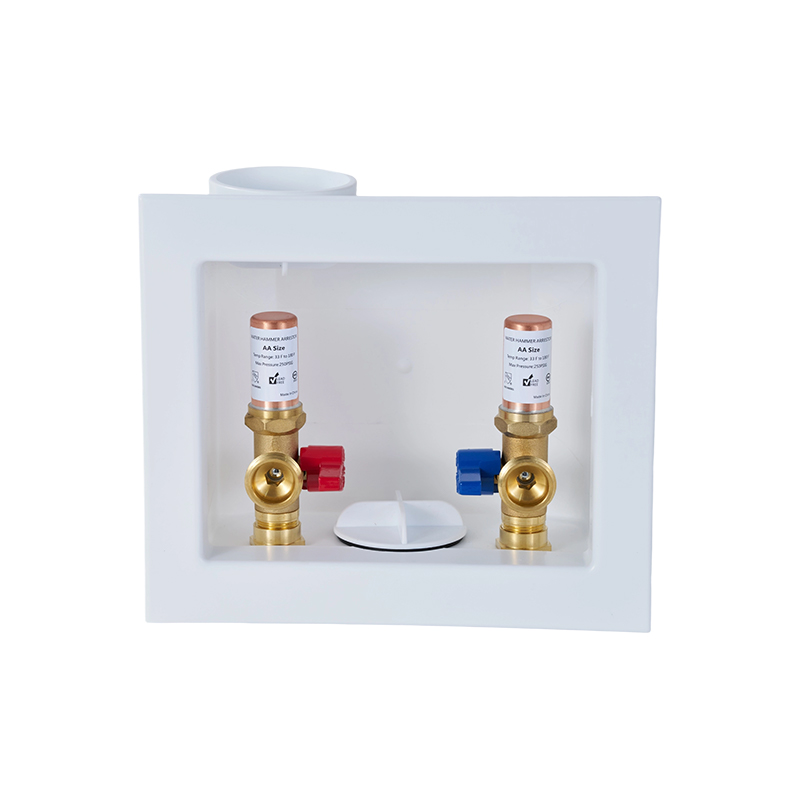
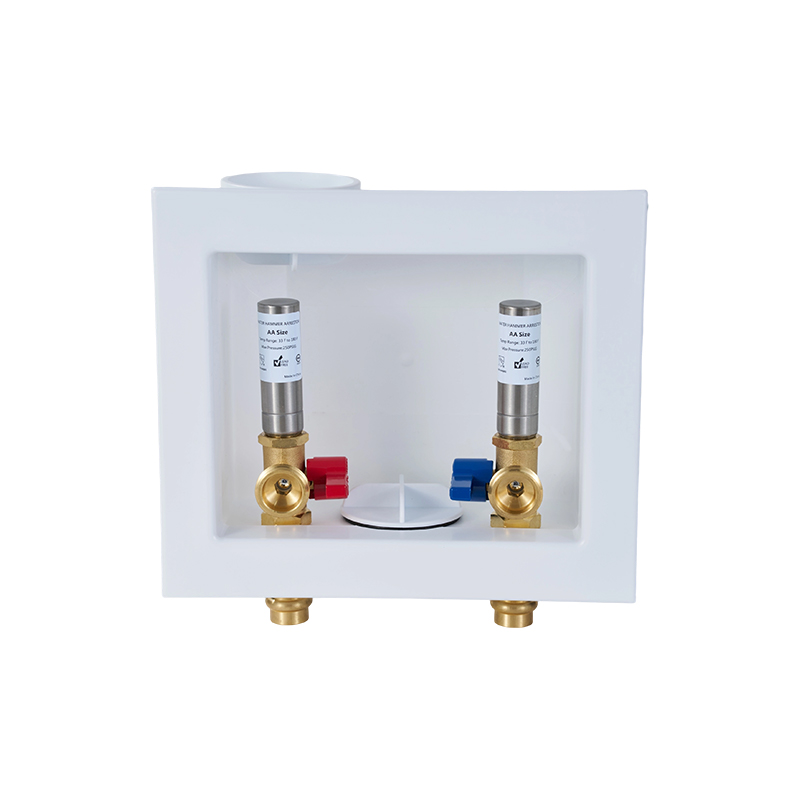
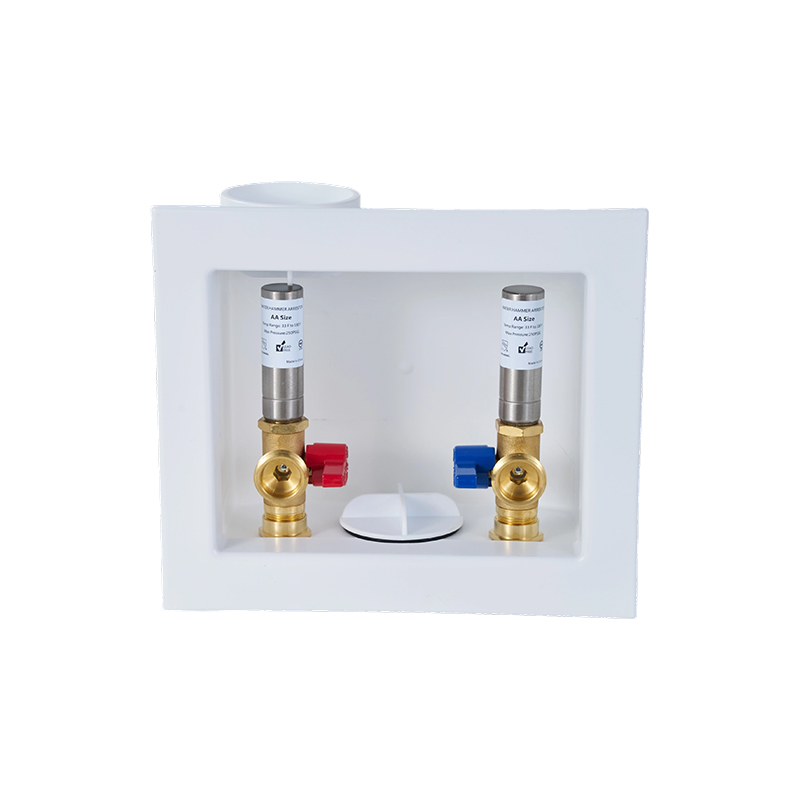
- Residential laundry rooms: Washing machines use solenoid-controlled inlet valves that can close rapidly during operation.
- Commercial buildings: Flushometers, sensor faucets, and automatic water controls may create repeated pressure fluctuations.
- Kitchen installations: Dishwashers and refrigerator ice makers have automatic water supply controls that require appropriate protection.
- Multi-unit residential developments: Numerous fixtures connected to shared branches create additional sizing and installation considerations.
Our recommendation at Shuihengyihao is to review the plumbing drawings and identify quick-closing valves before preparing a material quotation. This approach helps contractors estimate the required number of arrestors and related fittings instead of adding an arbitrary allowance to the project budget.
2. Calculate Equipment Costs Through Proper Sizing
Equipment sizing has a direct influence on the total procurement budget. A small unit may have a lower purchase price, but its capacity must match the hydraulic demand of the protected branch. An undersized arrestor may not provide the intended pressure-shock protection, while an unnecessarily large model can increase material expenditure without offering a practical project benefit.
Understand Fixture Unit Ratings
PDI-WH 201 provides a fixture-unit-based approach for determining water hammer arrestor sizes. The method considers the probable demand of connected fixtures and helps contractors match equipment capacity to the plumbing system.
The following table presents commonly referenced PDI size categories:
| PDI Size | Fixture Unit Capacity | Typical Application Consideration |
| AA | 1–3 | Small fixture demand |
| A | 1–11 | Light branch demand |
| B | 12–32 | Moderate branch demand |
| C | 33–60 | Higher fixture demand |
| D | 61–113 | Larger branch systems |
| E | 114–154 | High-capacity applications |
| F | 155–330 | Heavy fixture-unit demand |
These ratings provide a reference for budget planning, but the final equipment specification should follow the applicable sizing method, manufacturer instructions, and local plumbing requirements.
Consider Pipe Length and Operating Pressure
Fixture-unit calculations are not the only factors affecting the required equipment configuration. Branch length, pipe diameter, flow velocity, and operating pressure also influence the sizing decision.
- Branch length: A branch measuring 20 feet or less generally follows a different placement arrangement from a longer branch. PDI-based installation guidance may require an additional arrestor on branches exceeding 20 feet.
- Water pressure: Higher pressure conditions may require a larger arrestor or pressure regulation. Some manufacturer instructions recommend considering the next larger size above 65 PSIG.
- Flow velocity: Sizing recommendations commonly reference an average velocity not exceeding 10 feet per second.
- Pipe dimensions: Nominal pipe diameter and connection size should match the installation design.
At Shuihengyihao, we encourage buyers to provide their project drawings, fixture-unit calculations, and operating conditions during product inquiries. These details make it easier to discuss suitable specifications and prepare a more accurate equipment quotation.
3. Include Installation Labor and Connection Materials
The purchase price of the arrestor represents only part of the project expenditure. Installation labor, additional fittings, pipe preparation, and access arrangements can also affect the final quotation.
Evaluate Different Connection Requirements
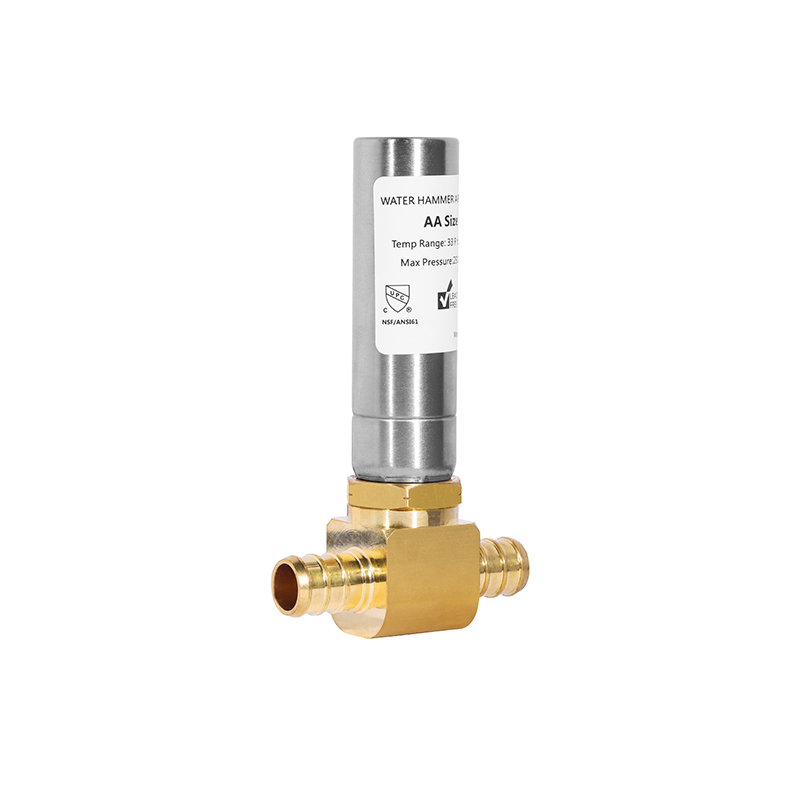
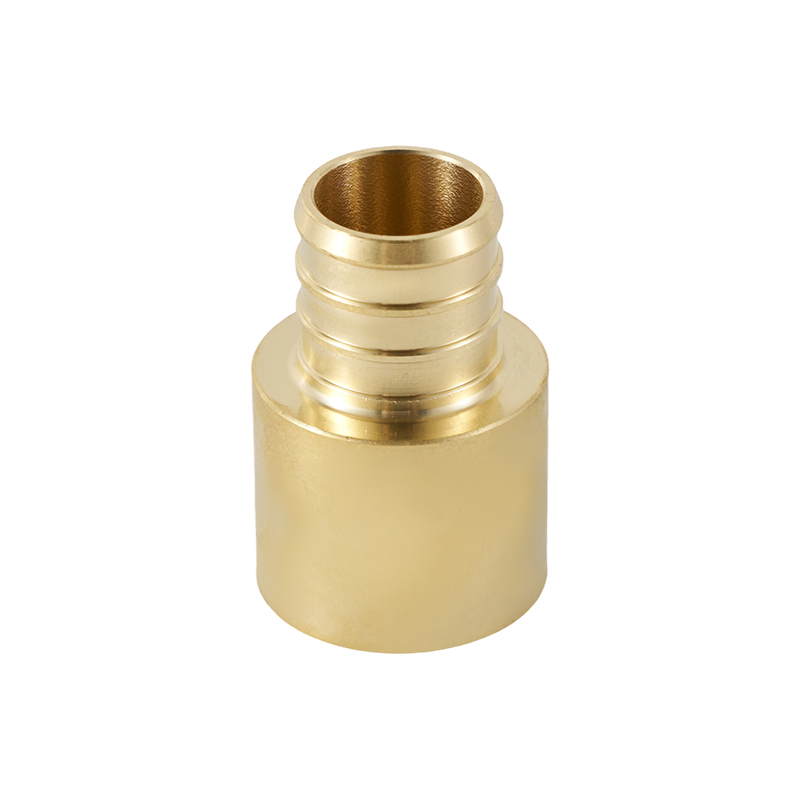
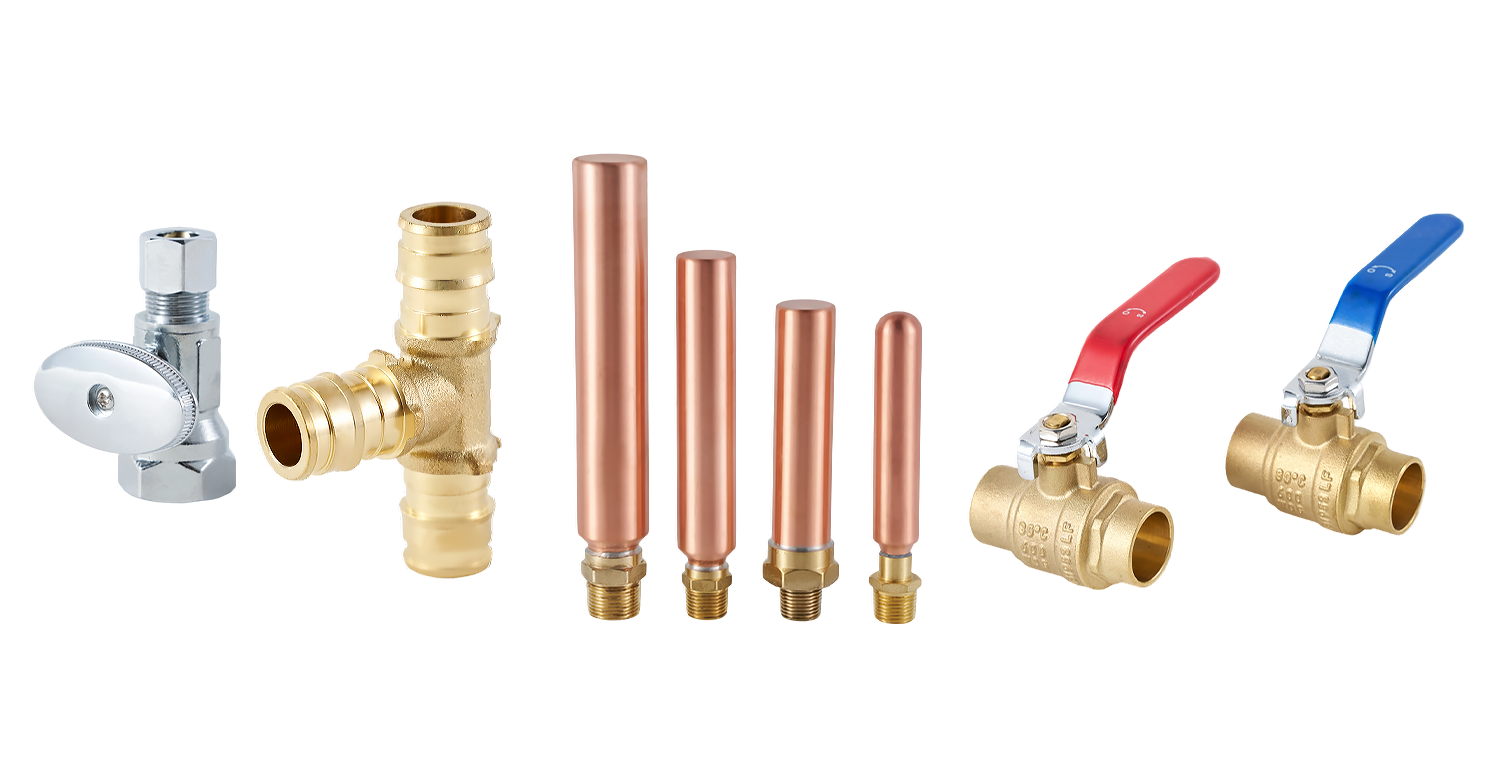
Water hammer arrestors are available with different connection configurations to accommodate various plumbing systems. Common options include threaded, soldered, press-fit, and PEX-compatible connections, depending on the product design.
Contractors should account for the following items during installation cost estimation:
- Threaded connections: Confirm the nominal thread size and compatible adapters. Appropriate thread sealant may also be required.
- Soldered connections: Include pipe cleaning, cutting, joint preparation, and suitable installation tools in the labor estimate.
- Press-fit connections: Verify fitting compatibility and whether the installation team has the required pressing equipment.
- PEX connections: Check the applicable connection system, including crimp or expansion fittings, rings, and installation tools.
Using a connection type compatible with the existing pipe network can reduce unnecessary adapters and simplify installation coordination. However, contractors should not assume that different connection systems are interchangeable. Product documentation and fitting manufacturer requirements need to be checked before ordering.
Account for Installation Access
Installation conditions can create substantial differences between projects with similar equipment quantities. Exposed piping generally requires less preparation than concealed plumbing inside finished walls or ceilings.
Budget estimates should consider:
- Pipe access and the working space available around the installation point.
- Additional cutting, drilling, and pipe modification work.
- Wall openings, access panels, and surface restoration where necessary.
- Water supply shutdown and system pressure testing.
- Coordination with electricians, cabinet installers, and other construction teams.
Our view at Shuihengyihao is that installation accessibility should be discussed during the quotation stage. A lower equipment price does not necessarily represent a lower completed project cost if the installation requires extensive additional work.
4. Compare Material Costs Without Ignoring Product Specifications
Contractors and distributors often receive quotations from multiple suppliers. Comparing prices is a normal part of procurement, but the evaluation should cover the complete product specification rather than the unit price alone.
Important Details to Include in Supplier Quotations
- Applicable standards: Confirm whether the product complies with ASSE 1010 and/or PDI-WH 201, as required by the project specification.
- Pressure rating: Review the stated working pressure and relevant operating conditions.
- Connection dimensions: Confirm nominal sizes, thread specifications, and connection configurations.
- Internal construction: Check the piston or bellows arrangement and the sealed chamber design.
- Material information: Review the specified body material, internal components, and corrosion-resistance requirements.
- Documentation: Request product drawings, technical data sheets, applicable certificates, and installation instructions.
These details help buyers distinguish between products with different technical capabilities and avoid purchasing equipment that does not match the project specification.
At Shuihengyihao, we believe transparent product information is an important part of supplier communication. A quotation should give buyers enough technical details to evaluate compatibility, capacity, and intended application before confirming their procurement requirements.
5. Estimate Long-Term Maintenance and Replacement Expenses
Initial procurement expenditure is only one part of a plumbing system's overall cost. Contractors responsible for commercial properties, residential developments, and facility maintenance should also consider future inspection and repair arrangements.
A properly specified, sealed water hammer arrestor is designed to provide a cushioning effect without relying on an open air chamber that can gradually become waterlogged. However, actual service life depends on product construction, water conditions, installation quality, and operating pressure.
Include These Maintenance Considerations
- Leak inspections: Examine connection points and nearby pipe joints for signs of water leakage.
- Operating noise: Investigate persistent banging or unusual pipe movement rather than assuming the arrestor is functioning correctly.
- Pressure conditions: Check system pressure and consider pressure regulation where readings exceed the design requirements.
- Replacement accessibility: Review the installation arrangement so maintenance personnel can reach relevant connections and components.
- Spare parts planning: Maintain appropriate replacement fittings and commonly used product specifications for larger property portfolios.
We encourage buyers to consider the expected maintenance arrangement during the initial purchasing discussion. A product that meets the project's technical requirements and has clear installation documentation can simplify future service work.
6. Build a Practical Water Hammer Control Budget
After reviewing the hydraulic requirements, material specifications, and installation conditions, contractors can organize the estimated expenditure into separate categories. This makes quotation preparation easier and helps project managers identify areas that require additional confirmation.
| Budget Category | Items to Evaluate | Cost Estimation Basis |
| Equipment | Arrestor size, capacity, connection type, and quantity | Supplier quotation |
| Connection Materials | Adapters, fittings, pipe sections, and sealing materials | Material list and project drawings |
| Installation Labor | Pipe preparation, assembly, and testing | Estimated working hours |
| Access Work | Wall openings, access panels, and surface restoration | Site inspection and construction scope |
| Quality Control | Specification checks, pressure testing, and documentation | Project inspection requirements |
| Future Maintenance | Inspection, spare fittings, and potential replacement | Facility maintenance plan |
A Simple Project Cost Calculation
Contractors can use the following calculation to establish a preliminary budget:
Total Estimated Cost = Equipment Cost + Connection Material Cost + Installation Labor + Access Work + Testing and Inspection + Maintenance Allowance
As an example, a residential development may require several arrestors across laundry rooms and other fixture branches. The purchasing team should calculate the required sizes and quantities for each branch, obtain matching supplier quotations, and then combine equipment costs with the installation team's estimated working hours.
This method provides a clearer financial picture than calculating expenditure solely from the number of plumbing fixtures. It also gives project managers a structured basis for reviewing quotation changes during construction.
7. Improve Procurement Coordination Through Early Specification Review
Procurement delays and specification changes can affect project schedules and increase administrative costs. A structured purchasing process helps contractors coordinate technical requirements with suppliers before installation begins.
At Shuihengyihao, we recommend preparing a purchasing specification that covers the following information:
- Project application and installation environment.
- Required PDI size or applicable fixture-unit capacity.
- Nominal connection dimensions and connection types.
- Operating pressure and relevant technical requirements.
- Applicable standards and supporting documentation.
- Estimated order quantities and delivery arrangements.
- Packaging, labeling, and spare equipment requirements.
Providing this information during the inquiry stage helps us understand the purchasing requirements and discuss suitable product configurations. It also reduces repeated communication caused by incomplete specifications or mismatched connection details.
Budget for the Complete Water Hammer Protection System
Water hammer control should be included in plumbing project planning as a combination of equipment, installation, and long-term service considerations. The purchase price of an individual component cannot represent the full expenditure of a completed protection system.
At Shuihengyihao, we focus on helping buyers evaluate product specifications, connection requirements, application conditions, and procurement details before placing an order. By reviewing fixture-unit demand, pipe dimensions, working pressure, installation access, and applicable standards, contractors can prepare more dependable project budgets and reduce unnecessary purchasing adjustments.
Planning a residential, commercial, or industrial plumbing project? Contact Shuihengyihao with your application details and technical requirements. Our team can discuss suitable water hammer protection configurations and provide product information to support your procurement planning.