

 English
 Español
 Français

A washing machine can finish a cycle quietly, yet the plumbing behind the wall may suddenly create a loud bang or vibration. This common issue is often caused by a rapid change in water flow. Modern washing machines use quick-closing solenoid valves, which can stop water movement within a short period and create a pressure wave inside supply pipes. A water hammer arrestor helps absorb this pressure energy and reduce the impact on the plumbing system.
Many homeowners and installers now face a practical question: should they install separate shutoff valves and water hammer arrestors, or choose combined Washing Stop Valves with Water Hammer Arrestor designs that integrate both functions into one assembly?
The answer depends on installation space, plumbing configuration, appliance requirements, and the level of pressure protection needed. Understanding how these combined products work can help users make better decisions for laundry room plumbing upgrades.
The Difference Between Traditional Stop Valves and Arrestor Integrated Designs
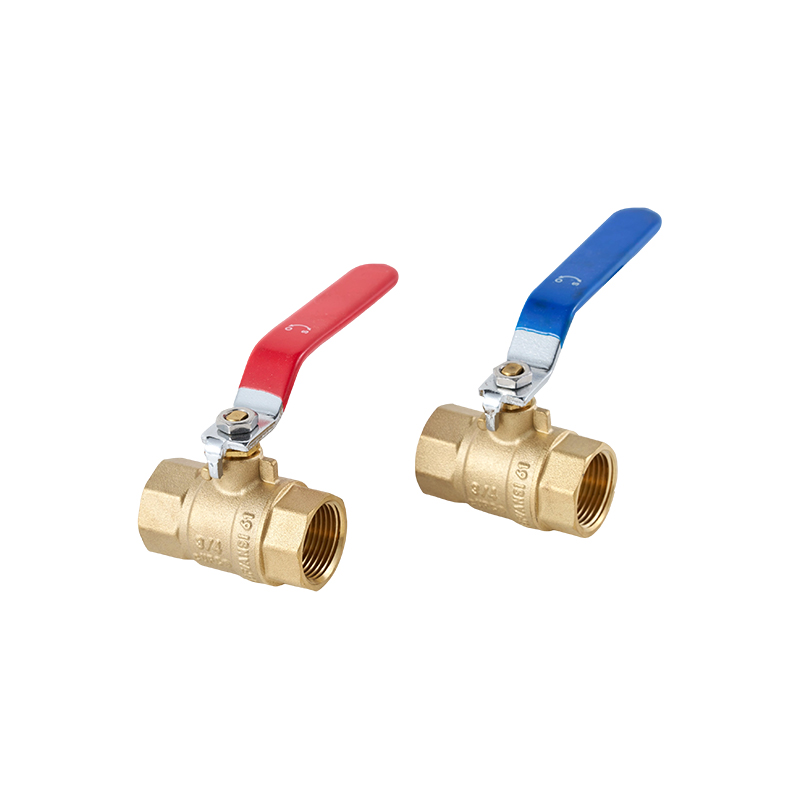
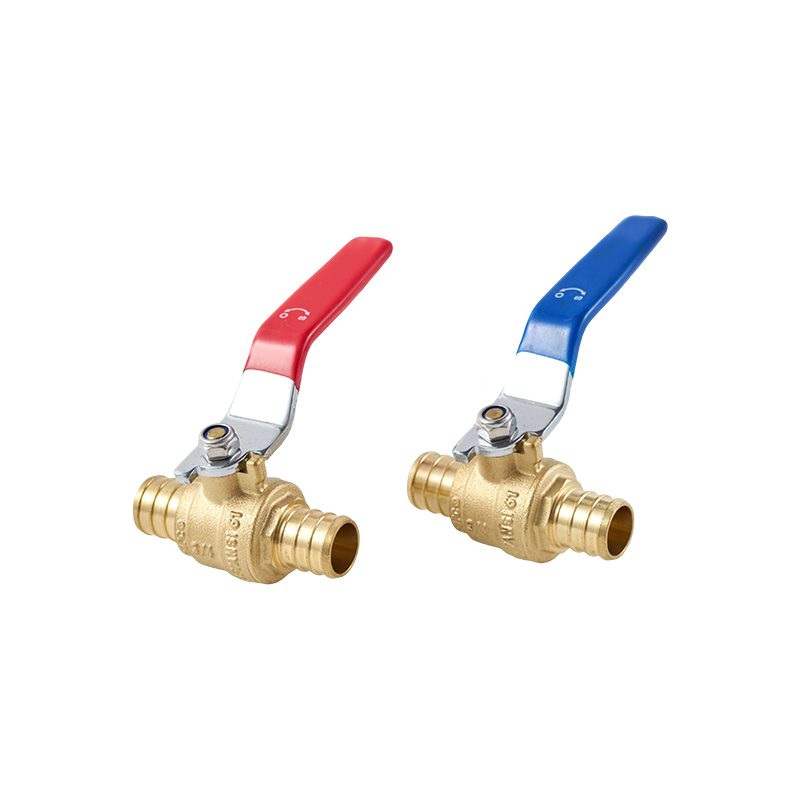
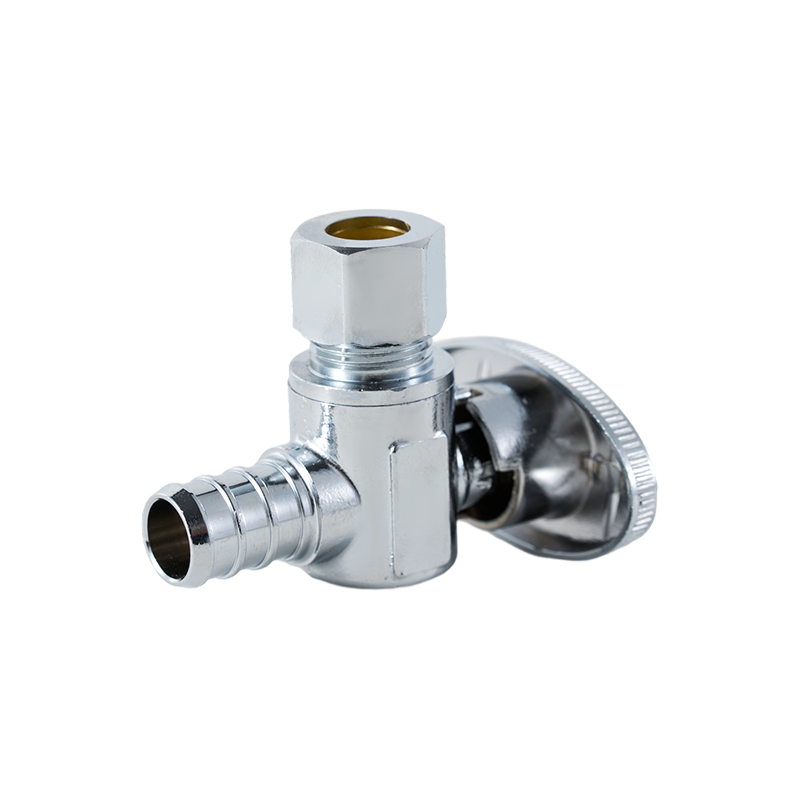
A traditional washing machine stop valve has one primary purpose: controlling water supply. It allows users to shut off hot and cold water lines during maintenance, appliance replacement, or emergency situations.
A water hammer arrestor serves a different function. It manages sudden pressure changes caused by fast-closing valves. Inside many arrestors, a piston or sealed chamber absorbs the shock wave created by rapid water flow interruption.
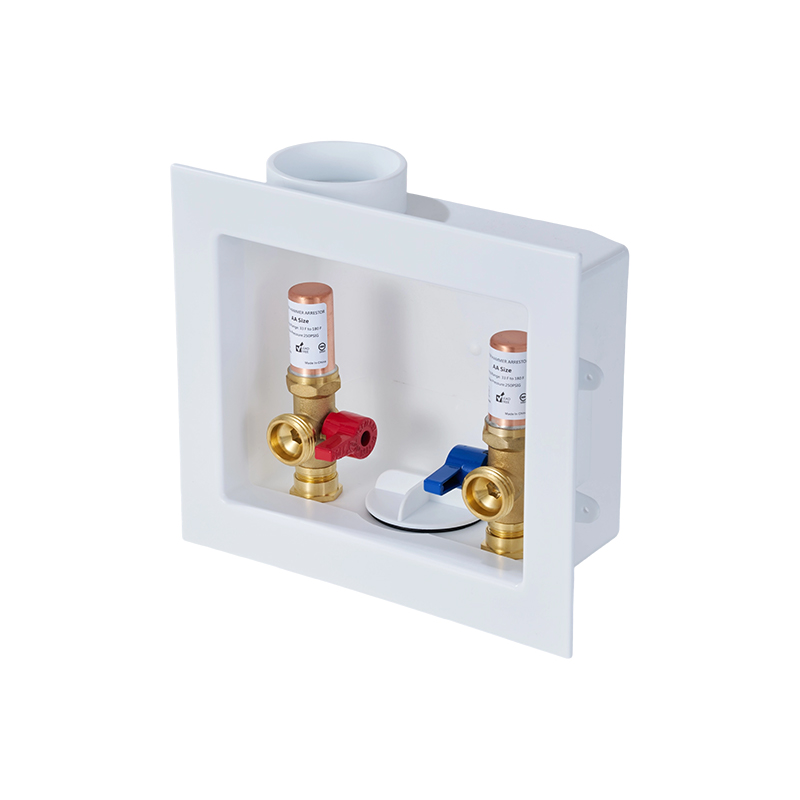
A combined valve and arrestor assembly brings these two functions together. Instead of installing separate components, users can have water shutoff control and pressure shock reduction in a single product.
- Standard stop valve: Controls water supply but does not manage pressure shock.
- Separate water hammer arrestor: Provides shock absorption but requires an additional connection point.
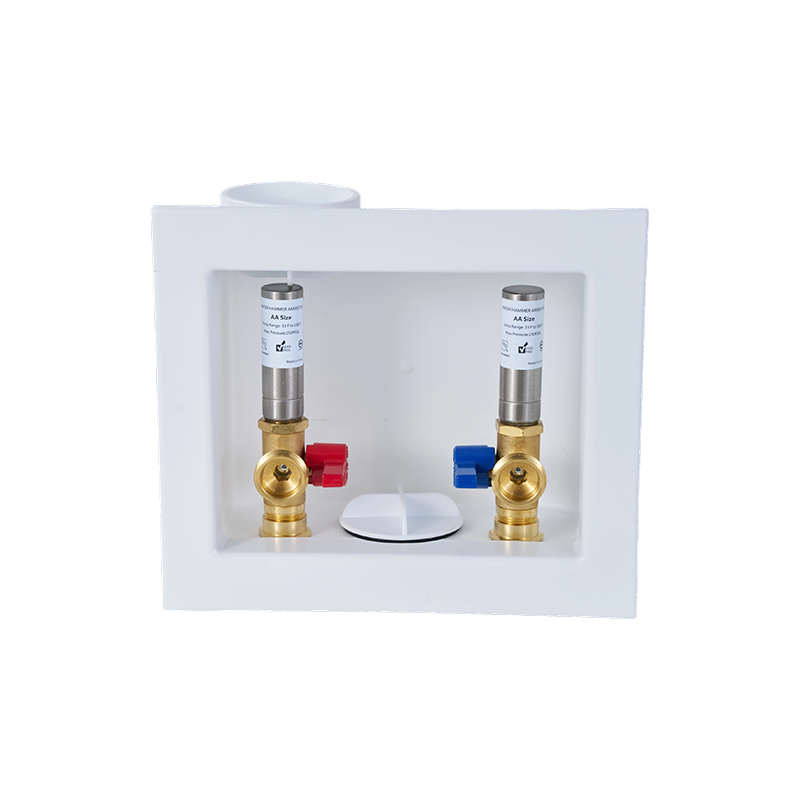
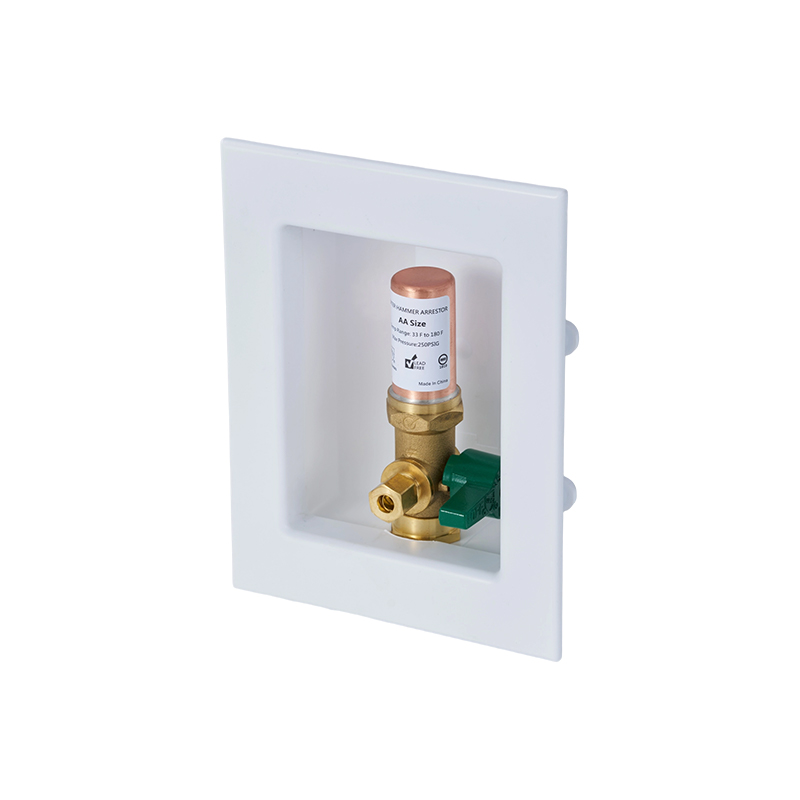
- Integrated valve with arrestor: Combines shutoff operation and hammer protection in one compact design.
How Washing Stop Valves with Water Hammer Arrestor Control Pressure Shock
The working principle of an integrated arrestor valve is based on pressure absorption. During normal washing machine operation, water flows through the valve toward the appliance. After the washing machine inlet valve closes quickly, the moving water column creates a pressure surge.
The internal arrestor chamber responds to this sudden pressure change. A piston or flexible component moves against a trapped air cushion, reducing the force transferred back into the supply pipes.
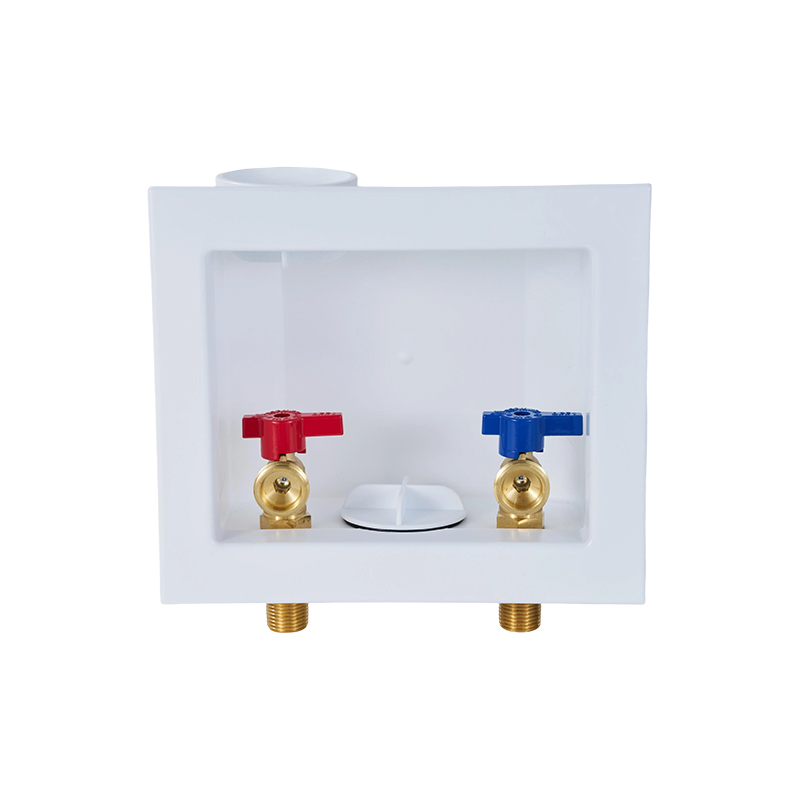
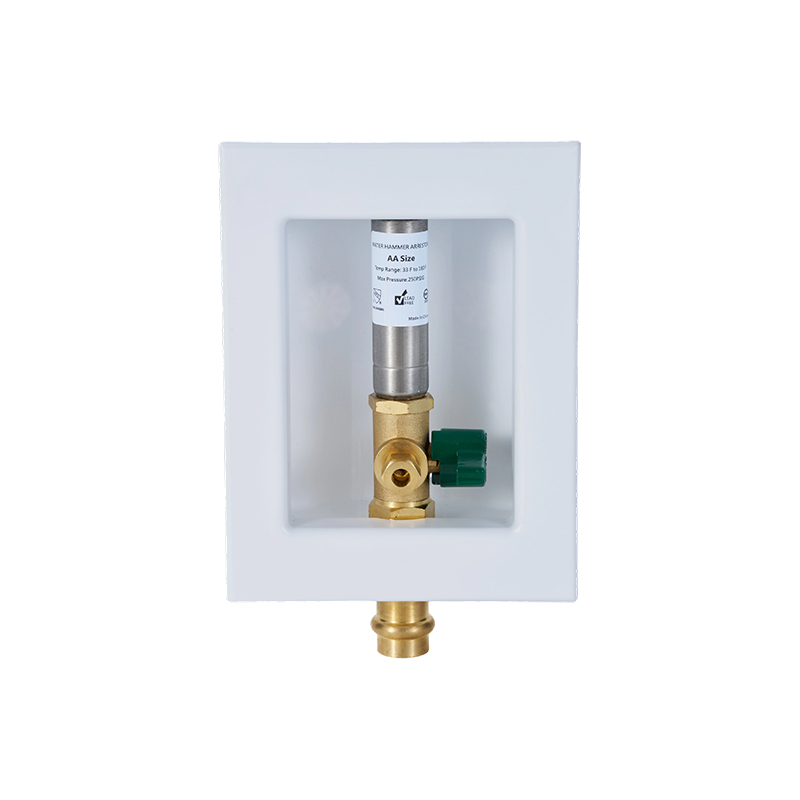
A typical washing machine valve assembly with built-in arrestor may include:
- Brass valve body: Provides mechanical strength and reliable water control.
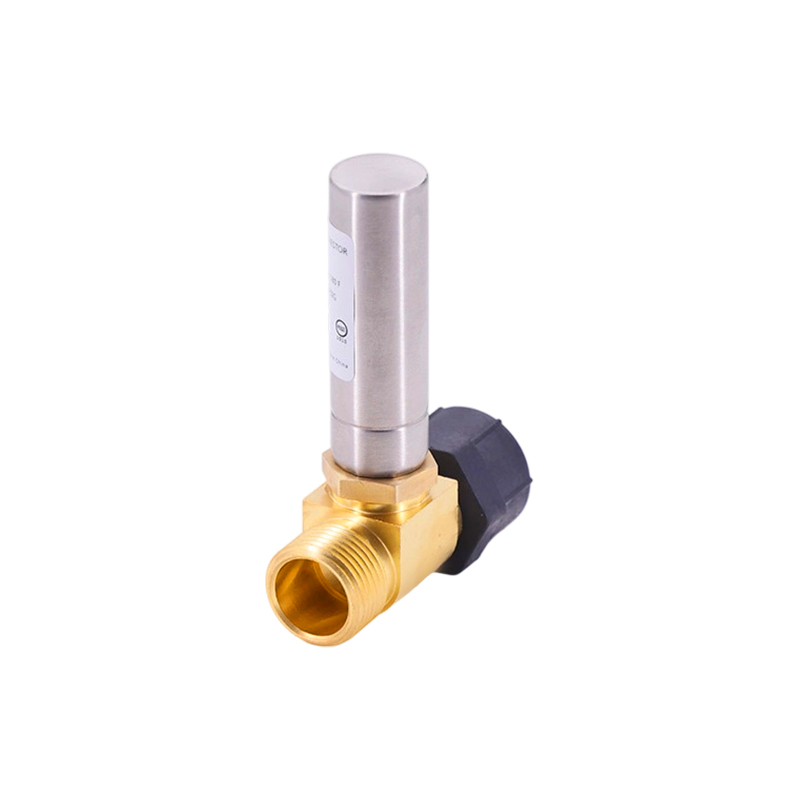
- Stainless steel arrestor tube: Offers corrosion resistance in humid laundry environments.
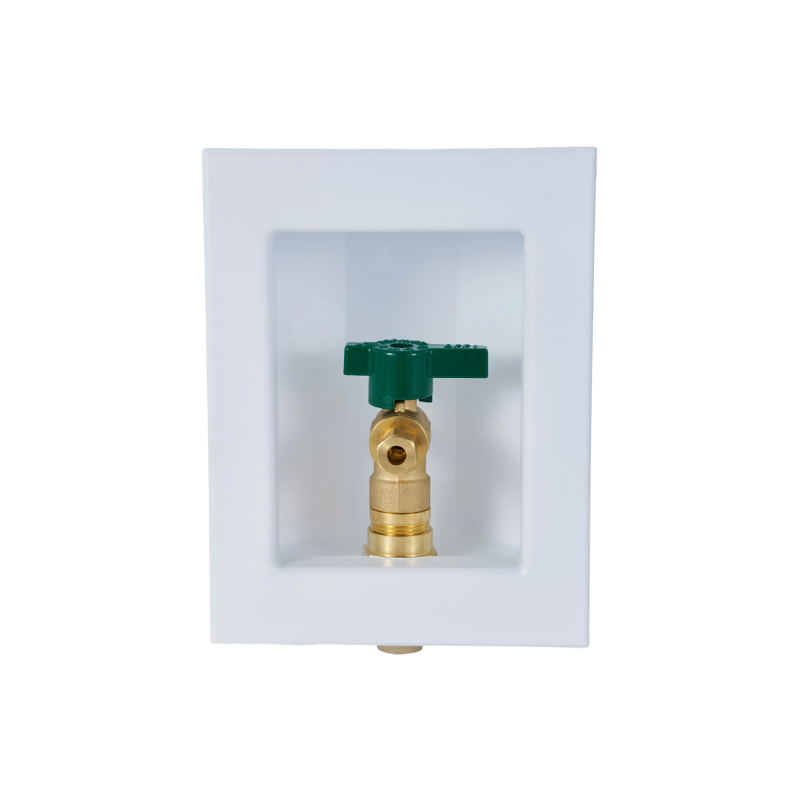
- Quarter-turn valve handle: Allows fast water shutoff with a simple movement.
- 3/4 inch hose connection: Matches common washing machine supply hose standards.
Some commercial products combine lead-free brass valves with 304 stainless steel hammer arrestor tubes to improve durability and reduce corrosion concerns.
One Combined Solution or Two Separate Components?
The choice between an integrated assembly and separate components depends on the plumbing situation. Both approaches can provide effective water hammer control, but each has different installation advantages.
Advantages of Integrated Valve and Arrestor Designs
A combined system is designed for users who want a cleaner installation with fewer connection points.
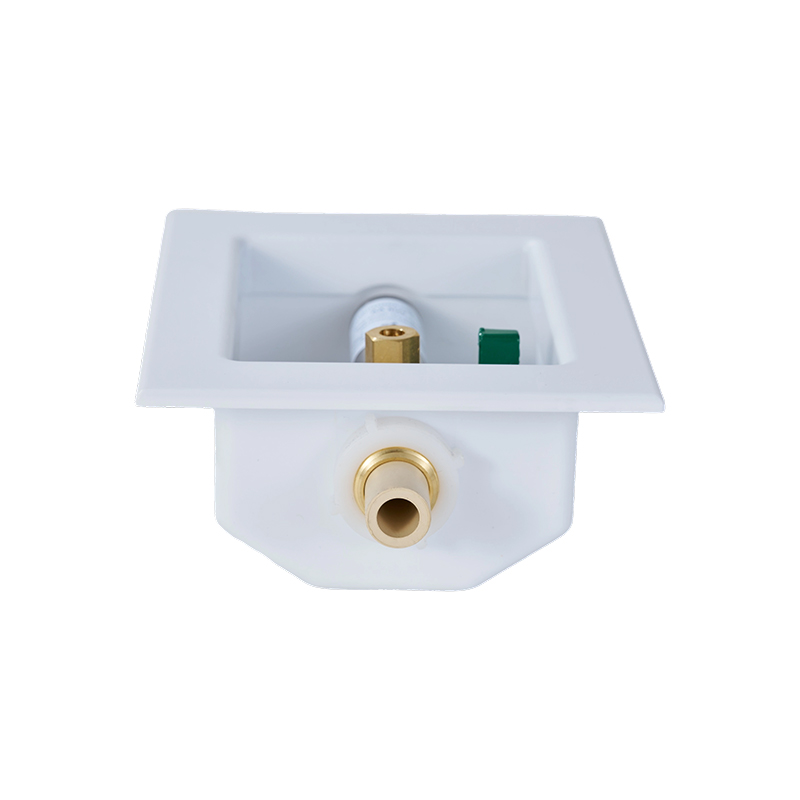
- Space saving: The arrestor is built into the valve structure, making it suitable for compact laundry boxes.
- Fewer fittings: Reduced connections may simplify installation and decrease potential leakage points.
- Convenient replacement: Users can upgrade older washing machine valves with a combined protection solution.
- Neater appearance: The plumbing area behind the washer remains more organized.
Situations Where Separate Arrestors May Be Useful
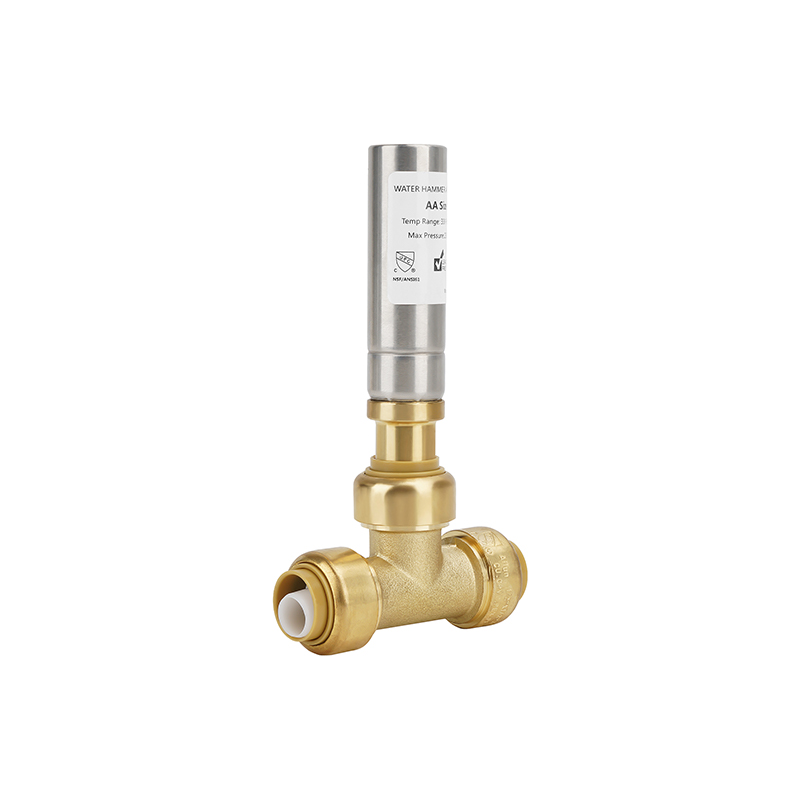
Separate arrestors still have value in certain plumbing systems. Some installations already have existing shutoff valves that are functioning correctly, making an additional arrestor a practical upgrade.
- Existing outlet boxes: Adding an external arrestor avoids replacing the entire valve assembly.
- Multiple noise sources: Additional fixtures may require individual shock protection.
- Flexible placement: Separate units can sometimes be installed closer to the source of vibration.
Does Valve Design Influence Water Hammer Performance?
The valve itself plays an important role in water hammer behavior. A fast-closing valve can create stronger pressure waves compared with a valve that gradually reduces flow. Washing machines are a common example because their electronic inlet valves open and close automatically.
However, the arrestor does not replace proper valve selection. A complete solution requires matching the valve assembly with the plumbing system.
Important factors include:
- Water pressure: Higher system pressure can create stronger hydraulic shock.
- Pipe length: Longer supply lines may allow pressure waves to travel farther.
- Pipe support: Loose pipes can increase knocking sounds even after arrestor installation.
- Appliance valve speed: Faster closing cycles require effective shock absorption.
Some users report that installing arrestors reduces washing machine noise, while remaining vibration may come from unsecured pipes or other plumbing conditions.
Technical Details to Review Before Installation
Before installing Washing Stop Valves with Water Hammer Arrestor, users should check several specifications to ensure compatibility.
| Specification | Common Feature | Purpose |
| Valve Material | Lead-free brass | Provides durable water control |
| Arrestor Material | SS304 or corrosion-resistant alloy | Improves durability in wet environments |
| Outlet Connection | 3/4 inch hose thread | Matches washing machine hoses |
| Valve Style | Quarter-turn ball valve | Allows quick shutoff operation |
| Pressure Rating | Common residential ratings around 150 psi | Supports household plumbing conditions |
Installation Location Matters More Than Expected
Even a high-quality arrestor valve requires proper placement. Installing the device close to the washing machine supply connection allows it to react quickly after the appliance valve closes.
Many washing machine arrestor products are designed to connect directly to the water supply outlets or washing machine hose connections. Some models support vertical, horizontal, or angled installation depending on the product design.
During installation, users should pay attention to:
- Available space behind the washing machine.
- Accessibility of valve handles.
- Correct hot and cold water connection.
- Secure hose attachment without excessive bending.
A Practical Upgrade for Modern Laundry Plumbing
The debate between one fix or two solutions depends on the specific plumbing environment. Washing Stop Valves with Water Hammer Arrestor provide a convenient combination of water control and pressure protection, especially for new installations or laundry areas with limited space.
Separate arrestors remain useful for upgrading existing systems where valve replacement is unnecessary. The key factor is not simply the number of components but whether the selected solution matches the appliance behavior, pipe layout, and operating pressure.
As washing machines continue using faster automatic valves, integrated stop valve and arrestor designs offer a practical way to reduce pressure shock while keeping laundry plumbing easier to manage.