

 English
 Español
 Français

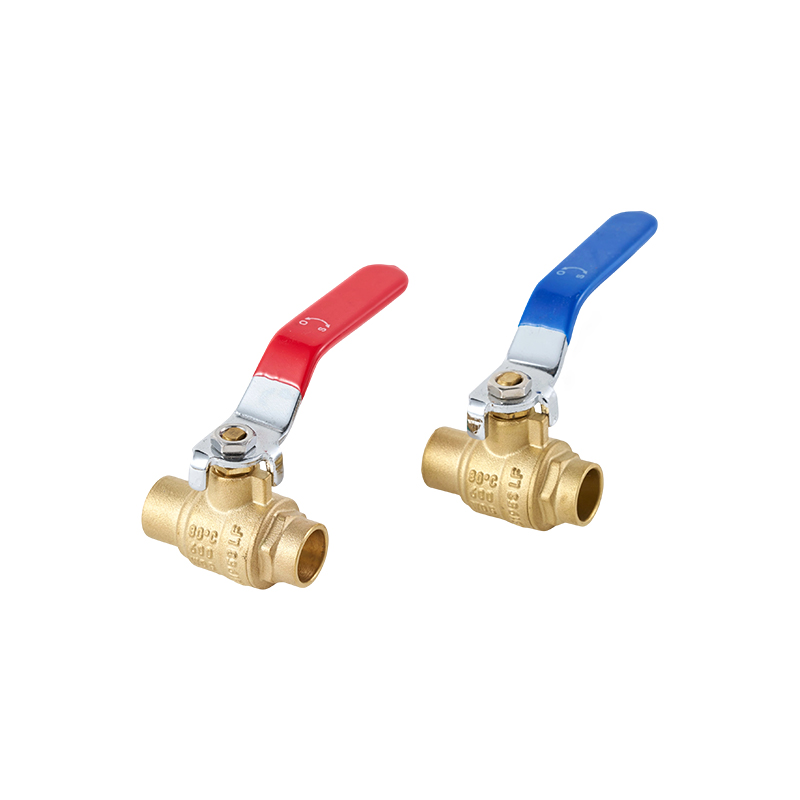
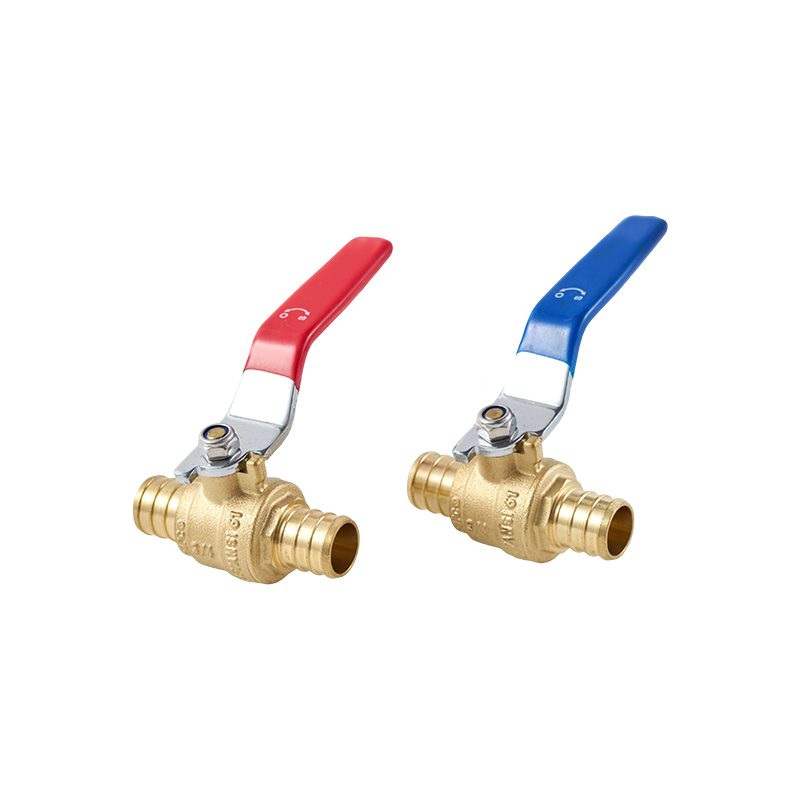
Installing a Press Brass Ball Valve is often considered a fast and reliable method for controlling fluid flow in piping systems. However, users sometimes notice minor leaks emerging after installation, prompting questions about the valve’s sealing performance. Even though Ball Valves are designed to provide a tight shutoff, improper handling, installation stress, or material issues can occasionally compromise seal integrity.
Understanding why these seals might fail and what steps can prevent early leakage is crucial for homeowners, plumbers, and industrial installers. Manufacturers like Taizhou Shuihengyihao Fluid Technology Co.,Ltd. emphasize proper press-fitting procedures to minimize post-installation issues and maintain valve reliability over time.
Why Valve Seals May Fail
Seal failure in ball valves is usually not sudden but develops gradually due to mechanical or environmental factors. Users frequently share the following experiences:
1. Incompatible Fluids or Pressure Conditions
Brass ball valves have specific design limits for temperature, pressure, and fluid type. Exceeding these limits can cause the internal o-ring or seat material to deform, causing leaks. This is especially relevant in systems with high-temperature water or non-potable fluids.
2. Installation Stress
Press brass ball valves are crimped tightly onto the piping. If the pipe is slightly misaligned or the pressing tool is not calibrated, the internal ball and seal can experience uneven forces. Over time, this stress may reduce the seal’s ability to fully contain water flow.
3. Minor Debris at Installation
Even microscopic particles trapped inside the valve during press-fitting can prevent perfect sealing. Users often report that flushing the system before installation helps avoid premature seal failure.
4. Lack of Periodic Operation
Seals benefit from gentle movement during initial use. Valves that remain stationary for months after installation can develop stiff seats, making the seal less effective once the valve is operated.
Identifying Early Signs of Seal Failure
Homeowners and technicians can watch for several indicators of potential seal issues:
Drips at the Valve Stem or Body – A small continuous drip may indicate packing or seat deterioration.
Resistance or Grinding – If the valve handle feels rough or sticky, debris might be interfering with the seal.
Partial Shutoff – Water continues to flow even when the valve is fully closed, signaling seat deformation or misalignment.
Recognizing these early signs allows for timely intervention before a small leak develops into a more significant problem.
Steps to Protect Press Brass Ball Valve Seals
Preventing post-installation seal issues is largely about careful handling and maintenance:
Check Press Tool Calibration
Ensuring the press tool applies uniform pressure avoids deforming internal components.
Clean Pipes Thoroughly
Remove any sediment, scale, or metal shavings before pressing the valve onto the line.
Operate the Valve Smoothly
Turning the valve a few times immediately after installation helps seat the o-rings and prevents initial sticking.
Monitor Operating Conditions
Keep water pressure and temperature within the manufacturer’s recommended range to protect seals from premature wear.
Why Press Brass Ball Valves Are Reliable Despite Concerns
Although seal issues can occur, press brass ball valves remain popular because they combine fast installation with a robust, long-term solution for water flow control. Unlike threaded or soldered valves, press connections reduce human error from improper joint sealing. more failures are avoidable with proper preparation, installation technique, and periodic maintenance.
Selecting quality valves, such as those provided by Taizhou Shuihengyihao Fluid Technology Co.,Ltd., combined with careful attention during installation, ensures that Ball Valves and press brass variants perform efficiently without leaks or operational issues.