

 English
 Español
 Français

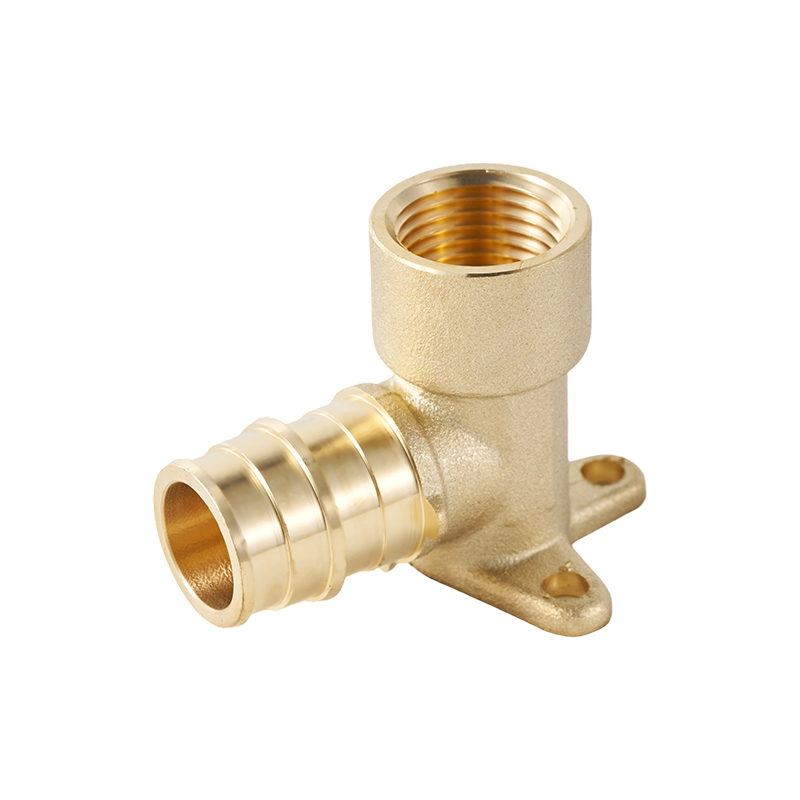
Brass remains one of the more common materials used in PEX Pipe Fittings, valued for strength and corrosion resistance under normal conditions. Yet questions about leakage around brass components keep appearing across forums and search queries. When these brass fittings are part of larger plumbing assemblies — including systems using Industrial Pipe Fittings in commercial buildings — understanding potential leak causes becomes crucial for installation teams and end users alike.
Plumbing professionals and homeowners regularly discuss these issues, and industry observations help clarify what actually drives leaks in brass PEX connections.
What Users Report: Leaks Around Brass Fittings
People on community platforms often share concerns such as:
Water slowly dripping at a brass elbow or tee joint
Fittings that seemed fine at installation but fail months later
White or green buildup around joints, suggesting internal metal changes
These concerns frequently stem from two broad sources: material reactions inside the brass, and connection integrity between pipe and fitting.
Why Brass Fittings Can Leak
Brass fittings are durable but not immune to issues when faced with certain conditions. Common contributing factors include:
Improper flange or O-ring seating – Fittings must be aligned and torqued correctly. An over-tightened nut can damage the O-ring, while under-tightening fails to compress the seal sufficiently.
Wear and tear over time – Repeated thermal expansion and contraction cycles (hot water heating then cooling) can weaken joints, especially where expansion differences exist between pipe and metal.
Corrosion from water chemistry – In aggressive water conditions (e.g., high chlorine or mineral content), brass can undergo dezincification, where zinc is selectively leached from the alloy, leaving a brittle, porous copper structure. This process can create pinholes or small leaks at fittings.
Poor fitting materials – Some older or lower-grade brass alloys contained high zinc portions that are more prone to degradation under certain conditions.
How Water Chemistry Influences Leak Risk
Water quality has a significant impact on brass fitting performance. Hard water or highly chlorinated supply lines can accelerate corrosion processes, particularly in systems where the supply line pressure fluctuates frequently or remains high. Water that is slightly acidic or has high oxygen content can enhance material breakdown at small crevices or around softer metal-to-plastic interfacing points in fitted joints.
Real User Scenarios
In user discussions, many plumbers note that PEX Pipe Fittings themselves are often not the direct cause — it’s how the brass part was installed or the conditions it has been operating under:
Some report slow leaks shortly after installation when crimp rings were misaligned or improperly installed.
Other scenarios include joints that look outwardly sound but are leaking due to microscopic corrosion that begins inside the brass fitting and shows up only after weeks of use.
Industrial plumbing practitioners also find that repeated cycling — as in mechanical systems, boiler supply loops, or hot-cold wash cycles — places stress on both brass and polymer components, demanding fittings rated for the application’s specific pressure and thermal range.
Choosing the Right Fittings and Practices
To reduce leak risk around brass fittings in PEX Pipe Fittings and larger systems that include Industrial Pipe Fittings, consider these practical pointers:
1) Use dezincification-resistant (DZR) alloys: Modern DZR brass dramatically cuts down the potential for dezincification by limiting the zinc content and stabilizing the alloy in aggressive water conditions.
2) Handle installation carefully: Avoid overtightening torsion nuts, check orientation, and use factory-approved torque guides and tools. Diligent installation reduces mechanical stress on O-rings and seals.
3) Monitor water quality: Hard water, high chlorine levels, and extreme pH shifts can influence corrosion rates. Water testing can help determine if additional treatment (such as a softener) is needed.
4) Choose quality products: Metallurgy and manufacturing consistency matter. Taizhou Shuihengyihao Fluid Technology Co., Ltd. offers fittings engineered to consistent dimensional tolerances and material grades that improve joint reliability in both residential piping and industrial fluid systems.
Symptoms That Suggest a Brass Fitting Issue
Common signs that brass PEX fittings may be compromised include:
Visible discoloration or chalky deposits at the joint
Persistent fine drips even when sealing rings appear intact
Reduced flow from partial blockage within the fitting
Water stains or wet spots near concealed joints
All of these merit evaluation sooner rather than later to prevent larger leaks and water damage.