

 English
 Español
 Français

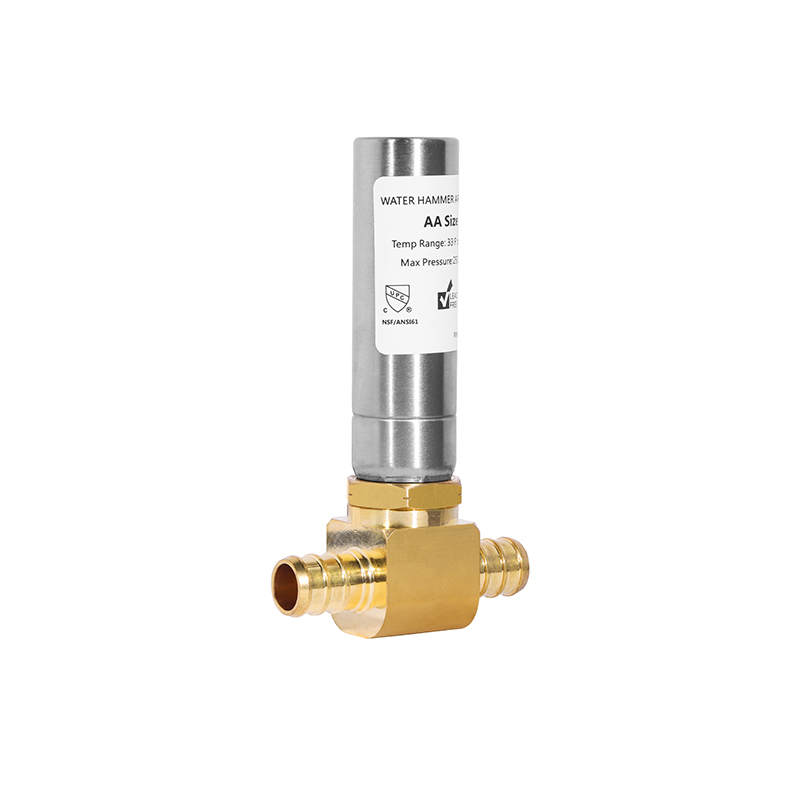
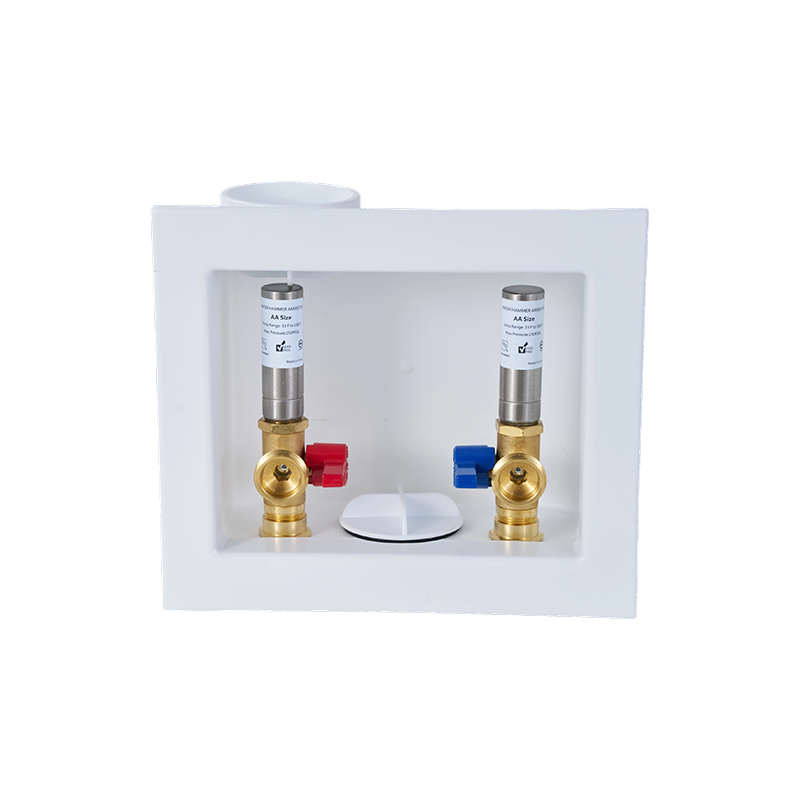
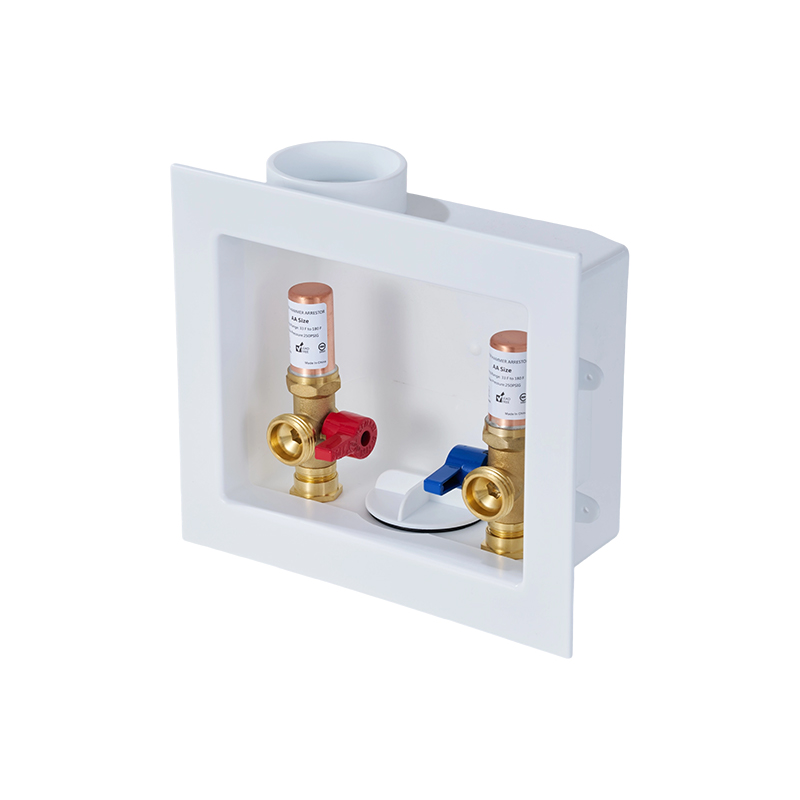
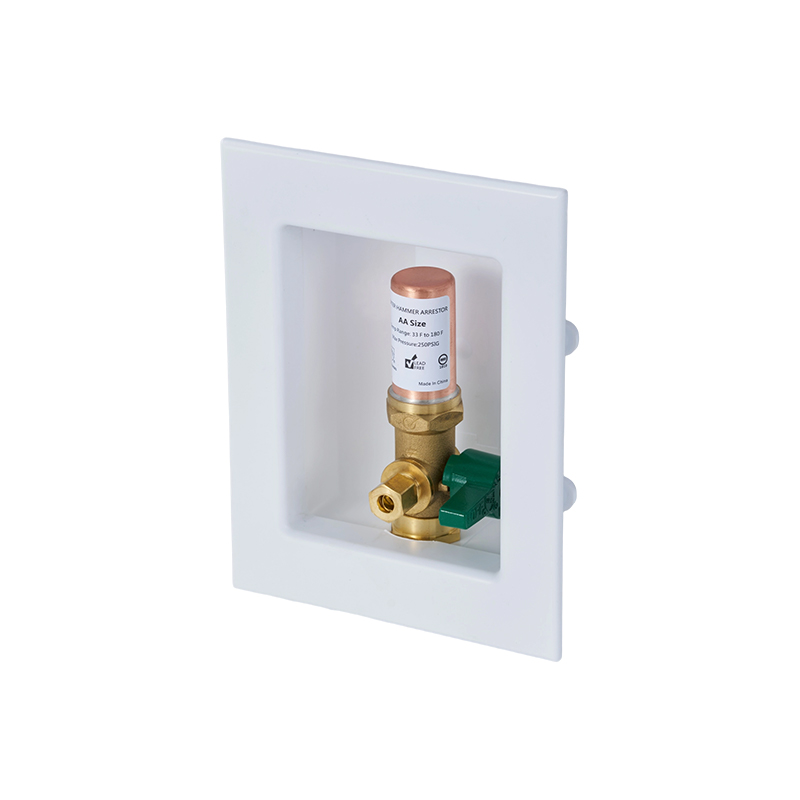
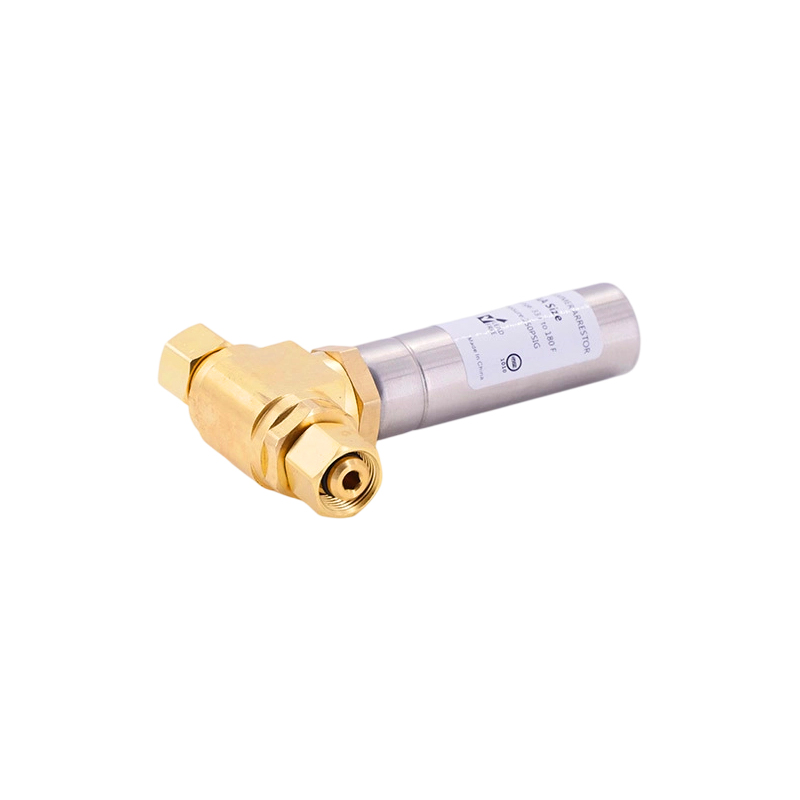
Water hammer is a sudden surge of pressure in plumbing systems that can damage pipes, valves, and appliances over time. A properly sized water hammer arrestor is essential to prevent these issues. Modern plumbing often relies on a variety of arrestor types, including Copper Water Hammer Arrestor models and Stainless Steel Water Hammer Arrestor units, each offering distinct durability and corrosion resistance characteristics.
Understanding Water Hammer Arrestor Functions
A water hammer arrestor absorbs the shock created by sudden stops in water flow. By containing a small air cushion or hydraulic mechanism inside, it dissipates kinetic energy before it damages the plumbing system. Key benefits of proper arrestor sizing include:
- Reducing pipe noise and vibrations
- Preventing leaks and joint failures
- Extending the life of valves, pumps, and faucets
Copper Water Hammer Arrestor units are particularly effective in residential applications due to their thermal conductivity and long-term reliability, while Stainless Steel Water Hammer Arrestor models are ideal for commercial or high-pressure industrial setups because of their superior corrosion resistance and structural integrity.
Factors Influencing Arrestor Size
Several variables affect the size of the water hammer arrestor you need:
- Pipe Diameter and Material
Larger diameter pipes contain more water volume, creating stronger hydraulic shocks. Copper piping generally allows for smaller arrestors because of its flexibility, whereas rigid materials like PVC or stainless steel may require larger or multiple arrestors to achieve the same damping effect. - Flow Velocity and System Pressure
High-pressure systems with fast-closing valves, such as those found in industrial plants or multi-story buildings, necessitate larger arrestors. Standard domestic water pressures around 40–60 psi usually work well with smaller Copper Water Hammer Arrestor units, while high-pressure conditions exceeding 80 psi benefit from stainless steel models. - Number of Fixtures and Valves
Every valve that closes rapidly contributes to cumulative pressure surges. For systems with multiple fixtures, installing arrestors near each shock-prone valve is more effective than relying on a single central unit. - Distance from Valve to Main Supply
The longer the pipe run, the greater the potential water volume in motion. Extended runs may require larger capacity arrestors to fully absorb the energy from water hammer.
Technical Specifications
Copper Water Hammer Arrestor Features:
- Nominal pressure rating: 125–200 psi
- Connection types: sweat, compression, or threaded
- Available sizes: 3/8 inch, 1/2 inch, 3/4 inch
- Ideal for hot and cold water lines in residential plumbing
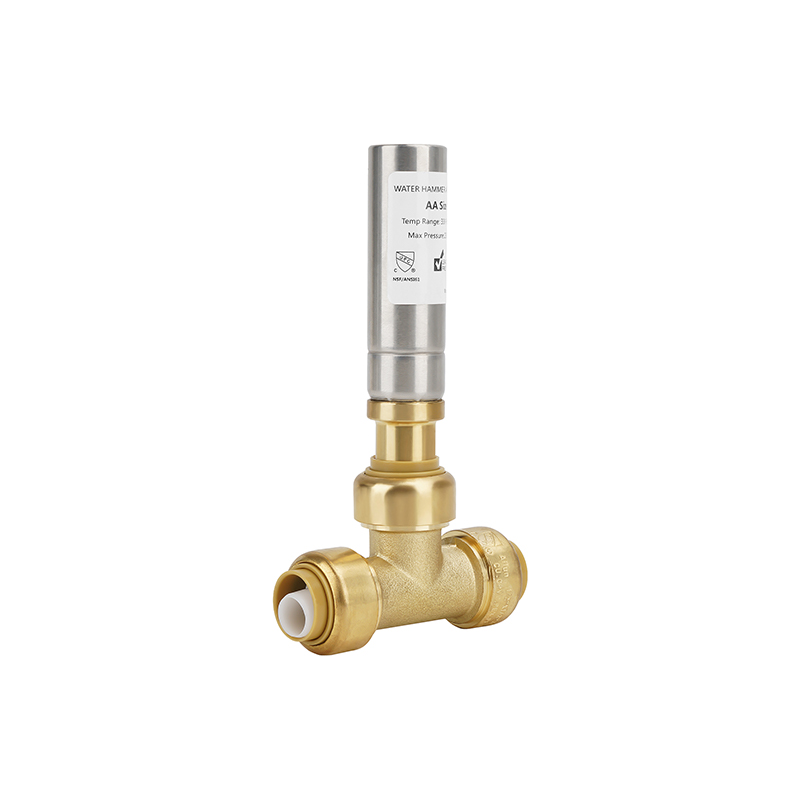
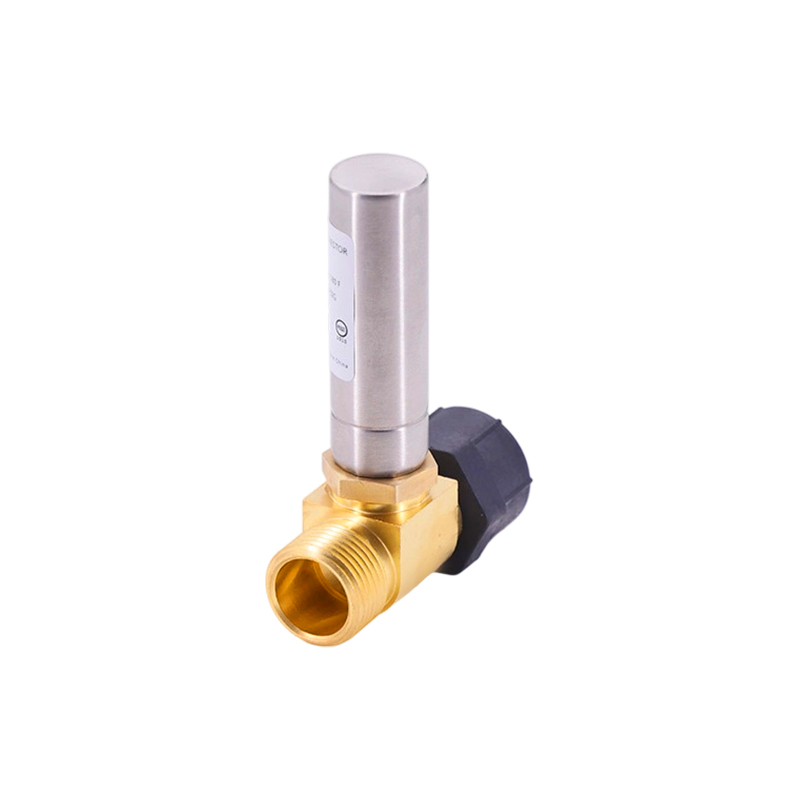
Stainless Steel Water Hammer Arrestor Features:
- Nominal pressure rating: up to 300 psi
- High resistance to corrosion and scaling
- Threaded connections for industrial and commercial applications
- Recommended for systems with aggressive water chemistry or outdoor exposure
Understanding these parameters helps ensure correct sizing and prevents premature failure.
Practical Sizing Tips
- Volume Calculation: Determine the total water volume in the piping section to estimate the energy absorption needed. Larger volumes require higher capacity arrestors.
- Pressure Rating Check: Ensure the arrestor’s maximum pressure rating exceeds the system’s operating pressure by at least 20% to account for surges.
- Air Cushion Maintenance: Some units feature pre-charged nitrogen gas cushions. Verify that the gas charge meets manufacturer specifications for optimal performance.
- Installation Location: Place arrestors as close as possible to fast-closing valves like washing machines, dishwashers, or solenoid-operated valves.
Advanced Considerations
- Multiple Arrestors: Complex plumbing networks may benefit from using several smaller units instead of one large arrestor, improving energy dissipation and reducing noise.
- Temperature Ratings: Copper arrestors generally tolerate temperatures up to 250°F, while stainless steel models can handle 300°F or more, suitable for commercial hot water systems.
- Digital Flow Monitoring: High-end stainless steel units can integrate with sensors to monitor flow dynamics, allowing predictive maintenance and early detection of pressure anomalies.
Our Company’s Recommendations
Our company provides a complete range of Copper and Stainless Steel Water Hammer Arrestor products suitable for residential, commercial, and industrial applications. The sizing process begins with a site survey to evaluate pipe diameters, pressure, valve types, and system length. By combining these variables with the technical data of our arrestors, our engineers determine the optimal unit or combination of units to fully protect your plumbing system.
For guidance on selecting the correct size for your specific needs, explore our full catalog. Our team can provide detailed calculations and recommend whether copper or stainless steel solutions—or a hybrid approach—best fits your system.