

 English
 Español
 Français

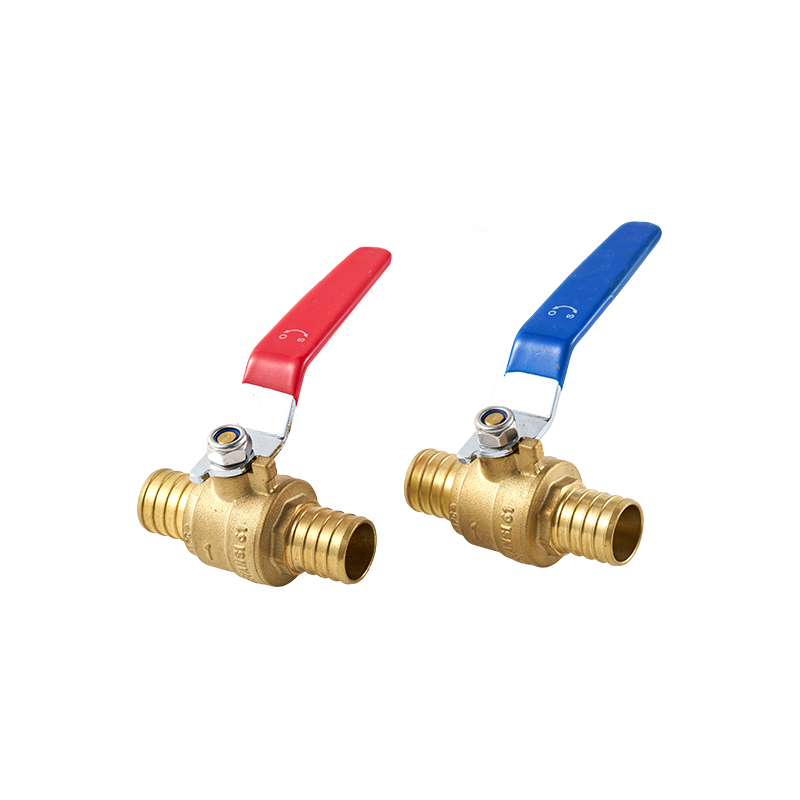
Small leaks and dripping joints can ruin a road trip just as fast as a flat tire. Many RV owners discover that problems in the plumbing aren’t always the tank, but where the PEX Pipe Fittings connect to tubing and fixtures — especially when flexible hoses, vibration, and temperature swings are part of everyday use. In both residential plumbing and light commercial applications that also make use of Industrial Pipe Fittings, connection integrity plays a huge role in overall system reliability. Beyond improper tool use, a combination of design choices, vibration, and mismatched materials are frequently cited in user communities and technical write-ups as triggers for leaks and failures.
Vibration and Movement: An Everywhere Risk
Unlike stationary home plumbing, RV plumbing must withstand constant motion. The water pump, road vibration, and flexible tubing movement can all place ongoing stress on welded joints and fittings.
RV plumbing lines are made using PEX or flexible poly tubing under floors, behind cabinets, or within wall cavities.
Vibrations from travel cause tiny movements at the joints, especially where a flexible hose meets a rigid PEX barb. Over time, this can wear O-rings or loosen clamped connections enough that leaks begin.
Long, unsupported runs can also sag, creating leverage that weakens joint integrity and accelerates wear.
RV owners on social platforms note that the root issue often isn’t the PEX tubing itself, but the transitions between materials and how components are joined — particularly when flexible lines are bound directly to fittings without appropriate adapters.
Wrong Connections: Mismatches Bite Back
A commonly reported frustration is seeing fittings used in ways they weren’t intended:
One frequent complaint involves PEX connectors forced onto vinyl or flexible hoses with simple clamp rings. Those hoses often have slightly different diameters and textures, so the clamp doesn’t achieve a stable seal.
Users on RV forums state that this specific material mismatch almost inevitably leads to slow, drip-style leaks. Replacing those with proper PEX-to-flex adapters or using continuous PEX runs eliminates many of the problematic joints.
This principle — that fittings designed for one material shouldn’t be repurposed on another — also applies in broader systems with Industrial Pipe Fittings. Always verify that the fitting type, diameter, and connection style are engineered for the tubing used.
Installation Errors Highlighted by Users
Community discussions among RV enthusiasts reveal a few recurring themes in failed PEX connections:
Incorrect crimps or improperly seated barbs on PEX fittings. A crimp that isn’t fully compressed may appear secure initially, yet start leaking under pressure swings.
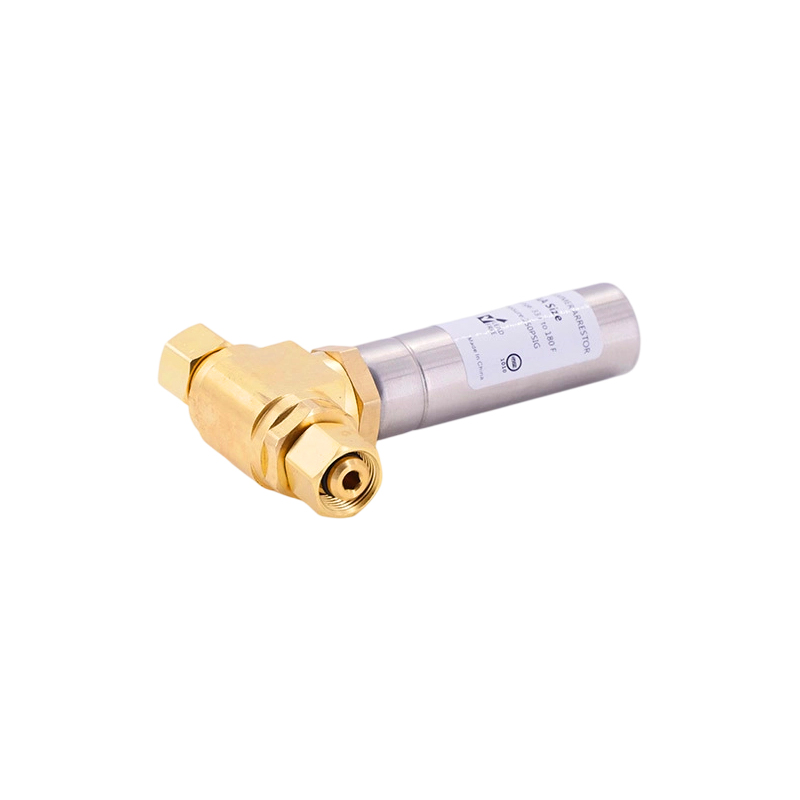
Failure to isolate water lines from vibration or motion points. Users often find that water leaks occur near the water pump, where vibration is highest.
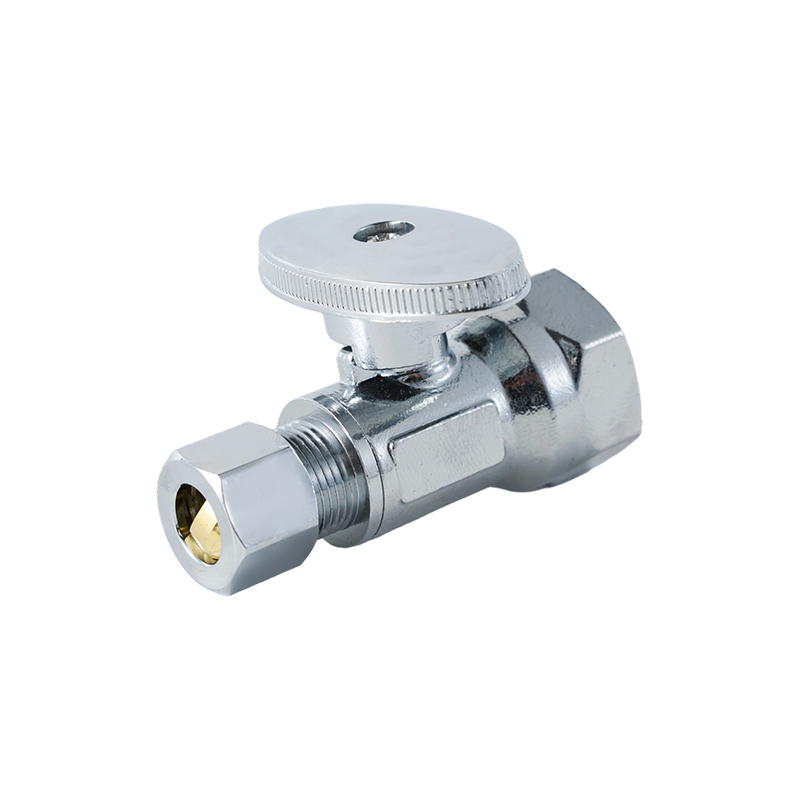
Lack of shut-off valves or serviceable joints, making diagnosis and repair harder once a leak starts.
These observations align with technical sources warning that connection integrity — rather than piping material — tends to be the more vulnerable link in flexible plumbing systems.
Environment and Usage Extremes
While RV plumbing systems typically operate at lower pressures than industrial fluid systems, environmental factors still matter:
Temperature swings can make PEX tubing expand and contract, placing extra stress on fittings.
Plumbing exposed to sunlight, heat from appliances, or cold can accelerate degradation of elastomer seals inside fittings.
It’s why many RV owners choose brass-to-PE fittings over all-plastic connectors; brass tends to resist motion and seal degradation better under dynamic conditions. While insulating and supporting lines reduces this stress, it’s still important to match the fittings to the operational environment — especially when similar considerations apply in industrial installations of Industrial Pipe Fittings.
Practical Takeaways from Field Experience
Here are tested tips to reduce leaks in RV plumbing, echoed by both professional repairers and seasoned RVers:
Use correct adapters: Ensure flexible lines use fittings engineered for them; avoid simple crimp-to-hose combinations without matching O-rings and threads.
Support lines properly: Anchoring PEX and hoses reduces joint stress from movement.
Check clamps and seals periodically: Vibrations can loosen even well-made connections over time.
Choose quality materials: Brass PEX fittings rated for mobile applications tend to outperform cheaper plastic fittings in vibratory environments.
Pressure-test after installation: A simple water pressure test helps catch micro-leaks before they become bigger problems.