

 English
 Español
 Français

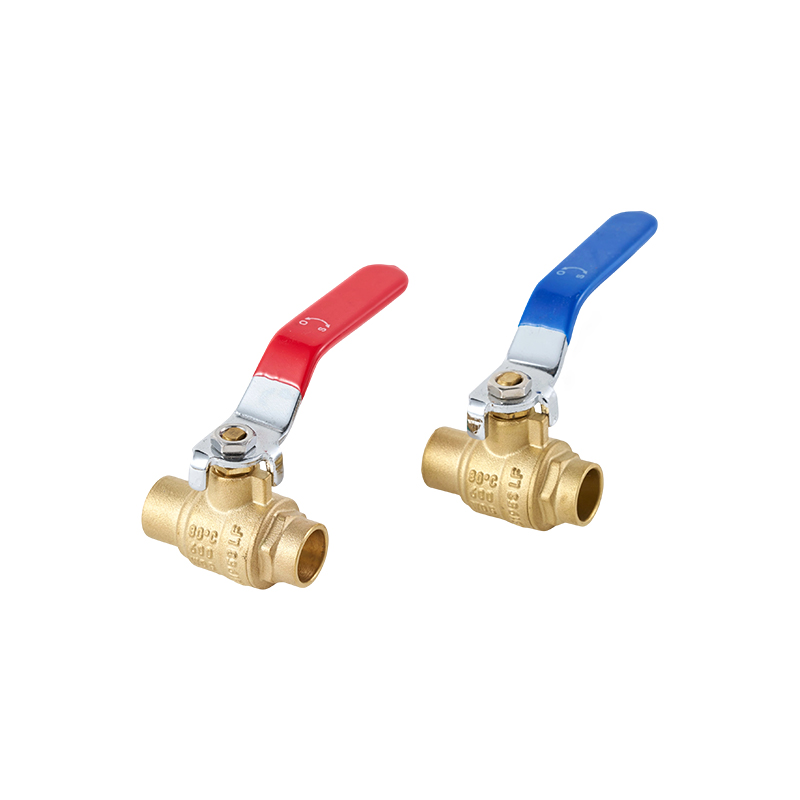
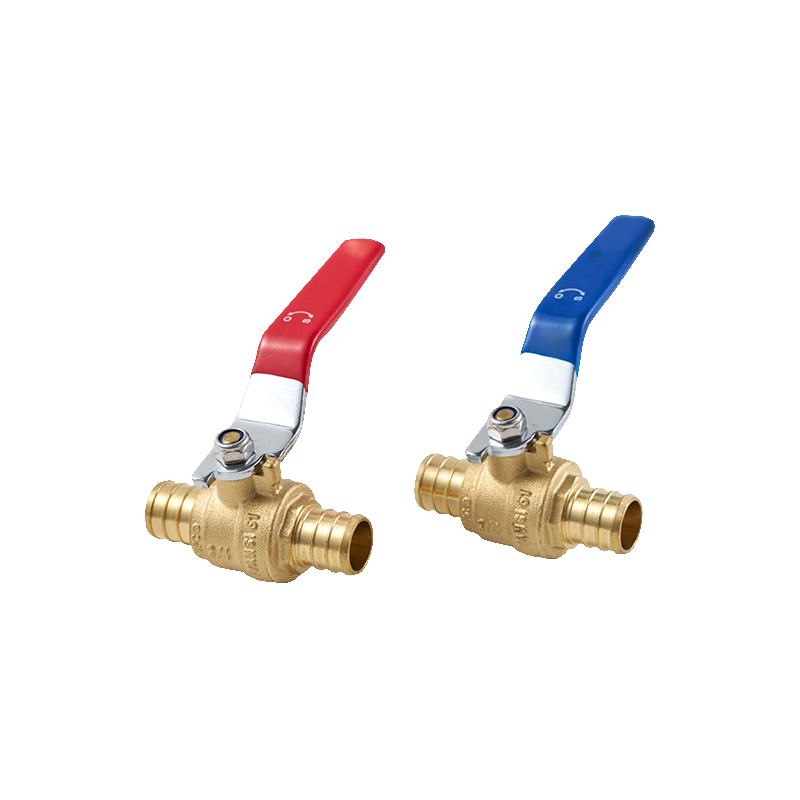
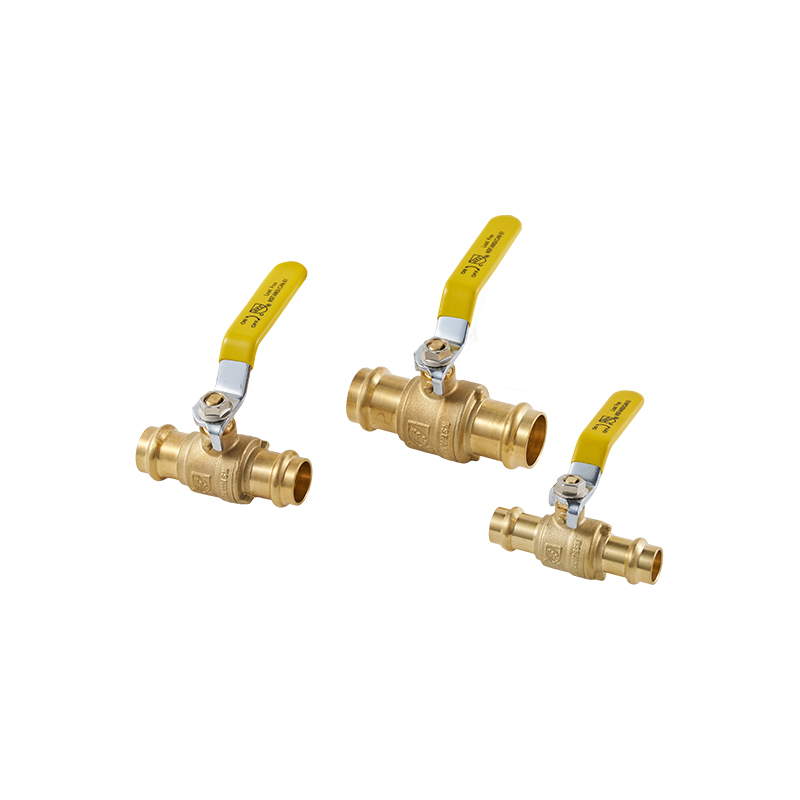
Replacing a Press Brass Ball Valve can be more challenging than it initially appears. Unlike threaded or soldered valves, press-fitted valves are designed for permanent, leak-proof connections. While this ensures reliable operation, it often forces technicians to cut sections of pipe during replacement, a common concern for both professional plumbers and DIY enthusiasts.
What Users Report About Hard-to-Turn Handles
Users often comment that a newly installed press brass ball valve feels rigid or hard to turn, which may come as a surprise if they expected a smooth 90-degree quarter turn. This problem is not unique to one brand or type of valve — it’s commonly discussed on forums where DIYers share photos and installation tales.
Some homeowners remark that their shut-off valve only turns a short distance or requires extra force to reach full open or closed positions. Others note that this stiff movement seems to worsen with time if the valve isn’t cycled regularly.
Why Does a Ball Valve Handle Become Difficult to Turn?
There are several technical reasons behind stiff operation, many rooted in the nature of how ball valves function:
1. Internal Friction from Debris or Sediment
When fluids carry small particles, these can lodge between the ball and valve seats. Over time, even minor buildup adds friction that makes the handle harder to operate. This is especially true in systems with sediment-laden water.
2. Lack of Lubrication on Moving Parts
The interior of a ball valve contains moving components that rely on a thin film of lubricant for smooth motion. If the valve isn’t operated regularly, this lubrication can dry out, causing increased resistance.
3. Corrosion or Scale Accumulation
Although brass is resistant to corrosion, mineral scaling or chemical exposure over time can create surface roughness on the ball and its seats, binding the movement.
4. Improper Installation Forces
During installation, over-tightening connections can distort internal parts or seating surfaces, which inadvertently increases friction when the valve is operated.
What Does Press Fitting Do to Movement?
Press-type ball valves are designed to be installed using a pressing tool that permanently crimps the fitting onto the piping. This method eliminates the need for soldering or threading, which can be helpful in tight spaces. However, press connections are not removable without cutting the pipe, and any repositioning or correction requires cutting and re-fitting. This means that if a press brass ball valve feels too stiff right after installation, correcting tightness issues typically involves replacing the valve rather than adjusting it in place.
Practical Steps to Improve Operation
Here are actionable tips to reduce stiffness and promote long-term valve reliability:
Regular Cycling Helps
Open and close the valve at least a couple of times a year. This breaks up minor buildup and keeps the internal components moving.
Use Compatible Lubrication
Applying a compatible, fluid-safe lubricant to the stem during maintenance can improve movement — especially in valves that haven’t been operated for a while.
Avoid Over-Tightening at Installation
When installing threaded components or connectors causing the valve, use recommended torque values. Excessive tightening can distort valve internals and make operation harder.
Check for Debris Before Installation
Clean pipe ends and flush out lines before fitting the valve. This minimizes the risk of debris lodging inside the valve during installation.
Handle Problems vs Long-Term Performance
A handle that feels stiff doesn’t always indicate a faulty valve. Press brass ball valves typically have tighter clearances than other valve types, and noticeable resistance at primary use can simply reflect a precise design. However, persistent stiffness, grinding sensations, or inability to reach full open/closed positions may signal internal obstruction or installation stress.
Comparing user discussions with technical guidance, the consensus is clear: proper installation practices and routine operation make a significant difference in handle performance over time.