

 English
 Español
 Français

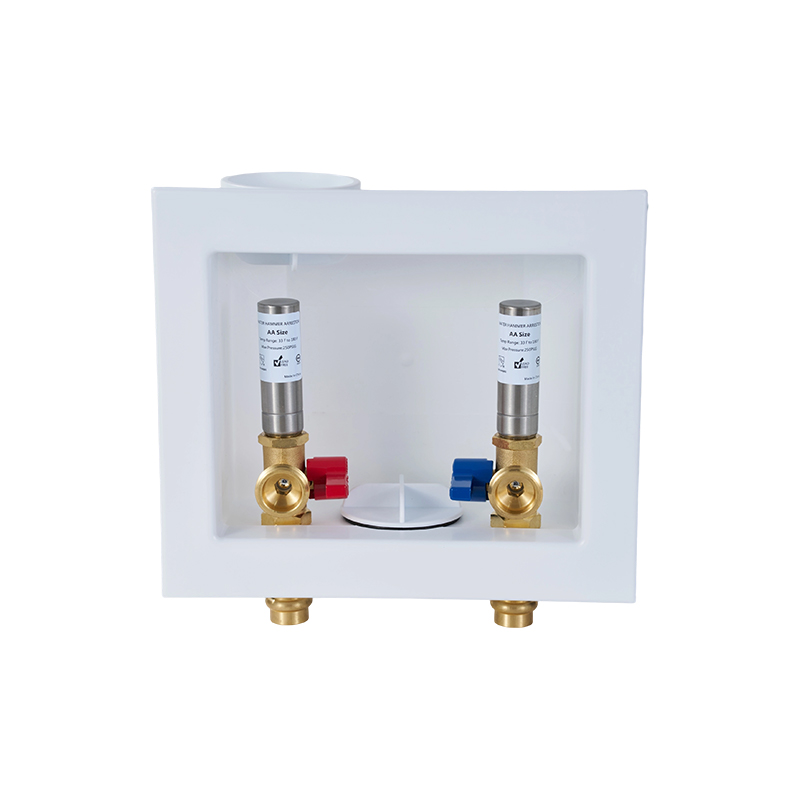
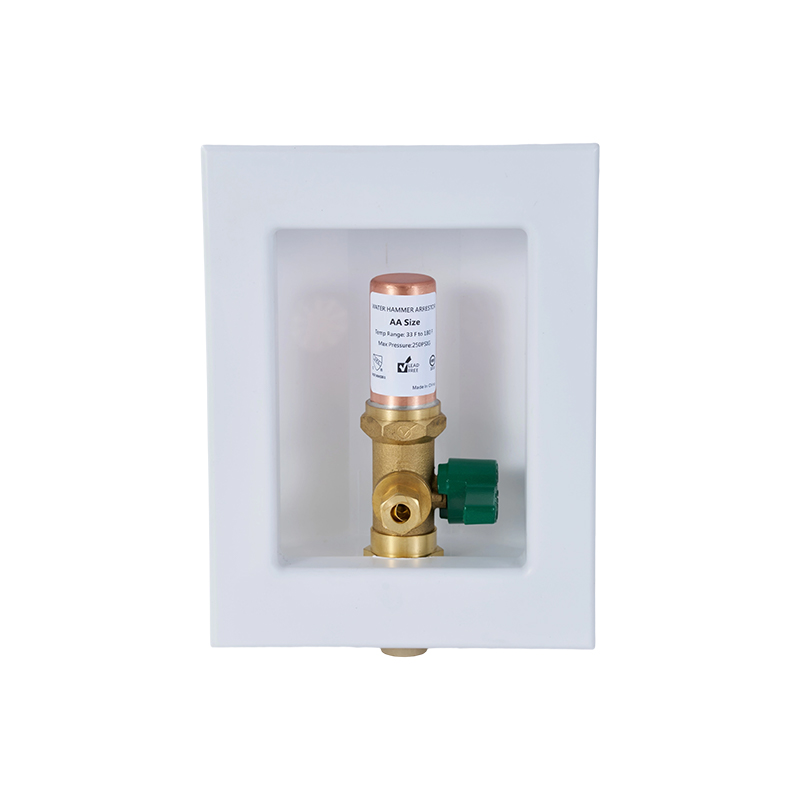
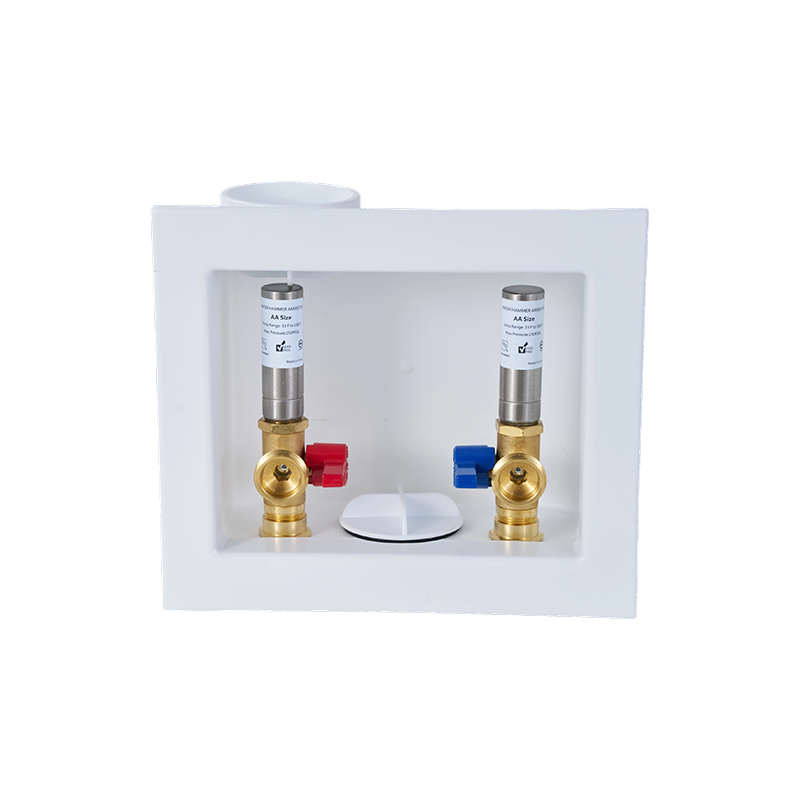
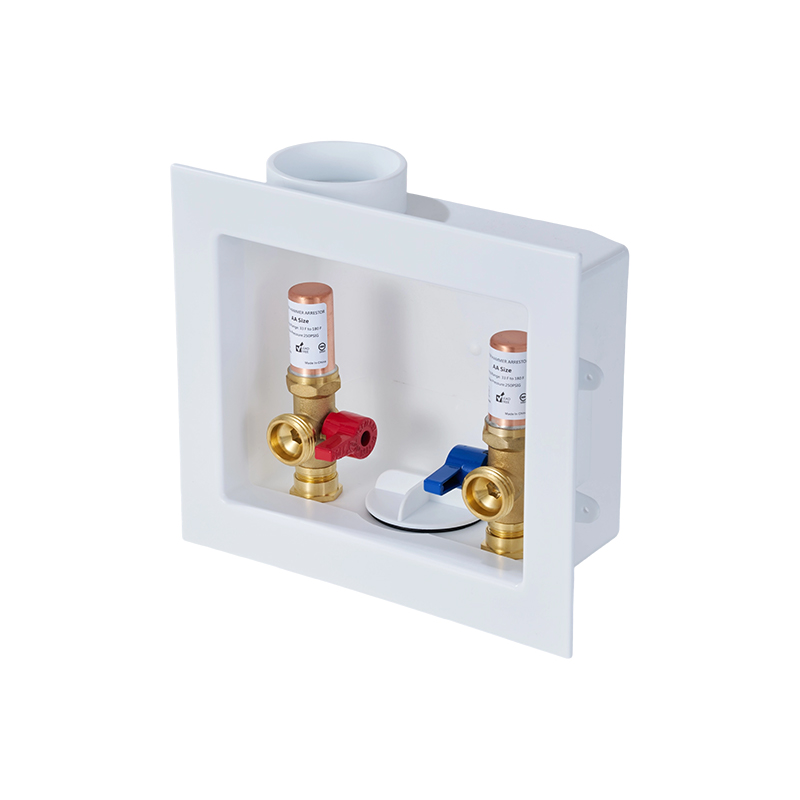
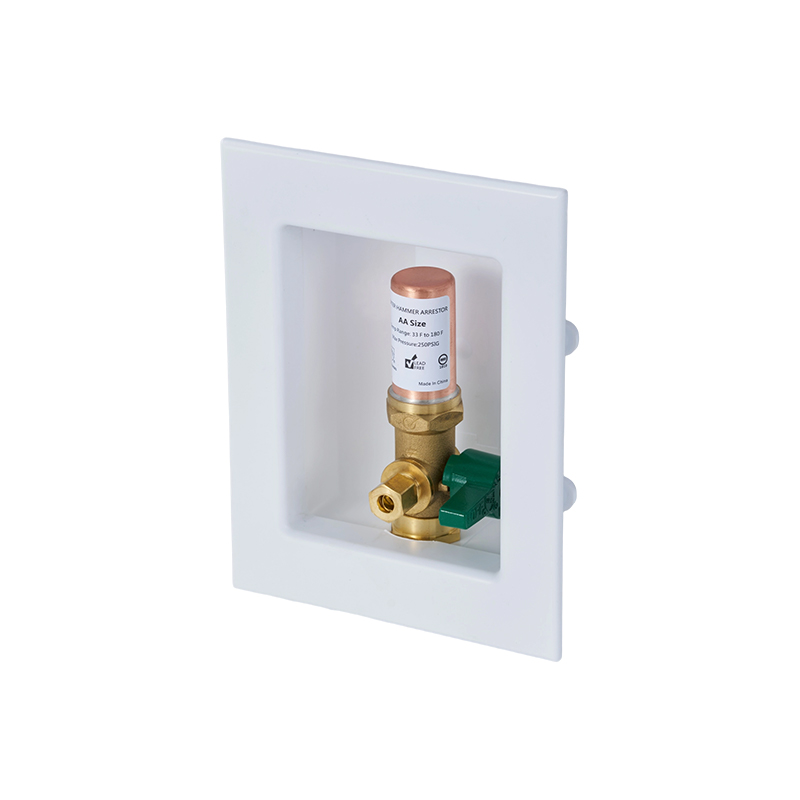
Deciding when to install a Water Hammer Arrestor isn’t always obvious, especially for homeowners who don’t experience persistent pipe noise or have newer plumbing systems. But the decision becomes more important when appliances like a Water Hammer Arrestor Washing Machine are part of your daily routine. These devices serve to cushion sudden pressure surges in your pipes — protecting fittings, valves, and structural supports — yet many people don’t consider installation until problems become more serious. Learning when to act can prevent damage and quiet noisy operations.
Understanding What Triggers Water Hammer
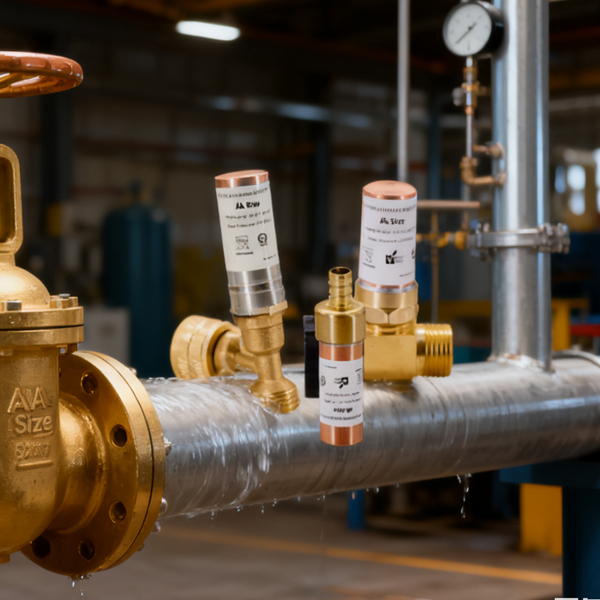
Water hammer is the loud banging or thudding sound in pipes that occurs when fast-closing valves abruptly stop water flow. This sudden stop sends a pressure wave through the plumbing system, which can make rigid pipe runs thump against joists or shake isolation brackets. Fixtures with quick-acting solenoid valves — such as washing machines, dishwashers, or some modern faucets — are common sources of these shocks. Identifying these triggers early helps determine the right timing for installing an arrestor device rather than waiting until noises become frequent or disruptive.
Plumbing experts often point out that not every quick-closing fixture will immediately require an arrestor, but listening for symptoms — such as loud banging only when appliances cycle — indicates a strong case to install one promptly.
Routine Situations That Suggest Installation
Here are practical scenarios when installing a water hammer arrestor is generally advisable:
- Prominent Pipe Noise
Even occasional loud bangs, especially after appliances like washers shut off water flow, suggest shock waves that could stress pipes over time. Installing arrestors in these locations can reduce noise and protect components.
- New or Replaced Appliances with Fast Valves
Modern washing machines and dishwashers often use valves that open and close faster than older models. These rapid changes in flow create stronger pressure surges that traditional plumbing may not handle without cushioning.
- High System Water Pressure
Homes with higher than average water pressure are more prone to sharp pressure spikes, making arrestors more beneficial for routine operation.
- Long Pipe Runs or Rigid Materials
Long stretches of copper or other rigid piping transmit shock more loudly than flexible piping. Installing arrestors near valves helps contain the effects before the shockwave travels.
Strategic Placement and Timing
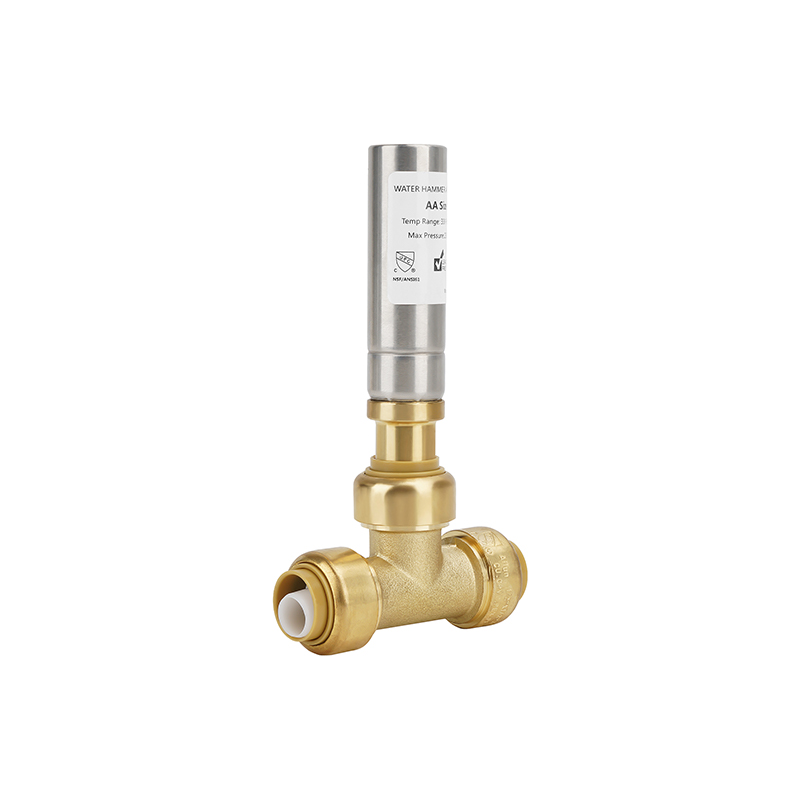
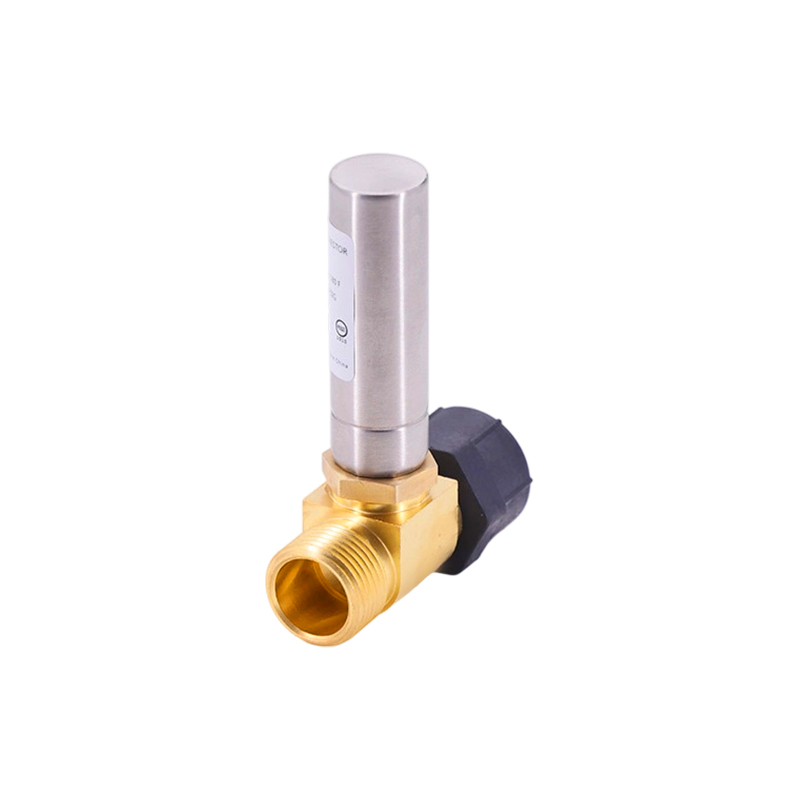
Plumbing technicians emphasize that arrestors should be located as close as possible to where the pressure surge originates. Recommended practice is to install within about six feet of the offending valve or fixture so that the shockwave is absorbed before spreading through the system.
This practical placement guideline means arrestors are often added during either initial plumbing construction or when new fixtures are added. Waiting to retrofit an arrestor until noise becomes disruptive can still improve conditions, but early placement increases effectiveness and reduces cumulative wear on piping.
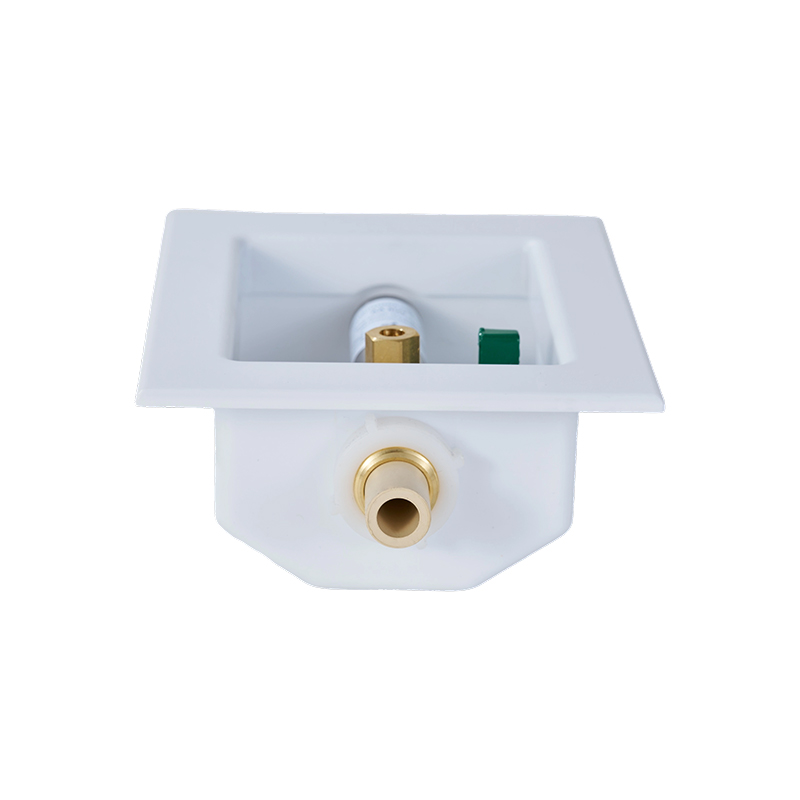
In laundry rooms, for example, placing arrestors directly on the supply lines feeding a washing machine rather than farther upstream ensures they intercept pressure surges right where the fast-closing valves operate. This approach also simplifies installation since the connection points are easier to access.
Installation Timing: Proactive and Reactive
There are two main approaches to timing your installation:
- Proactive Installation
This occurs during initial construction, major renovations, or when adding new fixtures known to cause water hammer. Placing arrestors before audible issues develop can prevent future complaints and protect infrastructure long-term.
- Reactive Installation
In this case, the decision to install comes after noticing symptoms like bangs, vibration, or observable pipe movement. While it’s possible to reactively add arrestors, the costs and disruption are often higher than during planned installations.
Tips Before You Install
Before installing, consider the following to ensure best results:
Identify the true source of the water hammer. Pipes can bang for many reasons, and placing an arrestor far from the actual cause may not eliminate the noise.
Check local plumbing codes, as many jurisdictions require arrestors in new construction where quick-closing valves are used.
Ensure accessibility for future inspection or replacement; arrestors usually don’t require maintenance, but access helps if issues arise.
Verify sizing and pressure ratings for your specific line sizes and household pressure to avoid undersized solutions that don’t fully address the issue.
Long-Term Benefits
Installing a water hammer arrestor at the right moment not only quiets immediate complaints but helps protect the plumbing system from fatigue, extension of valve life, and reduced stress on joints. This defensive measure is particularly beneficial in homes with frequent water use cycles — such as active households with laundry and kitchen appliances — where repeated hammering could otherwise accelerate wear.
For quality components and tailored solutions, companies like Taizhou Shuihengyihao Fluid Technology Co.,Ltd. offer water hammer arrestors suitable for various residential applications, designed with installation versatility and long-term reliability in mind.