

 English
 Español
 Français

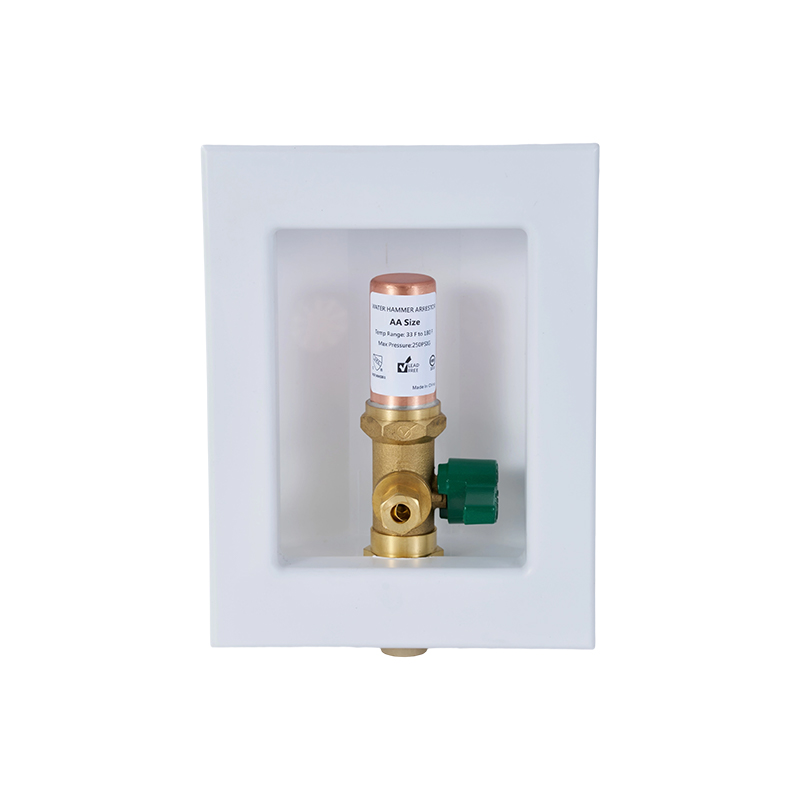
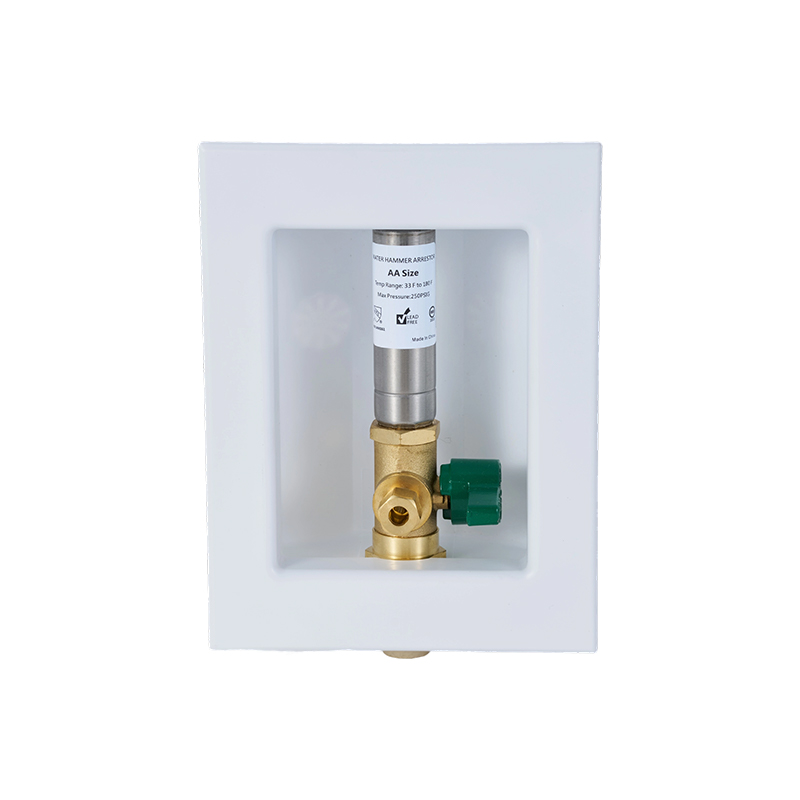
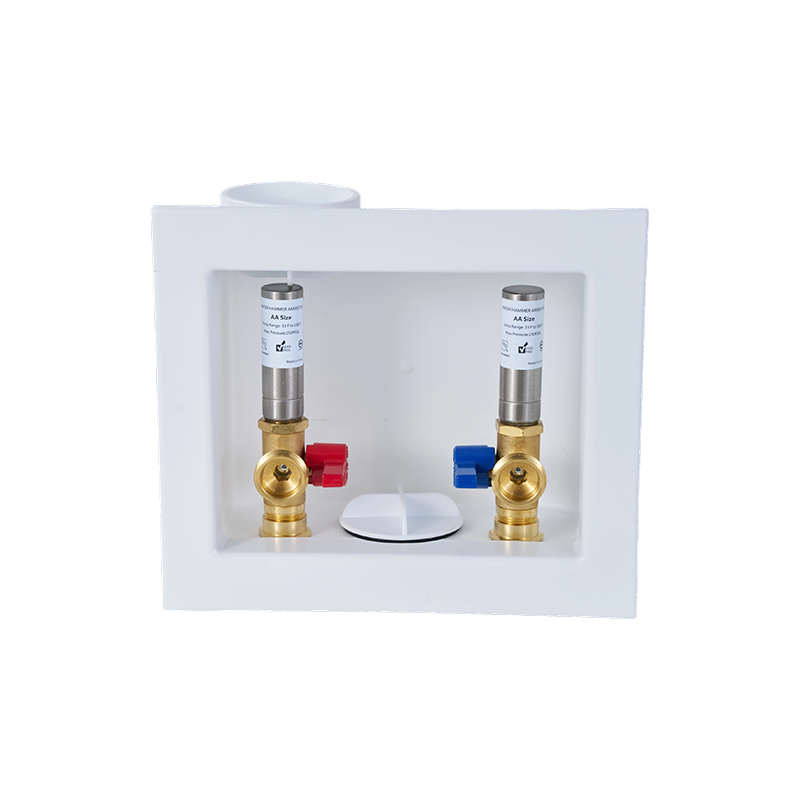
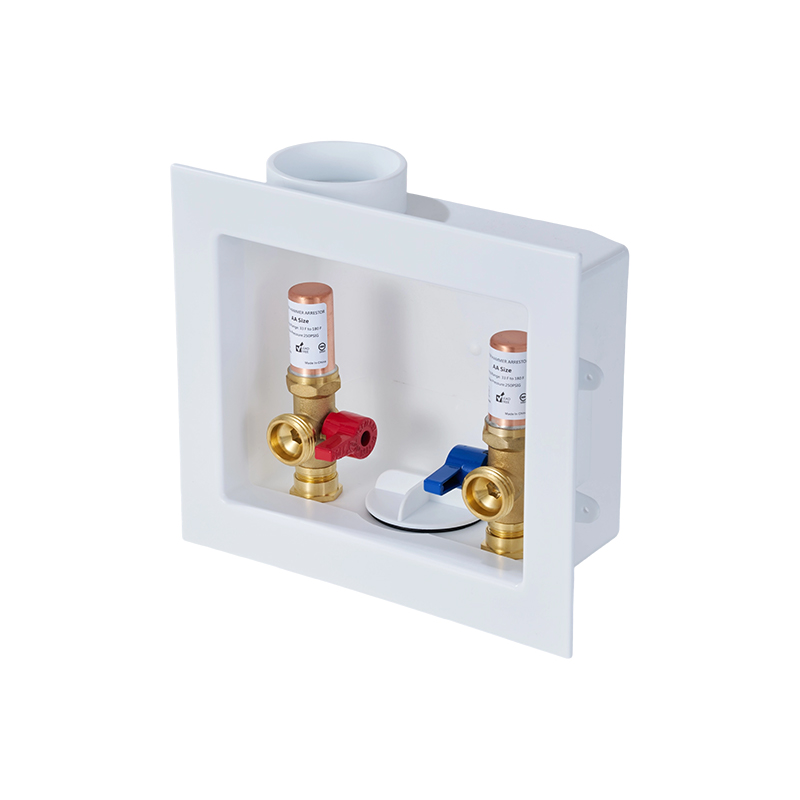
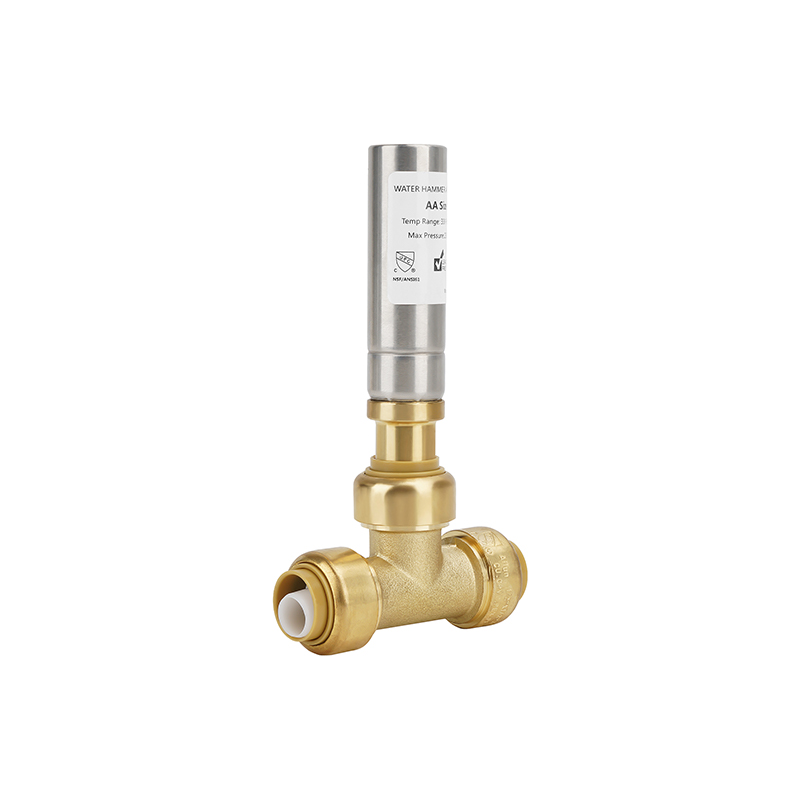
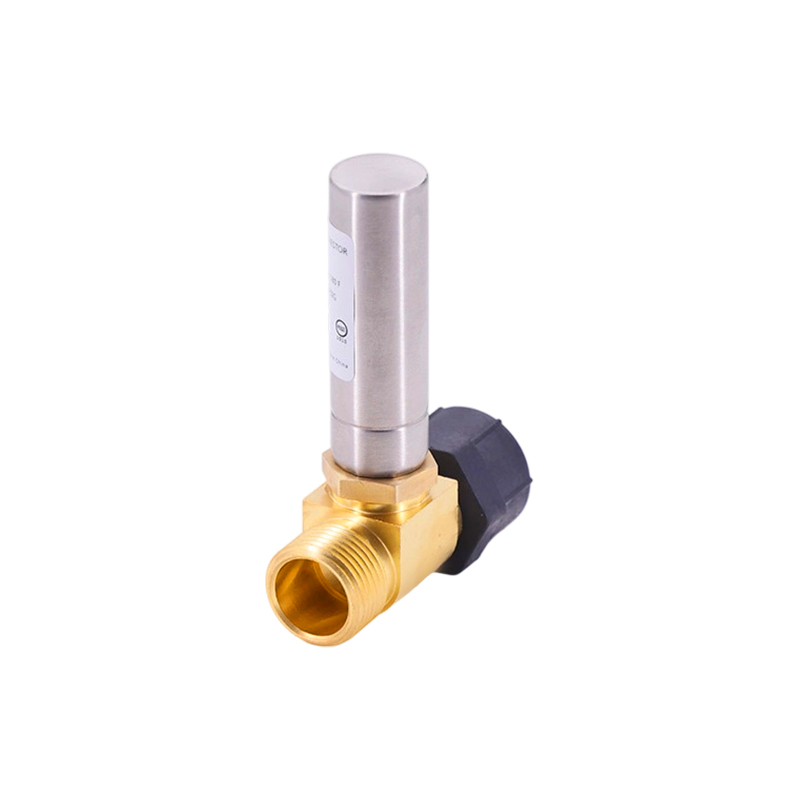
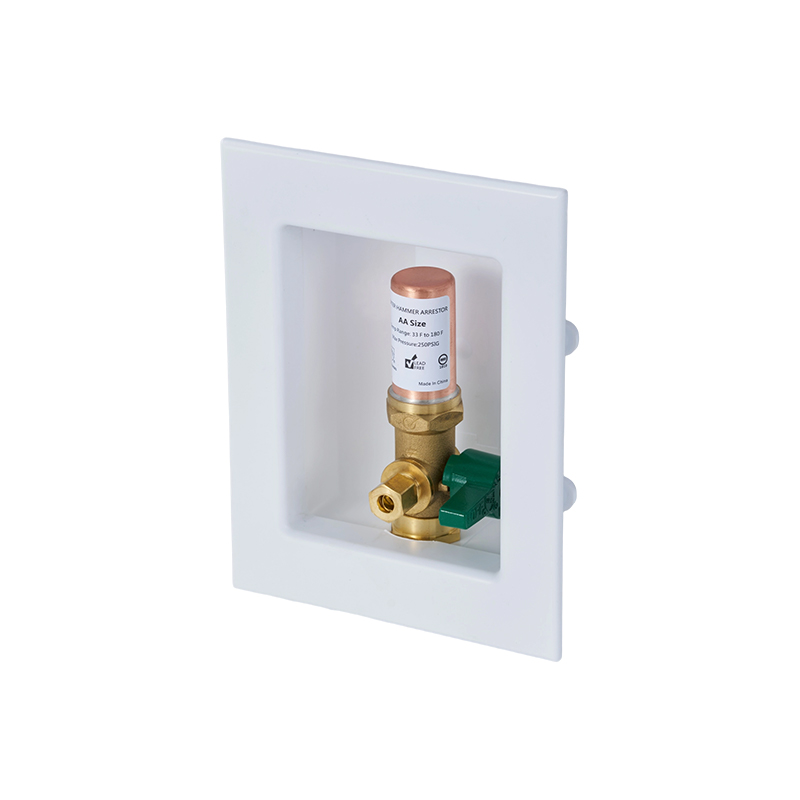
For many homeowners, installing a Water Hammer Arrestor Washing Machine connection can seem like a straightforward fix for banging pipes. However, fitment issues often arise that leave users frustrated and unsure why the device isn’t sealing properly or fitting like their original washing machine hose. While a Water Hammer Arrestor is designed to reduce pressure shockwaves and protect plumbing components, practical installation challenges are surprisingly common — and understanding them can make the difference between a quiet laundry room and persistent leaks or misfits.
Why Fit Issues Happen
Many users share that although a water hammer arrestor should theoretically thread on just like a standard supply hose, the actual fit doesn’t match perfectly. One common complaint is that the arrestor sits crooked or leaks even when the washer hose fits without issue. This often points to underlying differences in valve stem length, thread condition, or washer/gasket seating issues rather than the arrestor itself.
Another homeowner observed that when attaching the arrestor directly to the washing machine isolation valve, there wasn’t enough threading — causing the arrestor to wobble and fail to create a water-tight seal. Even with matching thread sizes and PTFE tape applied, the connection might not tighten securely enough before the nut hits the valve body or lever. This highlights that thread depth and valve design play a big role in fit quality.
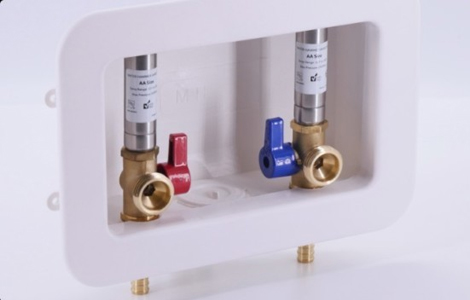
Thread and Seal Challenges
At a basic level, most washing machine supply valves and hoses use mating threads with a rubber washer inside to create a seal. When replacing a hose with a water hammer arrestor, problems can arise if:
The original valve threads are worn or damaged. Older valves may have stripped or corroded threads, so although a regular hose might “kiss” the threads and seal with its rubber washer, a rigid arrestor fitting may not form a proper connection.
The arrestor includes its own sealing components. Some arrestors have different gaskets or washers that need precise seating. If these are misaligned or missing, leakage or poor fit may occur.
Valve outlet lengths differ. Certain supply valves have short stub outs that don’t leave enough exposed thread for a thicker arrestor body, leading to loose attachments and instability.
These issues may require careful inspection and, in some cases, replacement of the shut-off valve itself to ensure a proper surface and sufficient thread engagement.
Washer Position and Clearance Problems
Another notable challenge is that once installed, the arrestor and attached hose can prevent the washing machine from being pushed all the way back into place. This happens because water hammer arrestors are bulkier and longer than standard hoses, so the extra depth pushes the washing machine forward. Users often have to balance between hiding the plumbing behind the machine and maintaining a secure, sealed connection.
Additionally, some installations mount the arrestor at the isolation valve behind the appliance instead of on the flexible hose itself. While this approach might save space, it can complicate tightening and sealing because the valve threads may not be deep enough or positioned for easy access.
Common Mistakes and Misunderstandings
Beyond actual thread or fit mismatches, there are a few nuances that often lead to incorrect installations:
Using PTFE tape incorrectly. Many users initially apply thread tape hoping it will improve sealing, but for typical hose-type connections with rubber washers, the gasket — not the tape — creates the watertight connection. Teflon tape can sometimes make seating difficult or mislead installers into thinking they need more tape rather than a better gasket positioning.
Ignoring valve thread condition. Users may assume the arrestor is defective when the real issue is a worn valve or internal washer. Checking and, if necessary, servicing the shut-off valve often resolves fit problems more effectively than swapping arrestors.
Not matching arrestor type to valve output. Some valves have a 3/8″ outlet, others 1/2″, and mismatched adapters or arrestor sizes may fit loosely or require additional components. Confirming valve outlet dimensions before purchase significantly reduces misfits.
Installation Tips for Best Fit
To address these challenges and improve the odds of a good fit:
Inspect Valve Threads First. Prior to installing a water hammer arrestor, check the shut-off valve threads for wear. If they are worn or short, a replacement valve may be necessary.
Use Correct Gaskets and Seals. Ensure that the arrestor’s gasket or washer is in place and seated properly before tightening.
Avoid Over-tightening. Finger-tight plus a slight wrench turn is usually sufficient. Excess torque can distort gaskets and create leaks.
Consider Spacer Fittings If Needed. When valve stems are too short, adding a short extension or adapter can provide the extra thread engagement required for a stable connection.
Ensure Clearance. Before final tightening, position the washing machine to make sure it can slide into place without undue stress on the arrestor and hoses.
Balancing Fit and Function
Fit issues don’t mean you should avoid using a water hammer arrestor — they are an important tool for reducing vibrations, extending valve life, and minimizing noise caused by rapid solenoid action during wash cycles. For users facing stubborn fitting challenges, consulting a plumber or considering alternative arrestor designs can make installation smoother.
Manufacturers such as Taizhou Shuihengyihao Fluid Technology Co.,Ltd. produce a range of water hammer arrestors with various connectors and sizes designed to improve compatibility with common domestic washing machine supply outlets. Selecting the right model and ensuring proper installation dramatically enhances both fit and long-term performance.