

 English
 Español
 Français

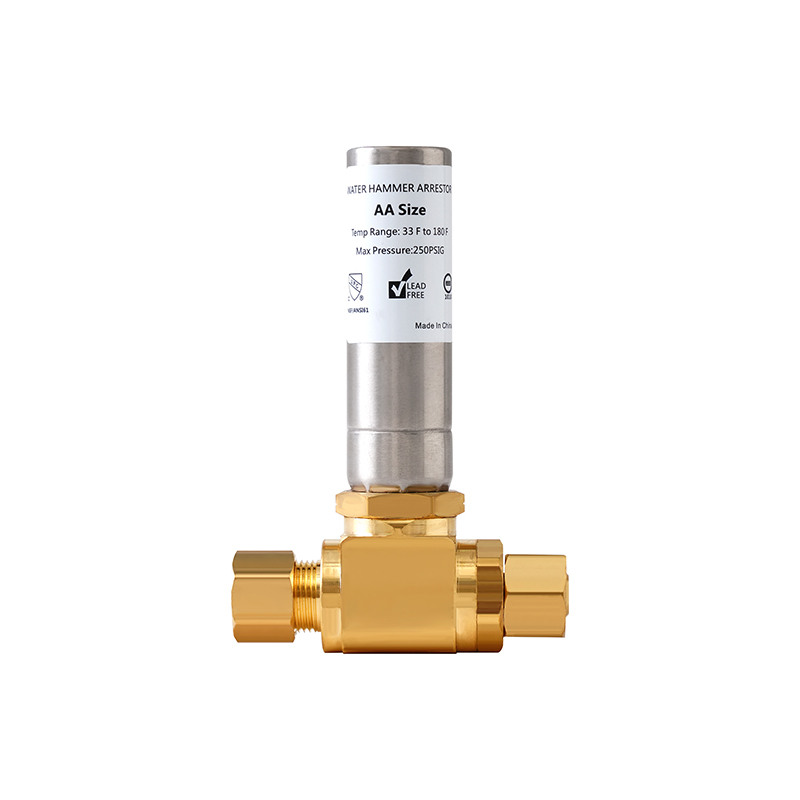
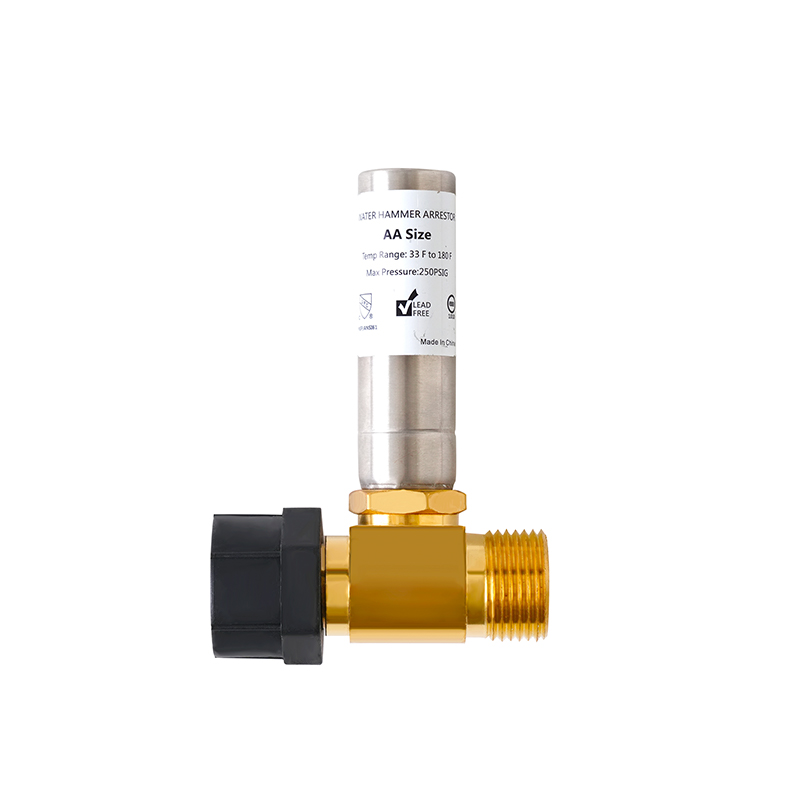
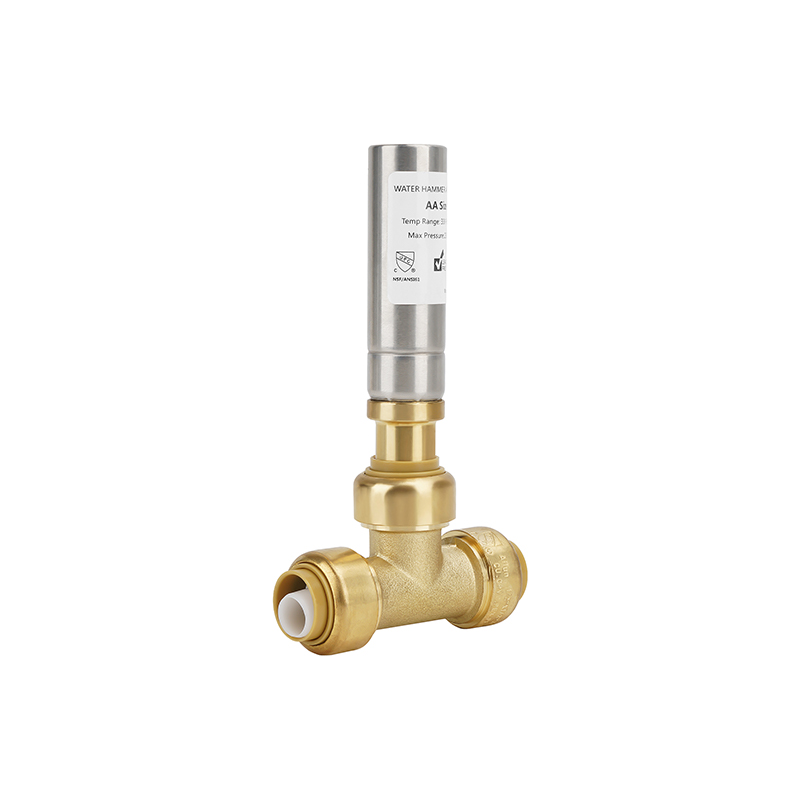
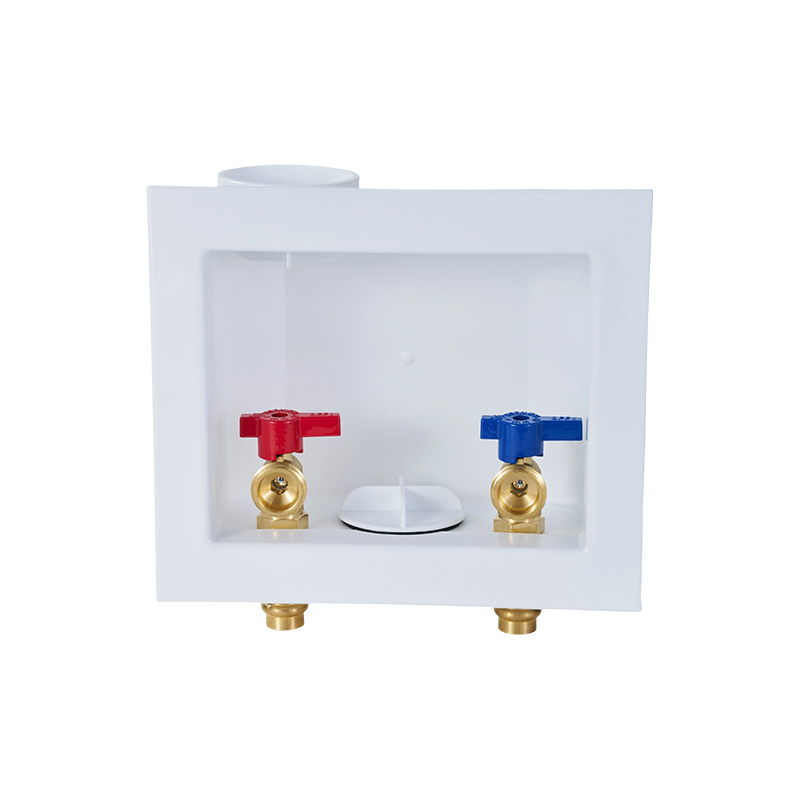
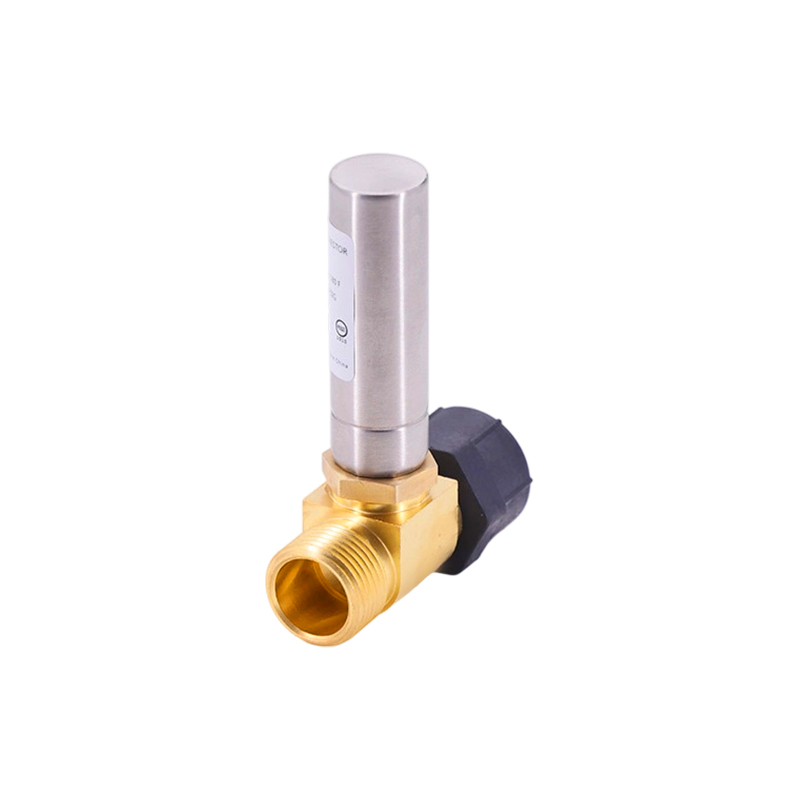
Have you noticed loud bangs or thudding sounds from your laundry room plumbing when your Water Hammer Arrestor Washing Machine cycles begin or stop? Many homeowners are puzzled when they install a Water Hammer Arrestor to quiet noisy pipes, only to find the banging persists or even returns months later. Understanding what causes these repeated water hammer problems and how to effectively address them can protect your plumbing, prevent damage, and improve everyday use of your washing machine.
What Users Really Notice
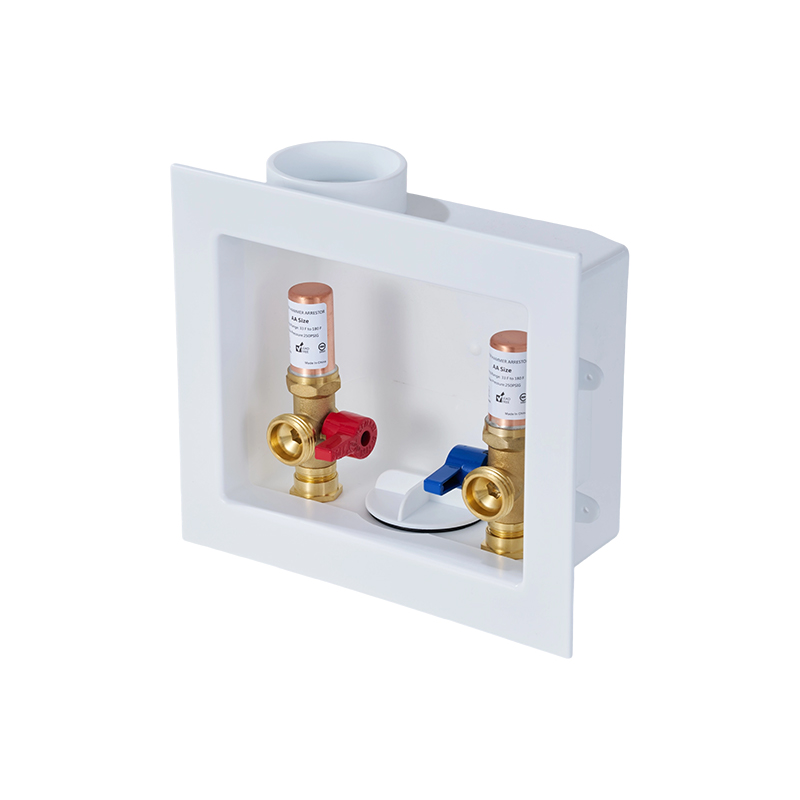
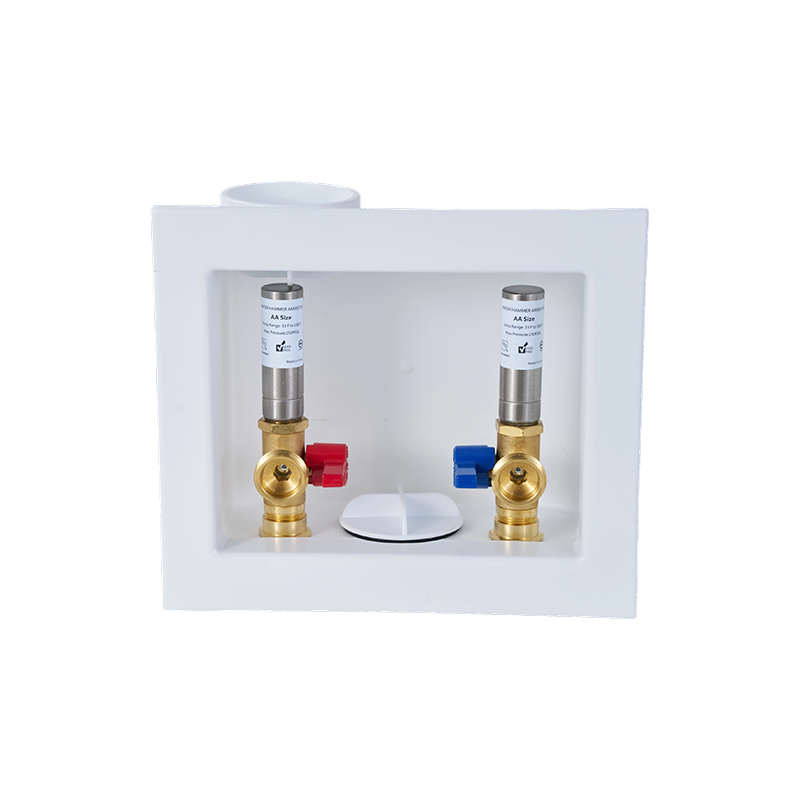
Some users report that even after installing a water hammer arrestor at both the hot and cold water feed lines, the noise continues. This is often because the device was undersized, incorrectly placed, or another underlying condition in the plumbing system is contributing to the shock and vibration. A water hammer arrestor absorbs pressure surges caused by fast-closing valves, but if the shockwave originates farther down the system or from multiple sources, simply putting a unit on the washing machine line may not eliminate the problem.
Another situation some users run into is when their washer stops mid-cycle or shows an error code related to fill issues. In rare cases, a faulty arrestor might impede smooth water flow by “locking up” or creating pressure imbalances. One homeowner found that shutting off the water to the arrestor and then opening slowly allowed the washer to fill again, suggesting the arrestor may sometimes become part of the water flow problem rather than the solution.
Why Banging Can Still Happen
There are several reasons banging noises might persist even with an arrestor installed:
Incorrect placement – The arrestor must be positioned as close as possible to the valve with the fast-closing action. If installed too far away, the shockwave still travels and hits other fittings or bends. Plumbing experts suggest placement near both hot and cold washing machine valves for optimal protection.
Undersized or unsuitable unit – An arrestor that is too small for your pipe diameter or anticipated water pressure will only partially absorb the shock, leaving residual hammering.
Loose pipe supports or fittings – If pipes shake because they are not secured well, even a properly working arrestor won’t eliminate noise. Checking straps, brackets, and insulation may help reduce rattling and vibration.
Pressure spikes beyond design range – Excessively high water pressure (often above typical residential thresholds) can cause shockwaves stronger than what a standard arrestor can cushion. A pressure-reducing valve for the whole house might be needed in some systems.
What You Can Do
To address persistent water hammer with your washing machine:
Check the arrestor placement – Ensure both hot and cold lines have arrestors installed directly adjacent to the valve.
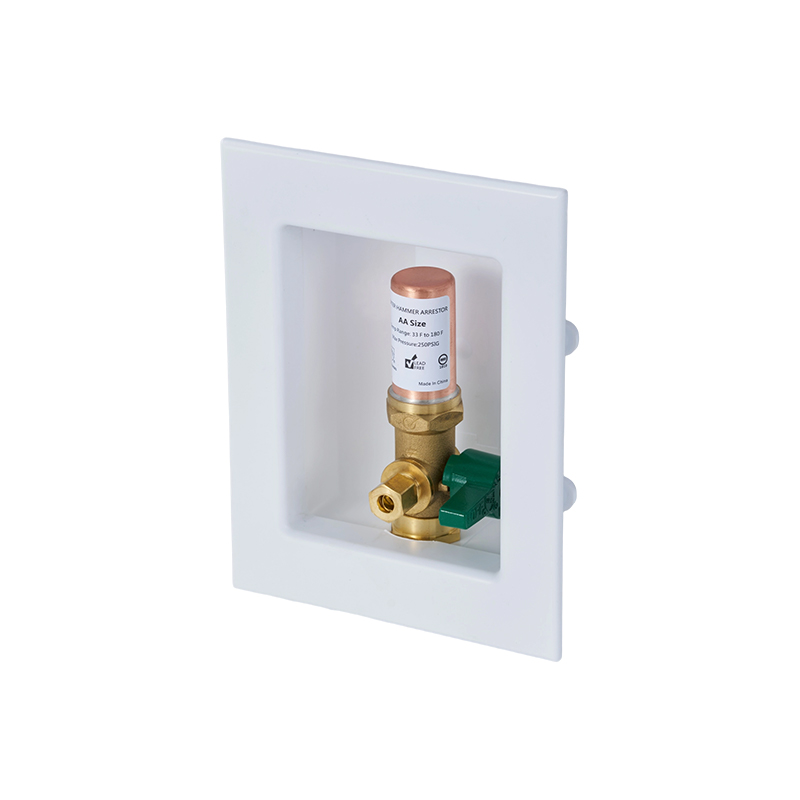
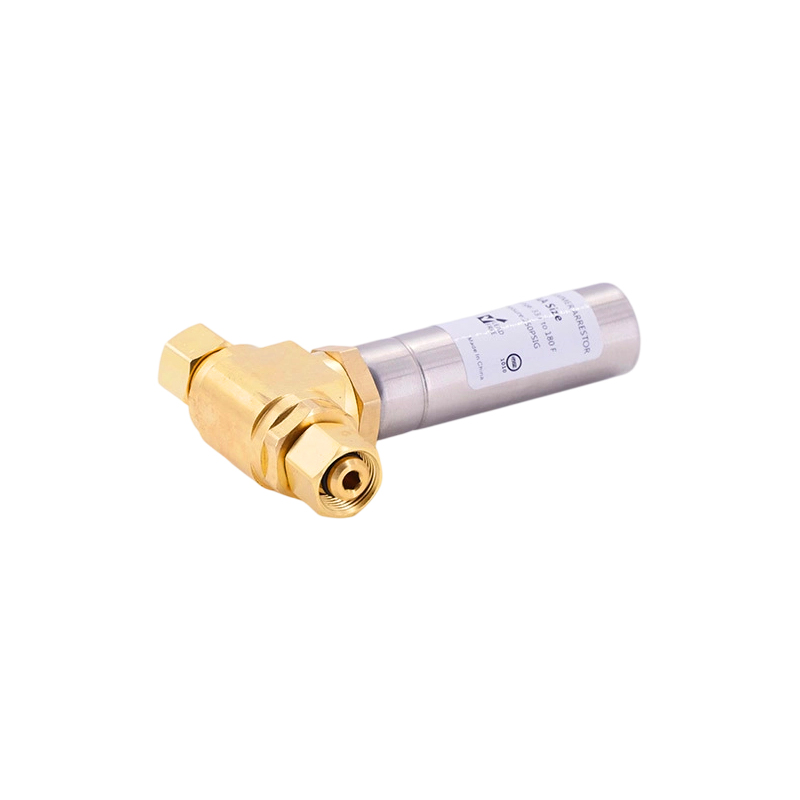
Verify the right size – Match the arrestor size to your pipe diameter and pressure conditions. Units designed for washing machine applications tend to have features that handle frequent valve closures effectively.
Secure loose plumbing – Add additional pipe clamps or support brackets to reduce vibration transmission from the shockwave.
Check your washing machine valves – Faulty or overly fast valve closures can worsen noise, so consider replacing with slower-acting valves if problems persist.
Long-Term Considerations
Water hammer doesn’t just make an unpleasant noise — it can weaken joints, stress fittings, and accelerate wear on appliances. For homeowners and professionals alike, investing in the right water hammer arrestor solution and ensuring correct installation helps safeguard your plumbing over years of use. Products designed for washing machine applications, when properly selected and installed, can significantly reduce banging and extend the life of your system.
For reliable components and technical support, companies like Taizhou Shuihengyihao Fluid Technology Co.,Ltd. offer a range of arrestors tailored to modern residential needs, including options suitable for frequent use appliances. Exploring products that fit your pipe sizes, pressure conditions, and installation environment can make a noticeable difference.
Expert Tip
Regular inspection of your water hammer arrestors is a good practice. While many sealed devices don’t require frequent maintenance, signs like renewed banging, leaks around the unit, or visible wear indicate it may be time for replacement or adjustment.