

 English
 Español
 Français

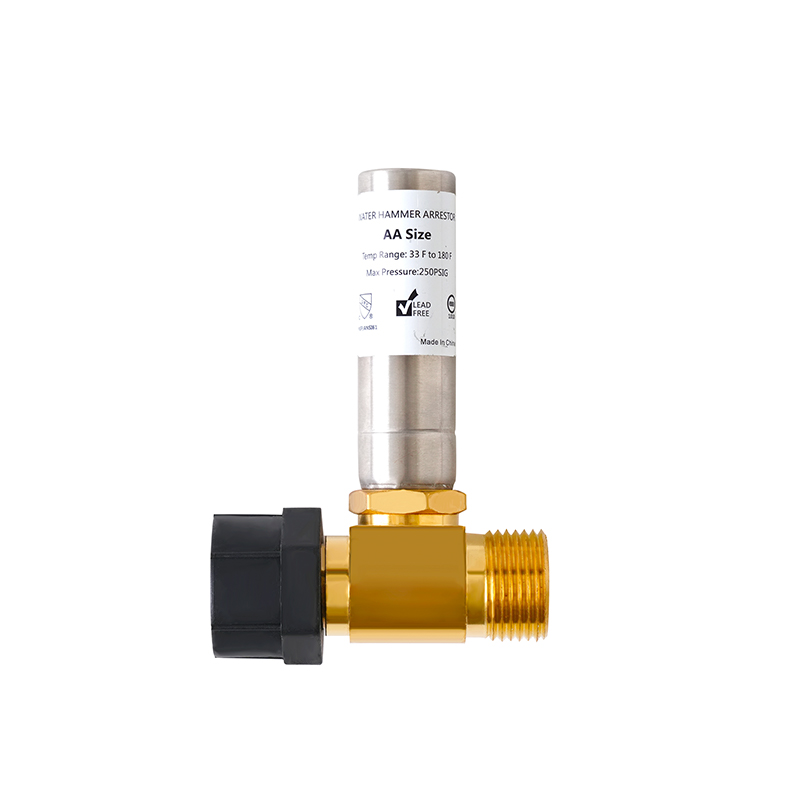
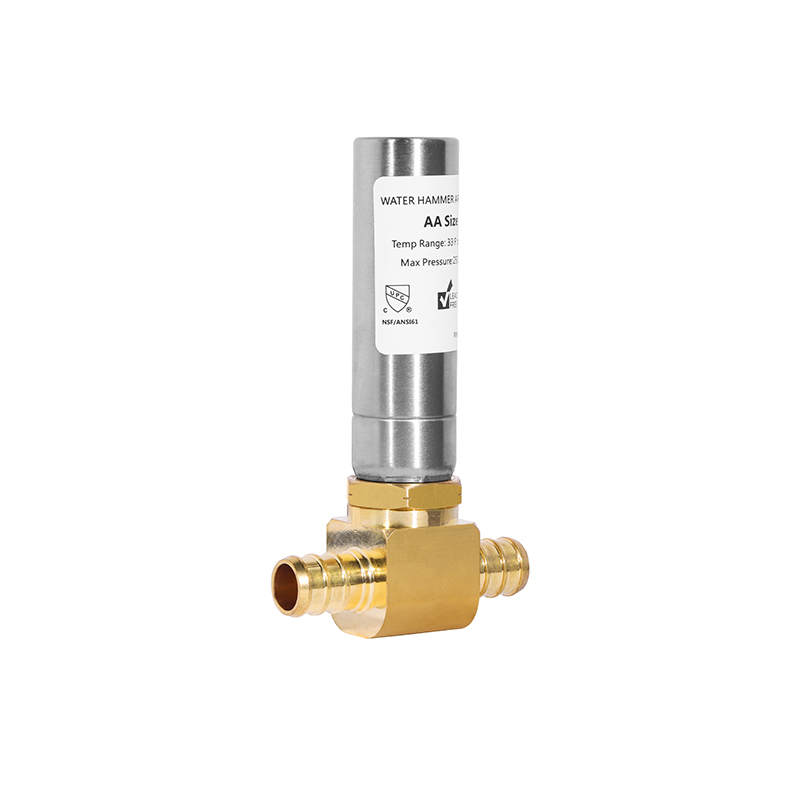
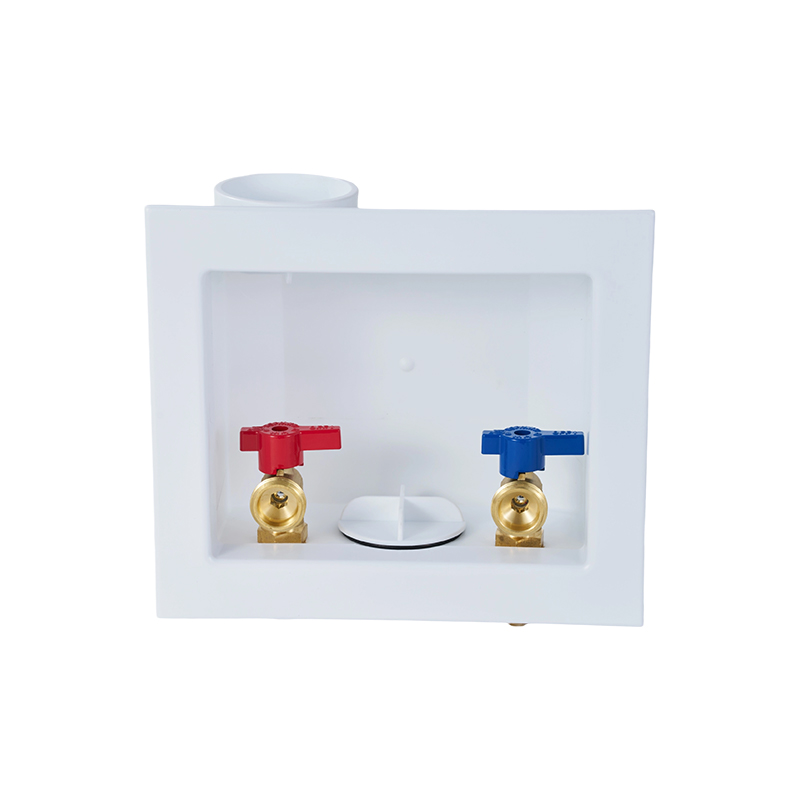
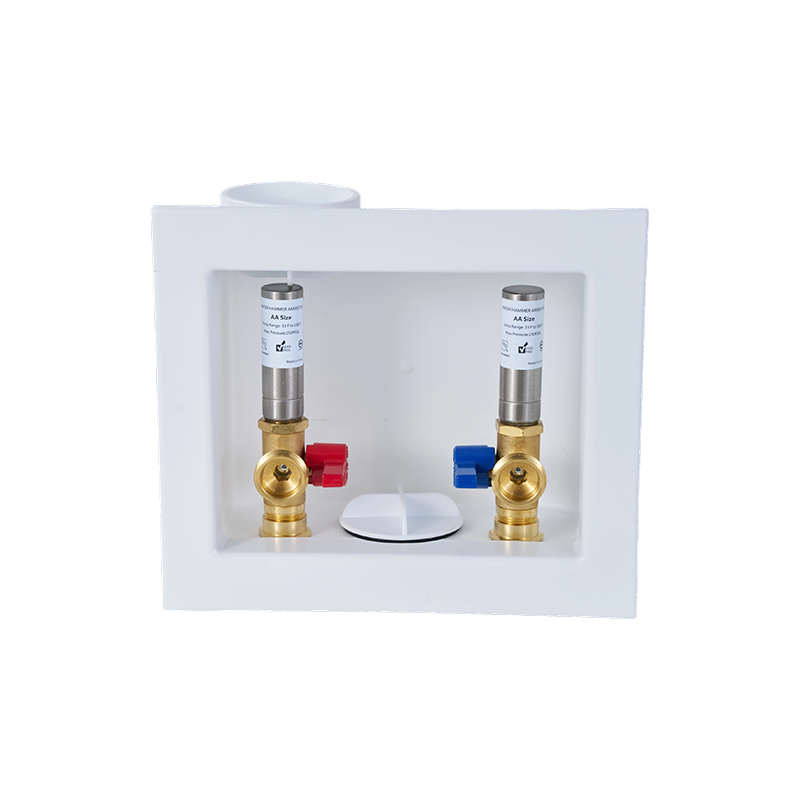
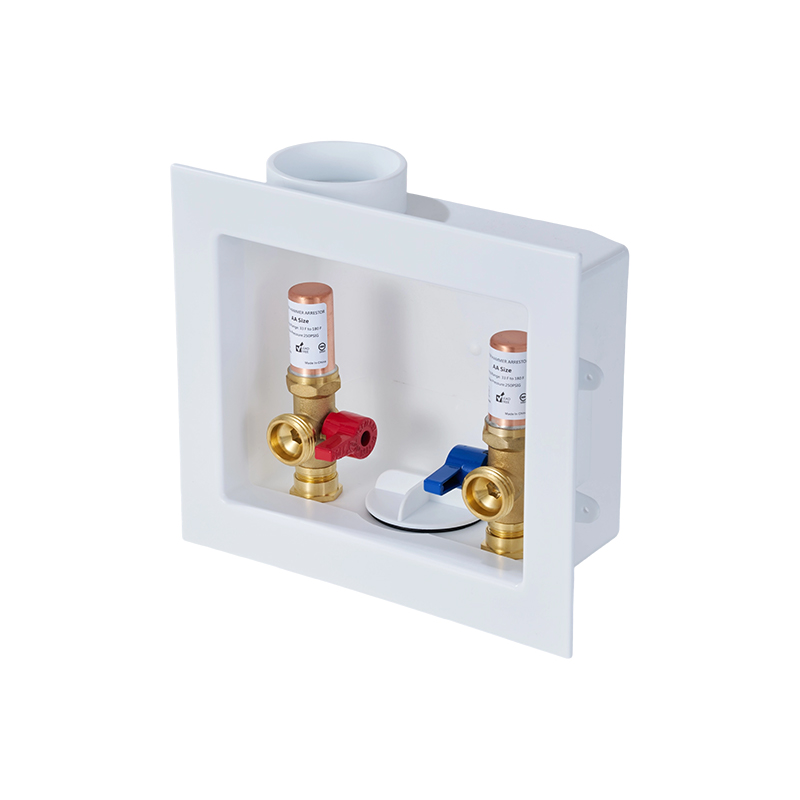
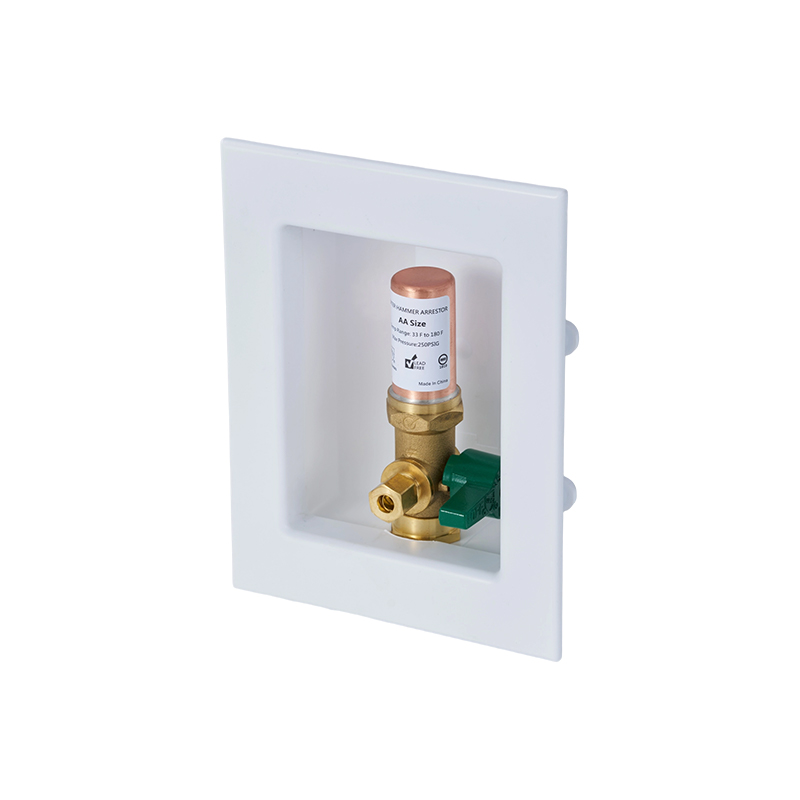
Homeowners installing a Water Hammer Arrestor often hope it will quietly fix banging pipes near their Water Hammer Arrestor Washing Machine setup. But some have discovered that instead of fixing the issue, their water flow seems to slow down or even stop. This raises a common question: Can a water hammer arrestor block water flow and affect your washing machine operation?
Why Users Notice Flow Issues
Some users report their washing machine failing to fill properly after installing a water hammer arrestor. In one situation, the machine showed an error indicating it couldn’t fill, but once the homeowner turned off the water valve and slowly reopened it, water flowed normally again. This pattern suggested the arrestor might be interfering with flow under certain conditions.
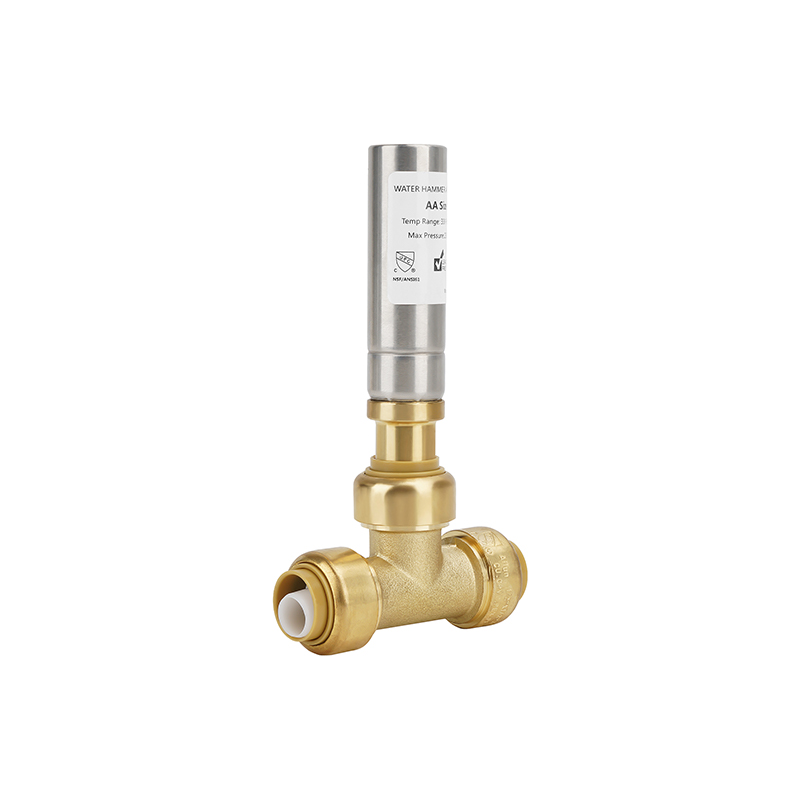
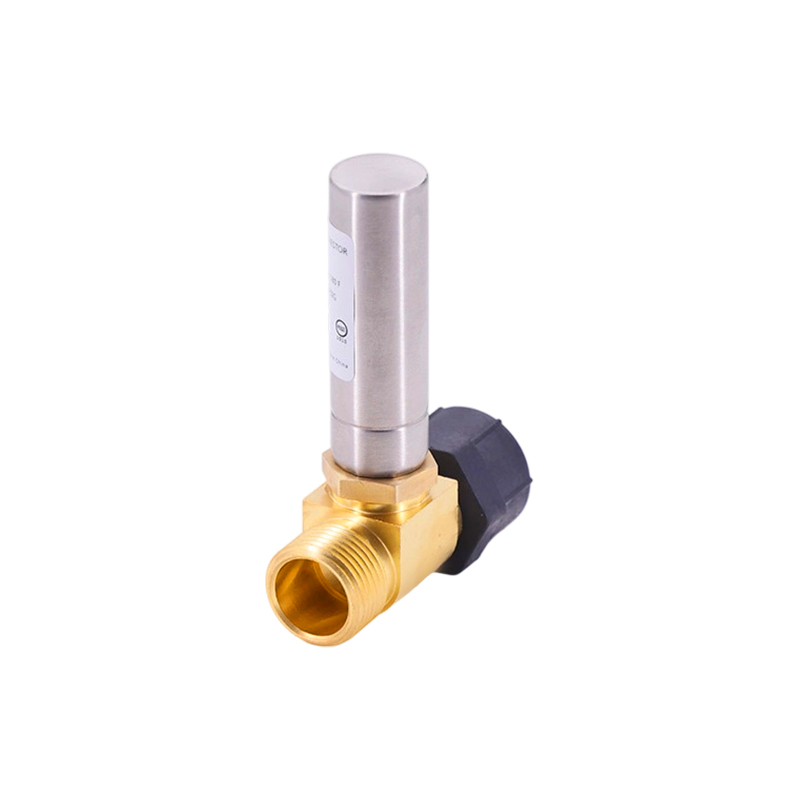
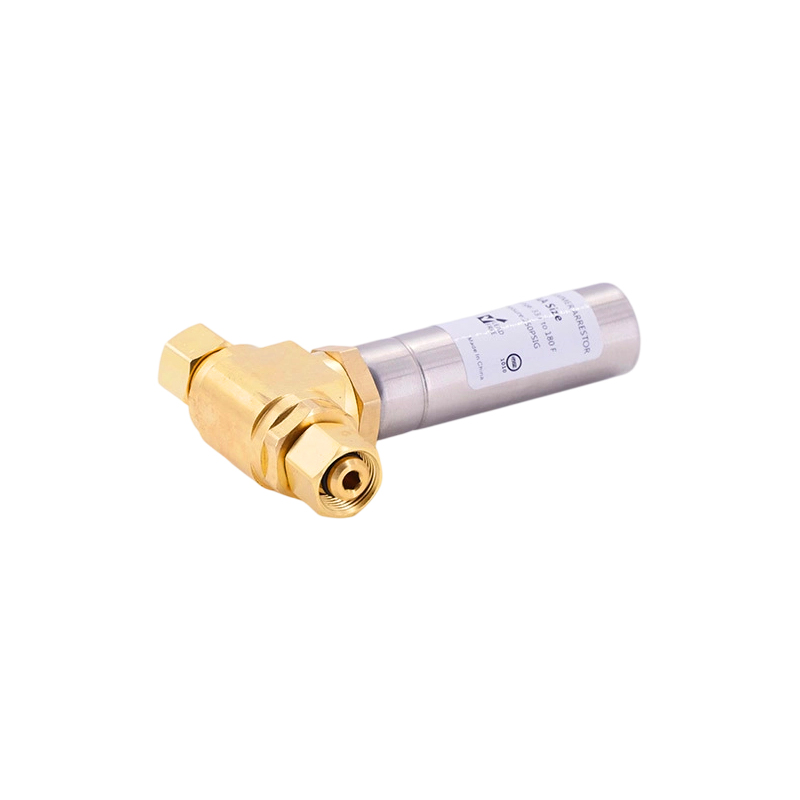
This type of situation doesn’t mean the arrestor is literally blocking the pipe like a physical obstruction. Most modern water hammer arrestors use a gas-filled chamber and piston or diaphragm to absorb hydraulic shockwaves from fast-closing valves. They are designed to let water flow freely and cushion pressure spikes rather than restrict flow under normal conditions. However, a malfunctioning or improper installation can create performance problems.
When an Arrestor Might Affect Flow
There are a few scenarios where a water hammer arrestor appears to affect water flow:
Faulty or waterlogged arrestor – Over time, some types of arrestors can lose their ability to absorb pressure if internal seals wear or water enters the gas chamber. When this happens, the device may not respond correctly when water demand changes rapidly, sometimes causing pressure imbalances that feel like restricted flow.
Incorrect installation – If the arrestor is installed backwards, too far from the valve it is meant to protect, or on a line segment with unusual angles or fittings, it might create unexpected turbulence or pressure conditions. This can make the appliance think it has a flow problem even though the water line isn’t physically blocked.
System pressure issues – High household water pressure or large pressure swings from other fixtures can interfere with how the arrestor and washing machine valves behave, leading to apparent flow interruptions. Sometimes lowering system pressure with a pressure-reducing valve improves overall flow stability.
How a Water Hammer Arrestor Should Behave
In a properly functioning installation, a water hammer arrestor should not block water flow. These devices contain a piston or diaphragm with a pocket of gas that compresses when a shockwave arrives, absorbing the pressure without turning into a physical barrier in the pipe. Under regular flow conditions — such as when your washing machine is filling — the arrestor simply remains open to the passage of water.
What often gets mistaken for “blocking flow” is actually the arrestor reacting to rapid changes in pressure as the washing machine’s internal solenoid valves open and close very quickly. These rapid transitions are what cause typical water hammer noise in the first place.
How to Address Flow Concerns
If water flow issues seem connected to your water hammer arrestor, consider the following diagnostic steps:
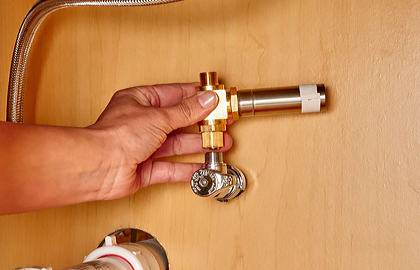
Check the arrestor orientation and placement – Ensure the device is installed per manufacturer guidance. It should be as close as possible to the fast-closing valve (e.g., washing machine supply points). Incorrect placement sometimes causes unexpected behavior.
Inspect for wear or waterlogging – Older or cheaper arrestors may degrade or fill with water over time, reducing effectiveness and possibly contributing to odd pressure feedback. Many units are non-serviceable and must be replaced if compromised.
Verify system pressure – High overall water pressure can compound issues. Installing a pressure-reducing valve or adjusting existing settings can improve stability around fast-acting valves.
Review washing machine valve performance – Sometimes the issue isn’t the arrestor at all but overly quick solenoid valve action inside the washer. Slowing fill valve operation or choosing devices with more moderate response can help reduce intense pressure spikes.
Practical Recommendations
For many homes, combining well-selected arrestors with proper pipe support and pressure management yields the best results. Devices provided by manufacturers focused on plumbing components — such as those offered by Taizhou Shuihengyihao Fluid Technology Co.,Ltd. — are designed to work efficiently with common residential setups when installed correctly. Their designs aim to balance shock absorption with minimal resistance to normal flow.
While a water hammer arrestor is not inherently a flow blocker, its interaction with the plumbing system and washing machine valves can create conditions that feel like restricted flow when something isn’t aligned properly. Routine checks and correct installation help ensure both quieter operation and stable water delivery to your appliances.