

 English
 Español
 Français

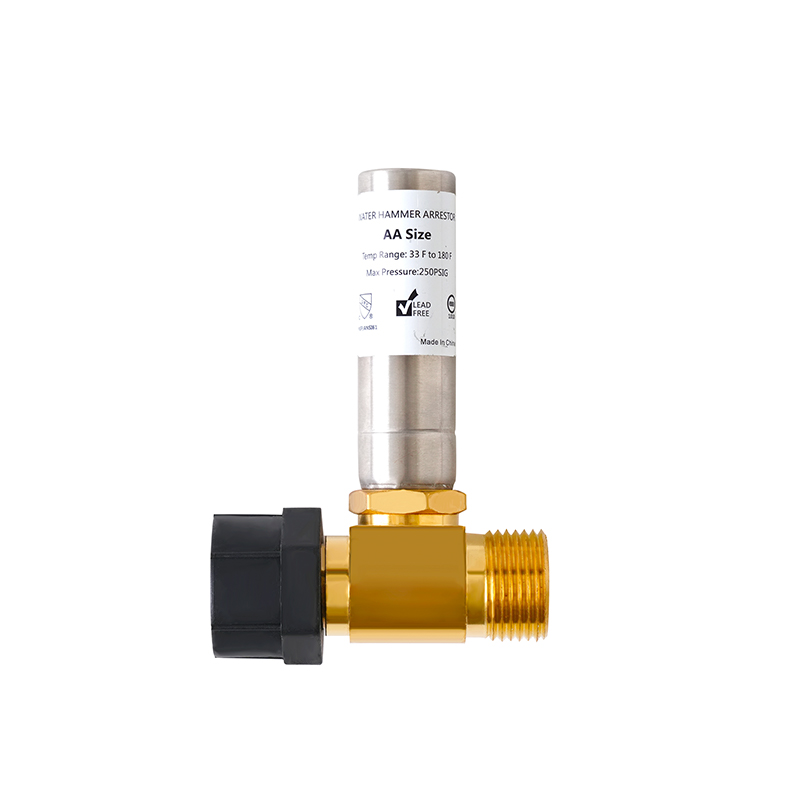
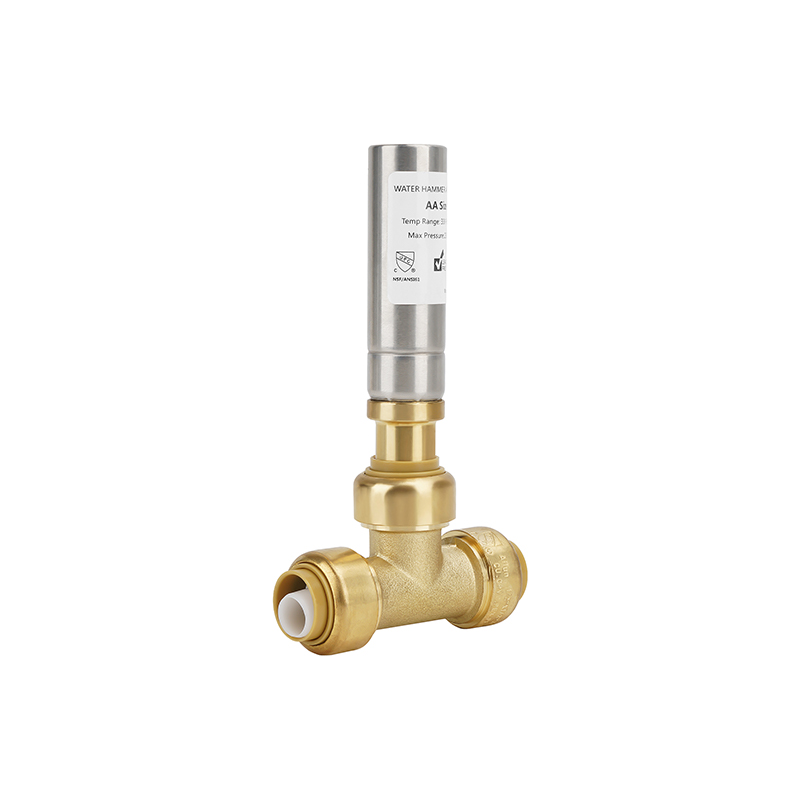
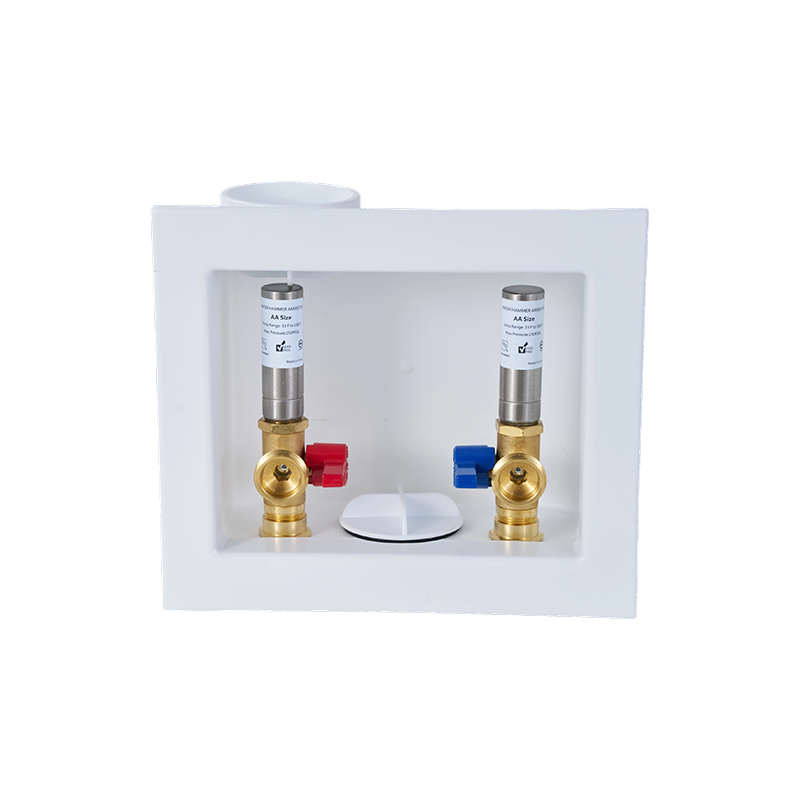
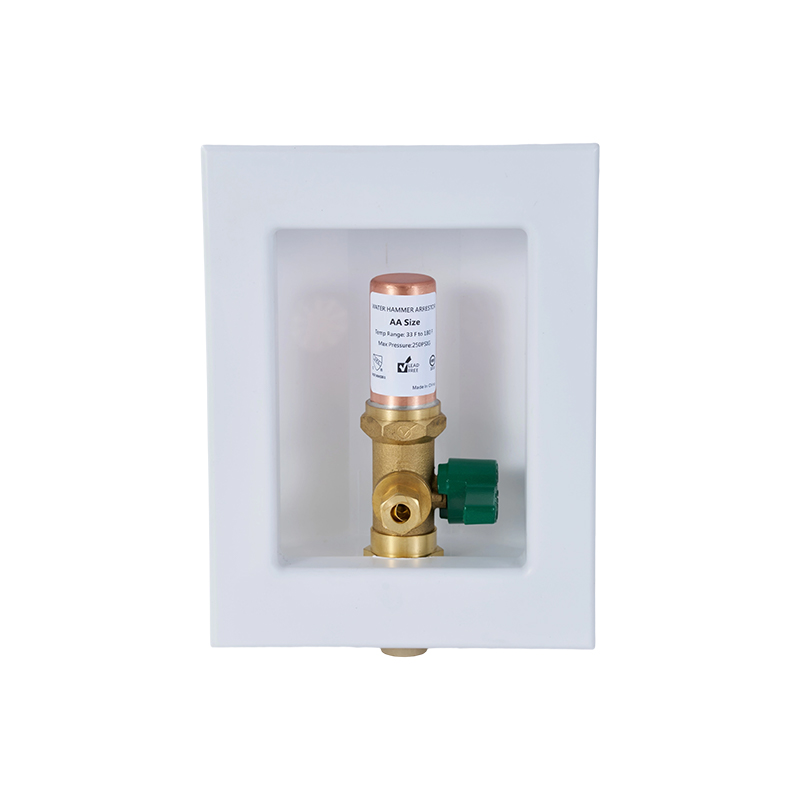
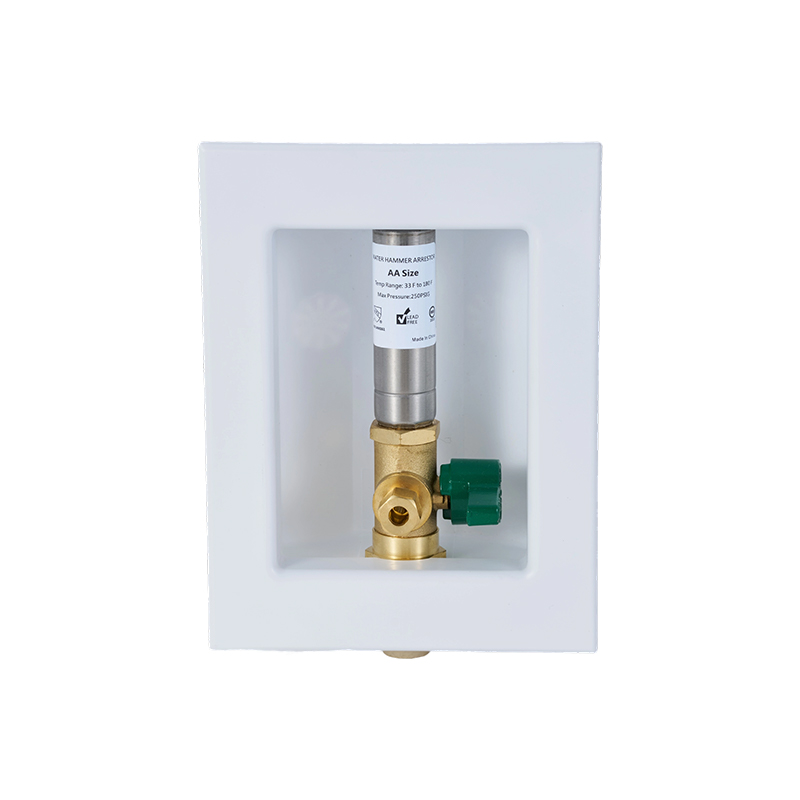
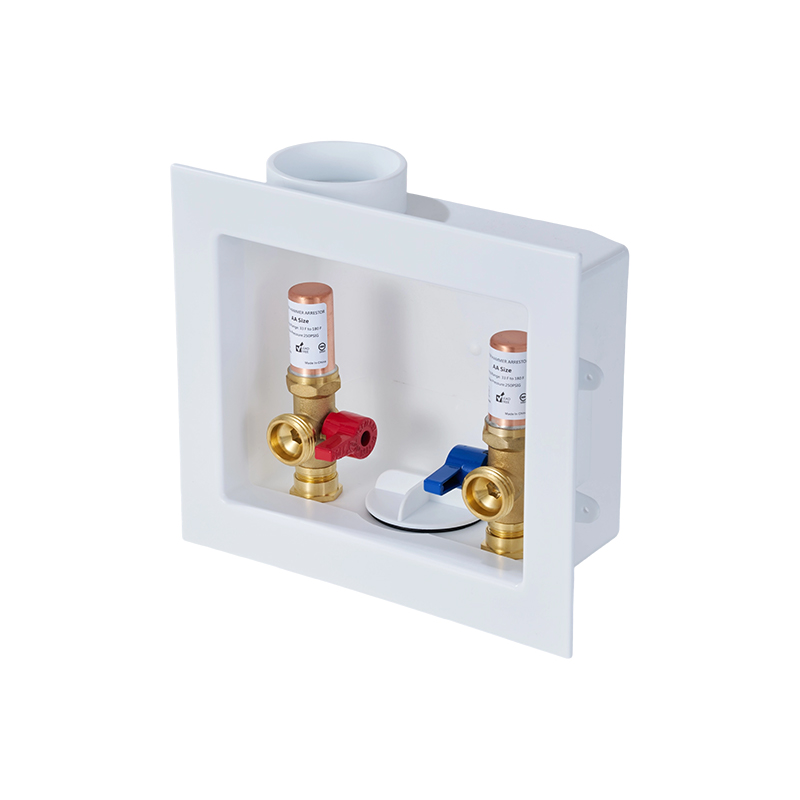
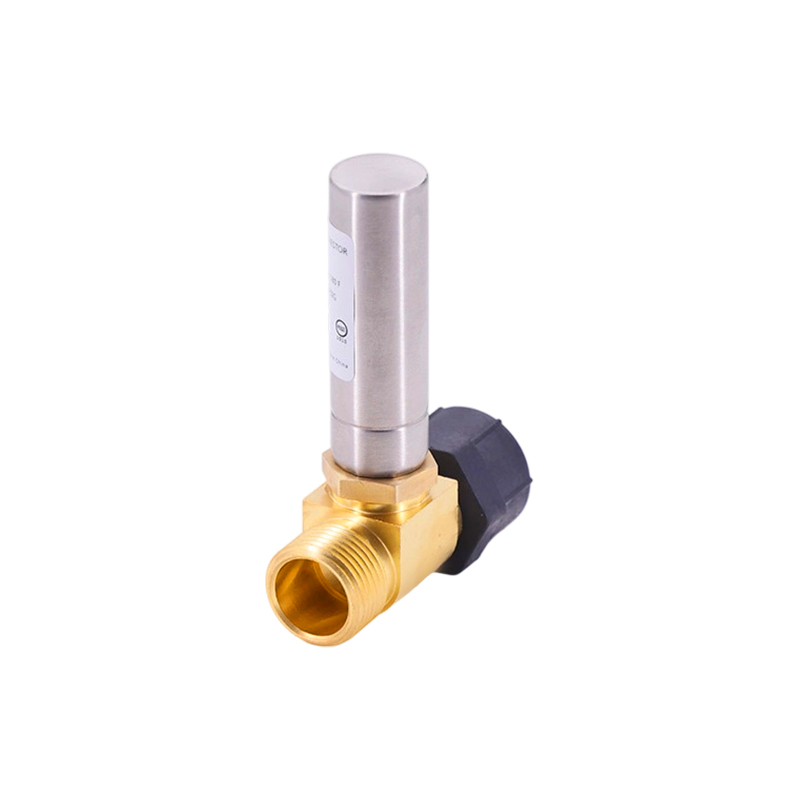
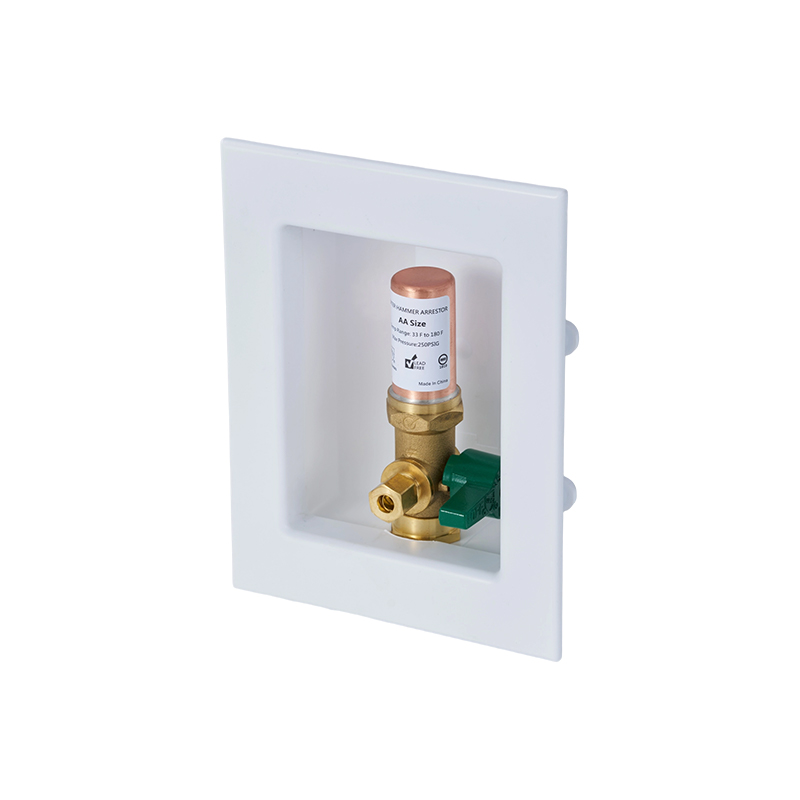
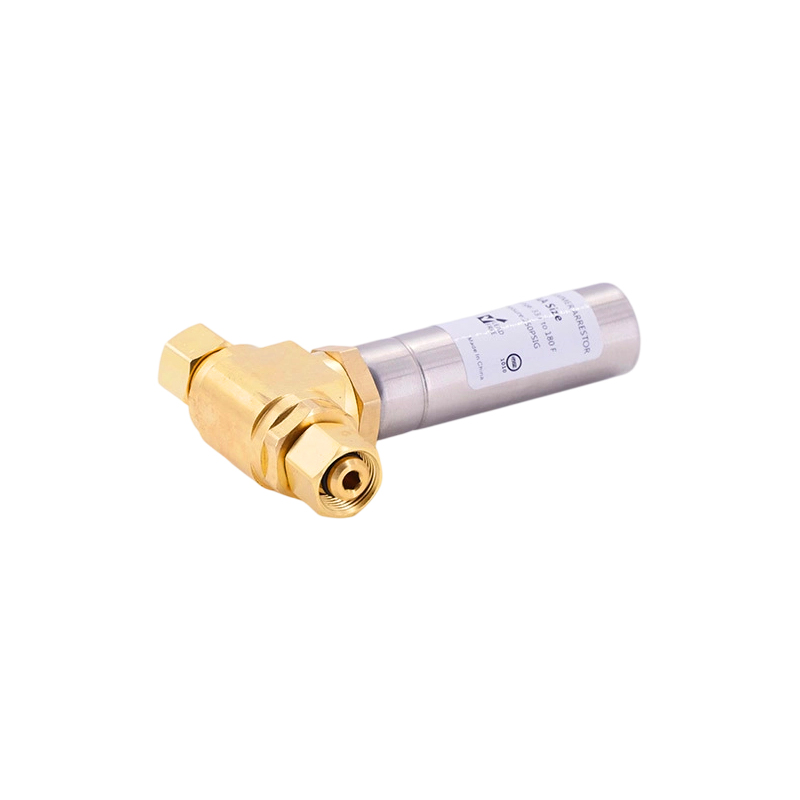
Water system longevity is strongly influenced by material choice, especially in components designed to absorb sudden pressure surges. A Copper Water Hammer Arrestor is a common solution in residential and commercial plumbing, prized for its excellent thermal conductivity and corrosion resistance. Meanwhile, a Stainless Steel Water Hammer Arrestor offers durability under high pressures and aggressive water chemistries.
Electrolysis Risks in Water Systems
Electrolysis occurs when two dissimilar metals are connected through an electrolyte, such as water, creating a small electrical current that accelerates corrosion on the anodic metal. In plumbing, this can lead to:
- Pitting and thinning of copper pipes
- Rust formation and surface degradation on steel components
- Leaks and system failures over time
Copper and stainless steel differ in their electrochemical potentials. Copper is anodic relative to many other metals, which can make it vulnerable in mixed-metal systems. Stainless steel, especially grades like 304 or 316, is more cathodic and resistant to localized corrosion.
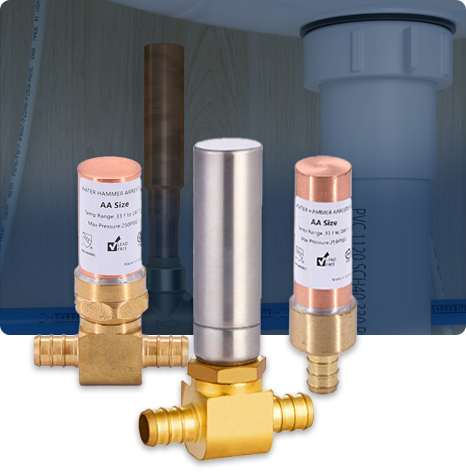
Copper Water Hammer Arrestor Advantages
Copper-based arrestors offer several benefits:
- Excellent thermal and electrical conductivity, allowing minor current dissipation
- Compatibility with copper piping, reducing galvanic potential
- Lightweight and easy to install in tight spaces
Technical specifications typically include:
- Burst pressure: up to 150 psi
- Operating temperature: -20°C to 110°C (-4°F to 230°F)
- Brass or bronze fittings to enhance corrosion resistance
While copper can be more prone to galvanic corrosion if connected directly to stainless steel or galvanized steel, proper dielectric fittings or isolation washers can mitigate electrolysis.
Stainless Steel Water Hammer Arrestor Advantages
Stainless steel arrestors provide:
- Higher tensile strength, suitable for pressurized or industrial water systems
- Superior resistance to chloride-induced pitting, ideal for hard or treated water
- Longer service life in mixed-metal environments
Common technical data for stainless steel units:
- Burst pressure: 300–400 psi
- Operating temperature: -40°C to 150°C (-40°F to 302°F)
- Passivation treatment to enhance corrosion resistance
Stainless steel arrestors are often used in systems where multiple metals intersect, such as copper supply lines joining steel manifolds, to reduce the risk of electrolysis.
Material Interaction and Installation Considerations
Proper installation is crucial in controlling galvanic corrosion:
- Use dielectric unions or isolation fittings when combining copper and stainless steel
- Maintain continuous water flow to reduce stagnation and concentration of ions
- Avoid direct contact between dissimilar metals in areas of high moisture
Our company recommends monitoring local water chemistry, including pH and chloride levels, to select the most suitable arrestor material.
Maintenance and Monitoring
Routine inspection ensures that potential electrolysis damage is caught early:
- Check for discoloration around fittings, an early sign of galvanic action
- Pressure test at regular intervals to detect weakening of metal walls
- Flush systems periodically to remove mineral buildup and minimize electrochemical gradients
Advanced arrestor models from our company include:
- Removable internal bladders for easy maintenance
- Pre-lubricated seals to reduce metal-to-metal friction
- Integrated pressure indicators to monitor system health
Cost-Benefit Analysis
While copper arrestors are generally more affordable, stainless steel units justify higher costs in challenging environments due to longevity and electrolysis resistance. Choosing the right material involves weighing:
- System pressure and temperature
- Water chemistry and chloride content
- Expected maintenance cycles and replacement costs
By factoring these parameters, facility managers can prevent premature failures and reduce long-term expenses.
Industry Best Practices
Our company advocates a proactive approach to prevent electrolysis in water systems:
- Match arrestor material to the predominant piping metal
- Isolate dissimilar metals using appropriate fittings
- Choose higher-grade stainless steel for systems with elevated chloride or aggressive water chemistry
- Perform periodic maintenance and visual inspections
Following these best practices, both copper and stainless steel water hammer arrestors can operate safely without contributing to electrochemical degradation.