

 English
 Español
 Français

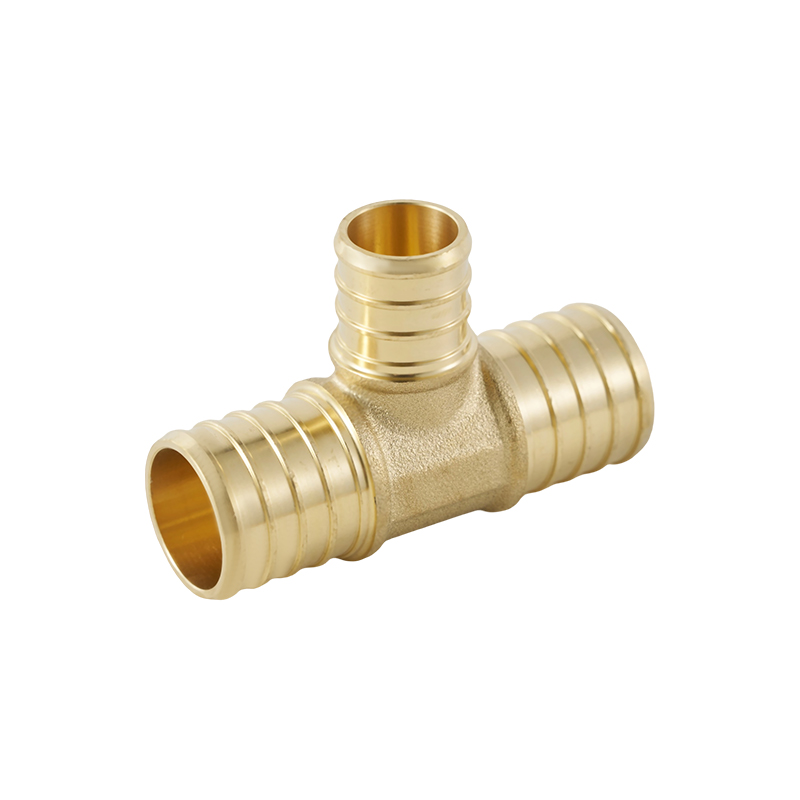
Safe installation of plastic plumbing systems depends heavily on matching pipe types with the correct connectors. PEX Pipe Fittings come in multiple connection styles — crimp, clamp, expansion, push-to-connect — and every one interacts differently with the various grades of PEX tubing. In-home plumbing, commercial plumbing, and larger-scale projects that also employ Industrial Pipe Fittings, choosing the right combination affects performance and long-term reliability.

PEX Tube Types at a Glance
PEX-A
Made via the Engel / peroxide cross-linking method.
Known for high flexibility and the ability to expand.
Works with more fitting types, especially expansion systems.
PEX-B
Formed with silane / moisture-cure cross-linking.
Stiffer than PEX-A, popular in residential installations.
Best for traditional crimp and clamp fittings.
PEX-C
Cross-linked through electronic irradiation.
Moderate flexibility with usage similar to PEX-B.
Often used in commercial or industrial environments.
Each of these three types is dimensionally consistent under the ASTM F876 standard, but their material behavior determines which fittings perform best.
Popular Fitting Styles and Compatibility
Different PEX Pipe Fittings are engineered to work with certain types of PEX tubing. Here’s how they line up:
1) Crimp and Clamp Fittings
General Use: These use metal rings, crimps or clamps to secure tubing to the fitting’s barb.
Compatibility: Works with PEX-A, PEX-B, and PEX-C.
Notes: more common choice for residential plumbing due to affordability and ease of installation.
2) Push-to-Connect (Push-Fit) Fittings
General Use: No special tools required. The fitting grips the pipe with internal teeth and O-rings.
Compatibility: Suitable with all PEX types and often other piping like copper or CPVC.
Notes: Very user-friendly but always verify manufacturer certification for specific PEX type.
3) Expansion Fittings
General Use: Tube ends are expanded with a tool, a fitting is inserted, and the pipe contracts back for a firm seal.
Compatibility: Designed for use with PEX-A only — the flexibility of PEX-A allows it to recover after expansion.
Notes: Do not use expansion fittings with PEX-B or PEX-C unless the tubing is explicitly rated for expansion.
4) Press and Compression Fittings
General Use: Industrial-style connectors often used in complex fluid systems or larger commercial builds.
Compatibility: Works with PEX-A, PEX-B, and PEX-C, depending on fitting design and tools.
Notes: Frequently used alongside Industrial Pipe Fittings in system loops where higher pressures or temperature ranges are encountered.
Real-World Compatibility Questions from Users
Many installers and DIYers ask whether fittings for one PEX type can be used with another. Across plumbing forums, several themes emerge:
Can PEX-A fittings be used on PEX-B pipe? Standard expansion fittings designed for PEX-A shouldn’t be used on PEX-B because PEX-B lacks the elasticity to expand properly, leading to poor seals or even cracks.
Are crimp fittings interchangeable among types? Yes — crimp and clamp connections naturally accommodate PEX-A, PEX-B, and PEX-C because they simply compress the pipe around the fitting.
Push fittings with multiple PEX grades? These are fairly forgiving, but always check dimension and certification markings on the fitting. A fitting labeled for PEX will typically note compliance with ASTM standards.
Practical Checklist for Installer Confidence
To minimize uncertainty during installation:
Check Pipe Markings: Look for ASTM F876 and fitting designation codes.
Follow Fitting Standards: For crimp and clamp, ASTM F1807 applies; expansion often uses ASTM F1960.
Mind Wall Thickness: Differences in SDR ratings affect which fittings seal correctly.
Consult Manufacturer Specs: Even within the same PEX type, small differences in pipe stiffness or wall thickness matter.
When suppliers such as Taizhou Shuihengyihao Fluid Technology Co., Ltd. label fittings with approved standards and application ranges, installers spend less time guessing and more time ensuring system integrity.