

 English
 Español
 Français

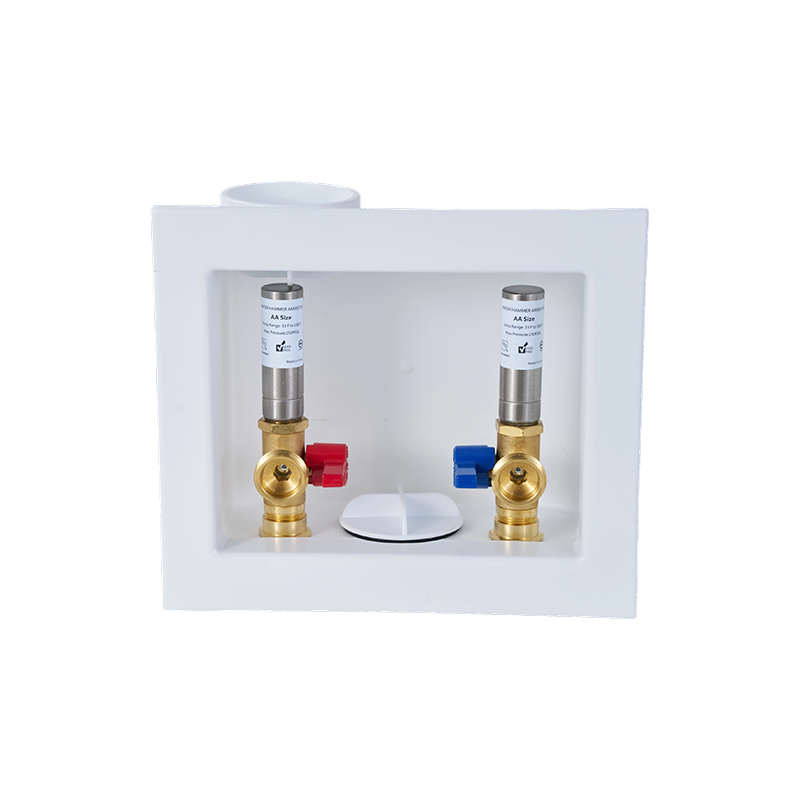
Modern laundry rooms increasingly rely on compact plumbing components that simplify installation while maintaining reliable water control. Washing machines create frequent pressure changes because their inlet valves open and close automatically during different cycles. These rapid flow changes can generate water hammer effects, causing vibration, pipe movement, and unwanted noise.
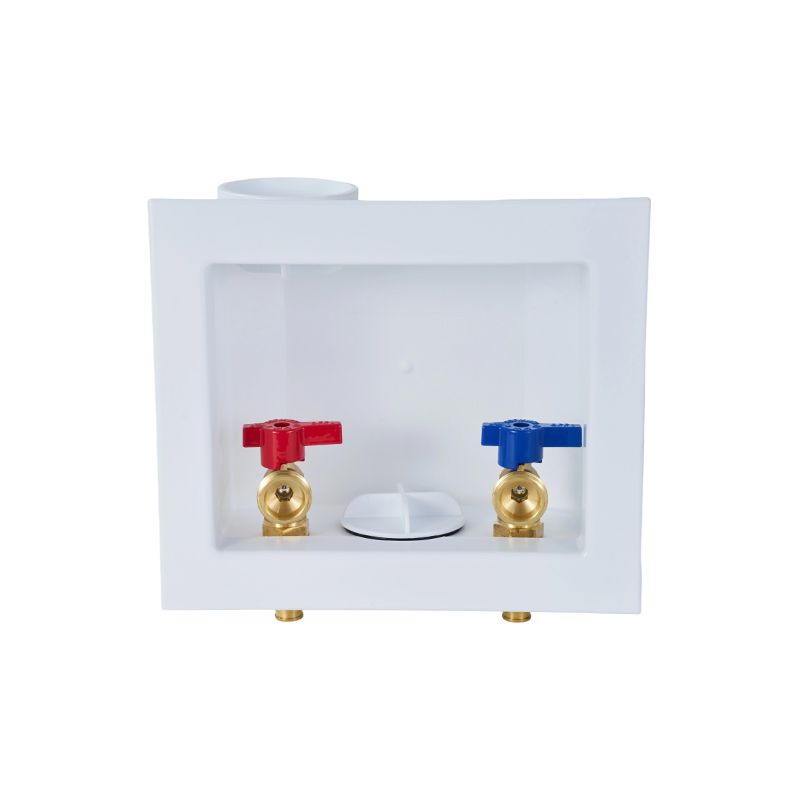
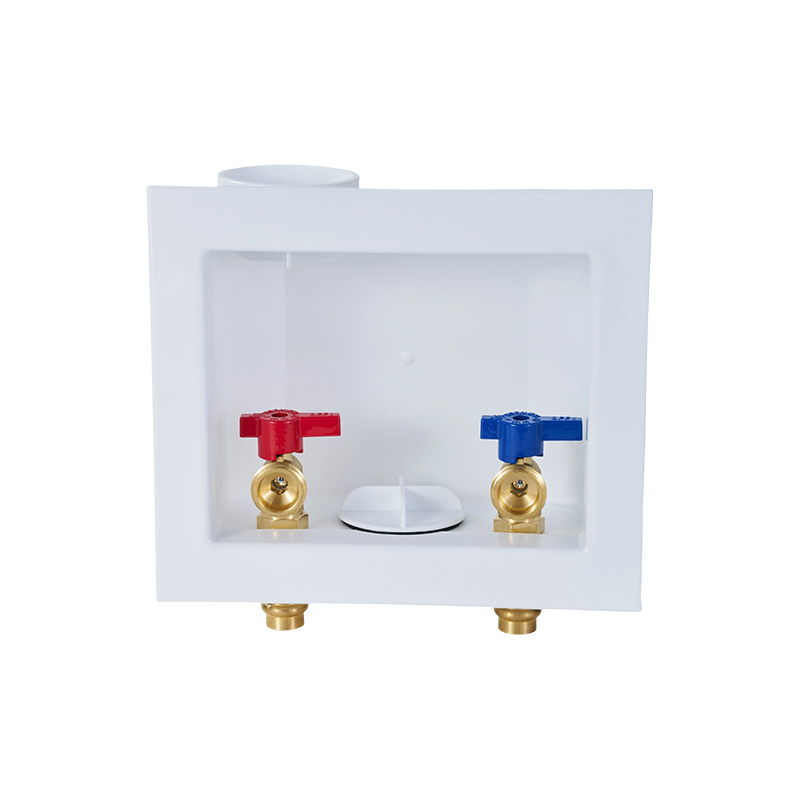
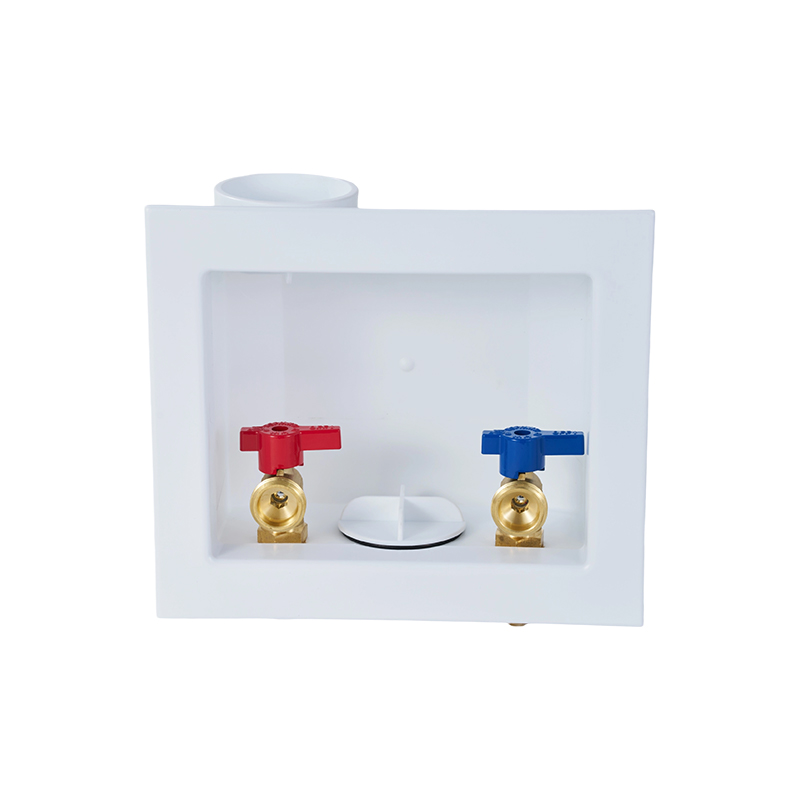
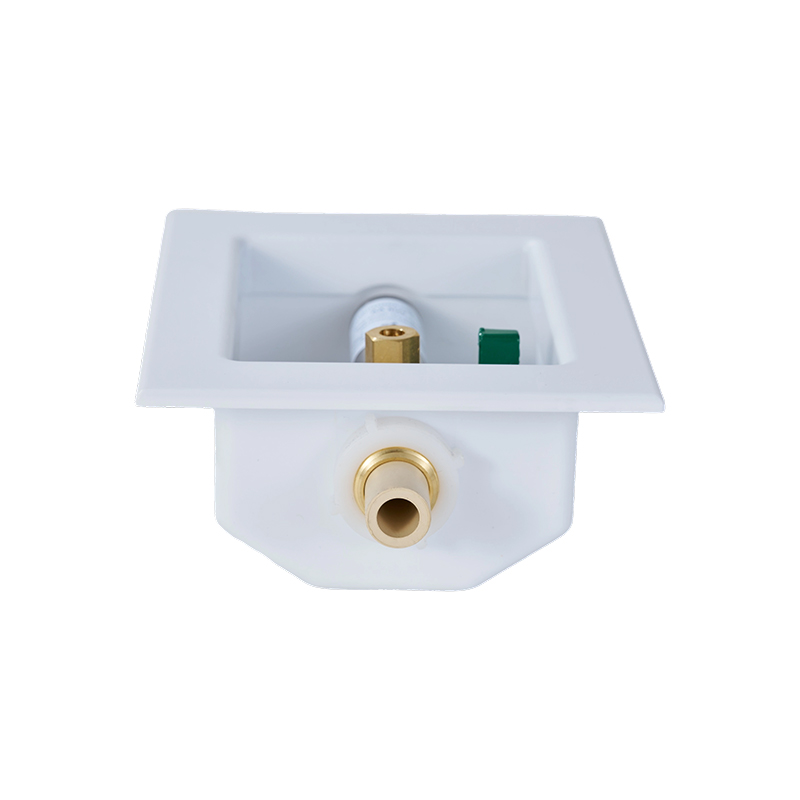
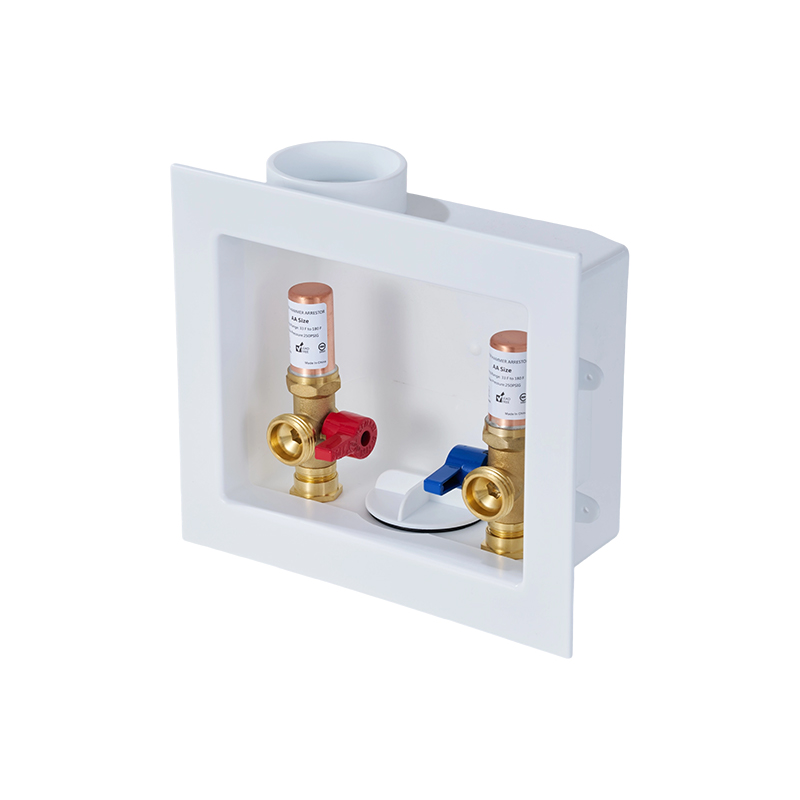
The Push Quick-Connect Fitting Washing Machine Outlet Box has become a practical option for many residential plumbing layouts because it allows fast connection without traditional soldering or complicated assembly procedures. However, a common question remains: can push-fit connections maintain stability under repeated pressure shocks over years of operation?
How Push-Fit Technology Handles Pressure Changes
Push-fit systems rely on a combination of gripping mechanisms and sealing elements. A typical design uses a stainless steel grab ring or collet that holds the pipe securely while an internal O-ring creates a watertight barrier.
- Mechanical gripping structure prevents the pipe from pulling out under normal operating loads
- Elastomer sealing components maintain water resistance around the pipe surface
- Rigid outlet box support reduces unnecessary movement behind the wall
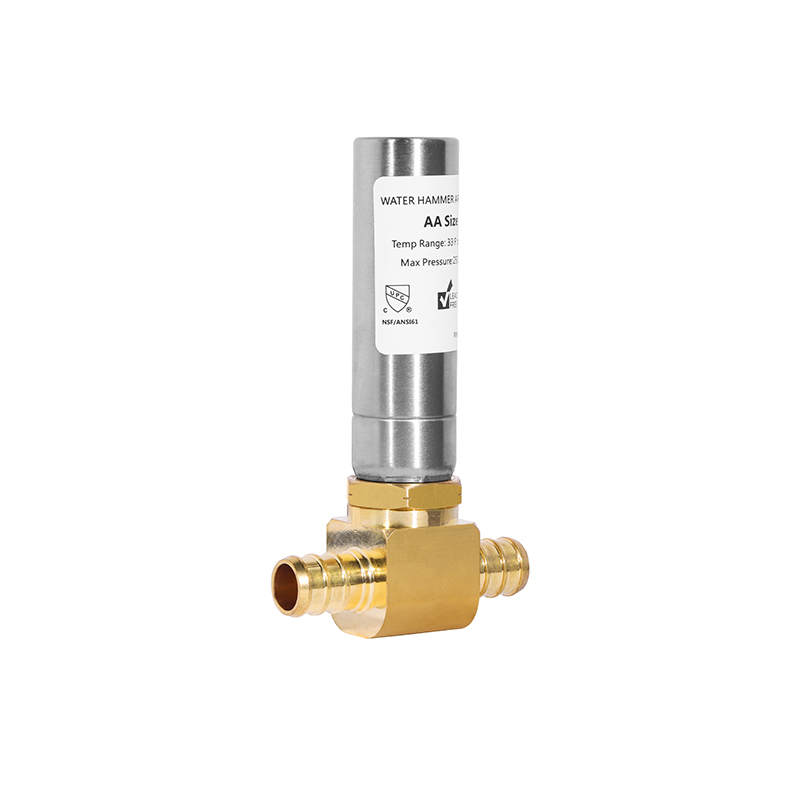
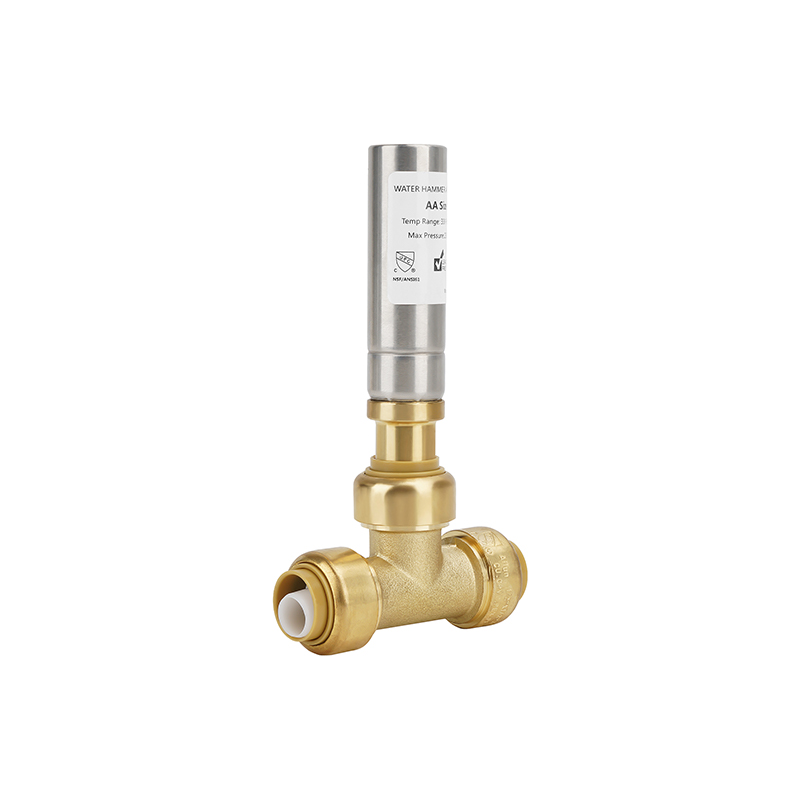
Many push-fit washing machine outlet boxes are designed for compatibility with copper, PEX, CPVC, and PE-RT piping systems. Some models include integrated water hammer arrestors to reduce pressure impact before it reaches the connection area.
Water Hammer Stress Inside Washing Machine Supply Lines
Water hammer occurs after a sudden change in water velocity. Washing machines are common sources because their automatic solenoid valves can close quickly, creating a pressure wave that travels through the supply pipe.
The pressure event itself may last only a short period, but repeated cycles can create thousands of stress events throughout the service life of the plumbing system. The connection between the outlet box and supply pipe must therefore handle both static pressure and dynamic movement.
- Static pressure resistance protects against continuous water supply pressure
- Cycle durability helps maintain sealing performance after repeated valve operation
- Shock absorption design reduces the intensity transferred through the plumbing network
Connection Structure Behind Push-Fit Reliability
The performance of a push-fit outlet box depends heavily on the internal structure. Unlike threaded connections that rely on metal-to-metal engagement, push-fit systems distribute holding force around the pipe circumference.
A properly designed fitting usually includes several key elements:
- Stainless steel gripping teeth maintain pipe retention under pressure movement
- Precision-machined sealing chambers support consistent O-ring compression
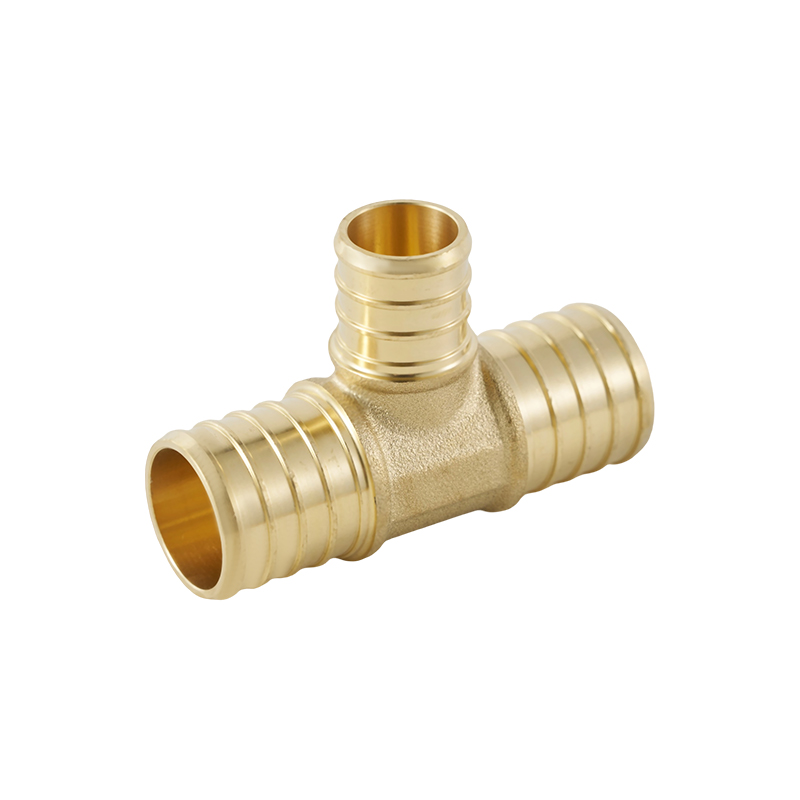
- Reinforced brass or polymer housing provides structural stability
Some commercial push-fit washing machine boxes are rated around 200 psi and temperatures near 200°F, depending on the specific product design and certification requirements.
Does Installation Quality Affect Long-Term Performance?
Although push-fit connections are designed for simplified installation, preparation remains important. Pipe condition, insertion depth, and alignment all influence connection performance.
Common installation factors include:
- Clean pipe surfaces help protect sealing rings from damage
- Correct insertion depth ensures the pipe reaches the intended sealing area
- Proper wall support limits movement caused by appliance vibration
A secure connection depends not only on the fitting itself but also on the surrounding installation environment. Excessive pipe movement inside the wall cavity can create additional mechanical stress over time.
Role of Integrated Water Hammer Arrestors
Some washing machine outlet boxes combine push-fit connections with built-in arrestor chambers. This design places pressure control closer to the source of the shock, helping reduce vibration before it spreads throughout the piping system. :contentReference[oaicite:3]{index=3}
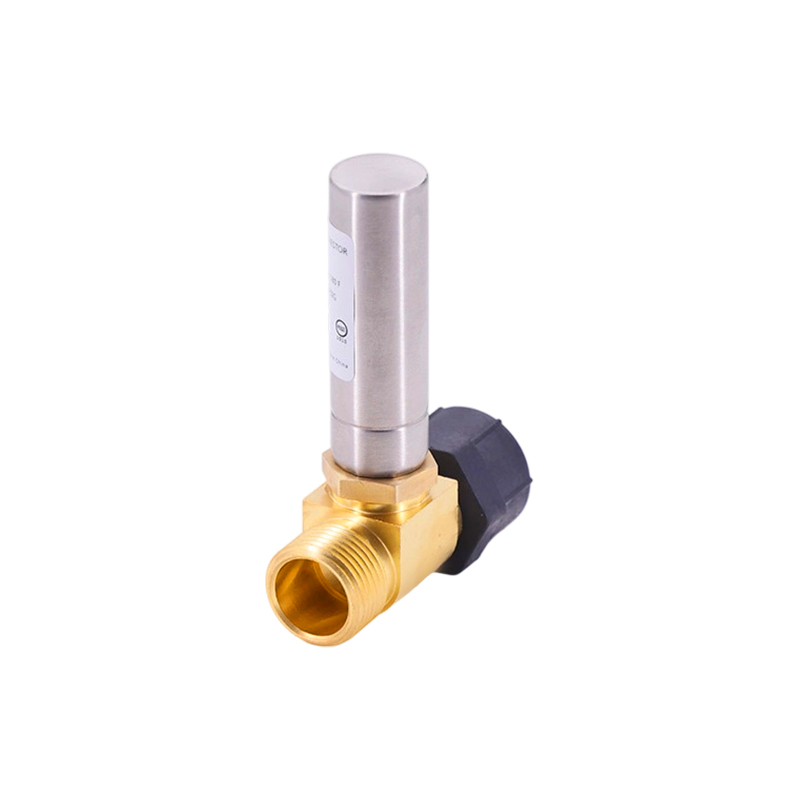
The arrestor normally contains an air chamber, piston, or similar mechanism that absorbs pressure energy. By reducing the strength of the pressure wave, the system experiences less stress during repeated washing cycles.
- Reduced pipe movement helps limit noise from sudden pressure changes
- Lower impact on fittings supports longer service stability
- Compact integration saves space inside laundry wall cavities
Comparing Push-Fit and Traditional Connection Methods
Traditional plumbing methods such as soldered copper joints and threaded connections remain widely used, but push-fit designs offer different advantages for modern construction.
| Connection Type | Typical Characteristics |
| Push-Fit | Fast installation, compatible with multiple pipe materials, no heating tools required |
| Threaded | Serviceable connection with mechanical engagement and sealing compounds |
| Soldered | Permanent metal joint requiring skilled installation procedures |
The appropriate solution depends on project requirements, pipe materials, maintenance expectations, and installation conditions.
Material Considerations for Laundry Applications
Laundry environments expose plumbing components to humidity, temperature changes, and frequent appliance operation. Materials used in outlet boxes must maintain dimensional stability and corrosion resistance.
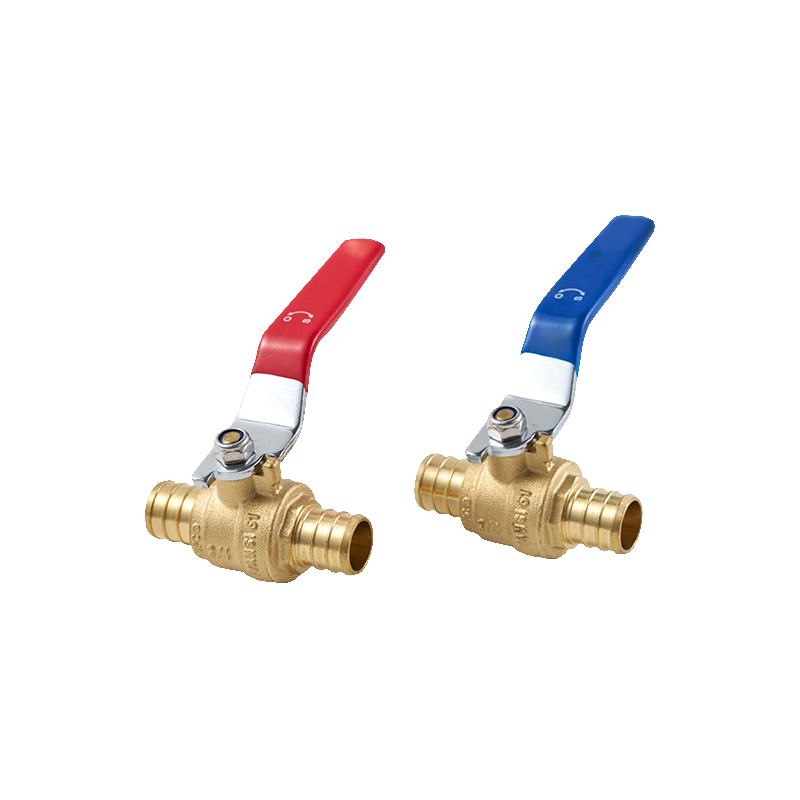
- Brass valve bodies provide mechanical strength for shut-off applications
- Stainless steel retaining parts improve grip consistency
- Durable sealing materials support long-term water resistance
Potential Limitations Under Extreme Conditions
Push-fit outlet boxes are designed for normal plumbing environments, but extreme conditions may affect performance. Very high pressure, incorrect installation, contaminated pipe surfaces, or excessive movement can reduce connection reliability.
Regular inspection of visible areas around washing machine connections remains useful, especially in older installations or systems exposed to frequent pressure fluctuations.
Push-fit outlet boxes can remain secure under repeated water hammer stress when the connection design, installation method, and pressure control features work together. The Push Quick-Connect Fitting Washing Machine Outlet Box offers a compact approach for modern laundry plumbing by combining fast connection technology with stable water supply control.
Long-term performance depends on more than the fitting style alone. Proper pipe preparation, suitable support, and effective pressure management help maintain a reliable washing machine connection through years of repeated operating cycles.