

 English
 Español
 Français

Modern plumbing systems often contain multiple water supply branches connected within limited installation spaces. Washing machines, dishwashers, and other quick-closing appliances can generate sudden pressure changes that travel through shared pipe networks. Although water hammer arrestors are designed to absorb these pressure waves, multi-directional designs may raise questions about how different flow paths interact.
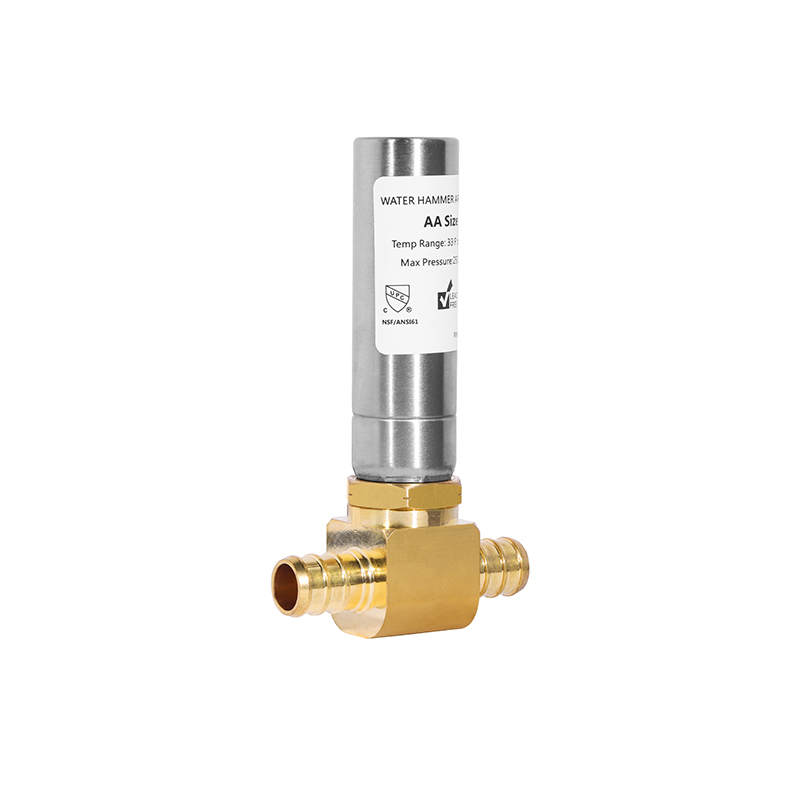
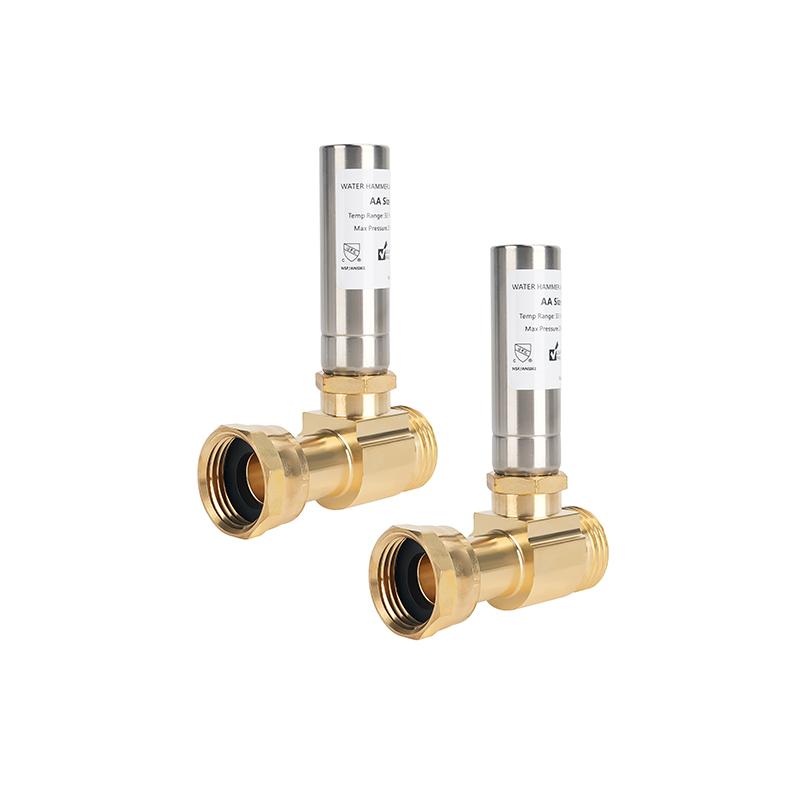
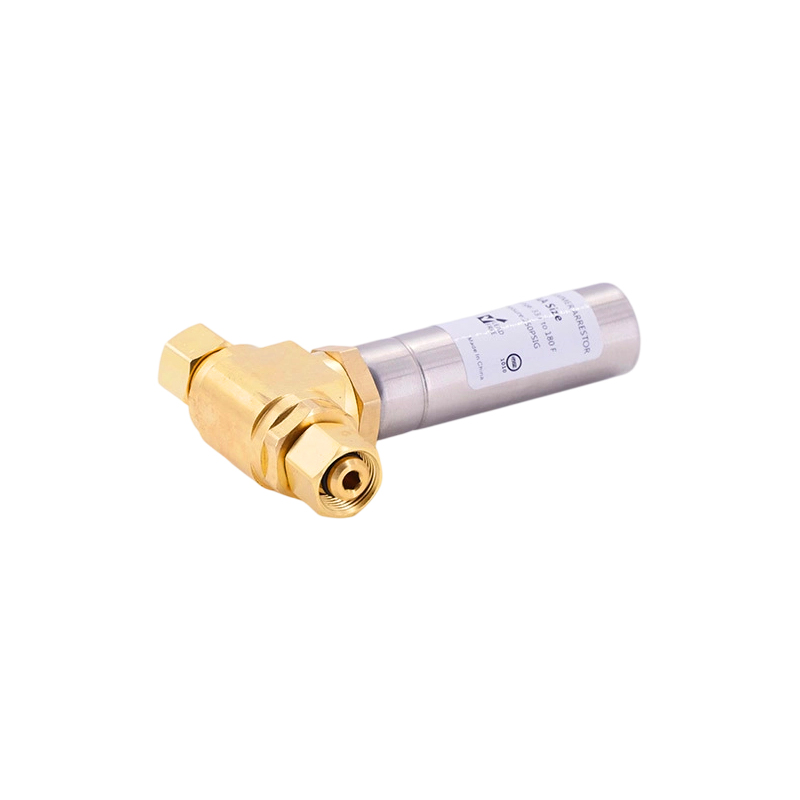
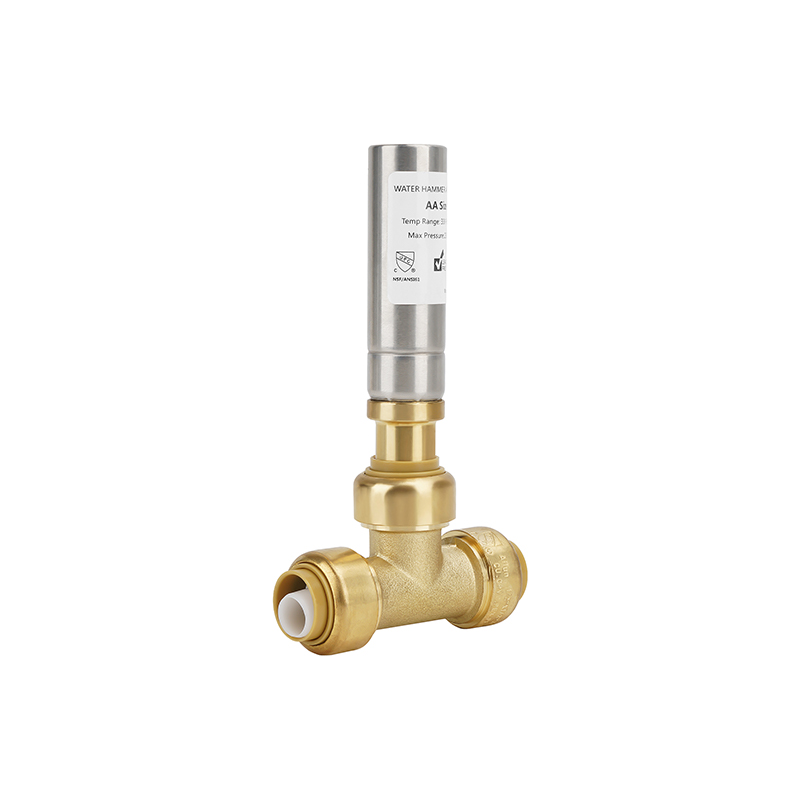
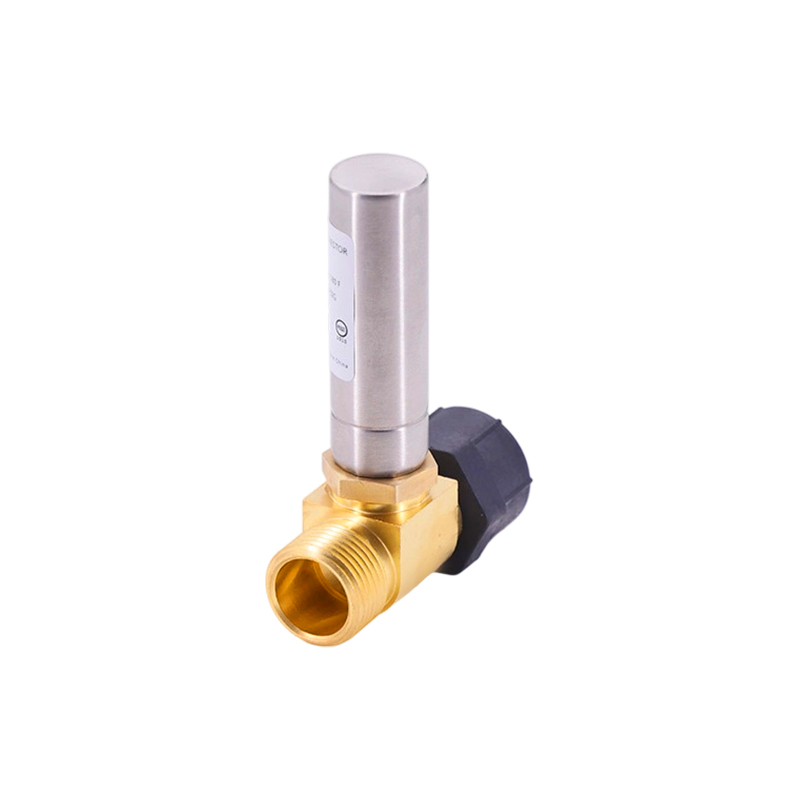
The Three-Way Stainless Steel Water Hammer Arrestor introduces a unique configuration by allowing pressure control across multiple connection points. Compared with a single-direction structure, a three-way arrangement creates additional flexibility for complex plumbing layouts. However, users may wonder whether this design could create unexpected cross-line pressure effects between connected branches.
Water hammer occurs after a rapid change in fluid velocity, such as a washing machine valve closing suddenly. The resulting pressure wave can travel through the piping system and affect nearby fittings, valves, and appliances. A properly positioned arrestor absorbs part of this energy through an internal air chamber, piston, or damping mechanism.
How Three-Way Structures Change Pressure Distribution
A conventional arrestor usually focuses on a single pressure source. A three-way model works differently because it connects with more than one flow direction. This design can be useful in areas where several supply paths are located close together.
- Multiple connection points allow one arrestor unit to interact with several nearby water lines
- Central damping position helps manage pressure movement from different directions
- Compact installation structure supports applications with limited wall cavity space
However, the additional connection path also means pressure behavior becomes more complex. A pressure wave entering one branch may influence the conditions of another connected branch, depending on pipe length, valve operation speed, and system pressure.
Cross-Line Pressure Effects Explained
Cross-line pressure interaction does not necessarily indicate a design problem. It is a result of fluid dynamics inside connected piping systems. Pressure waves do not stop immediately after reaching an arrestor; they reflect and move through the network until energy is dissipated.
A three-way configuration may experience different pressure patterns compared with a single-line installation because:
- Shared pressure chambers may receive impulses from multiple branches
- Different pipe lengths can change wave timing and reflection behavior
- Multiple quick-closing valves may create overlapping pressure pulses
For example, a washing machine valve closing rapidly may generate a pressure wave that reaches the arrestor while another fixture is operating. The internal damping mechanism must respond smoothly without transferring unnecessary vibration into adjacent lines.
Stainless Steel Construction and Pressure Stability
Material selection plays an important role in maintaining consistent performance. Stainless steel is commonly used in water hammer arrestor bodies because it provides corrosion resistance and mechanical strength in wet environments.
The internal components usually include a sealed chamber, piston assembly, or gas-filled section. During a sudden pressure increase, the internal mechanism compresses and absorbs part of the hydraulic impact. This reduces the intensity of the pressure wave before it continues through the piping network.
- Stainless steel shell supports repeated pressure cycling
- Precision sealing components reduce internal leakage risks
- Stable chamber performance helps maintain consistent shock absorption
Influence of Installation Location
The location of a water hammer arrestor strongly affects its ability to manage pressure changes. Many installation guides recommend placing arrestors close to the source of sudden flow changes, such as washing machine valves or appliance connections.
A three-way design installed too far from the pressure source may experience reduced response efficiency because the pressure wave has already traveled through multiple sections of piping.
Important installation factors include:
- Distance from quick-closing valves affects response speed
- Pipe arrangement determines how pressure waves travel
- Support structure reduces mechanical vibration around connections
Balancing Multi-Branch Plumbing Requirements
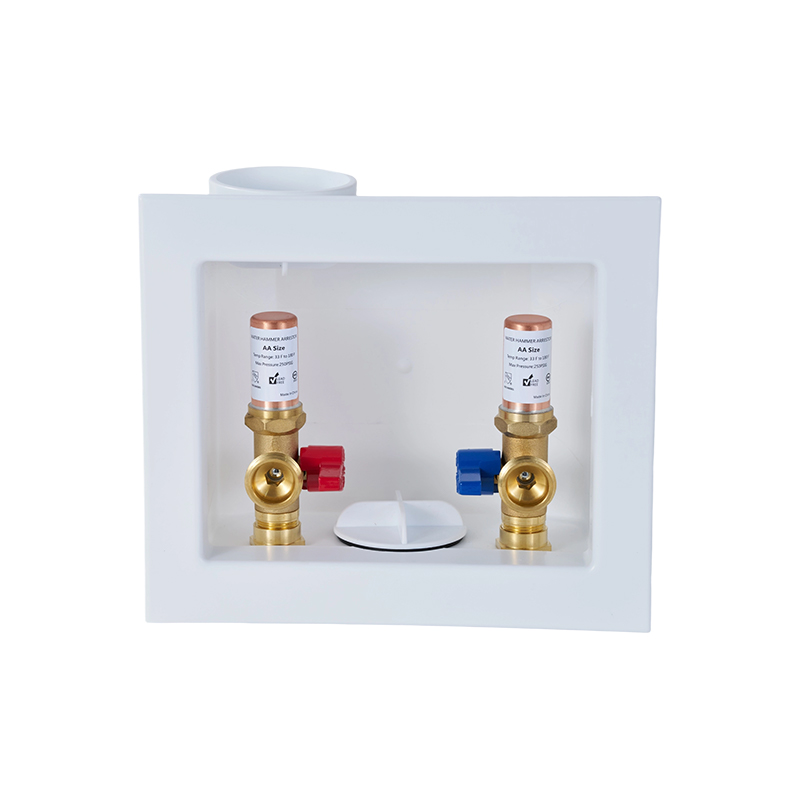
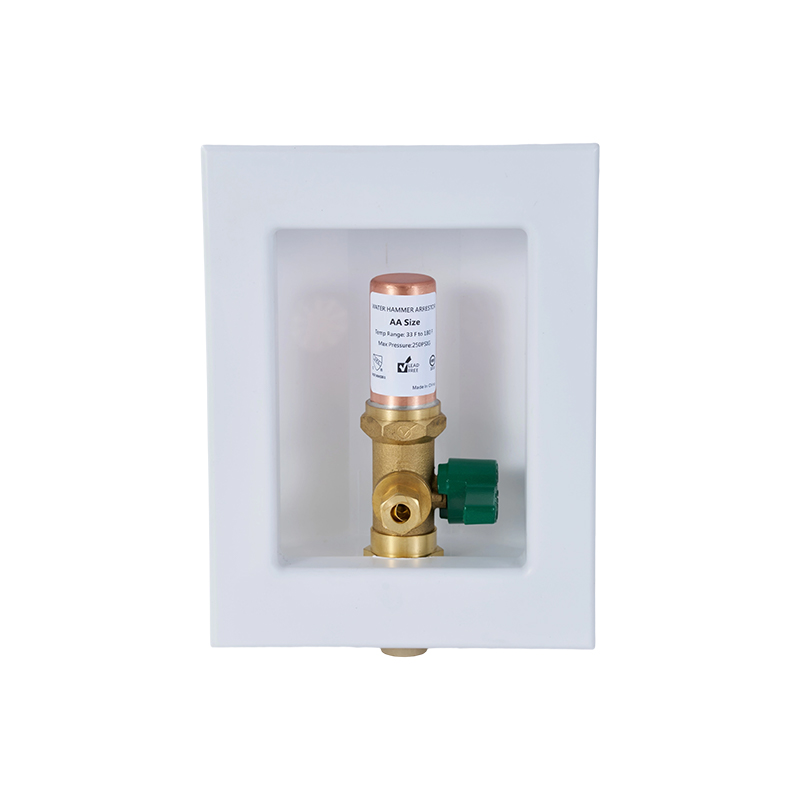
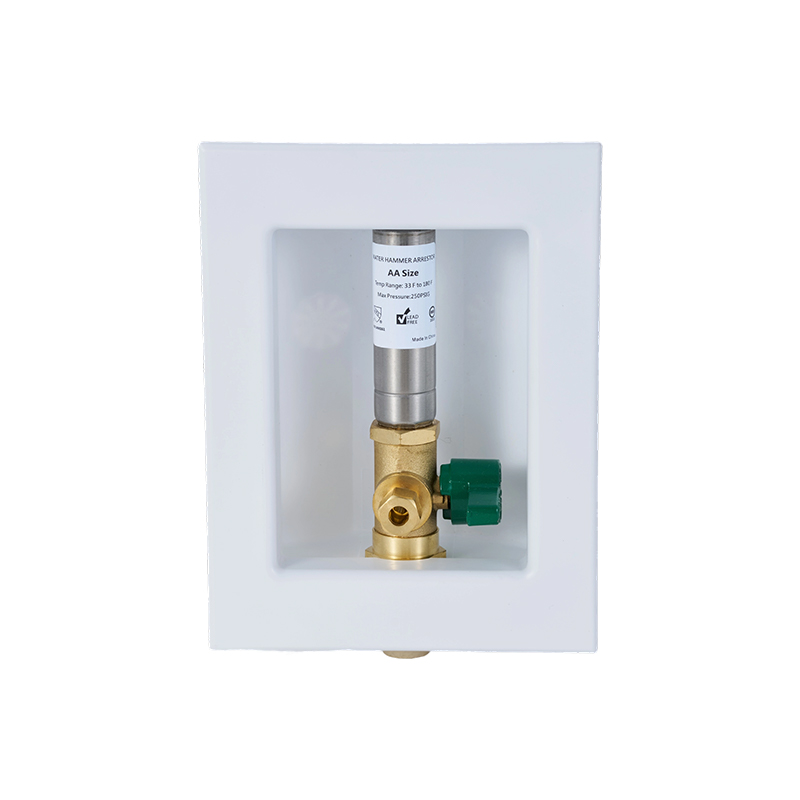
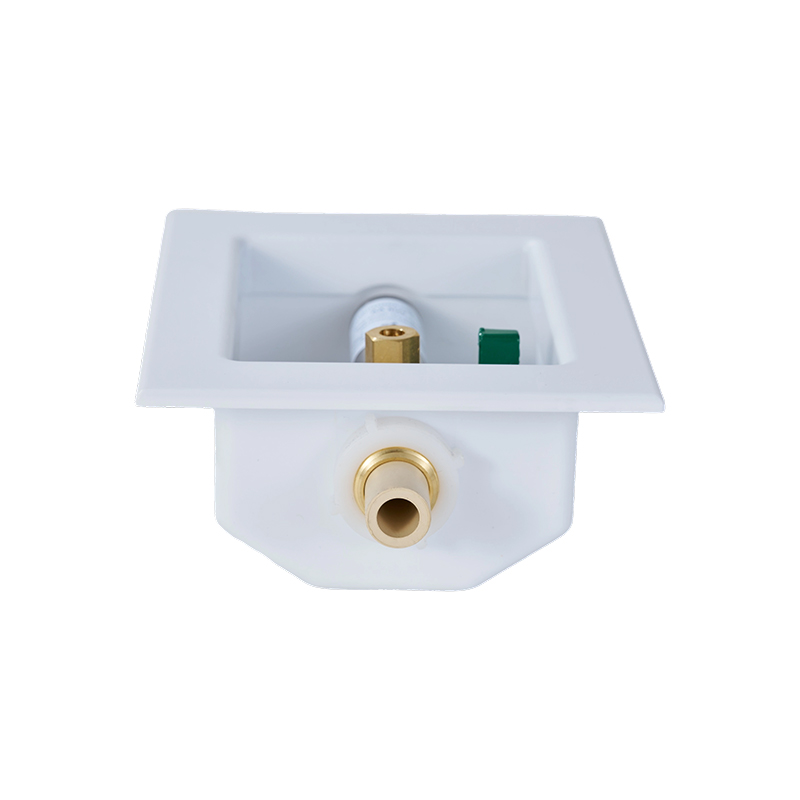
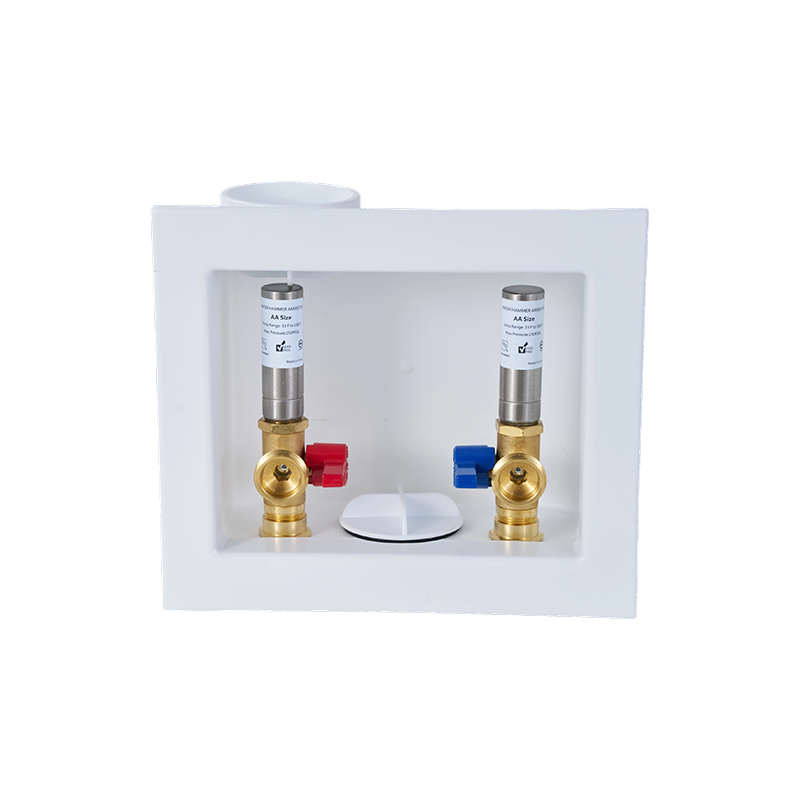
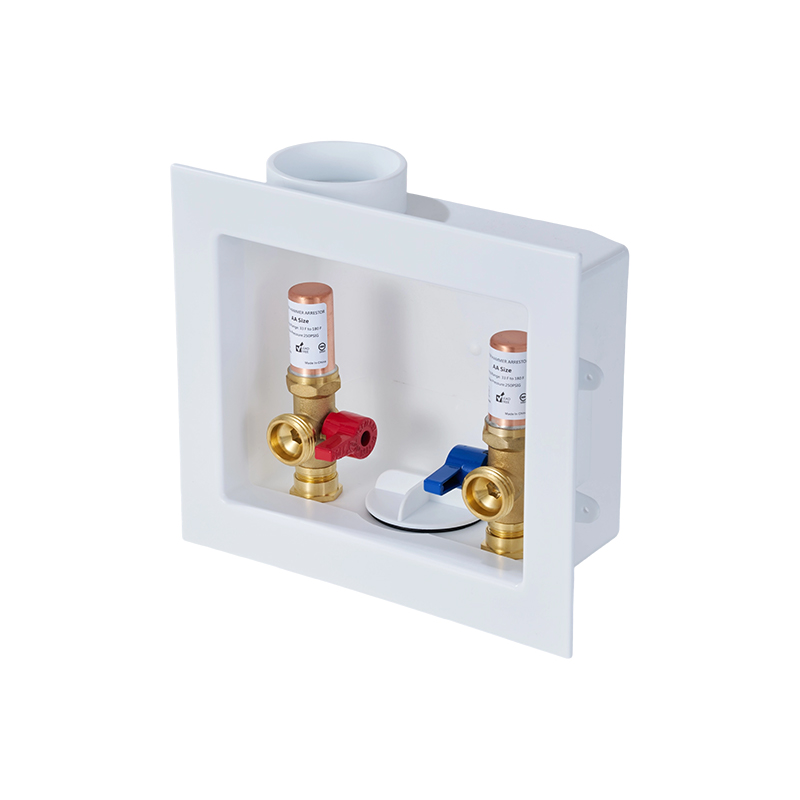
Three-way arrestor designs are often considered in compact plumbing systems where several connections share a common area. Laundry rooms are one example because washing machine outlet boxes may be installed near other water supply branches.
A balanced design needs to consider:
- Flow direction to prevent unnecessary turbulence
- Pressure rating to match the operating conditions of the plumbing system
- Connection size to maintain suitable flow characteristics
Typical residential water hammer arrestors are designed around common plumbing pressure ranges, while higher-pressure systems may require additional pressure control equipment. Some installation instructions recommend pressure reduction measures for systems above certain pressure limits.
Potential Challenges in Complex Water Networks
Although three-way structures offer installation flexibility, they are not a universal solution for every piping arrangement. Large commercial systems, long pipe runs, or networks with many rapid valves may require detailed hydraulic evaluation.
Possible challenges include:
- Uneven branch pressure caused by different flow demands
- Incorrect sizing that limits damping capacity
- Improper placement that reduces shock control effectiveness
Application in Washing Machine Plumbing Systems
Washing machines are common sources of water hammer because their automatic valves can stop water flow quickly. A three-way arrestor can be integrated into laundry plumbing layouts where multiple connection points require pressure control.
The Three-Way Stainless Steel Water Hammer Arrestor can provide a compact approach for managing pressure fluctuations, especially in installations where traditional single-branch solutions are difficult to arrange.
Three-way arrestor designs may create more complex pressure interactions compared with simple single-line models, but these effects are related to system layout rather than the design concept itself. Proper sizing, correct positioning, and suitable pipe configuration help maintain stable performance.
As plumbing systems become more compact and interconnected, stainless steel multi-directional arrestors provide another option for controlling pressure shock while supporting flexible installation requirements. Understanding how pressure waves move through connected lines remains essential for achieving reliable water hammer control.