

 English
 Español
 Français

Ball valves are widely used in residential and commercial plumbing systems because they provide quick shut-off control and reliable flow regulation. However, small leakage concerns often appear around threaded connection areas, especially after long periods of pressure exposure, repeated valve operation, or improper installation.
The Internal Thread Socket Welding Brass Ball Valve combines threaded interfaces with socket welding structures, creating a connection method that requires attention to both sealing performance and joint stability. A common question among users is whether welded brass ball valve designs are more likely to develop micro-leaks at internal thread joints.
The answer depends on several technical factors, including thread accuracy, welding quality, material stress control, sealing method, and operating conditions. A properly manufactured valve should maintain stable performance, while installation errors or unsuitable working environments may increase leakage risks.
Understanding Leakage Risks Around Internal Thread Areas
Internal threaded joints rely on mechanical engagement between matching components. Unlike welded sections that form a permanent metal connection, threaded areas require additional sealing measures to prevent microscopic water paths.
Small leakage points may develop because of:
- Incorrect thread matching between connected components
- Insufficient sealing material around the threaded section
- Excessive tightening force that damages thread surfaces
- Repeated pressure fluctuations that gradually stress the connection
Threaded brass valves commonly use sealing solutions such as PTFE tape or pipe sealants to improve joint reliability. Proper sealing technique is essential because metal threads alone may not completely block microscopic gaps.
How Socket Welding Affects Valve Structure
Socket welding creates a permanent connection by joining metal components through controlled heating. This method is often applied in applications requiring strong mechanical integration and stable pressure resistance.
The welding process itself does not usually create leakage problems when manufacturing parameters are controlled correctly. However, heat exposure during welding can influence the surrounding brass structure if temperature management is insufficient.
- Controlled welding temperature helps maintain material consistency
- Accurate machining before welding improves final dimensional stability
- Post-production pressure testing identifies possible weak points
Some brass ball valve manufacturers perform leak testing after production to verify sealing performance under pressure conditions.
Relationship Between Internal Threads and Valve Body Stress
Internal threads create concentrated stress areas because material is removed during machining. Brass provides good machinability and corrosion resistance, but excessive mechanical force can affect the threaded region.
Several conditions may increase stress concentration:
- Over-tightening during installation may deform the threaded area
- Cross-threading can damage the contact surface
- Pipe misalignment may create additional side loading
Brass components should be tightened according to suitable installation practices. Excessive force may create cracks or stress damage around threaded sections, especially in thinner valve bodies.
Pressure Cycling and Long-Term Connection Stability
Plumbing valves rarely operate under completely static conditions. Washing machines, pumps, and automated fixtures can create repeated pressure changes throughout daily use.
These pressure cycles can influence threaded joints through:
- Expansion and contraction caused by temperature variation
- Hydraulic shock from sudden flow interruption
- Mechanical vibration transferred through connected pipes
A well-designed valve structure distributes these forces through the body rather than concentrating them at a single connection point.
Material Advantages of Brass Ball Valve Construction
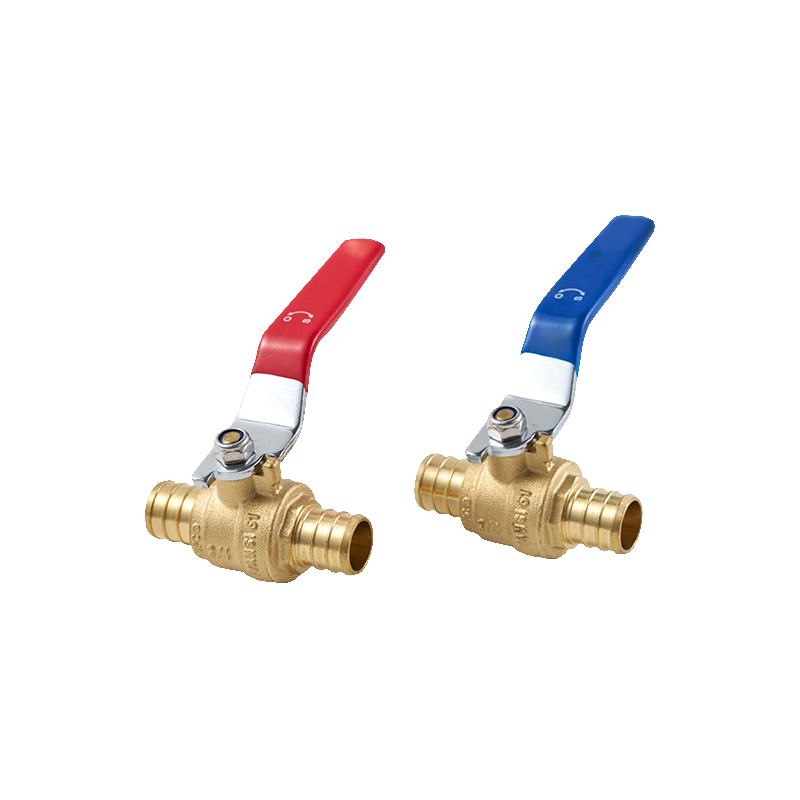
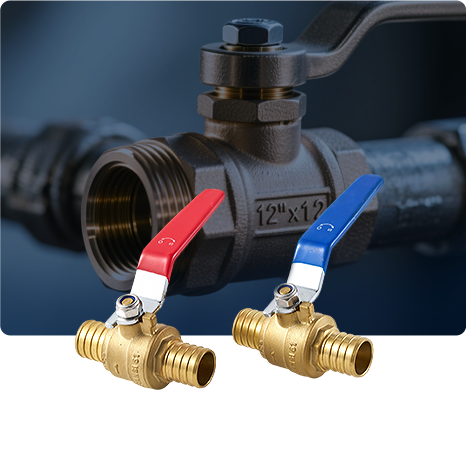
Brass remains a common material for ball valves because it provides a balance between strength, corrosion resistance, and manufacturing flexibility. Many industrial brass ball valves are available with threaded or socket weld connection options depending on application requirements.
Typical construction features include:
- Forged brass or solid brass body for structural durability
- PTFE valve seats for smooth operation and sealing support
- Reinforced stem sealing design to reduce external leakage risks
Some brass ball valves are designed with full-port structures and pressure ratings suitable for demanding water or industrial applications.
Testing Methods Used to Detect Micro-Leaks
Because small leakage paths may not appear immediately, manufacturers often apply pressure testing procedures before products reach the market.
Common evaluation methods include:
- Hydrostatic testing checks resistance under controlled water pressure
- Shell testing evaluates valve body integrity
- Seat leakage testing verifies shut-off performance
Professional testing helps identify defects from machining, welding, or assembly before installation.
Installation Factors That Influence Sealing Performance
Even a high-quality valve can experience leakage problems without correct installation. The connection between the valve and pipeline must maintain proper alignment and sealing pressure.
- Clean thread surfaces prevent contamination from affecting sealing
- Correct sealing materials improve resistance against water penetration
- Suitable tightening torque protects the brass body structure
Threaded ball valves may offer convenient maintenance because components can be removed or replaced, but the connection requires careful assembly to maintain long-term reliability.
Internal Thread Socket Welding Design Applications
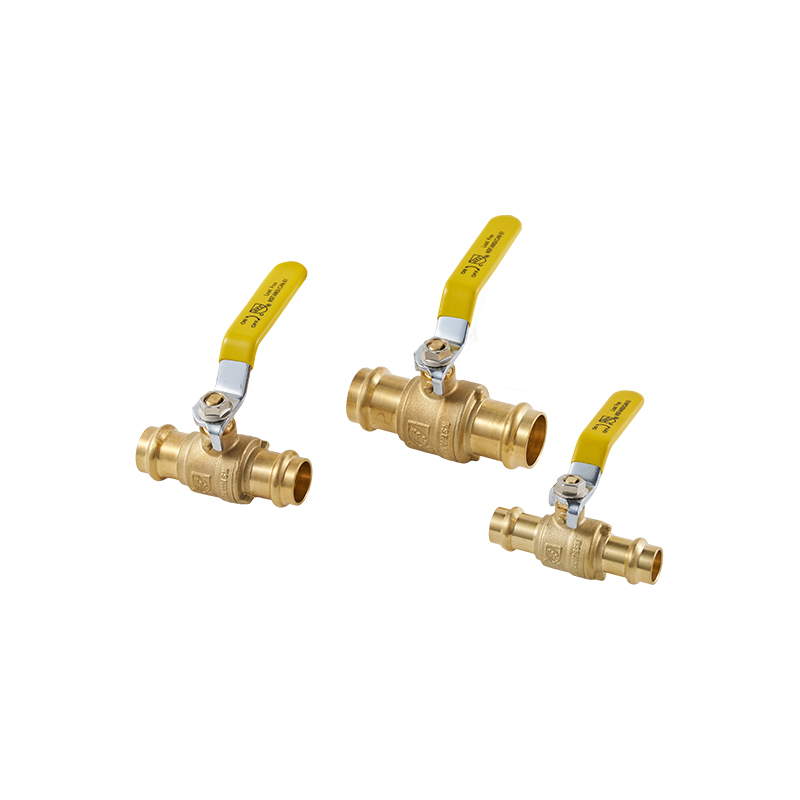
The Internal Thread Socket Welding Brass Ball Valve is commonly applied in systems requiring both secure connection and service flexibility. The socket welding section provides structural integration, while the internal thread design allows connection with compatible components.
This combination can be useful in water supply systems, equipment connections, and industrial piping layouts where space limitations require compact valve solutions.
Welded brass ball valves are not inherently vulnerable to micro-leaks at internal thread joints. Leakage performance depends on the complete system, including thread design, sealing method, manufacturing accuracy, pressure conditions, and installation quality.
The Internal Thread Socket Welding Brass Ball Valve combines two connection approaches to meet different plumbing requirements. With precise machining, controlled welding processes, and proper installation methods, the valve can maintain stable sealing performance during long-term service.