

 English
 Español
 Français

Small water leaks around washing machine connections are often difficult to detect during the early stage. A few drops appearing near a valve joint may seem insignificant, but concealed plumbing systems can experience long-term moisture exposure before the problem becomes visible. Threaded connections, valve bodies, and installation stress are common areas where tiny leakage paths may develop.
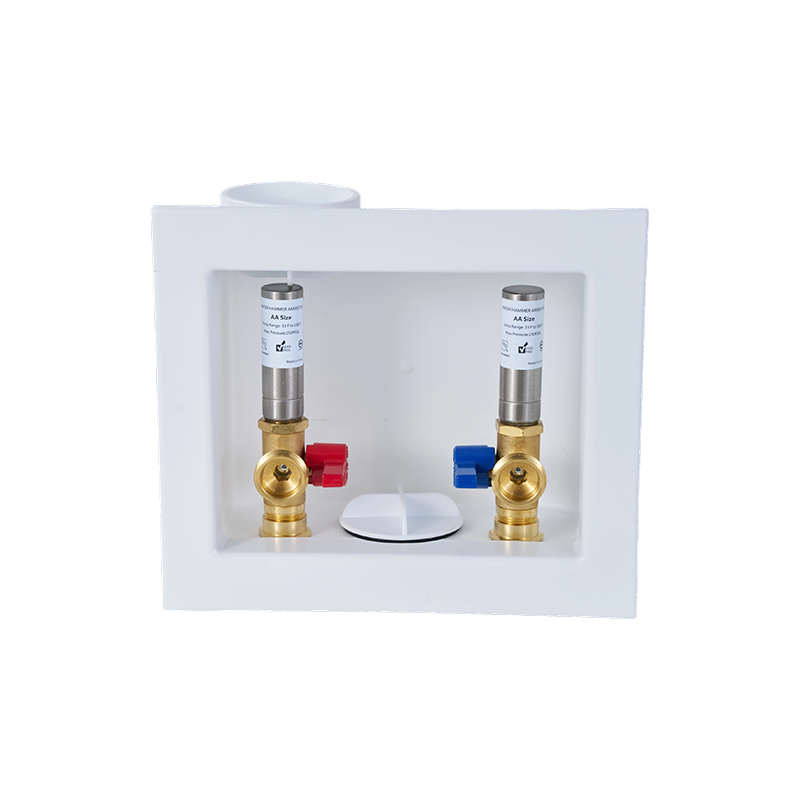
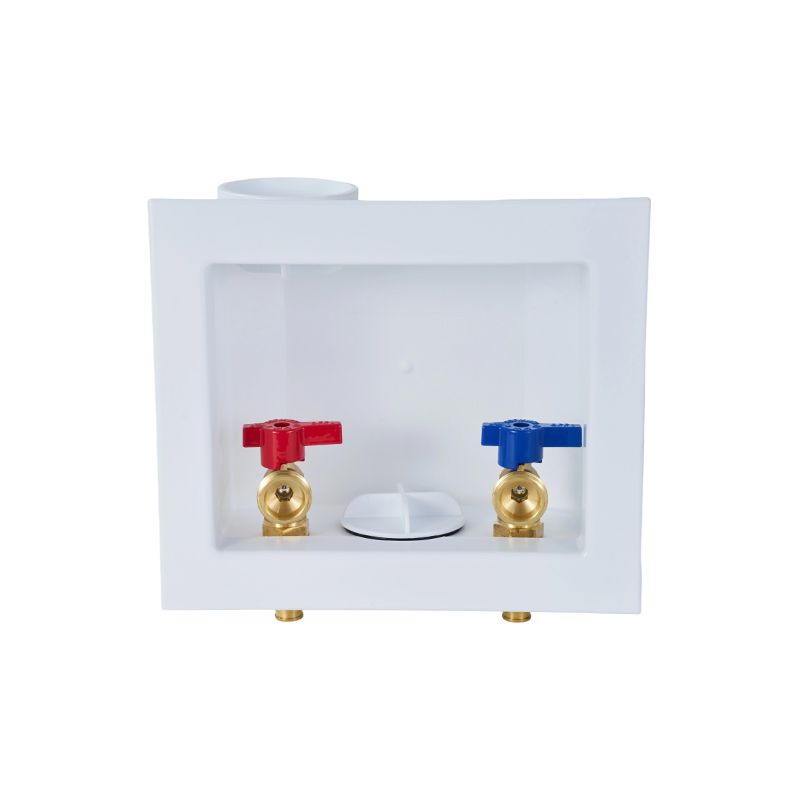
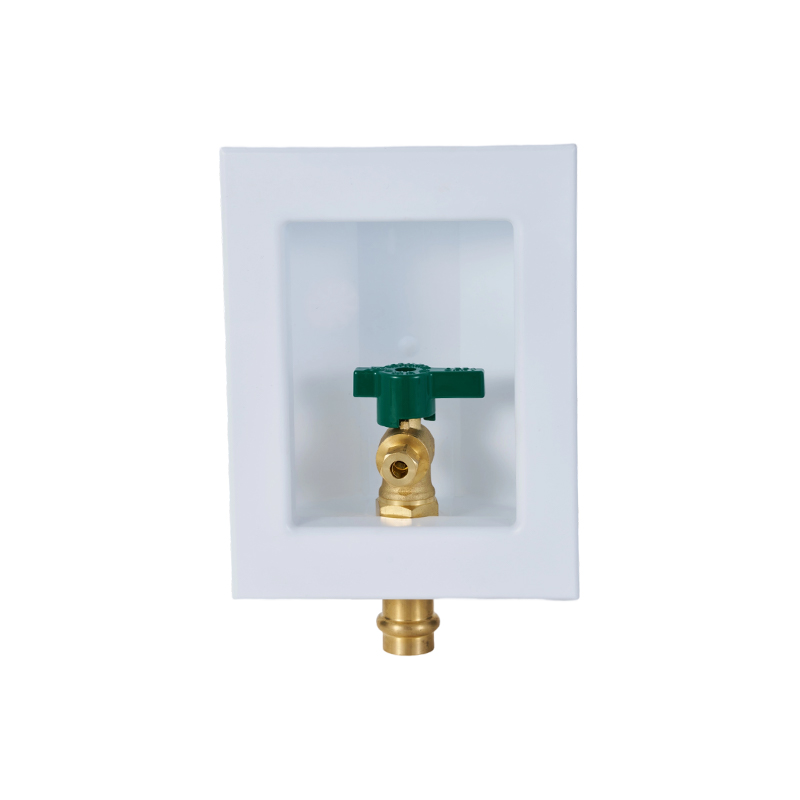
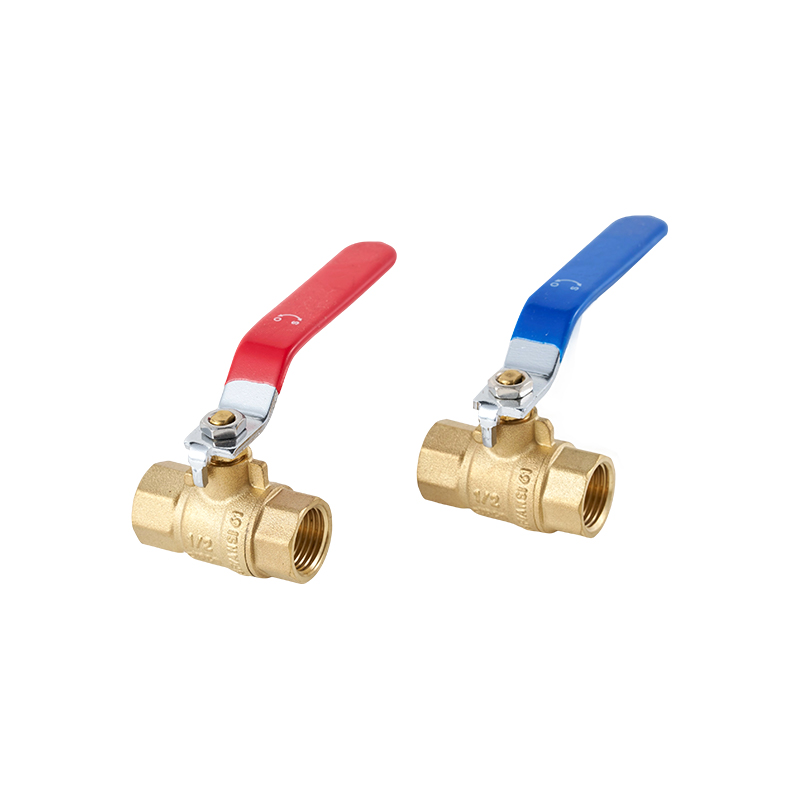
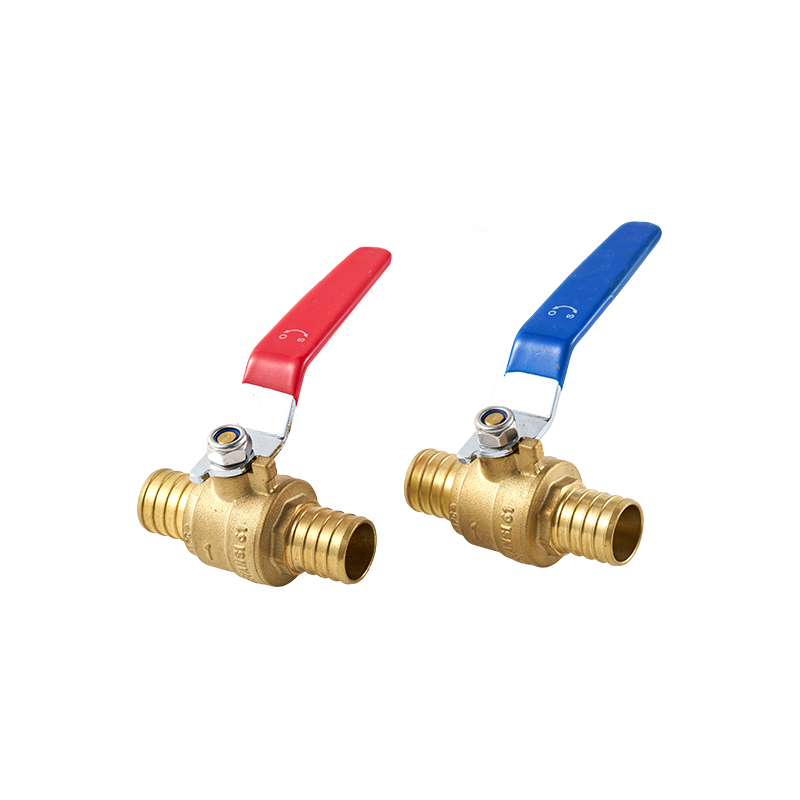
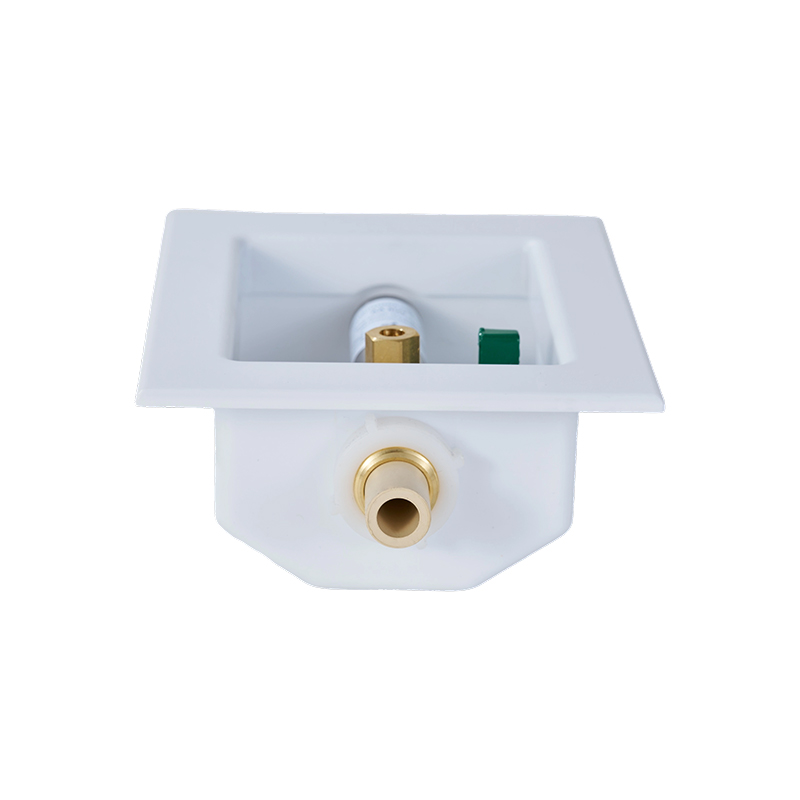
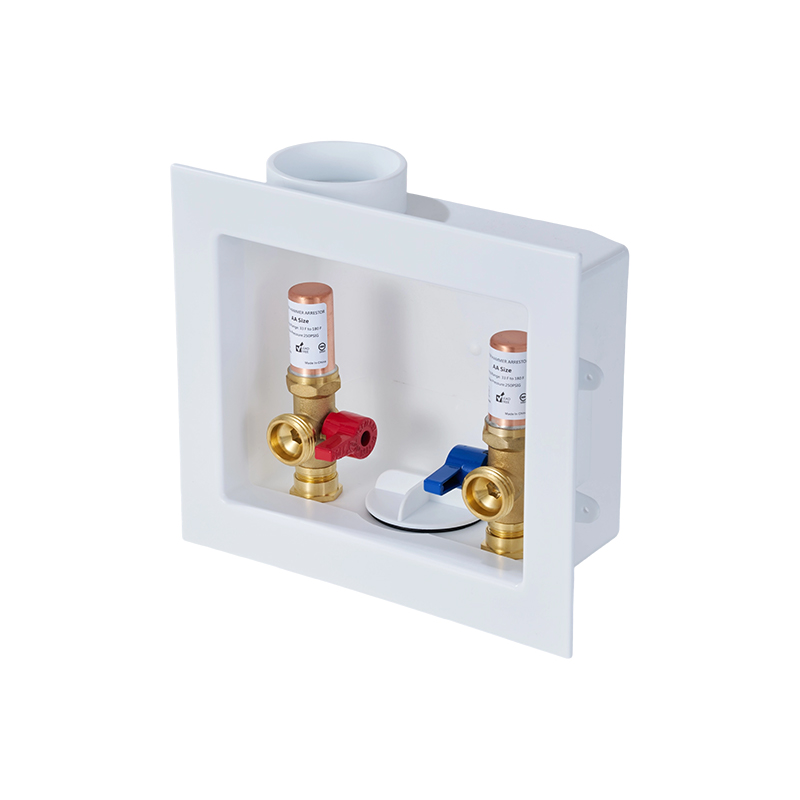
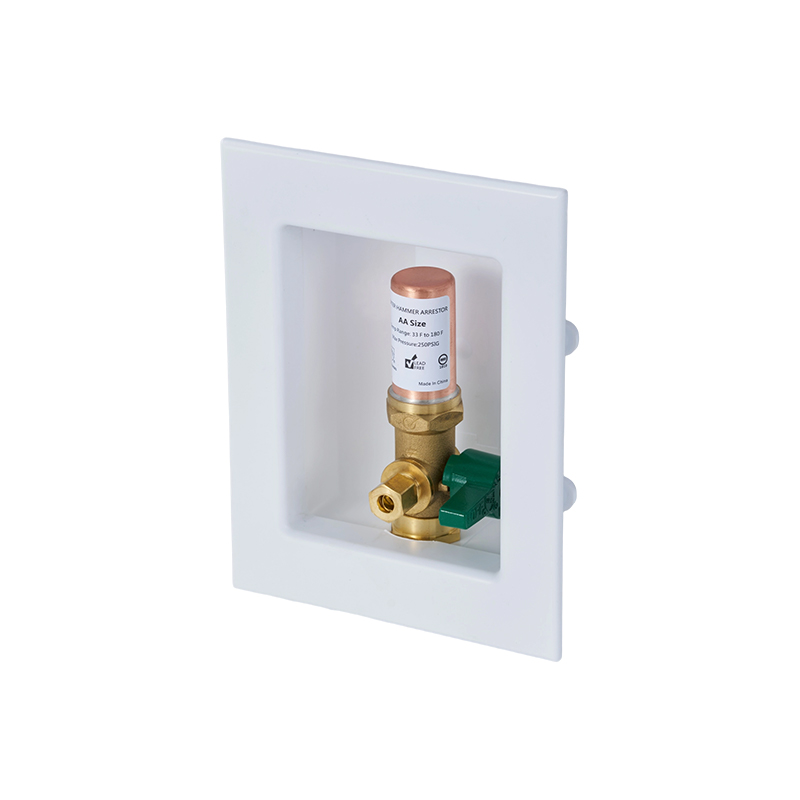
The MIP Interface Washing Machine Outlet Box is designed to provide a secure connection point between household water supply lines and washing machine valves. Combined with brass ball valve structures, this interface helps create a stable shut-off system. However, questions remain about whether welded brass valve components and internal threaded joints can experience micro-leaks under repeated pressure cycles.
Understanding Micro-Leak Formation at Threaded Connections
Threaded joints depend on precise mechanical engagement and proper sealing methods. The threads create the connection strength, while sealing materials such as PTFE tape or thread sealant help close microscopic gaps between metal surfaces.
Small leakage paths may appear because of several factors:
- Thread mismatch between male and female components can reduce sealing contact
- Insufficient sealing material may leave tiny channels for water migration
- Excessive tightening force can deform threads or create unnecessary stress on the valve body
Washing machine outlet systems often operate under continuous water pressure, making connection quality especially important. A small defect at a threaded area may become noticeable only after months of repeated use.
Role of MIP Interface Design in Leakage Prevention
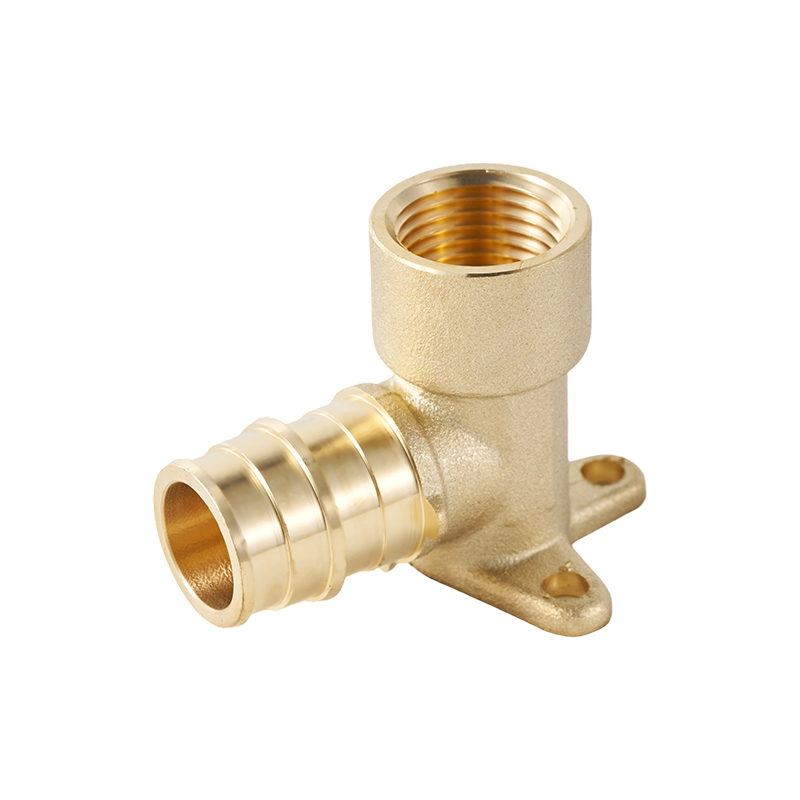
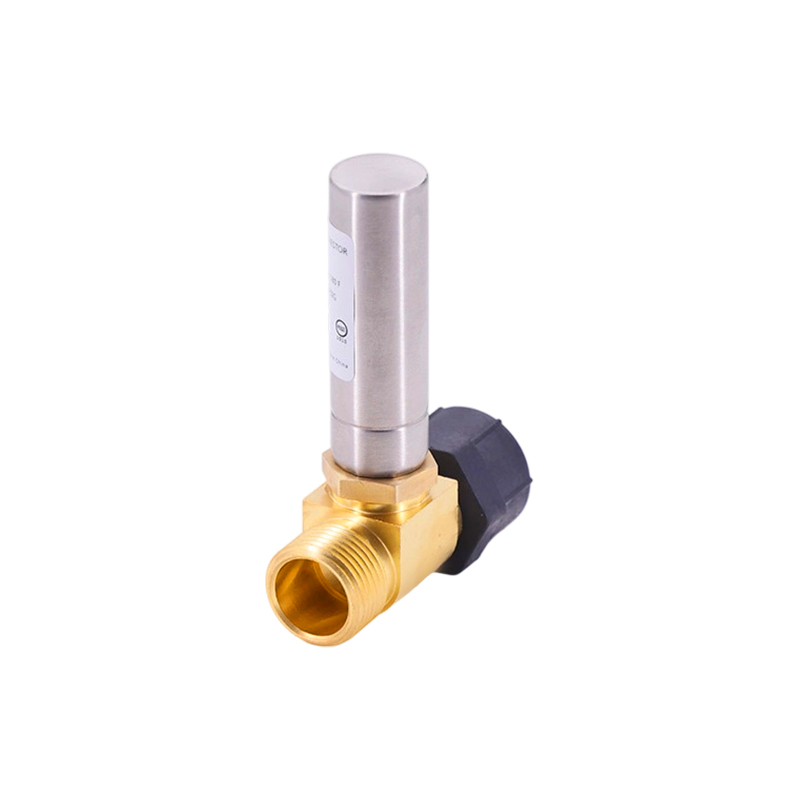
A Male Iron Pipe (MIP) interface uses standardized external pipe threads that connect with matching female threads. This design is widely applied in plumbing components because it provides a removable and serviceable connection method.
The MIP Interface Washing Machine Outlet Box commonly integrates with shut-off valves, hose connections, and supply lines. A properly manufactured interface helps maintain alignment between components and reduces uneven loading on the threaded area.
- Accurate thread machining improves contact between connected parts
- Rigid mounting support prevents excessive movement behind the wall
- Compatible thread standards reduce installation-related sealing problems
How Brass Ball Valve Construction Influences Durability
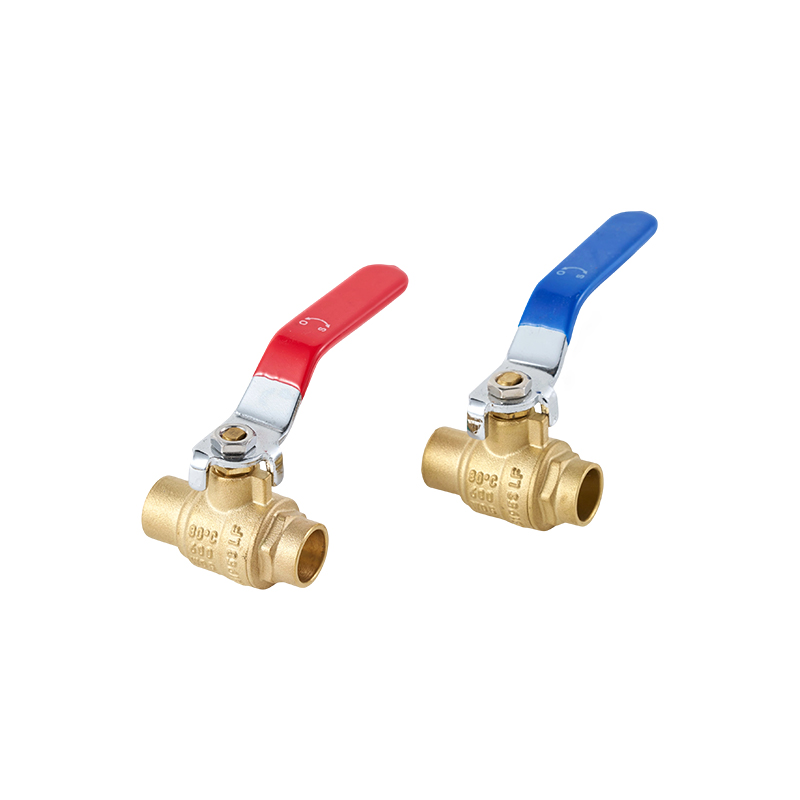
Brass ball valves are widely used in washing machine supply systems because brass offers mechanical strength and corrosion resistance. Many washing machine outlet boxes use quarter-turn brass valves with MIP connections for convenient operation and reliable shut-off performance.
Welded or assembled brass structures require careful manufacturing control. Heat during welding processes can influence material properties around the joint area. A well-controlled production process helps maintain consistent strength and dimensional accuracy.
Important design considerations include:
- Valve body thickness affects resistance against internal pressure
- Seat sealing quality influences shut-off performance
- Joint precision determines long-term connection stability
Pressure Cycling and Hidden Plumbing Stress
Washing machines frequently start and stop water flow through automatic valves. These rapid changes create pressure fluctuations inside supply lines. Over time, repeated cycles may place additional stress on threaded connections.
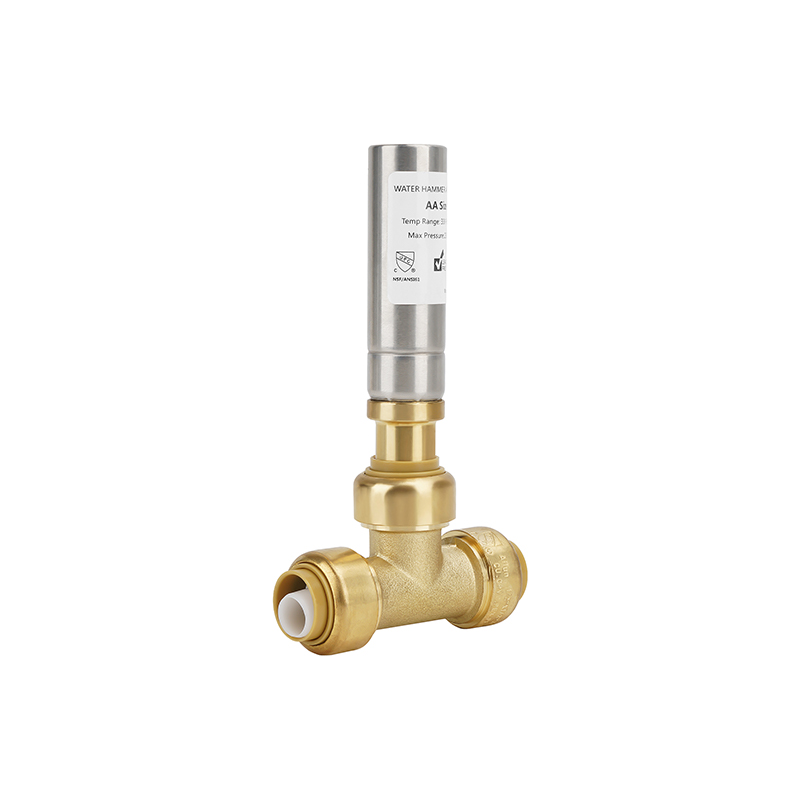
Water hammer effects can increase short-duration pressure loads, especially near quick-closing valves. Properly designed outlet boxes sometimes combine shut-off valves with water hammer control components to manage these pressure changes.
Installation Factors That Affect Thread Performance
Even a well-designed valve can experience leakage problems caused by incorrect installation. Threaded plumbing components require careful handling because alignment and tightening methods directly influence sealing performance.
- Avoiding cross-threading protects thread profiles during assembly
- Maintaining straight alignment prevents side loads on the valve connection
- Using suitable sealing materials improves resistance against slow seepage
Installers also need to consider wall-mounted outlet boxes because repairs may require access behind finished surfaces. A small leak hidden inside a wall cavity can create additional maintenance challenges.
Material Selection for Long-Term Water Exposure
Brass remains a common material choice for washing machine valves because it performs well under normal residential water conditions. Lead-free brass options are also available for applications requiring compliance with drinking water standards.
Stainless steel components may be used in some plumbing assemblies where additional corrosion resistance is required, while brass continues to provide a balance between machinability and mechanical performance.
Testing Methods for Detecting Small Leakage Risks
Manufacturers and installers use several methods to evaluate connection reliability. Pressure testing can reveal weak sealing points before products enter service.
- Hydrostatic pressure testing checks resistance under controlled water pressure
- Thread inspection verifies machining accuracy
- Cycle testing evaluates performance under repeated valve operation
Balancing Serviceability and Leak Resistance
One advantage of MIP-style connections is that components can be replaced without rebuilding the entire plumbing section. This serviceability makes threaded outlet boxes practical for residential applications.
However, removable connections require correct installation practices. A reliable connection depends on the combination of quality materials, accurate machining, suitable sealing methods, and proper assembly techniques.
Welded brass ball valves are not automatically prone to micro-leaks at internal thread joints, but connection details determine long-term performance. Factors such as thread accuracy, sealing quality, pressure variation, and installation alignment all influence whether a small seepage issue develops.
The MIP Interface Washing Machine Outlet Box provides a practical structure for connecting washing machine supply systems, especially where secure threaded connections and easy maintenance are required. With appropriate design control and installation attention, brass valve assemblies can maintain stable operation throughout repeated washing cycles.