

 English
 Español
 Français

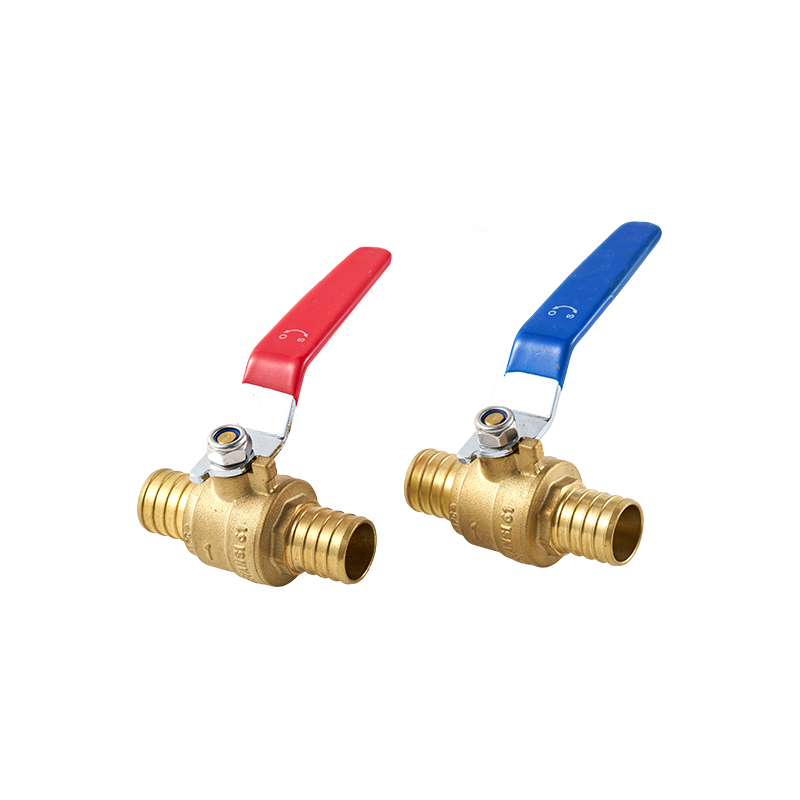
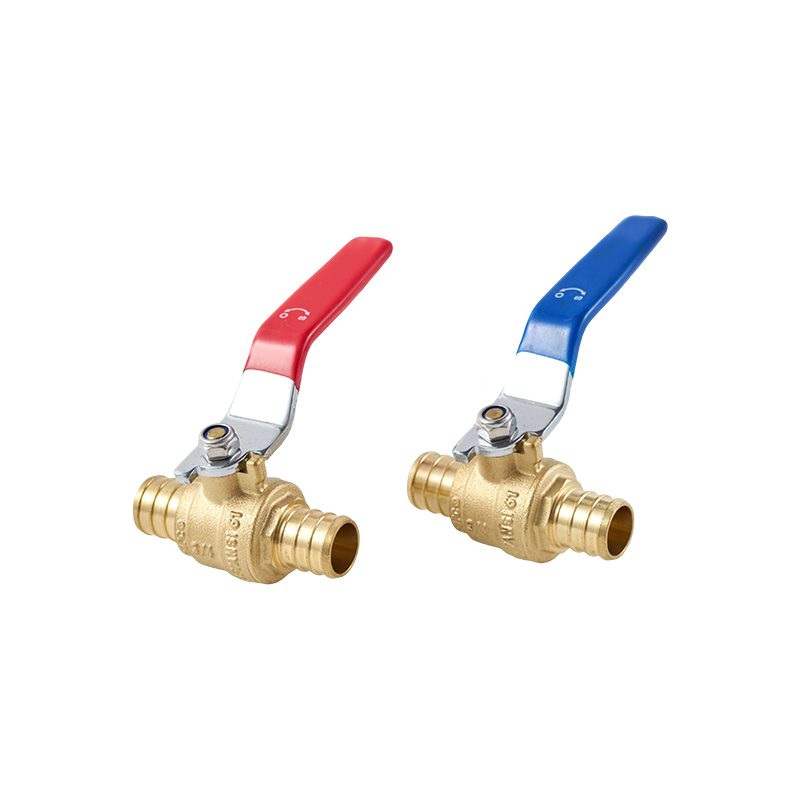
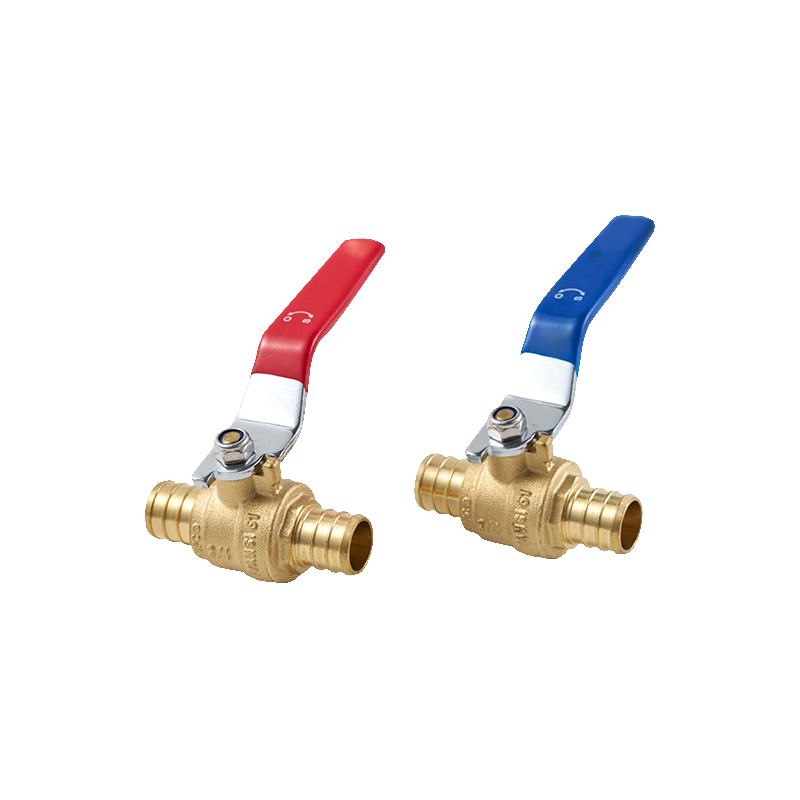
Modern plumbing professionals and DIY installers increasingly choose PEX pipe systems because they combine flexibility with durability. However, questions often arise about how PEX connections interact with one another—particularly when components from different manufacturing batches, material types, or installation approaches come together. PEX Pipe Fittings and Industrial Pipe Fittings are the essential junction points in any system, and mismatches can contribute to leaks, pressure issues, or long-term reliability concerns that homeowners and contractors alike want to avoid.
1) What Does “Mixing PEX Fittings” Actually Mean?
People talking about mixing fittings are usually referring to one of these scenarios:
- Using fittings made for PEX-A on PEX-B tubing (or vice versa), even though each PEX grade behaves differently under stress and temperature changes.
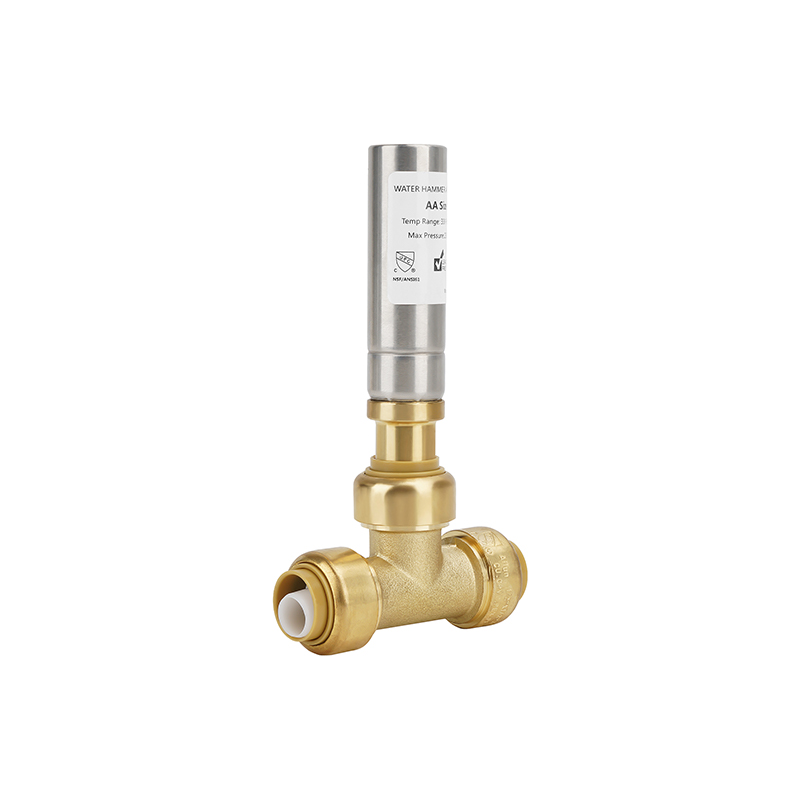
- Combining push-to-connect fittings with crimp or clamp systems in the same run.
- Switching between metal and plastic fittings within the same system.
Each of these choices influences how well parts seal together under pressure.
2) PEX Types and Compatibility: A Quick Breakdown
PEX tubing comes mainly in three types:
- PEX-A – very flexible and commonly used with expansion-type fittings.
- PEX-B – stiffer, mostly paired with crimp or clamp fittings.
- PEX-C – less common, intermediate flexibility.
Fittings are designed with these differences in mind. For example, expansion fittings rely on PEX’s memory to contract back onto the fitting’s barbs, while crimp fittings clamp around the pipe outside the tube. If a fitting designed for one type is used with the wrong PEX type, a secure seal might not form, increasing the risk of slow leaks or joint failures over time.
3) Real-World User Issues Reported Online
Actual user discussions from plumbing forums and social platforms reveal a wide range of field experiences:
- Some installers report leakage issues when they used expansion sleeves intended for PEX-A on tubing that didn’t match the specification, even when installation technique seemed correct.
- DIYers mixing push-to-connect fittings with crimp systems sometimes find joints that twist or loosen under pressure, a sign that mechanical engagement isn’t consistent.
- Others note that deeply inserted push-to-connect fittings resist twisting but still fail to seal completely if the pipe’s cut isn’t square, or the O-ring isn’t fully engaged.
These patterns show that the issue isn’t always the material itself, but how components from different systems interact.
4) Industrial Pipe Fittings in Broader Systems
When plumbing extends beyond residential use, Industrial Pipe Fittings come into play—on boiler loops, compressed air networks, and process fluid lines. These industrial environments often require fittings rated for higher pressure, temperature, or aggressive chemicals. In these cases:
- Mixing fitting styles can become even more problematic.
- Sealing standards such as ANSI or ISO become essential to verify compatibility.
- Manufacturers like Taizhou Shuihengyihao Fluid Technology Co., Ltd. recommend consulting product datasheets for matching materials in industrial setups.
These checks reduce the risk of corrosion, stress failures, and incompatible metal/food-grade plastic interactions.
5) Best Practices to Avoid Compatibility Problems
Here are practical takeaways based on user queries and supplier guidance:
- Match PEX types with their fitting systems. Don’t substitute an expansion system for a crimp system unless both are explicitly compatible.
- Check pressure ratings. Residential systems often operate at 40–80 psi; industrial systems can exceed that range and demand fittings rated accordingly.
- Perform a pressure test before sealing walls. Many pros pressure-test connections at 80–100 psi for a set period to catch issues early.
Avoid mixing push-to-connect with crimp/clamp fittings in critical runs, unless testing shows they maintain pressure properly.
6) Key Signs of Compatibility Issues
Users commonly look for these red flags:
- Slow dripping around fittings shortly after installation
- Audible hissing of micro-leaks under pressure
- Movement or rotation of pipe around the fitting under tension
- Visible corrosion or buildup at connection points
Addressing these signs early can save significant repair costs and maintain system efficiency.