

 English
 Español
 Français

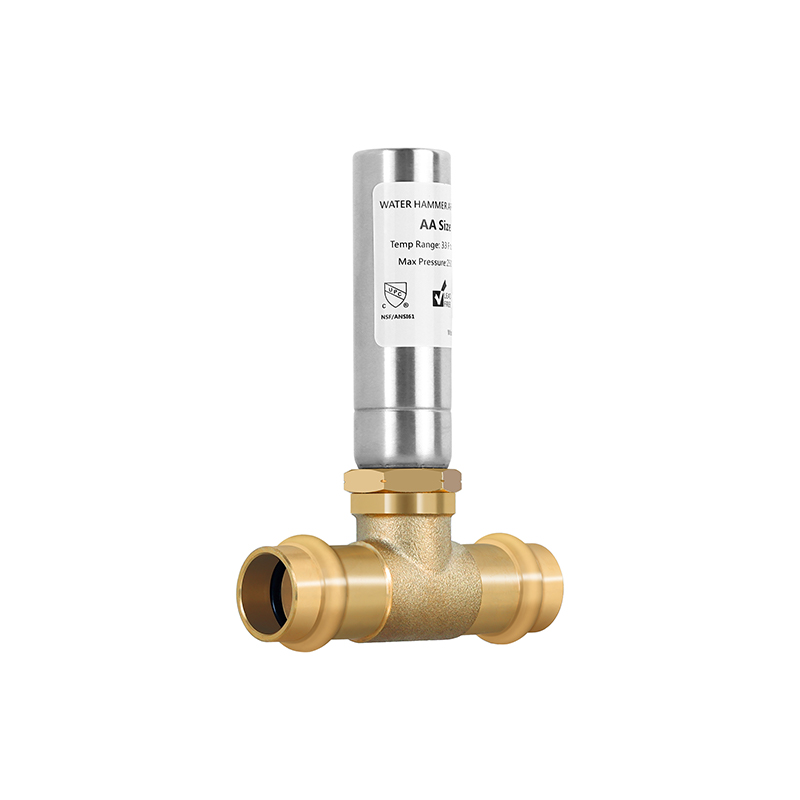
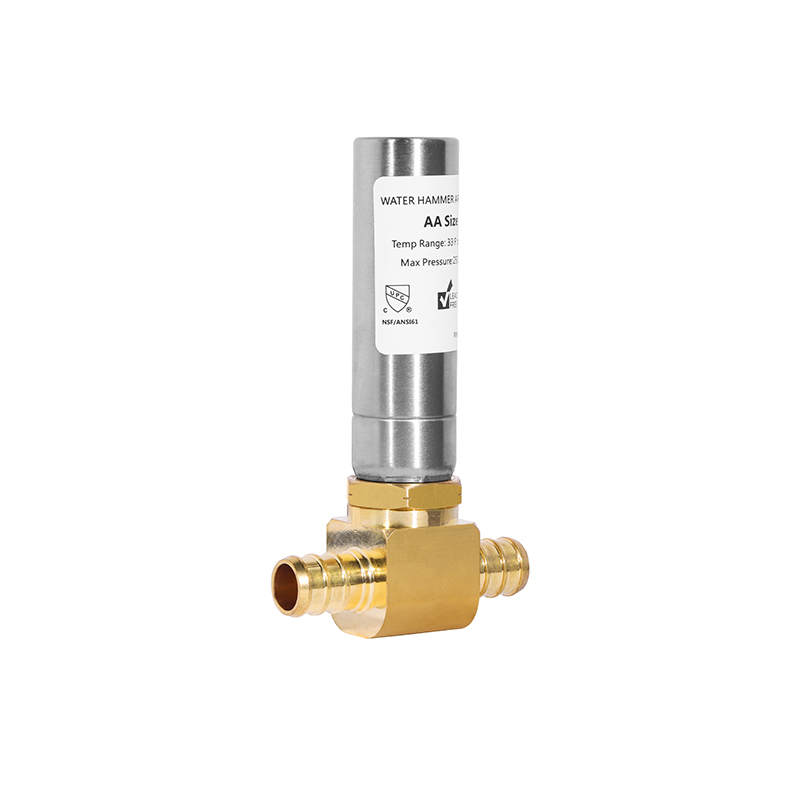
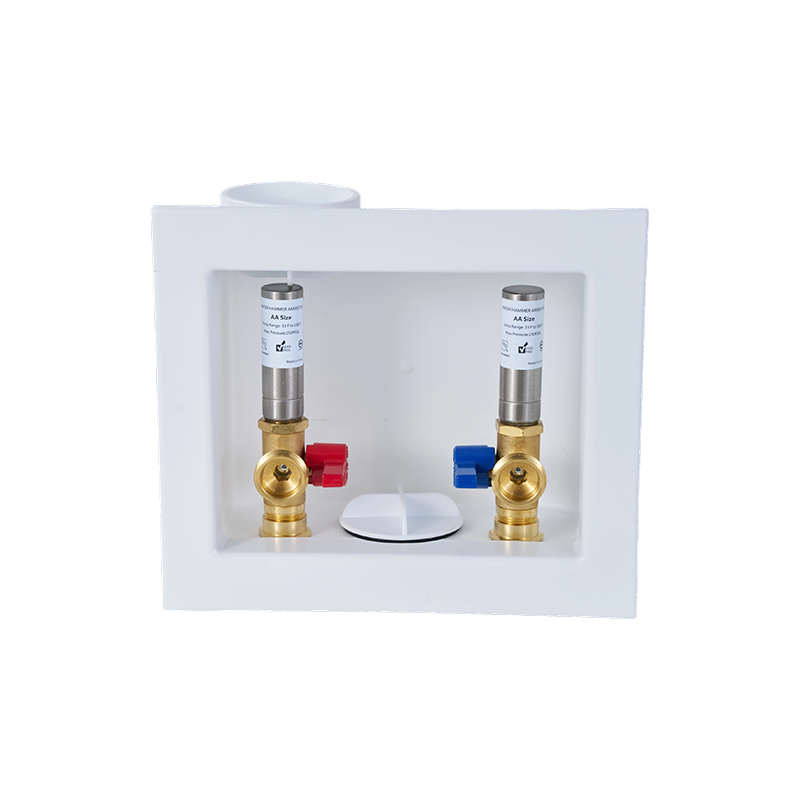
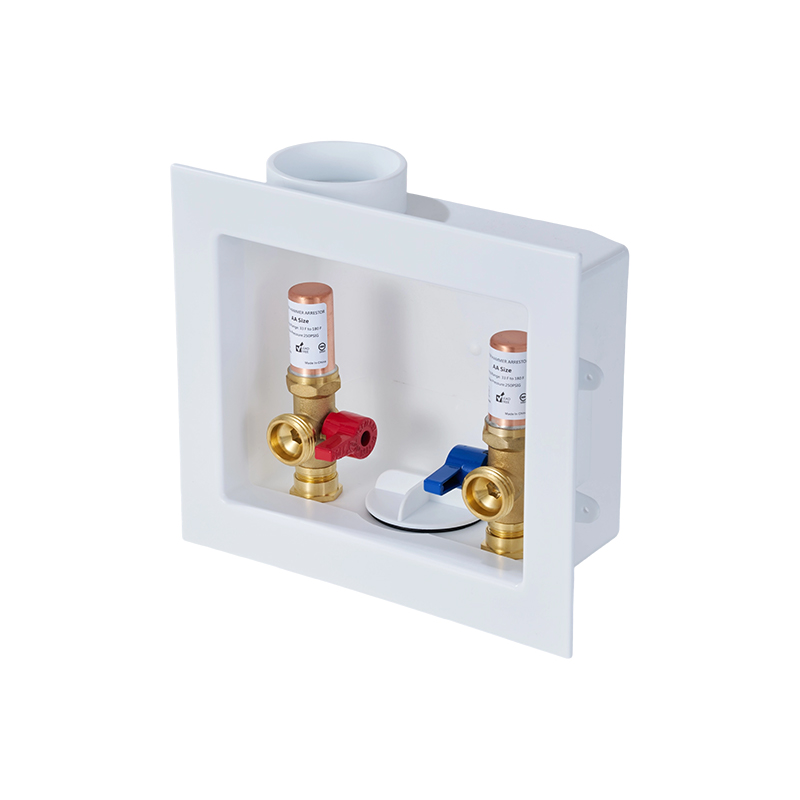
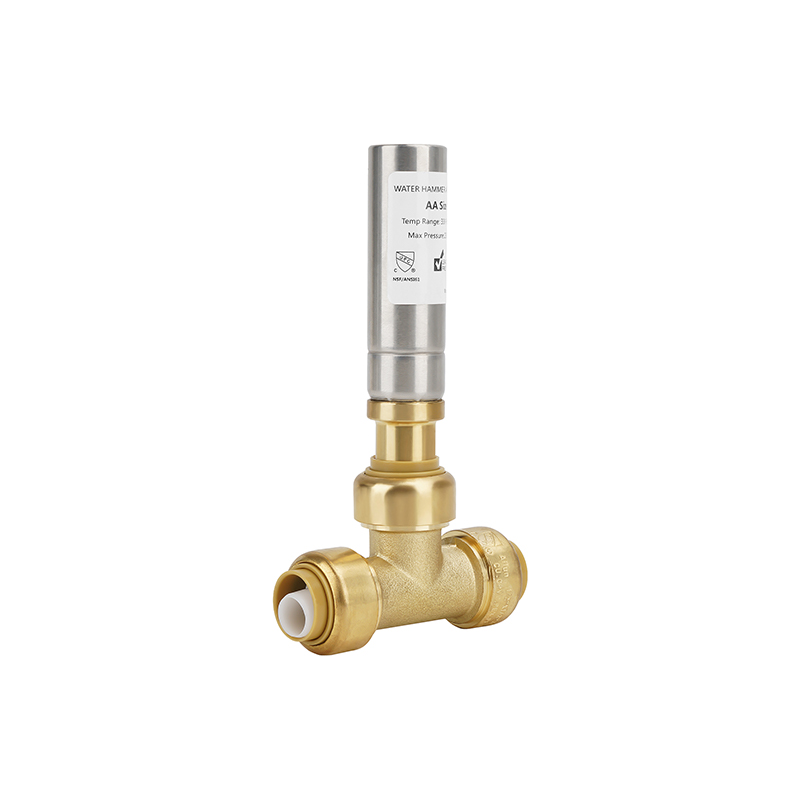
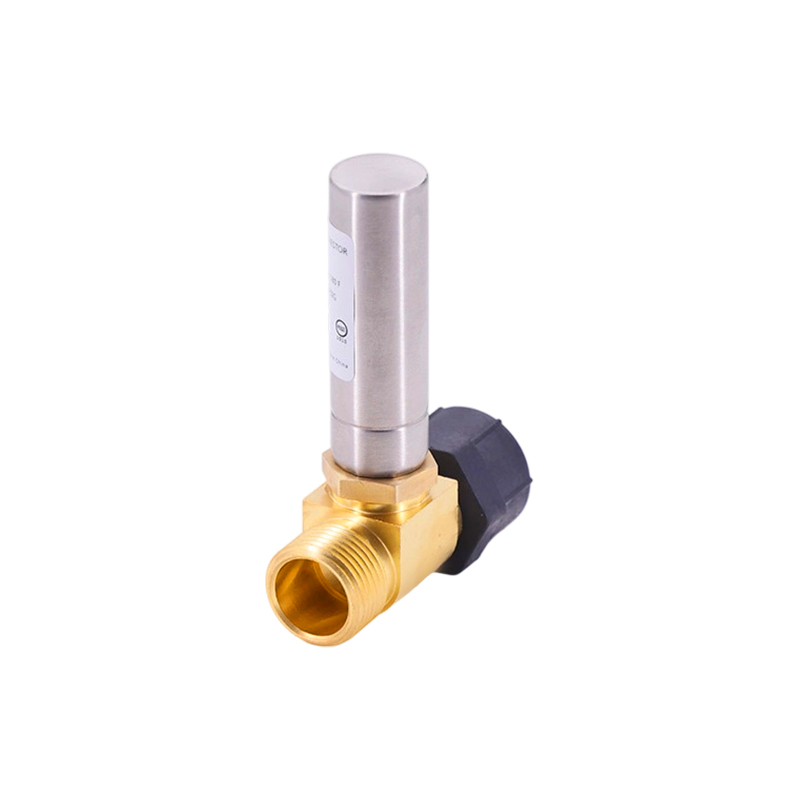
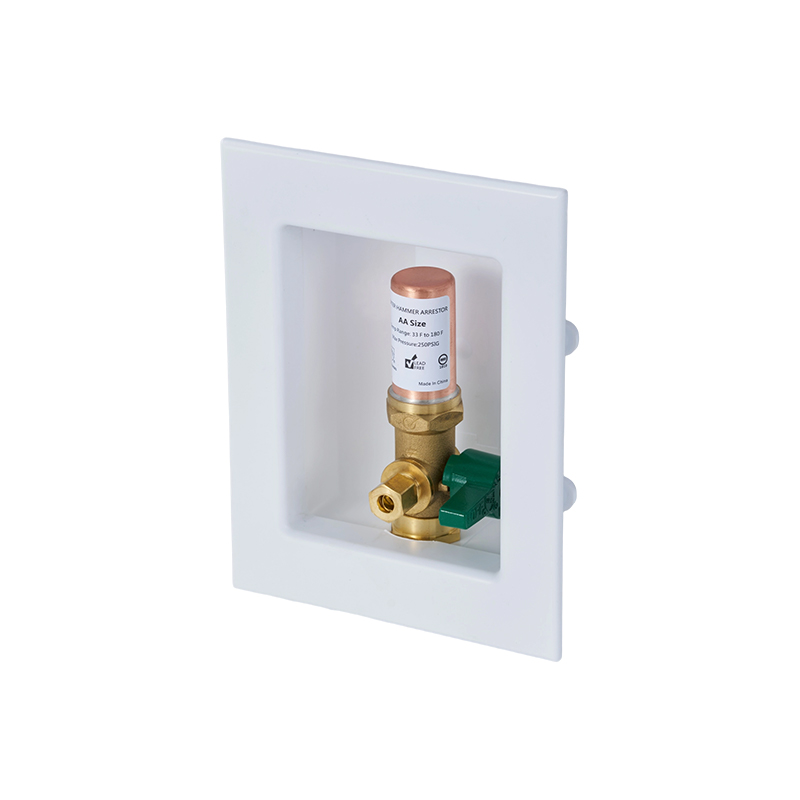
Plumbing systems often face sudden pressure surges caused by rapid valve closures, which can generate loud knocking noises and stress pipe joints. Devices such as a Copper Water Hammer Arrestor or a Stainless Steel Water Hammer Arrestor are engineered to absorb these shocks and prevent system damage.
Code Requirements for Water Hammer Arrestors
Building and plumbing codes often dictate the need for water hammer protection in certain installations:
- Residential plumbing codes, such as the International Plumbing Code (IPC) and Uniform Plumbing Code (UPC), frequently require arrestors near quick-closing valves, including dishwashers, washing machines, and solenoid-operated valves.
- Commercial installations may have stricter mandates due to larger pipe diameters and higher water pressures, often necessitating the use of Stainless Steel Water Hammer Arrestors for durability and corrosion resistance.
- Copper Water Hammer Arrestors are commonly accepted for domestic supply lines due to their compatibility with copper piping and effective energy absorption.
These codes aim to reduce maintenance costs, prevent leaks, and enhance system longevity. Even in jurisdictions without explicit mandates, engineers often recommend arrestors to avoid long-term damage.
Key Benefits of Installing Arrestors
The advantages of integrating water hammer arrestors go beyond code compliance:
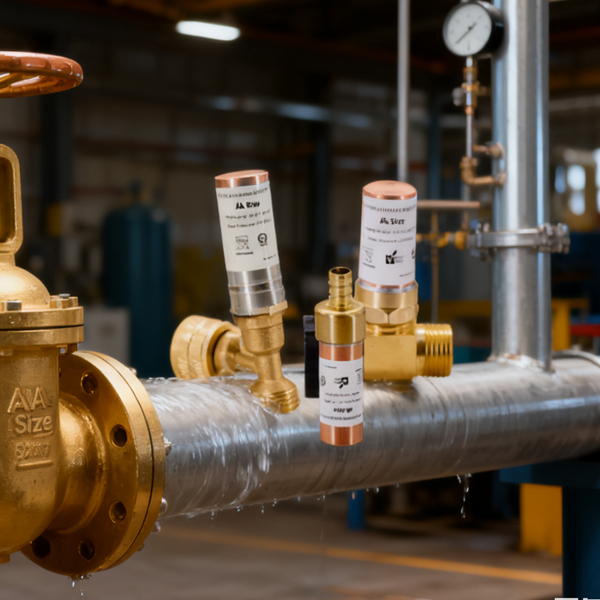
- Noise Reduction: Sudden valve closures produce a “hammering” sound that can travel throughout the plumbing system; arrestors absorb these shock waves.
- Pipe Protection: Pressure spikes can loosen fittings or damage pipe joints; both Copper and Stainless Steel Water Hammer Arrestors act as dampers to prevent structural stress.
- Extended Appliance Life: Valves, pumps, and fixtures experience less wear, improving efficiency and reducing repair frequency.
Technical parameters to consider include the working pressure (commonly 150–300 psi), maximum temperature rating (typically up to 180°F for domestic systems), and absorption capacity, measured in gallons per minute (GPM) for commercial-grade arrestors.
Placement and Installation Considerations
Correct installation ensures that arrestors function effectively:
- Positioning near valves or appliances prone to quick closure is recommended.
- Vertical installation can help maintain optimal internal fluid dynamics.
- Stainless Steel Water Hammer Arrestors are preferred in environments where high pressure, corrosion, or chemical exposure is expected, such as boiler supply lines or industrial piping systems.
- Copper arrestors offer seamless integration into standard copper piping networks, providing a reliable solution for typical residential applications.
Proper installation practices reduce the risk of bypass or delayed absorption, maintaining system protection and meeting code standards.
Differences Between Copper and Stainless Steel Models
Material choice impacts performance, lifespan, and maintenance:
- Copper Water Hammer Arrestor: Lightweight, easy to install, resistant to moderate corrosion, and cost-effective for residential plumbing. Typical lengths range from 4–8 inches with standard 3/8" to 1" connections.
- Stainless Steel Water Hammer Arrestor: High corrosion resistance, suitable for aggressive water conditions, high-pressure environments, and commercial or industrial applications. Rated for temperatures up to 400°F and pressures up to 500 psi in specialized systems.
Both types function similarly in dampening pressure surges, but material selection is dictated by the installation environment, expected loads, and system longevity requirements.
Maintenance and Inspection
Maintaining water hammer arrestors ensures long-term compliance and efficiency:
- Periodic inspection for leaks, corrosion, or sediment buildup is recommended, especially in stainless steel units exposed to aggressive water chemistry.
- Some arrestors have replaceable internal pistons or gas-charged components; servicing may be required every 5–10 years depending on usage.
- Our company provides detailed maintenance guidelines and high-durability models engineered for minimal downtime.
Our company provides comprehensive solutions tailored to meet both regulatory compliance and operational efficiency. Integrating the right arrestor into a plumbing system today prevents costly repairs and enhances long-term reliability, meeting both code and practical needs.