

 English
 Español
 Français

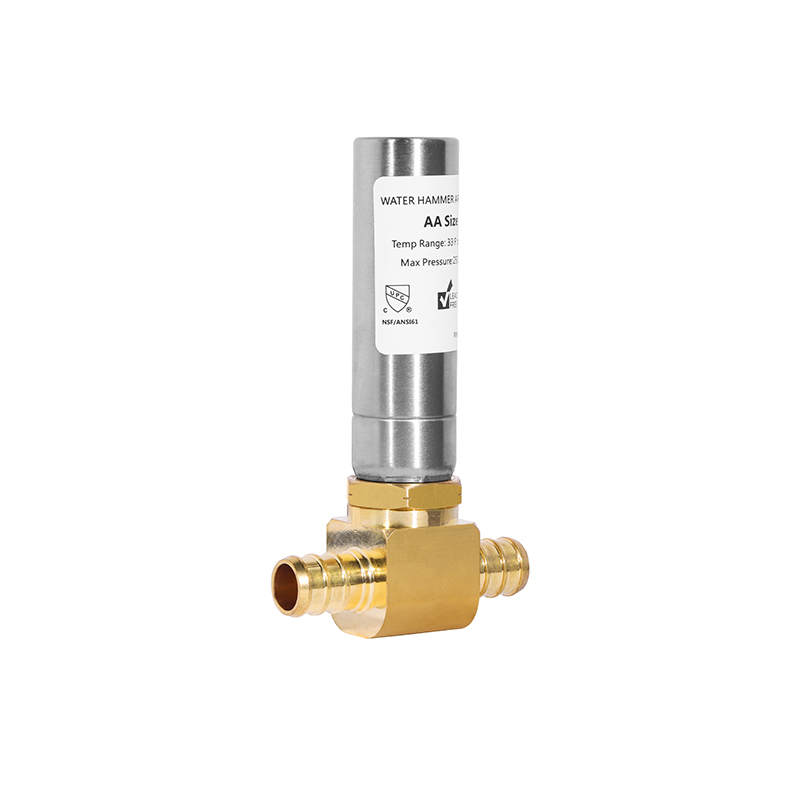
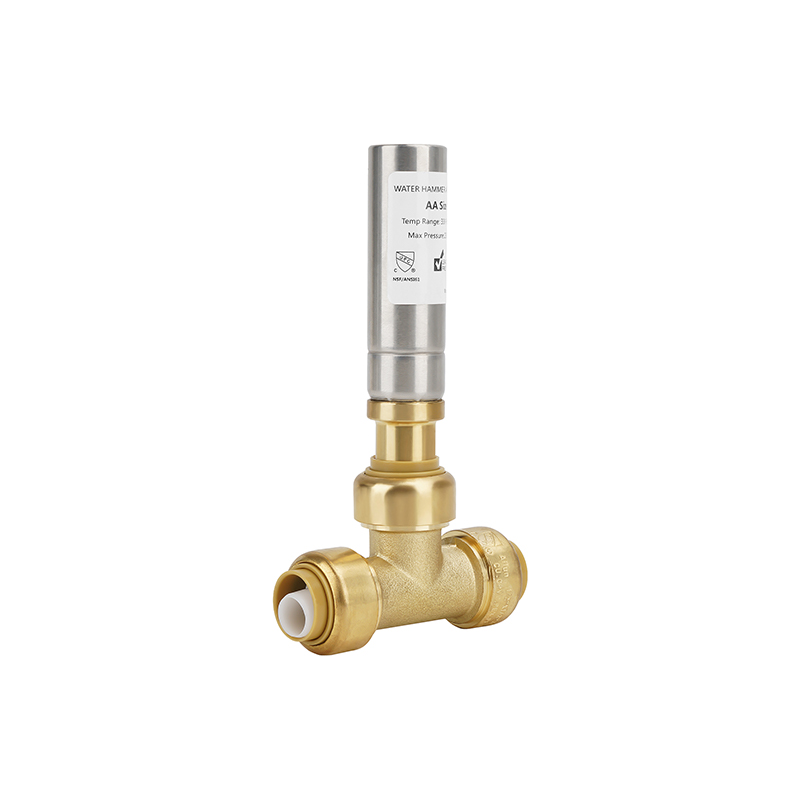
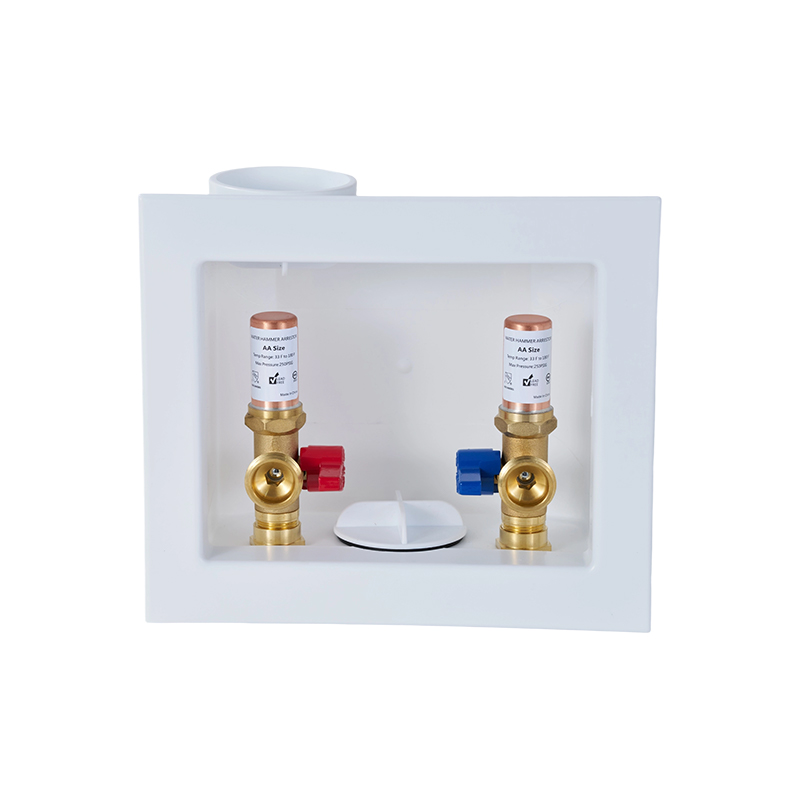
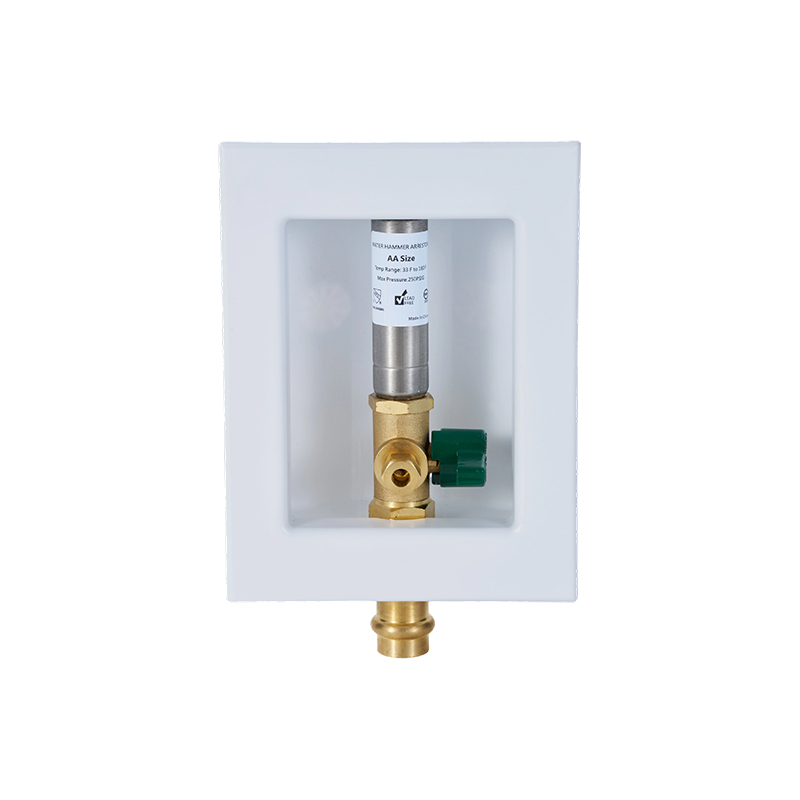
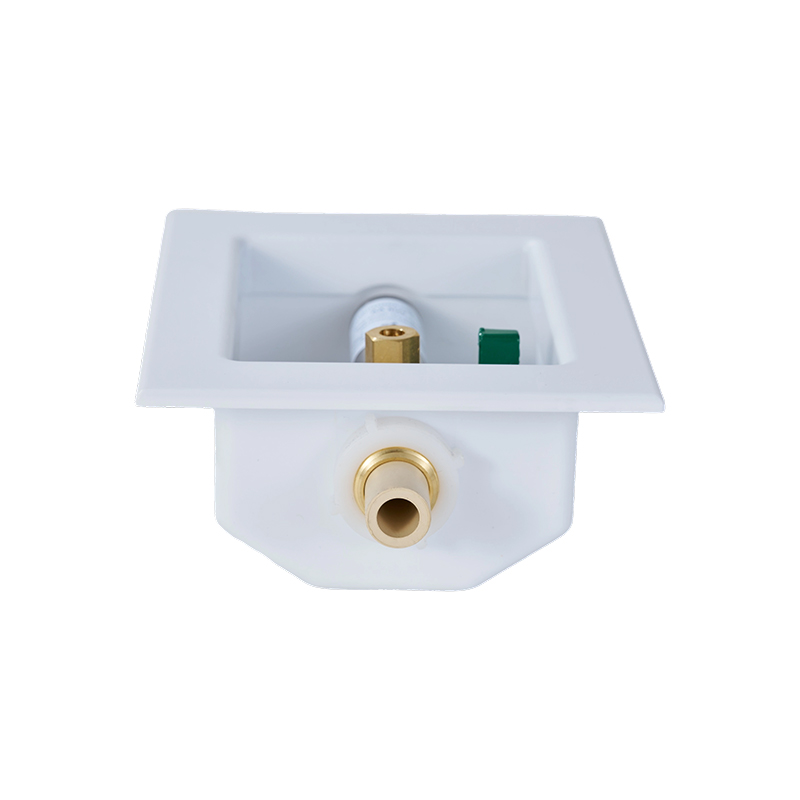
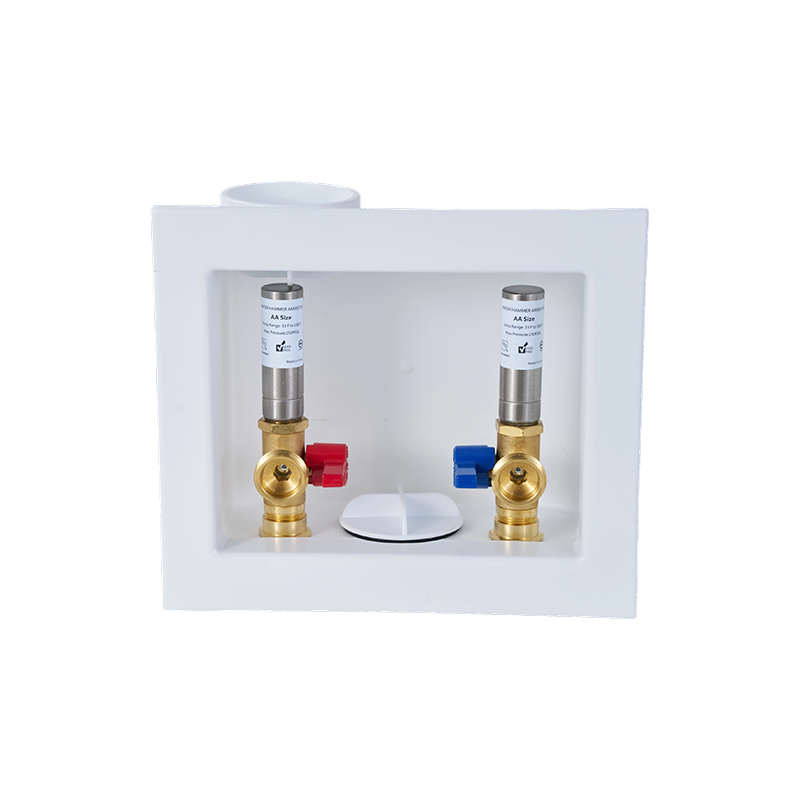
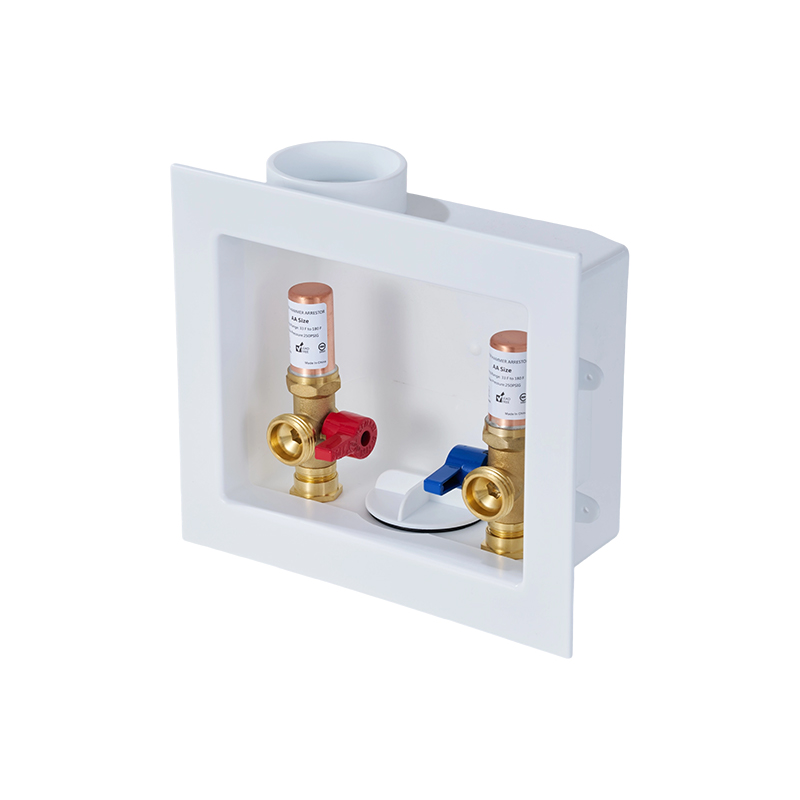
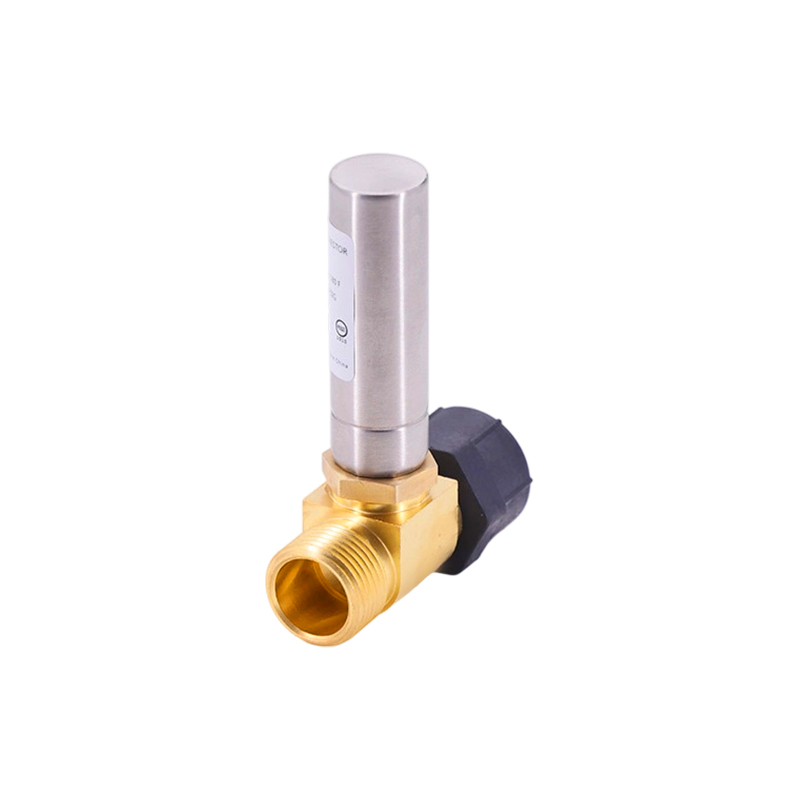
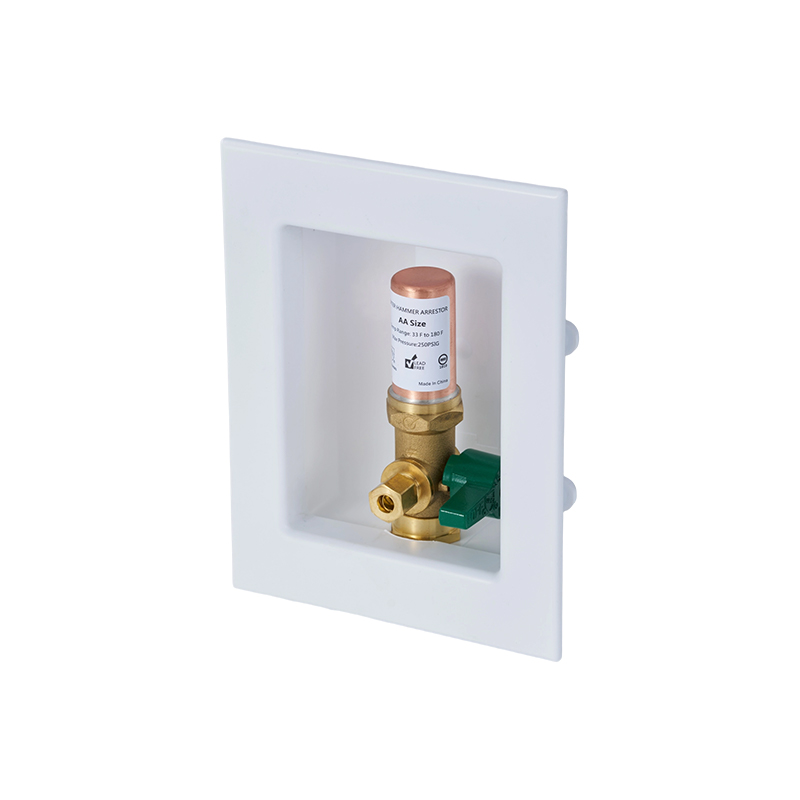
Water hammer can silently damage plumbing systems over time, but a properly maintained water hammer arrestor can prevent costly repairs. Copper Water Hammer Arrestor and Stainless Steel Water Hammer Arrestor units are commonly used to absorb shock waves created when water flow is suddenly stopped.
Signs of a Failing Arrestor
Water hammer arrestors are designed to last for many years, yet they do wear out. Recognizing the early signs of failure can prevent system damage:
- Excessive Noise: Banging or knocking sounds in pipes often indicate that the arrestor has lost its air cushion or gas charge.
- Visible Leaks: Corrosion or cracks in Copper Water Hammer Arrestor units can result in leaks at connections or around the device body.
- Pressure Fluctuations: Sudden water surges or inconsistent flow may suggest the arrestor is no longer absorbing hydraulic shock.
- Frequent Valve Damage: Repeated issues with valves and faucets could signal that the arrestor has reached the end of its functional life.
Typical Lifespan of Water Hammer Arrestors
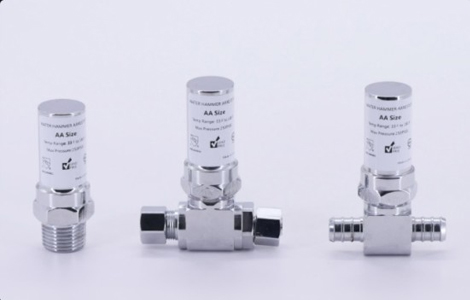
Understanding the expected lifespan of different materials helps plan maintenance schedules:
- Copper Water Hammer Arrestor: Usually durable for 5–15 years, depending on water quality and pressure conditions. Copper is resistant to rust but may corrode in high mineral-content water.
- Stainless Steel Water Hammer Arrestor: Offers longer service life, often exceeding 15 years, with high resistance to corrosion and scaling, making it ideal for industrial or harsh water environments.
Regular inspection is recommended every 3–5 years, with replacement considered sooner if signs of wear or reduced performance appear.
Technical Indicators of Wear
Beyond visual or auditory cues, technical parameters can help identify the need for replacement:
- Internal Gas Cushion Loss: Many arrestors rely on a pressurized air or inert gas chamber. A significant drop in pressure reduces shock absorption capacity.
- Diaphragm Integrity: Flexible diaphragms or bladders inside the device can degrade over time, especially in systems with fluctuating water temperatures.
- Threaded Connections: Loose or corroded fittings can compromise the arrestor’s sealing and effectiveness.
Advanced models of Stainless Steel Water Hammer Arrestor often include inspection ports to monitor diaphragm condition without complete disassembly.
Installation Factors Affecting Longevity
How and where an arrestor is installed affects replacement frequency:
- Water Pressure: Systems operating above 80 psi may accelerate wear; pressure-reducing valves help prolong lifespan.
- Pipe Material: Hard or abrasive water in copper or galvanized pipes can wear down arrestor diaphragms more quickly.
- Usage Patterns: Frequent water stoppages in high-flow systems increase mechanical stress on the device.
Considering these factors during installation can prevent premature failure and extend the protective function of the arrestor.
Maintenance Tips
Routine maintenance can delay the need for replacement and ensure reliable operation:
- Visual Inspection: Check for signs of corrosion or leaks annually.
- Pressure Testing: Confirm internal pressure of gas-charged units remains within manufacturer specifications.
- Clean Surrounding Areas: Remove mineral deposits or debris near the inlet and outlet connections.
- Replace Worn Components: Some units allow diaphragm or bladder replacement without replacing the entire device.
Why Timely Replacement Matters
A worn arrestor can lead to multiple plumbing issues:
- Pipe stress and potential bursts from unmitigated water hammer
- Premature wear of faucets, valves, and fittings
- Increased maintenance costs and potential water damage
Replacing a Copper Water Hammer Arrestor or Stainless Steel Water Hammer Arrestor before complete failure preserves system integrity and prevents costly repairs.
Product Recommendations from Our Company
Our company provides high-quality arrestors engineered for durability and performance:
- Copper Models: Compact design, corrosion-resistant, suitable for residential and light commercial systems
- Stainless Steel Models: High-pressure tolerance, industrial-grade, resistant to scaling and aggressive water conditions
We offer installation guides and service support to ensure proper selection and longevity.