

 English
 Español
 Français

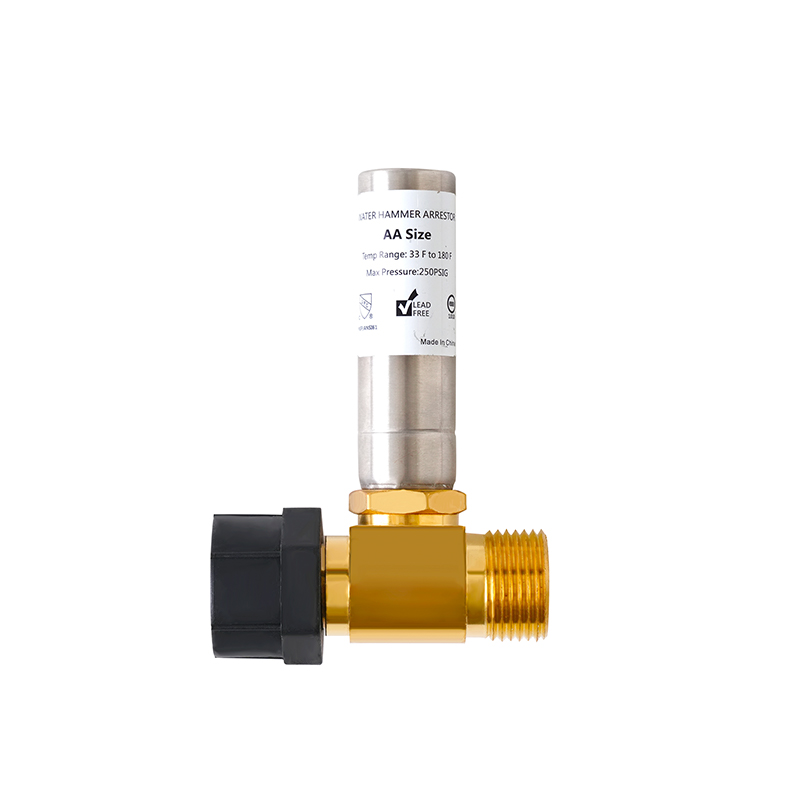
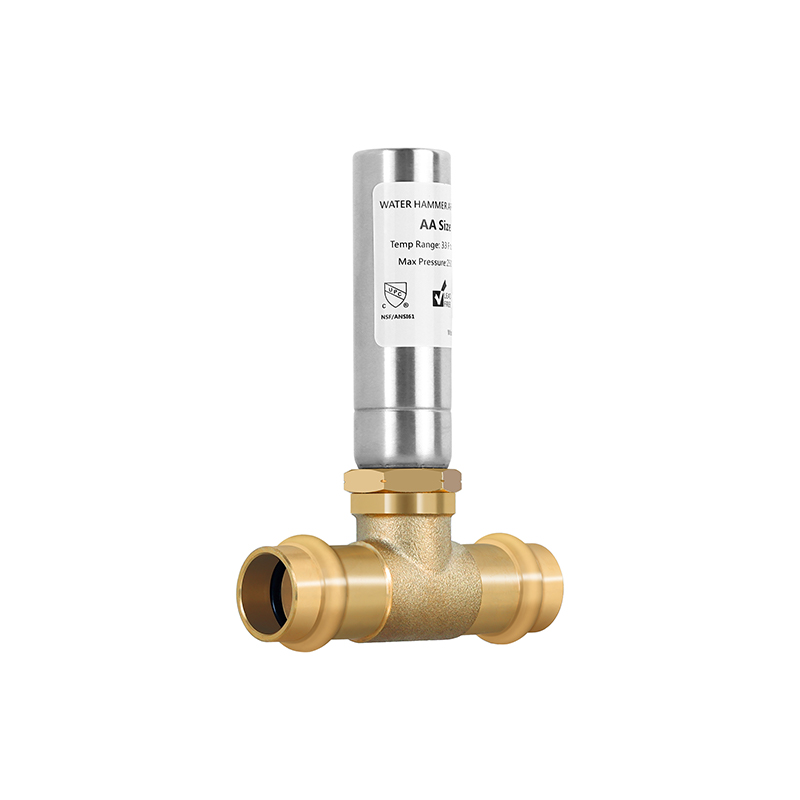
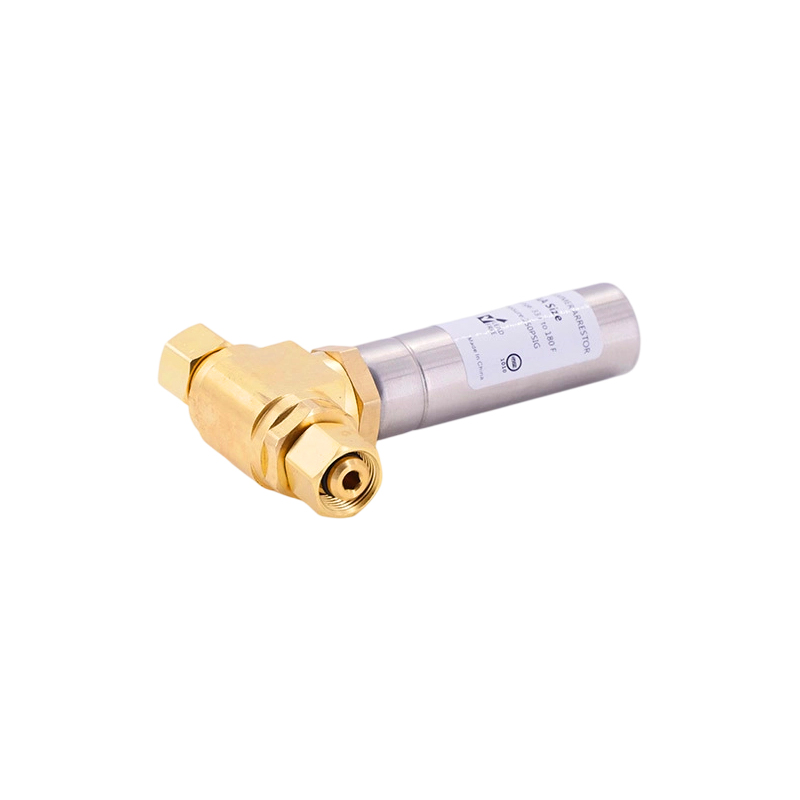
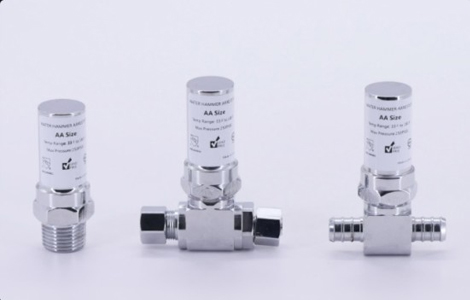
Toilet water hammer is a common plumbing concern, especially in homes using quick-closing valves. Even after installing a 7/8" BC Stainless Steel Water Hammer Arrestor for Toilet, many users report hearing persistent banging or knocking sounds. This article explores the reasons behind ongoing toilet line noise, technical factors affecting arrestor performance, and practical solutions to minimize disturbances.
Understanding Water Hammer in Toilet Systems
Water hammer occurs when moving water suddenly stops or changes direction. This abrupt motion creates pressure waves in the plumbing, causing pipes to vibrate and generate noise. The problem is particularly noticeable in toilets because modern fill valves close rapidly, sending a sudden shock through the line.
- Pressure Fluctuations: High incoming water pressure amplifies the intensity of water hammer. Toilets connected to lines above 60 psi are more likely to produce audible hammering.
- Pipe Material and Support: Copper, PEX, and PVC react differently to sudden pressure changes. Poorly secured pipes allow vibration, increasing the noise level.
- Valve Closure Speed: Toilet fill valves that shut off almost instantly generate stronger shock waves than valves with slower closure rates.
Why Stainless Steel Arrestors Sometimes Fail
Even high-quality arrestors, such as the 7/8" BC Stainless Steel models, may not eliminate noise. Understanding the limitations can help homeowners set realistic expectations.
- Distance from Source: Installing the arrestor far from the toilet inlet reduces its effectiveness. Pressure waves can travel several feet before absorption.
- Air or Gas Content: Many arrestors use a gas-filled chamber to absorb shocks. Over time, gas can diffuse or leak, reducing damping performance.
- Pipe Configuration: Sharp bends, tees, and long horizontal runs can reflect pressure waves, causing residual hammering even after arrestor installation.
Common Installation Issues
Correct installation is critical for effective operation. Users frequently encounter the following challenges:
- Loose Mounting: Arrestors must be tightly secured to prevent movement that could interfere with shock absorption.
- Incorrect Orientation: Some models perform optimally in vertical or horizontal positions. Deviating from recommended orientation can reduce efficiency.
- Inadequate Pipe Support: Even with a functioning arrestor, unsupported pipes can amplify residual noise.
Additional Solutions to Reduce Noise
Installing a stainless steel arrestor may need to be complemented with other strategies for noticeable improvement.
- Pressure Reducing Valve: Regulating supply pressure can prevent excessive force that generates hammer noise.
- Pipe Strapping and Bracing: Securing horizontal runs every 32–36 inches reduces vibration.
- Soft-Closing Valves: Upgrading toilet fill valves to models with controlled shut-off can diminish pressure spikes.
- Dual Arrestor Installation: Some systems benefit from placing an additional arrestor closer to the main supply or branch junction.
Choosing the Right Toilet Water Hammer Arrestor
Selecting a durable and compatible model is essential for performance. Consider these technical factors:
- Pipe Connection Type: Ensure the 7/8" BC Stainless Steel unit matches the existing inlet fittings to avoid leaks.
- Material Quality: Stainless steel offers corrosion resistance and longevity compared to copper or plastic bodies.
- Chamber Design: Gas-filled chambers absorb shocks more effectively than spring-only designs for high-pressure systems.
Persistent toilet line hammer noise is rarely caused by a single factor. While installing a 7/8" BC Stainless Steel Water Hammer Arrestor for Toilet significantly mitigates shocks, effectiveness depends on correct placement, pipe support, and valve performance. Combining quality arrestors with proper plumbing practices and optional pressure regulation often provides the quiet operation homeowners desire.