

 English
 Español
 Français

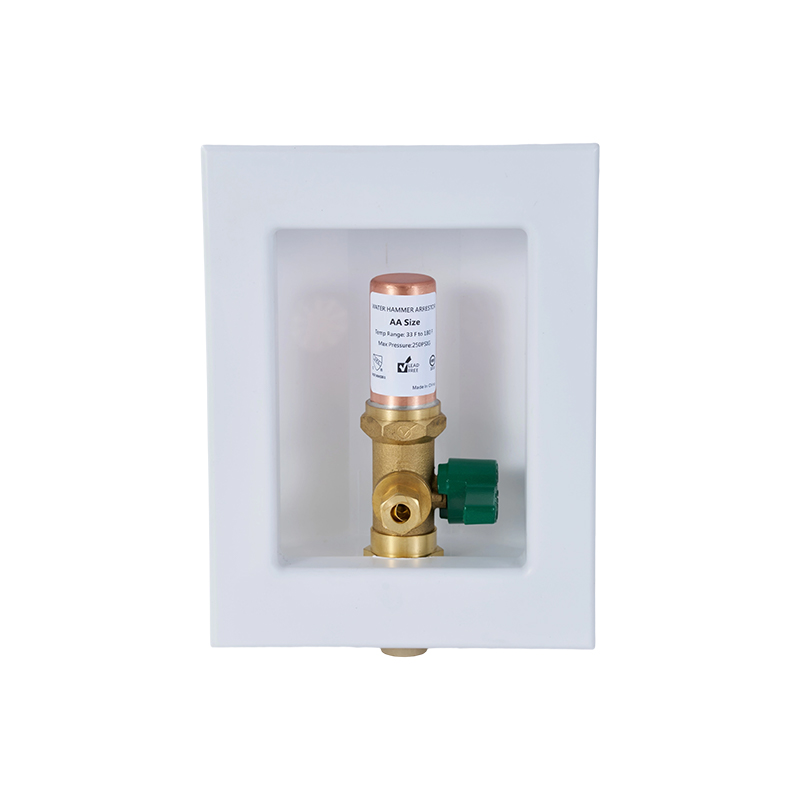
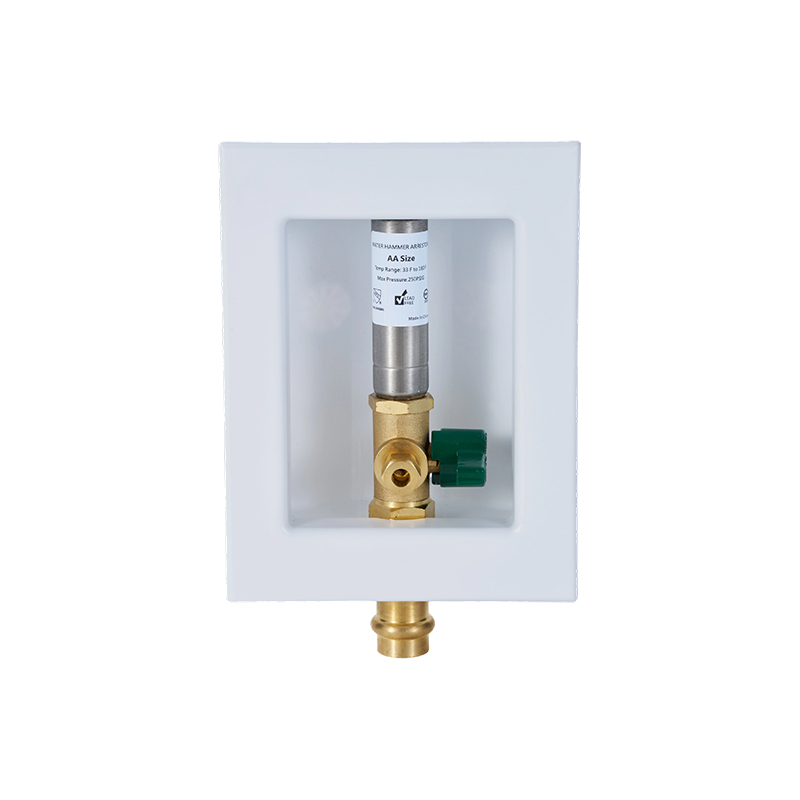
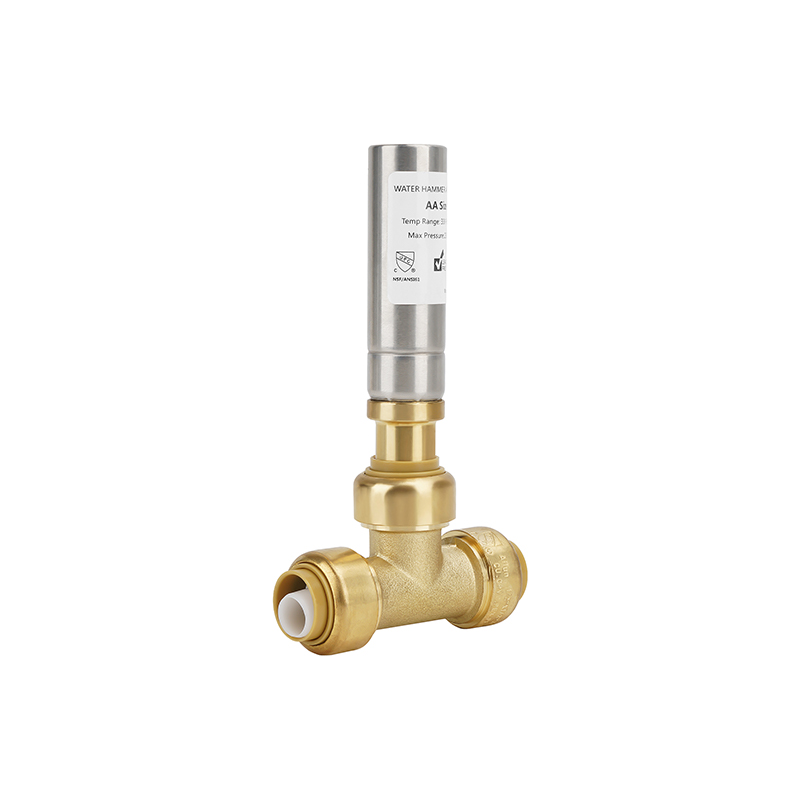
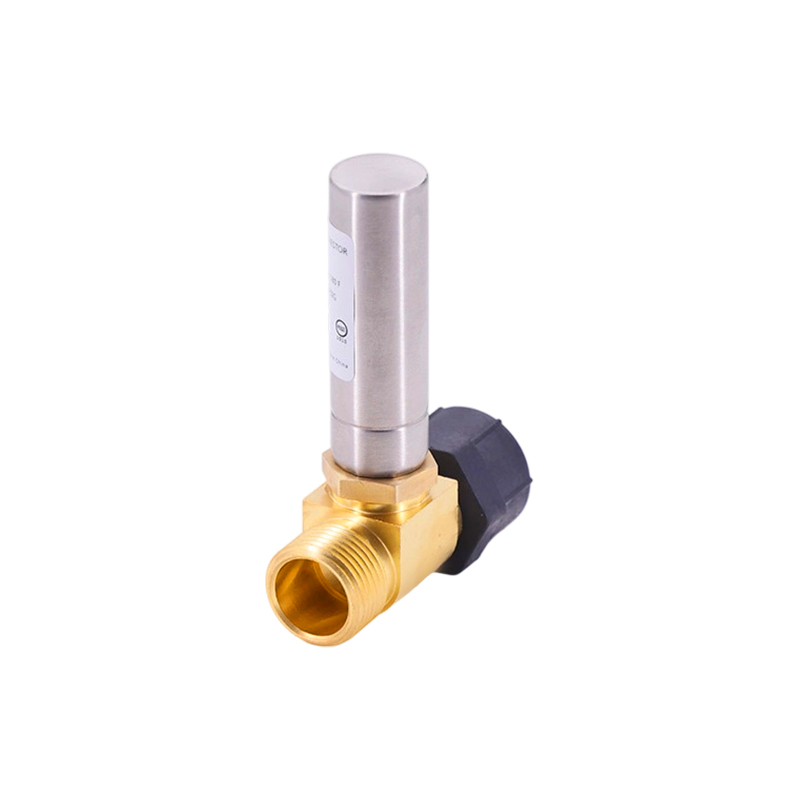
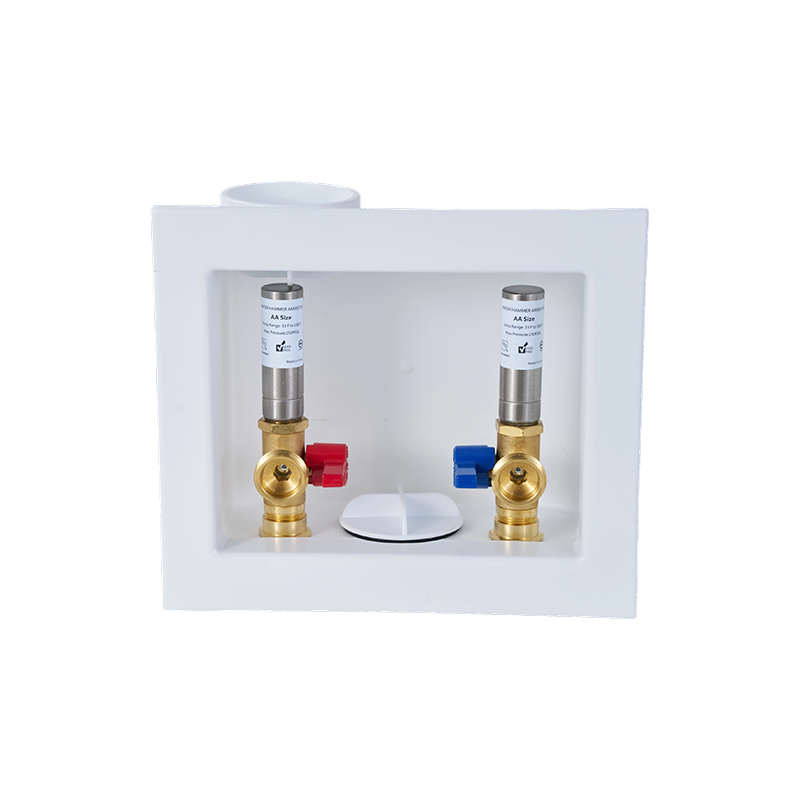
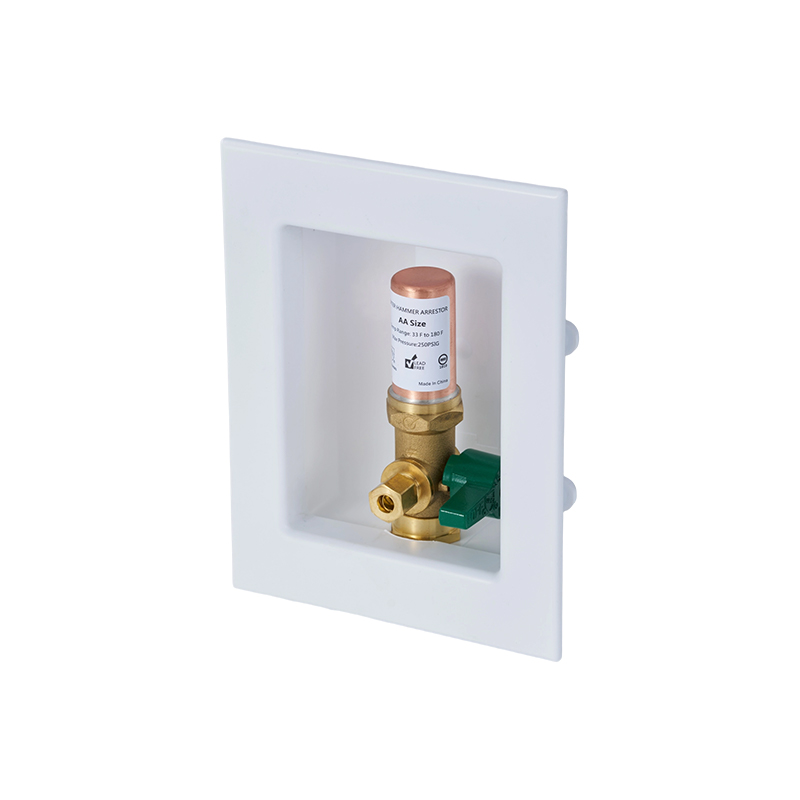
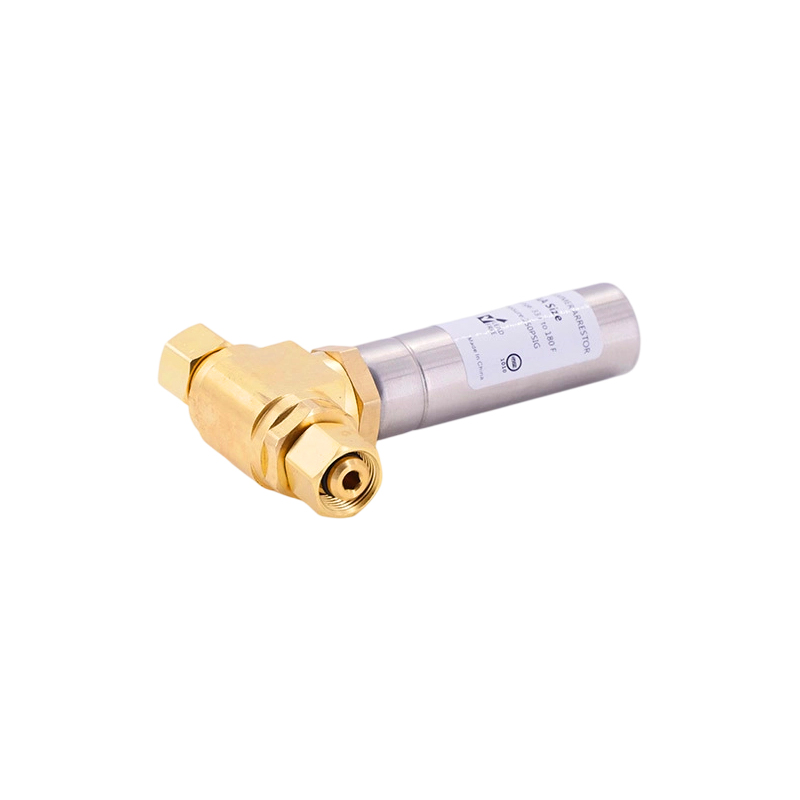
Straight-style water hammer arrestors are widely used in residential and commercial plumbing to reduce pipe vibration caused by rapid valve closure. Many homeowners wonder whether a Straight Style Stainless Steel Water Hammer Arrestor is adequate to handle pressure surges, particularly in complex piping systems. This article explores design principles, practical limitations, and strategies to enhance performance.
How Straight-Style Arrestors Work
Straight-style arrestors contain an internal damping mechanism, often a gas- or spring-loaded chamber, that absorbs kinetic energy from sudden water stoppages.
- Direct Flow Path: Unlike angled designs, the straight configuration maintains minimal turbulence, providing a simple flow route and reliable damping.
- Chamber Functionality: Gas-filled chambers compress when a pressure spike occurs, converting kinetic energy into pressure inside the arrestor and reducing vibration.
- Material Strength: Stainless steel resists corrosion and withstands high pressures, ensuring long-term durability.
Factors Affecting Performance
Even with robust construction, straight arrestors can have reduced effectiveness if system conditions are not optimal:
- Pipe Layout: Long horizontal runs, multiple elbows, or tees can reflect pressure waves, creating residual noise even with a straight arrestor installed.
- Valve Closure Speed: Rapidly closing fixtures, such as toilets, washing machines, or dishwashers, generate higher intensity surges that challenge a single arrestor’s capacity.
- System Pressure: Lines above 70 psi may cause the arrestor chamber to reach its compression limit, leaving some residual vibration in the piping.
- Pipe Material: Copper transmits vibration more efficiently than PEX, making hammering more audible despite a functioning arrestor.
Installation Best Practices
Proper installation is essential for straight-style arrestors to work effectively:
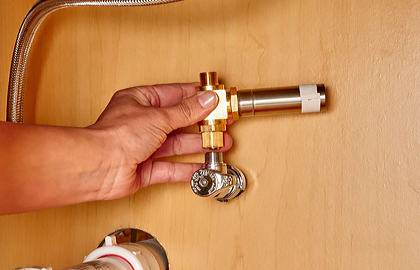
- Close Proximity to Valve: Position the arrestor as near as possible to the valve generating the surge. Pressure waves dissipate over distance, reducing absorption efficiency.
- Orientation: While most straight arrestors can function vertically or horizontally, following manufacturer recommendations ensures maximum gas chamber performance.
- Secure Pipe Support: Unstrapped pipes allow vibrations to bypass the arrestor, making it appear ineffective.
- Compatible Connections: Threaded, soldered, or compression fittings must match pipe material to prevent leaks and maintain system pressure integrity.
Common User Concerns
Homeowners and plumbers frequently encounter questions about straight-style arrestors:
- Will it stop hammer completely? Straight arrestors reduce most shocks, but extreme surges or poorly supported pipes can still generate residual noise.
- Can multiple arrestors help? Installing additional units near main supply branches or at multiple fixtures improves absorption across the system.
- Do I need maintenance? Gas-filled chambers may slowly lose pressure over time; inspection or replacement after several years can maintain performance.
- Is it better than angled designs? Straight units offer durability and flow simplicity, but angled arrestors may be easier to fit in confined spaces or redirect flow around obstacles.
Advanced Considerations
For systems with complex layouts or high-pressure appliances, additional measures can enhance effectiveness:
- Pressure-Reducing Valves: Lowering system pressure reduces the magnitude of surges and extends the life of the arrestor.
- Pipe Insulation: Wrapping pipes can reduce noise transmission from residual vibrations.
- Dual Arrestor Strategy: Using a combination of straight and angled arrestors in key locations can balance flow efficiency and damping effectiveness.
- Monitoring Performance: Listen for knocking after installation; persistent hammer may indicate additional arrestors or pipe support are needed.
Straight-style stainless steel water hammer arrestors provide reliable shock absorption and long-term durability. However, effectiveness depends on system design, pipe material, valve speed, and proper installation. Combining a high-quality straight arrestor with strategic placement, adequate pipe support, and optional complementary devices ensures quieter plumbing operation and minimizes long-term stress on piping.