

 English
 Español
 Français

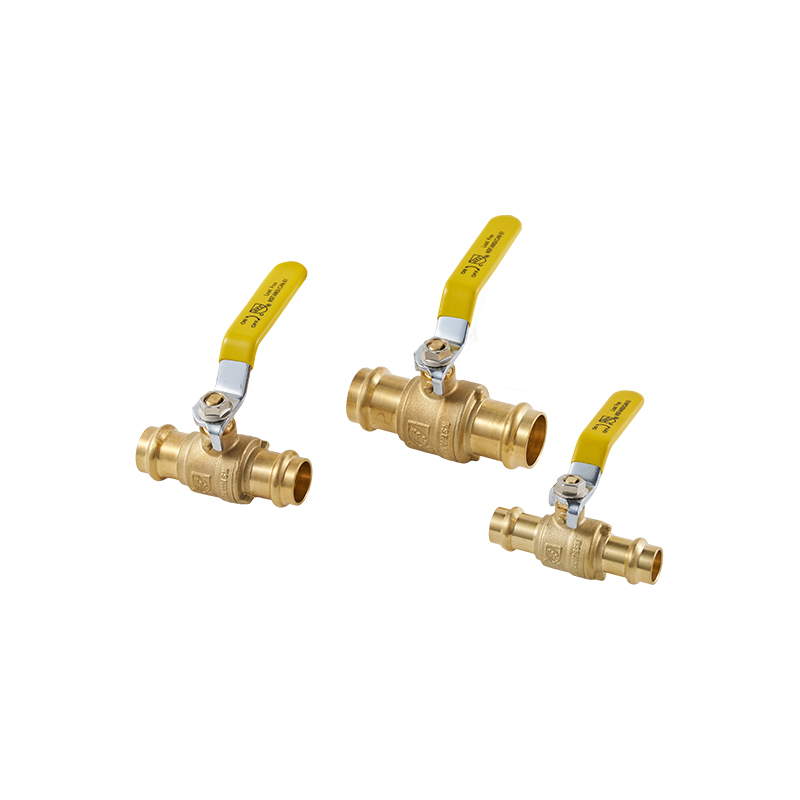
Home plumbing systems often rely on a Ball Valve to control water flow efficiently. Yet, one common concern among homeowners and technicians is when a Press Brass Ball Valve does not fully close or continues to leak at the stem or connection points. This situation can cause dripping, water damage, or inefficiency in system operation, raising questions about valve reliability and installation quality.
Understanding the reasons behind incomplete closure and minor leaks helps users take corrective actions and prolongs valve life. Manufacturers like Taizhou Shuihengyihao Fluid Technology Co.,Ltd. provide guidance for proper installation and maintenance to avoid these issues.
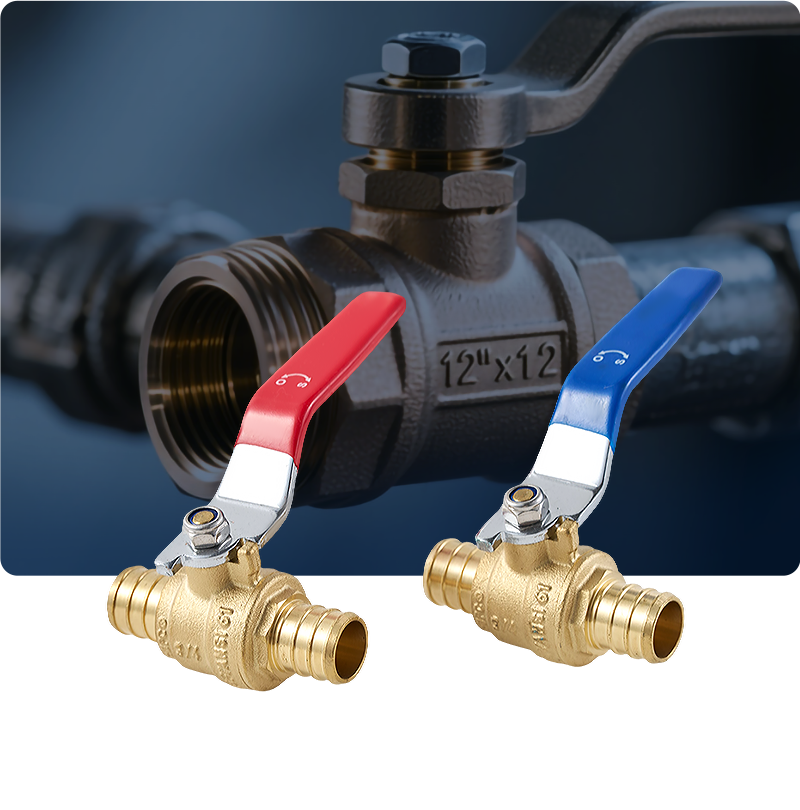
Common Causes of Leaking Ball Valves
Many users encounter leaks despite proper installation. These problems usually originate from internal or external sources:
1. Worn or Damaged Seats
The ball inside the valve sits against a seat to seal water flow. Over time, scale, corrosion, or debris can erode the seat surface. Even small imperfections can prevent the valve from sealing completely.
2. Stem Packing Issues
The stem passes through the valve body and allows handle operation. If the packing material wears out or becomes compressed unevenly, water may leak around the stem. This is a frequent issue in press brass ball valves with tight press-fitting tolerances.
3. Debris in the Ball Cavity
Particles carried by water may lodge between the ball and the seat, reducing sealing performance. Users often report that flushing the line before installation improves valve operation and prevents early leaks.
4. Installation Misalignment
Press fitting requires precise alignment to avoid stresses on the valve body. Misaligned connections can warp the internal ball or seats, making complete closure impossible.
Troubleshooting Tips
Addressing a leaky or partially closing ball valve involves several practical steps:
Cycle the Valve
Opening and closing the valve slowly several times can dislodge minor debris that prevents full closure.
Inspect and Clean the Valve
Remove the valve (if feasible) to check for sediment or scaling inside the ball cavity. Gentle cleaning can restore sealing.
Replace Worn Components
Some press brass ball valves allow replacing internal seats or packing without removing the entire system. This can solve leaks while keeping the press-fitted connection intact.
Check Pipe Alignment
Ensure the press fittings are straight and not under stress. Correct misalignment to prevent further sealing issues.
Why Press Brass Ball Valves Are Different
Press brass ball valves differ from traditional threaded or soldered valves because they rely on a permanent press connection. While this ensures strong, reliable joints, it also means adjustments after installation are limited. A slight leak or incomplete closure often requires either minor internal repairs or full replacement rather than repositioning.
This design emphasizes the importance of careful installation and pre-installation inspection. Using high-quality valves and following proper procedures reduces the chance of encountering persistent leaks.
User Experience and Observations
Discussions on plumbing forums reveal that users value Ball Valves and Press Brass Ball Valves for their convenience and quick quarter-turn operation. However, consistent reports highlight the need for periodic inspection, especially in water systems with high mineral content. Simple preventive measures, such as line flushing and occasional operation, keep valves functioning properly.
Users also note that while press-fitted valves offer a clean installation without soldering, the inability to adjust them after fitting requires extra attention during the primary installation.