

 English
 Español
 Français


Bulk purchasing can help plumbing distributors maintain stable stock levels and serve contractors with different project requirements. However, ordering large quantities of washing machine plumbing components also creates inventory management challenges. Different connection types, valve arrangements, pressure ratings, and product dimensions can make it difficult to maintain the correct product mix.
At Shuihengyihao, we understand that distributors need more than competitive purchasing prices. They also need consistent product specifications, accurate order records, and reliable communication with manufacturers. A washing machine hammer arrestor valve may look similar to other plumbing accessories, but differences in thread configuration, installation orientation, and application can affect whether a product matches the customer's requirements.
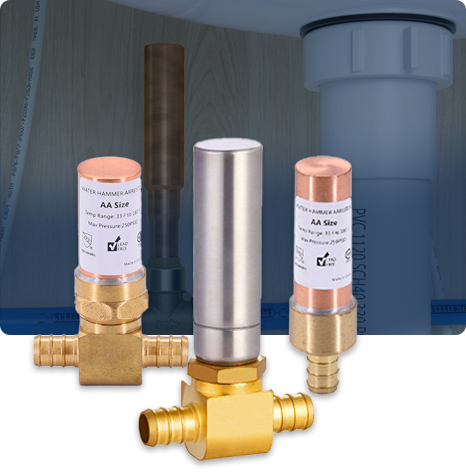
1. Establish Clear Product Classification Before Ordering
One common cause of inventory mismatches is the use of incomplete product descriptions. Two arrestors may serve similar applications but have different connection arrangements. Distributors should establish a consistent classification system for every product model.
We recommend organizing inventory according to these specifications:
- Connection size: Record nominal dimensions, such as 3/4-inch washing machine hose connections.
- Thread configuration: Distinguish female hose threads, male hose threads, and NPT connections.
- Body material: Separate brass, copper, and stainless steel construction according to the actual product specification.
- Installation design: Identify straight, angled, and integrated valve configurations.
- Technical ratings: Record working pressure, temperature range, and applicable certifications.
Consistent product descriptions make warehouse identification easier and reduce the possibility of shipping an incompatible model to a contractor.
2. Match Inventory Quantities with Regional Demand
Different distribution markets may have different preferences for plumbing connections and installation methods. A distributor serving residential contractors may require more standard washing machine hose-thread arrestors, while commercial plumbing suppliers may handle a broader range of connection configurations.
Historical sales records can help distributors understand these differences. We suggest reviewing:
- Monthly sales volumes for each product model.
- Customer preferences for connection sizes and configurations.
- Seasonal demand changes and upcoming construction projects.
- Existing warehouse stock and pending customer orders.
- Products with frequent returns caused by specification mismatches.
This information provides a practical basis for replenishment planning. Rather than ordering identical quantities across every model, distributors can allocate purchasing budgets according to actual sales patterns.
3. Verify Technical Specifications Before Confirming Bulk Orders
Technical differences can create unnecessary stock accumulation. A washing machine arrestor commonly uses 3/4-inch hose-thread connections, but buyers should verify the exact inlet and outlet arrangement against the intended application.
| Specification | Details to Confirm |
| Connection size | 3/4-inch or other specified dimensions |
| Thread type | Female and male hose-thread configuration |
| Body construction | Brass, copper, or other specified material |
| Pressure rating | Maximum working pressure and system compatibility |
| Installation position | Horizontal, vertical, or manufacturer-approved orientations |
| Certification | ASSE 1010 and other applicable requirements |
For example, some washing machine arrestors are designed with a 3/4-inch female swivel hose-thread inlet and a 3/4-inch male hose-thread outlet. Other models may use different arrangements or integrated shut-off valves. These products should not be treated as interchangeable without checking their specifications.
At Shuihengyihao, we encourage distributors to review product drawings and technical documentation before confirming larger purchasing orders. This step helps ensure that the incoming products correspond to the sales specifications used by their customers.
4. Use SKU Management to Reduce Warehouse Errors
A well-organized SKU system helps warehouse employees distinguish between similar plumbing components. Product codes should contain meaningful information rather than relying entirely on appearance or packaging labels.
Distributors can establish internal SKU categories based on:
- Product application and model series.
- Connection dimensions and thread types.
- Material and structural configuration.
- Packaging specifications and carton quantities.
Barcode labels and digital inventory records can further improve warehouse accuracy. Each incoming shipment should be checked against the purchase order, product code, carton label, and approved specification sheet.
5. Coordinate Packaging and Purchasing Details with Manufacturers
Packaging differences can also create problems during bulk distribution. Mixed models packed under similar labels may cause warehouse confusion, particularly during peak purchasing periods.
We recommend confirming the following details with suppliers before production and shipment:
- Model identification: Each product should have a clearly identifiable model number.
- Carton labeling: Include product descriptions, quantities, and relevant specifications.
- Packaging arrangements: Confirm individual packaging, bulk cartons, or customized packaging requirements.
- Order breakdown: Specify quantities for each model instead of providing only a combined purchasing volume.
- Inspection records: Request relevant quality inspection information and product documentation.
At Shuihengyihao, clear purchasing communication helps us understand distributor requirements and coordinate product configurations and packaging arrangements. This is particularly useful for wholesalers managing multiple customer groups and different plumbing product categories.
6. Build a Replenishment Plan Around Actual Stock Movement
Excess inventory ties up purchasing capital, while insufficient stock can interrupt customer orders. Distributors should establish replenishment points for individual models rather than relying on a single inventory target for the entire product category.
A practical inventory review can include the following indicators:
- Average monthly sales by SKU.
- Current available stock and reserved quantities.
- Supplier production and delivery schedules.
- Expected demand from confirmed projects.
- Slow-moving products requiring purchasing adjustments.
Combining these records with regular supplier communication gives distributors better visibility over purchasing requirements and helps prevent unnecessary stock accumulation.
Accurate Specifications Support Better Inventory Decisions
Bulk washer valve procurement requires careful coordination between product specifications, sales forecasts, warehouse classification, and supplier communication. Standardized product records and technical verification can help distributors reduce inventory mismatches while maintaining a suitable range of plumbing components.
At Shuihengyihao, we focus on supporting buyers with clear product specifications and purchasing communication. Whether you distribute washing machine hammer arrestors for residential plumbing projects or manage wholesale orders across multiple product models, our team can discuss your connection requirements, packaging preferences, and order specifications. Contact Shuihengyihao to discuss suitable water hammer protection products for your distribution business.