

 English
 Español
 Français

1/2"x1/2" Internal Thread Solder Brass Ball Valve
This is a brass ball valve with a 1/2-inch port size and an internal socket...
In all types of fluid conveyance systems, reliable control and secure isolation are paramount. Our high-strength brass ball valve is the core control component engineered for this purpose. Featuring a classic 90-degree rotary on/off design, it regulates fluid flow through a precision-machined perforated ball. Whether used in water supply, heating, industrial equipment, or irrigation systems, its outstanding sealing performance, minimal flow resistance, and exceptionally long service life make it the trusted choice of professionals.
Core Advantages and Features
Swift Operation, Unobstructed Flow: Achieves full open or closed positions with a mere 90-degree rotation, ensuring rapid and effortless operation. When fully open, the ball channel aligns nearly perfectly with the pipe diameter, creating a straight-through flow path. This minimizes fluid resistance, virtually eliminates pressure drop, and guarantees maximum flow capacity.
Exceptional Sealing, Zero Leakage: Utilizing high-quality PTFE (polytetrafluoroethylene) sealing seats and precision-polished balls ensures bidirectional zero-leakage sealing even under high pressure differentials. This effectively prevents internal or external leakage of media, delivering reliable safety.
Robust Durability and Superior Corrosion Resistance: The valve body is crafted from premium forged brass, offering high strength and excellent pressure resistance. Advanced nickel or chrome plating provides excellent corrosion and wear resistance, adapting to diverse water media and harsh environments, with a service life far exceeding standard cast copper valves.
Multiple Connections, Wide Applicability: Offers various connection types including internal threads (BSP/NPT), external threads, and quick-connect fittings, with sizes ranging from 1/4“ to 2”. This accommodates diverse pipe diameters and system requirements. Widely applicable for shutoff and isolation in pipelines carrying cold water, hot water, oil, gas, and other fluids.
Applications
An indispensable and reliable valve for residential water supply systems, HVAC systems, industrial equipment pipelines, landscape irrigation, compressed air systems, and similar projects.
Choose our high-performance ball valve to provide your fluid system with a simple, robust, and absolutely reliable control solution!
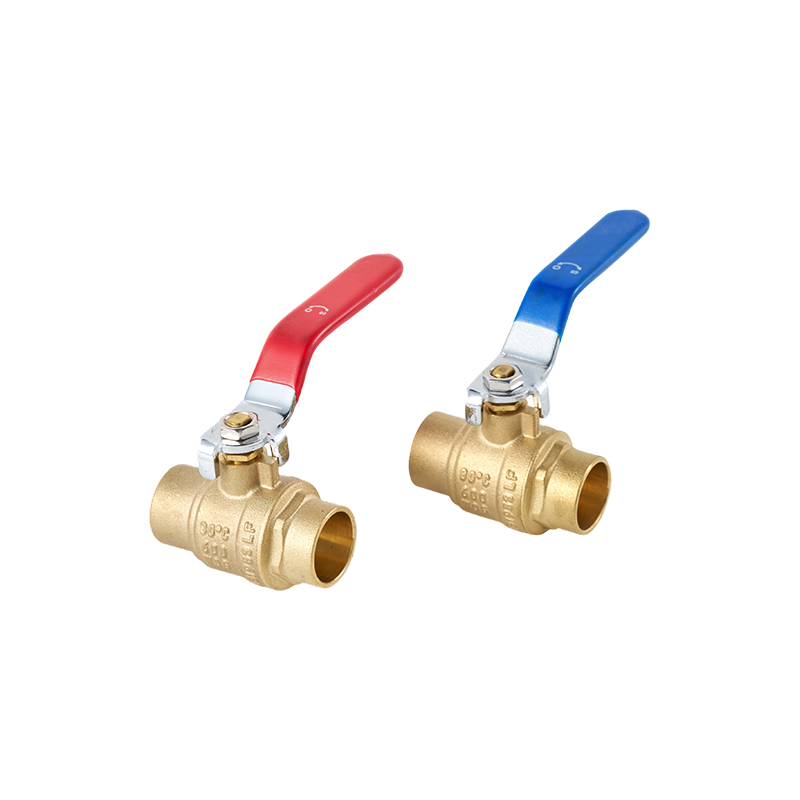
This is a brass ball valve with a 1/2-inch port size and an internal socket...
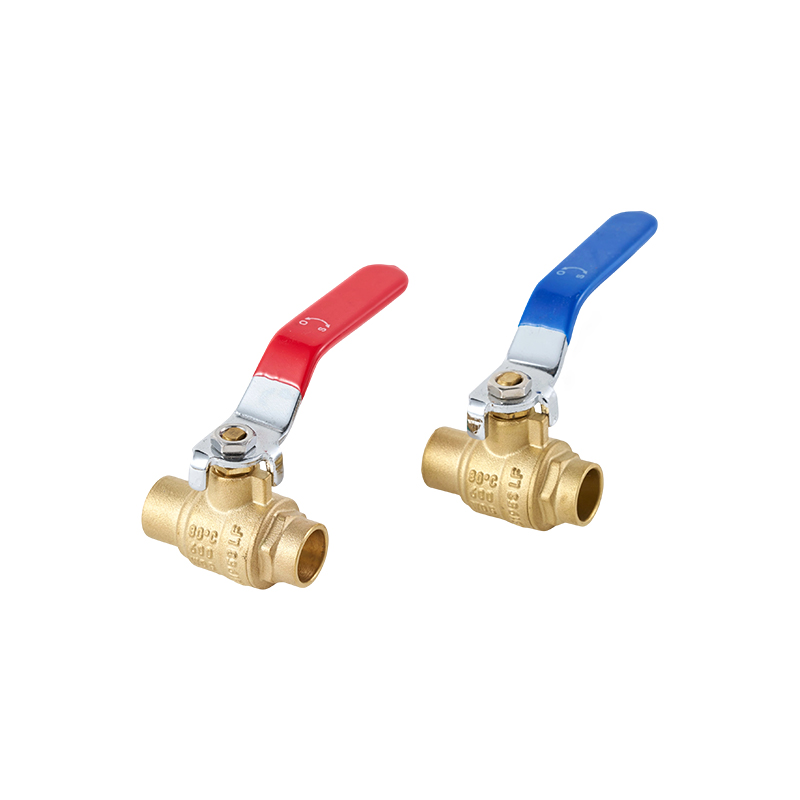
The internally threaded brass ball valve is a high-performance valve with a...
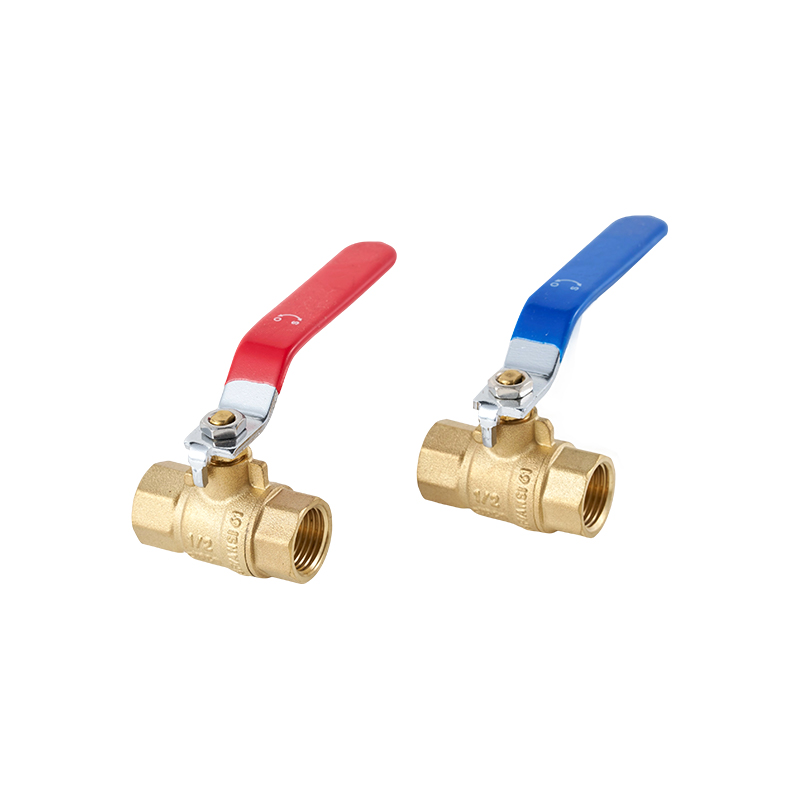
This is a brass ball valve with 1/2-inch ANSI internal pipe threads on both...
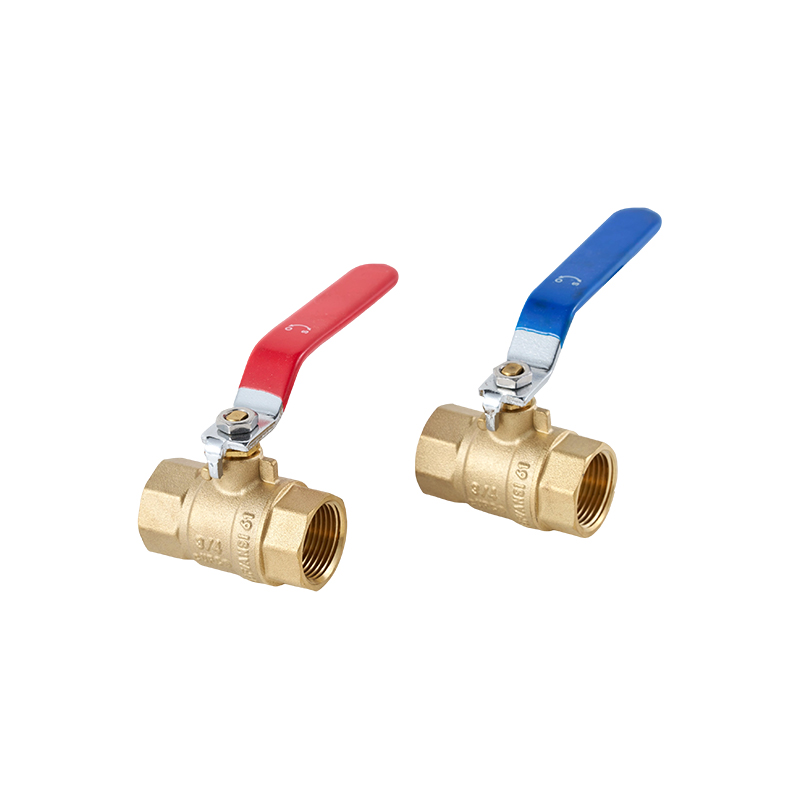
The brass ball valve with internal taper pipe threads has a 3/4-inch port s...
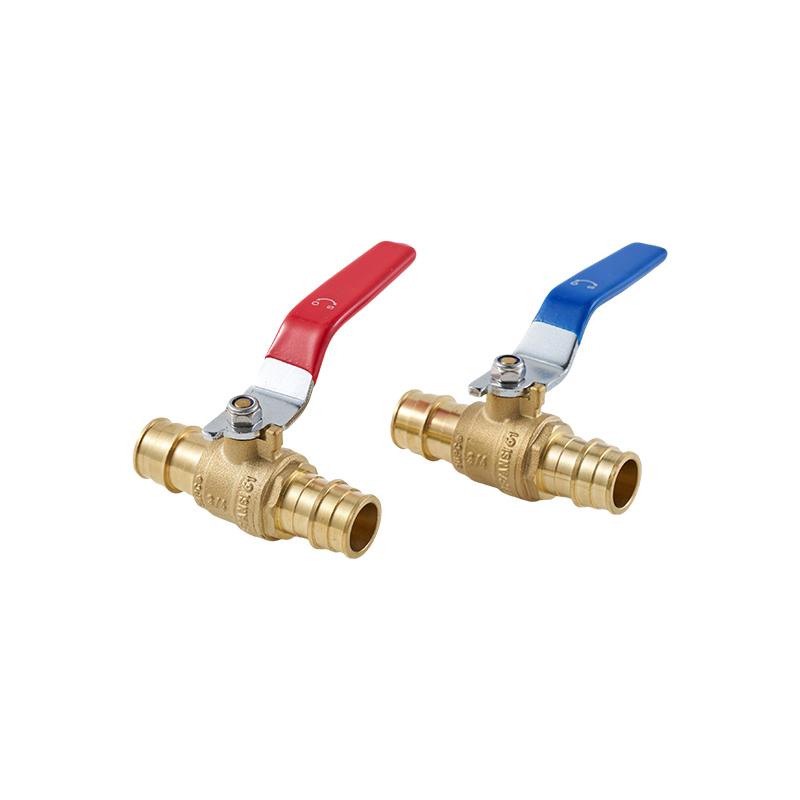
This is a 3/4-inch, compression-type brass ball valve with PEX connections,...
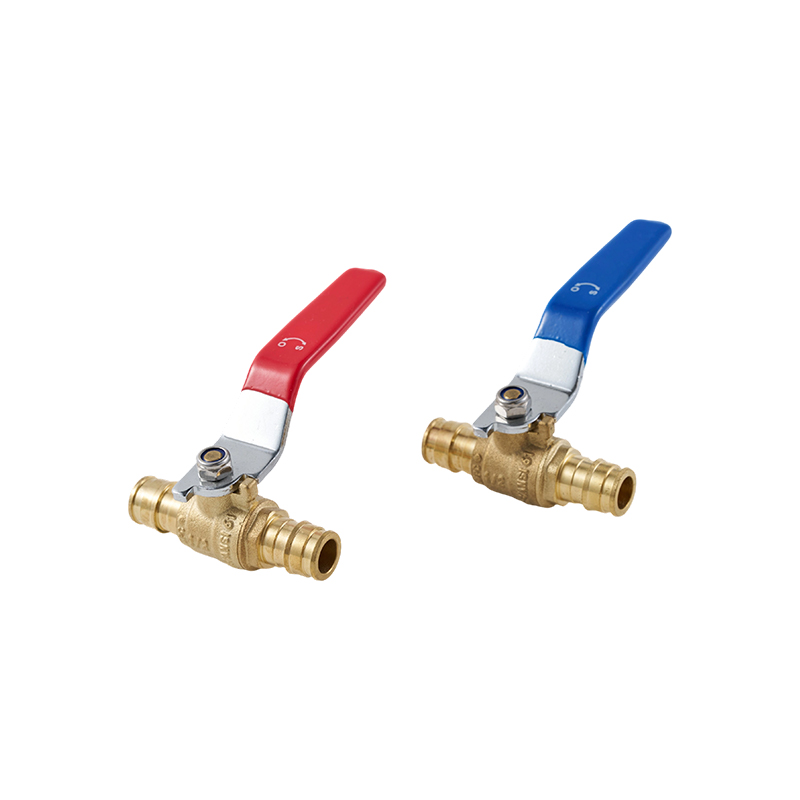
The PEX Brass Ball Valve is a high-quality valve with a 1/2-inch port size,...
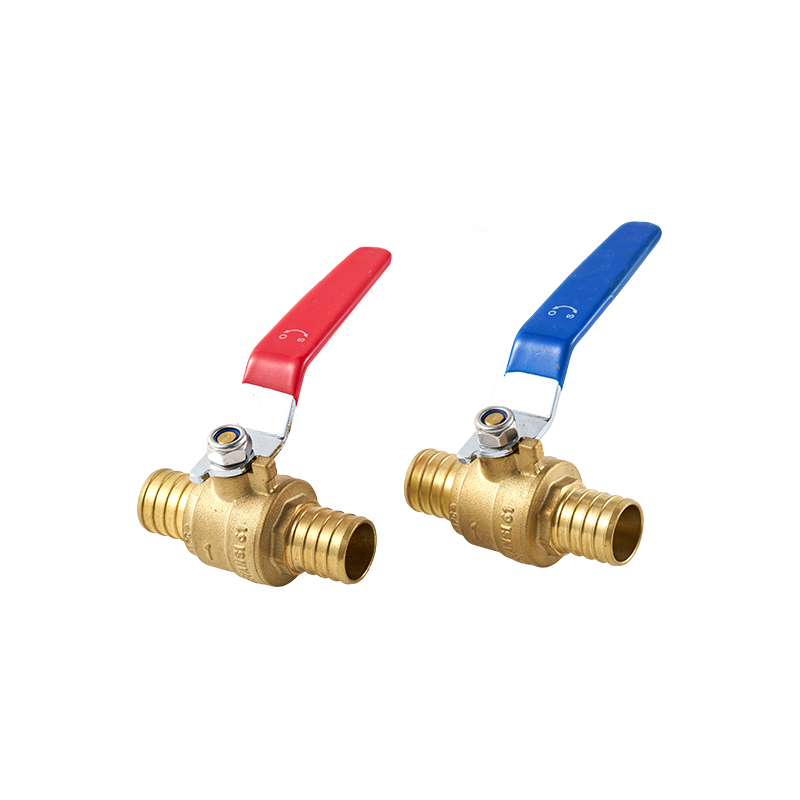
This is a 1-inch diameter, compression-type PEX interface ball valve manufa...
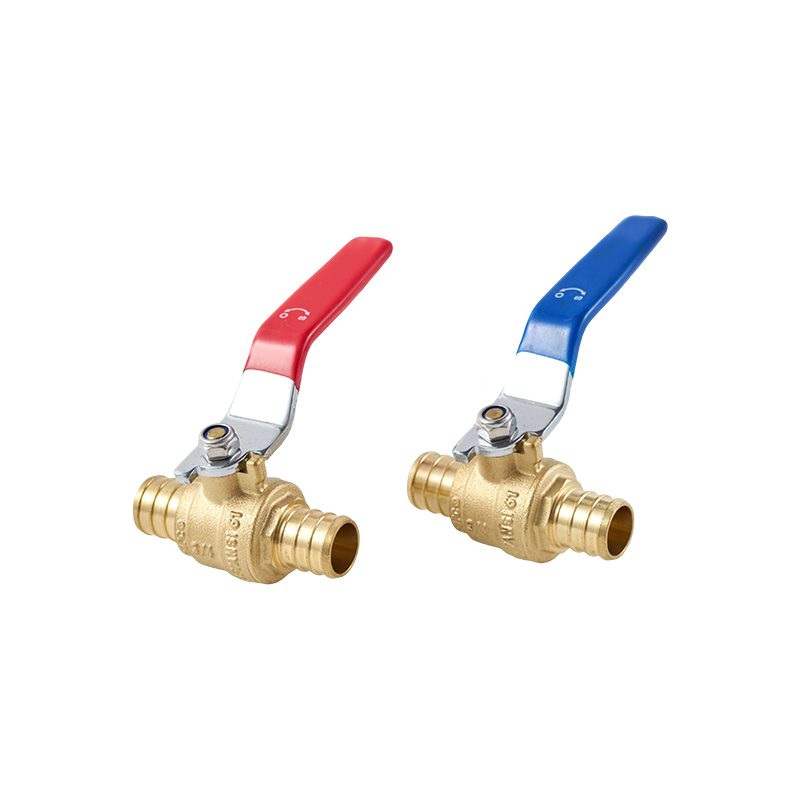
The 3/4" PEX F1807 ball valve is a high-performance valve designed specific...
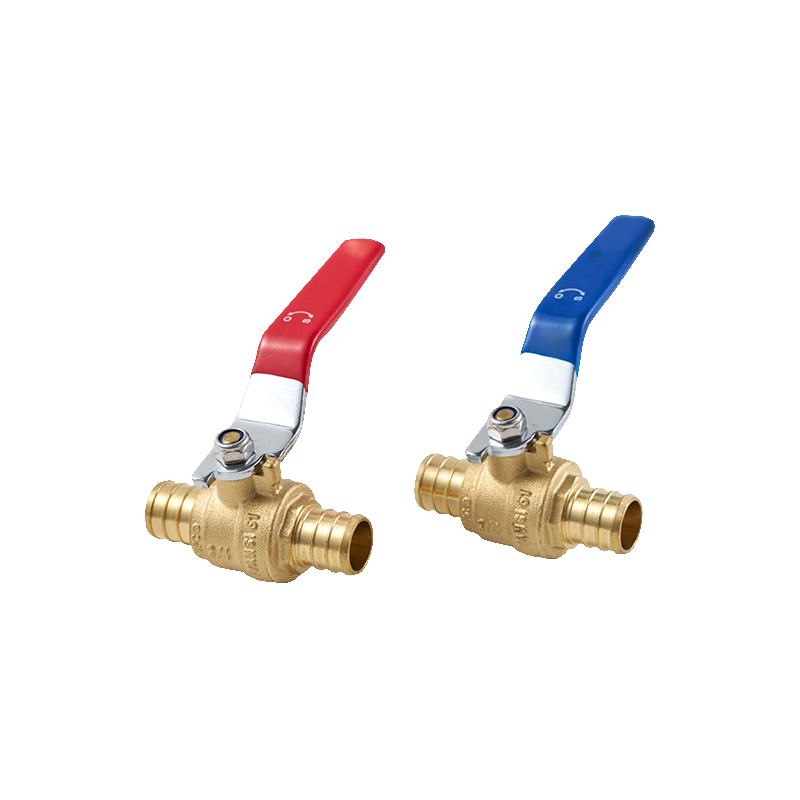
The 1/2" PEX F1807 Compression Brass Ball Valve is a high-quality valve des...
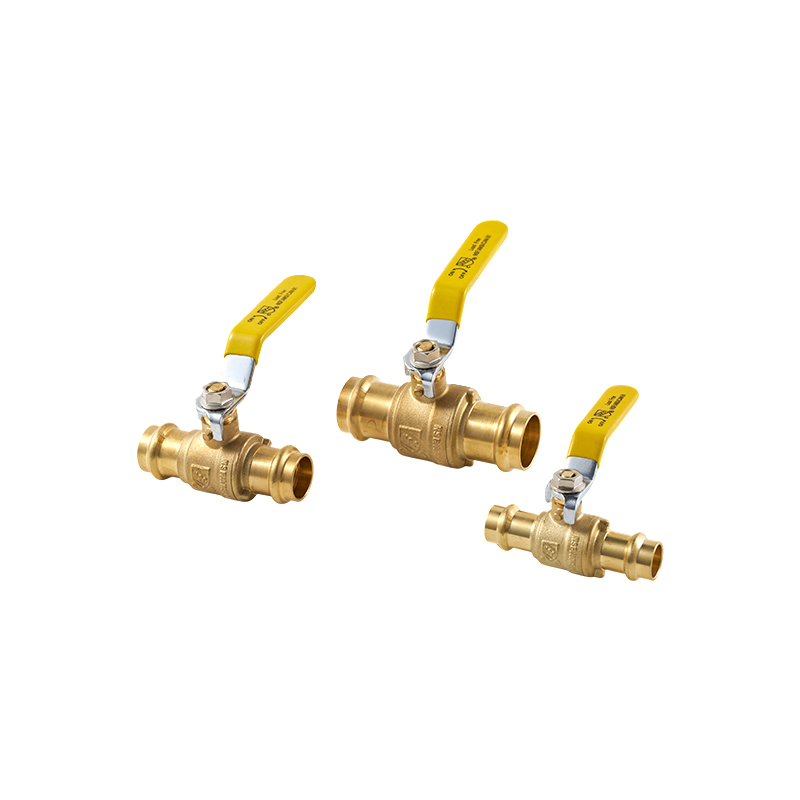
This is a brass ball valve with 3/4-inch ports and compression technology. ...

Taizhou Shuihengyihao Fluid Technology Co.,Ltd. was founded in 2008, is located in Yuhuan, the capital city of valves.Our company covers an area of 10000 square meters. It is a professional custom Ball Valve manufacturer with ISO9001:2015 certification, and its products are certified by CUPC, NSF/ANSI/CAN 61, NSF372.
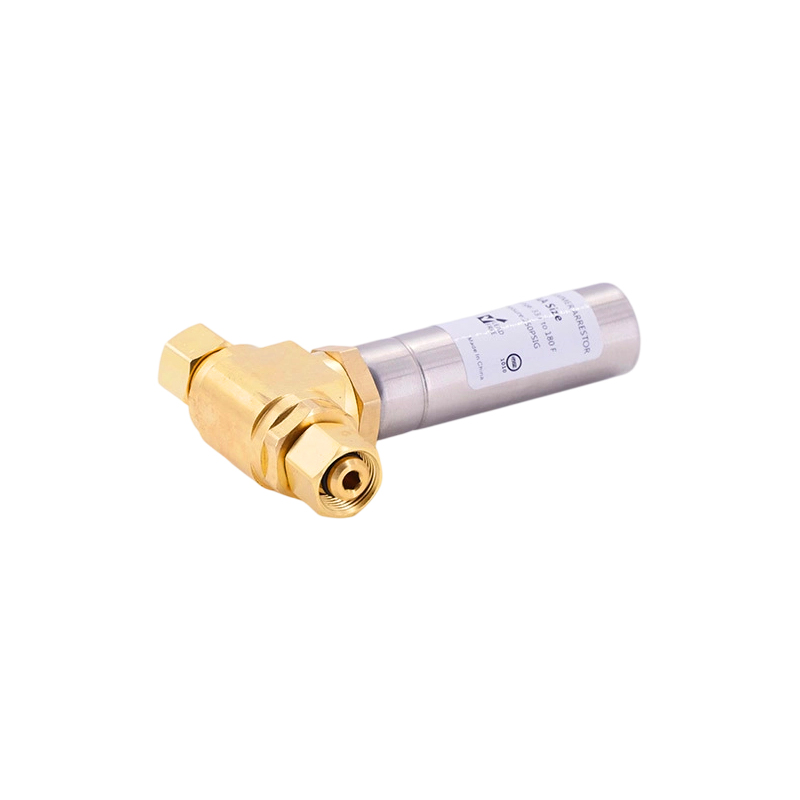
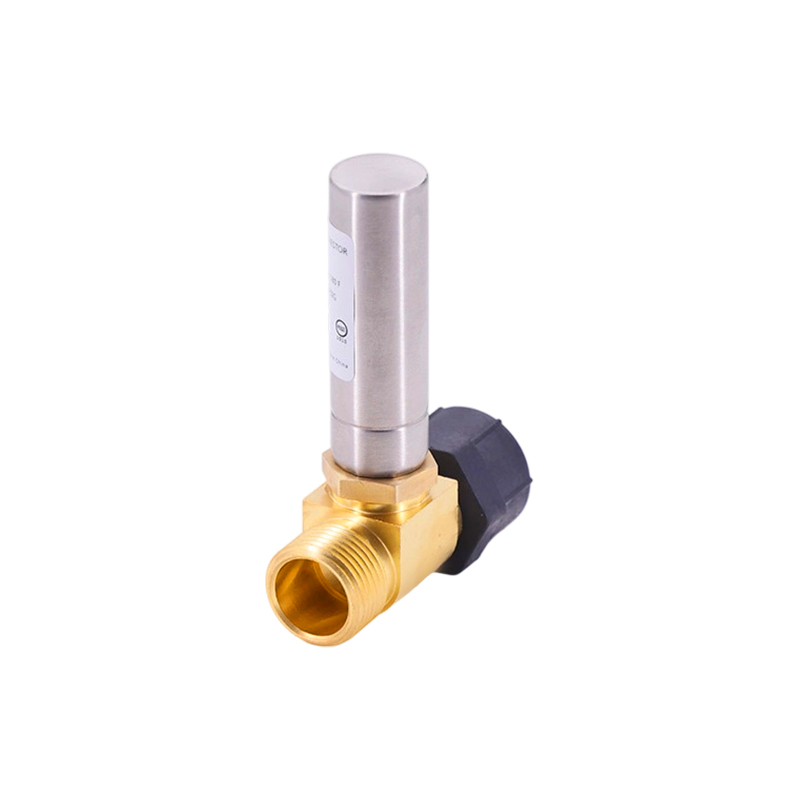
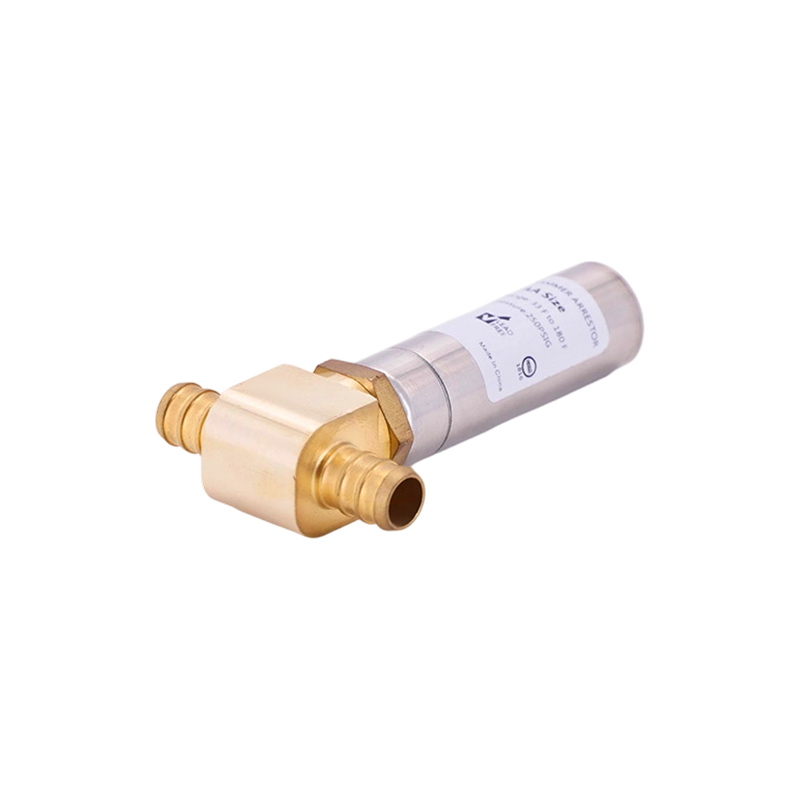
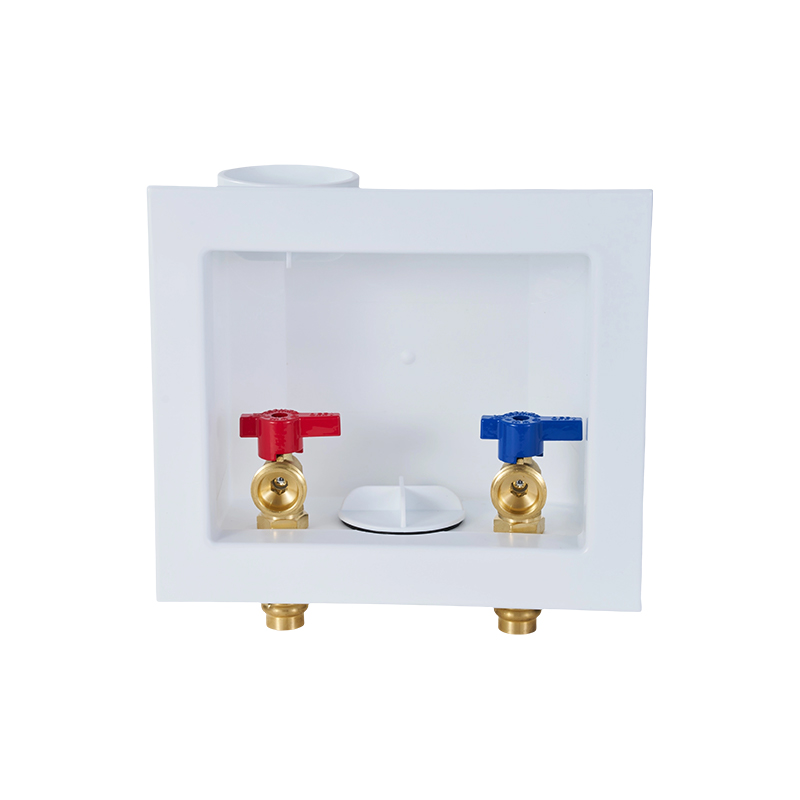
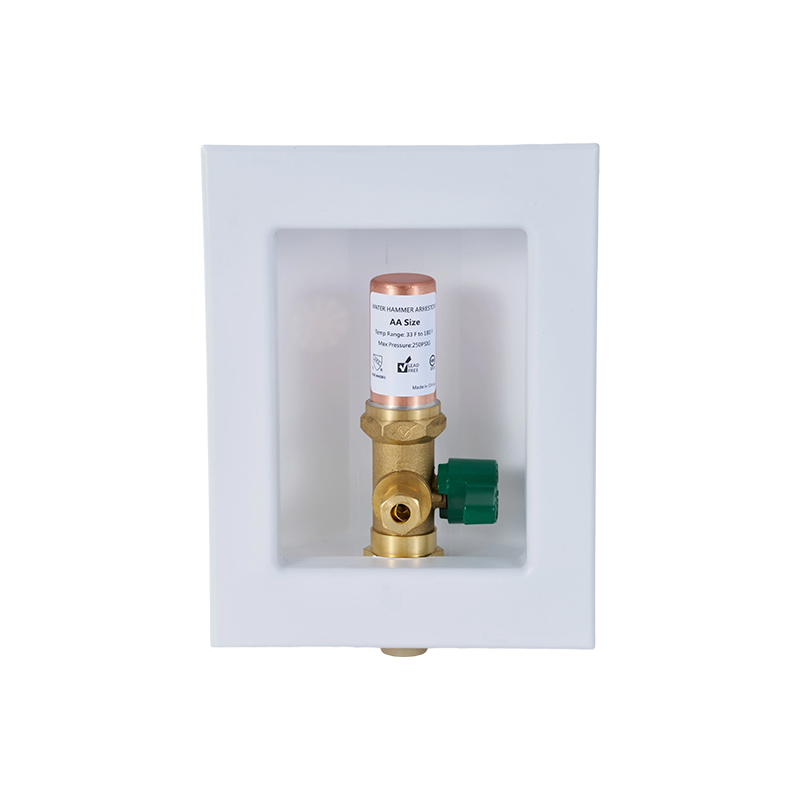
Taizhou Shuihengyihao Fluid Technology Co.,Ltd. is a professional wholesale Ball Valve factory of all kinds of valves, pipe fittings, the main products are American washing machine stop valves, ice maker stop valves, water hammers arrestors and other pipe fittings.At the same time, we are also promoting our own brand we accept the OEM production service we can produce according to the customer's samples, drawings.
Customer satisfaction, credit and strategic cooperation, quality is the most important, strict compliance with the quality control system, to provide competitive prices.Keep the business principles of "innovation and trustworthiness" and work hand in hand with you to create a more brilliant tomorrow.
Deciding when to install a Water Hammer Arrestor isn’t always obvious, especially for home...
View MoreFor many homeowners, installing a Water Hammer Arrestor Washing Machine connection can see...
View MoreHomeowners installing a Water Hammer Arrestor often hope it will quietly fix banging pipes...
View MoreHave you noticed loud bangs or thudding sounds from your laundry room plumbing when your W...
View MoreEfficient water connections are essential in both modern homes and commercial settings. Wh...
View MoreA ball valve serves as a versatile control device used across residential, commercial, and industrial systems. Its simple quarter-turn operation allows for rapid shut-off or flow control, making it suitable for applications ranging from household water supply to complex industrial piping networks.
In plumbing systems, ball valves are often preferred because they provide reliable sealing and less leakage risk. Industrial environments benefit from ball valves due to their durability under varying pressures and temperatures. Choosing the right ball valve involves evaluating flow requirements, pressure ratings, and compatibility with the medium being controlled, such as water, oil, or gas.
Press Brass Ball Valve for Efficient Installation
Press brass ball valves are increasingly adopted in modern plumbing and heating systems because they simplify installation without requiring soldering or threaded connections. Press fittings use mechanical deformation to create a secure seal, reducing labor time and potential installation errors.
These valves are ideal for commercial projects, including hotels, hospitals, and large residential complexes, where speed and reliability are essential. Press brass ball valves are also used in retrofitting older systems, allowing technicians to replace sections of piping without extensive disruption. Their durable brass construction ensures resistance to corrosion, while certifications such as CUPC and NSF verify compliance with water safety standards.
Brass ball valves remain a popular choice for systems handling potable water, natural gas, and low-pressure industrial fluids. The material offers inherent corrosion resistance and antimicrobial properties, making it suitable for drinking water supply systems.
Users often consider certification and prominent content when selecting brass ball valves. Standards like NSF/ANSI/CAN 61 and NSF 372 provide assurance that the valve meets regulatory requirements for safety and hygiene. Brass ball valves are available in different connection types, including threaded, flanged, and press-fit, allowing engineers to match the valve to system specifications.
Maintenance is straightforward, with occasional inspection of seals and operation to ensure long-term reliability. In water and gas distribution networks, properly maintained brass ball valves help prevent leaks, maintain flow efficiency, and reduce maintenance costs over time.
Industrial ball valves are engineered to handle rigorous conditions, including high-pressure pipelines, chemical processing, and oil and gas applications. Unlike residential valves, industrial ball valves often feature reinforced stems, anti-static devices, and fire-safe designs to meet strict operational and safety requirements.
These valves are suitable for pipelines that carry aggressive chemicals, high-temperature fluids, or abrasive media. Industrial ball valves can be manually operated, or integrated with pneumatic or electric actuators for automated control. Selecting an industrial ball valve requires consideration of pressure class, material compatibility, flow characteristics, and frequency of operation to ensure long-term performance.
When planning a fluid system, understanding the distinctions between brass ball valves, press brass ball valves, and industrial ball valves is essential.
Evaluating operational requirements and environmental conditions helps engineers select the more suitable valve type, ensuring safety, efficiency, and system longevity.
Proper installation and maintenance are key to achieving ideal performance for all types of ball valves. Important considerations include:
Adhering to these practices extends service life and maintains reliable system performance, particularly in commercial and industrial installations.
Ball valves are widely used across multiple sectors:
Understanding the specific requirements of each application helps determine the ideal valve type, material, and connection method for both efficiency and safety.
Selecting the right ball valve, whether a brass, press brass, or industrial variant, depends on system demands, safety standards, and operational efficiency. Considerations of material, certification, installation method, and maintenance practices are key to ensuring that valves perform reliably over their service life. Strategic selection supports efficient fluid control, reduces maintenance issues, and enhances safety across residential, commercial, and industrial applications.


Lupu Industrial Area, Yuhuan Ciy, Zhejiang, China

chenzhaohong@zjmingying.com

+86 - 13967622208

+86 - 576 - 87417703

Copyright © 2022, Taizhou Shuihengyihao Fluid Technology Co.,Ltd. All Rights Reserved.
Custom Ball Valve
